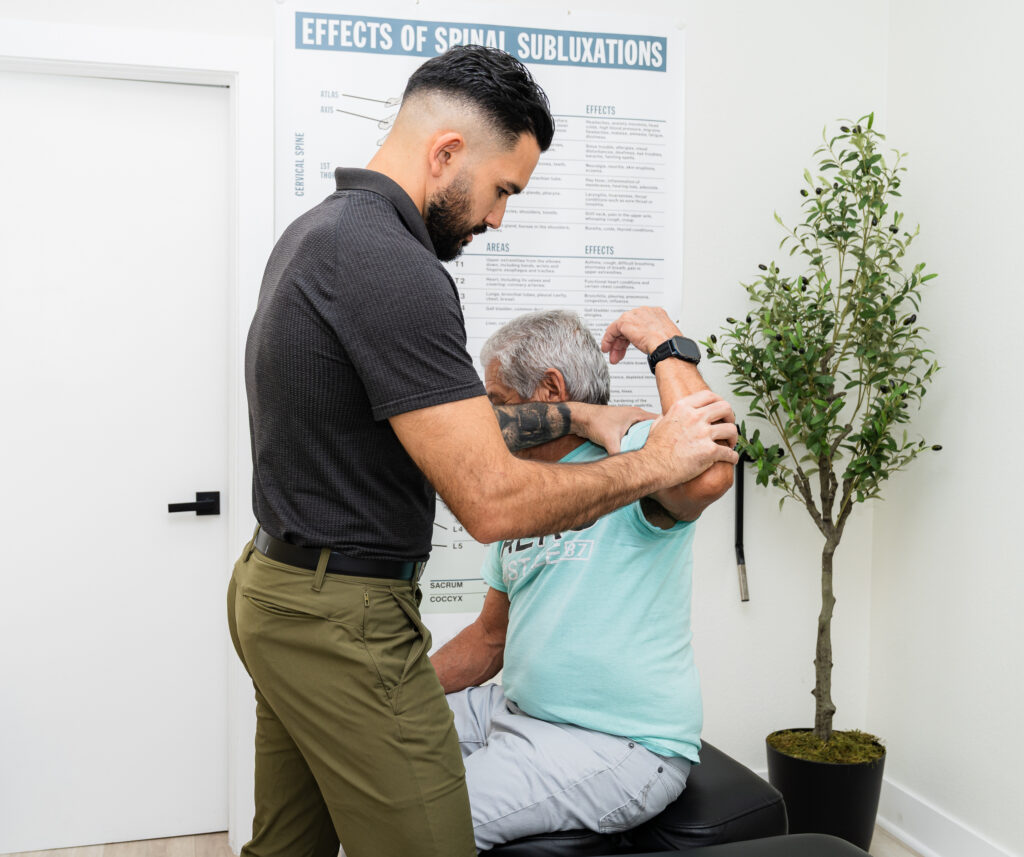

As a local chiropractor, I often encounter patients who are grappling with persistent back pain. Many have experimented with different remedies, yet find little relief. It’s important to understand that a structured approach to your pain management can lead to significant improvements. Over the next 30 days, I invite you to explore seven effective techniques that can help alleviate your discomfort and enhance your overall well-being.
These techniques range from specific stretching and strengthening exercises to mindfulness practices, all of which are integral to your recovery journey. Chiropractic care focuses on the body’s natural ability to heal itself, and by incorporating these methods, you can regain control of your health and enjoy a more active lifestyle. Let’s delve into these strategies together and pave the way for your recovery.
Stretching Exercises for Back Relief
Incorporating stretching exercises into your daily routine can be a game-changer for alleviating back pain and enhancing your overall flexibility. As a chiropractor, I often emphasize the importance of focusing on stretches that specifically target your lower back, hamstrings, and hip flexors.
One of the simplest yet effective stretches you can do is the child’s pose. This gentle stretch helps to elongate your spine while relaxing tight muscles.
Another fantastic option is the cat-cow stretch, which not only increases mobility but also helps to relieve tension in your back.
Don’t overlook the seated forward bend; it’s excellent for stretching your spine and easing discomfort. As a rule of thumb, hold each stretch for at least 20-30 seconds, and remember to breathe deeply. This breathing technique can significantly enhance your relaxation during the stretches.
For optimal results, I recommend aiming to stretch daily or at least several times a week. Consistency is crucial in seeing improvement.
Always listen to your body—never push yourself to the point of pain. With regular practice, you’ll likely notice greater flexibility and a noticeable decrease in back pain over time. Embracing these natural healing methods can complement your chiropractic care and support your journey to better health.
Strengthening Your Core Muscles
As a local chiropractor, I want to emphasize the importance of strengthening your core muscles for overall health and well-being. A strong core not only provides stability but also plays a significant role in preventing back pain.
When your core is strong, it effectively supports your spine, leading to improved posture and reduced tension in your back.
Let’s take a moment to explore some effective core exercises that I often recommend to my patients. These exercises can help you build the strength necessary to support your spine and enhance your daily activities.
Importance of Core Stability
As your local chiropractor, I want to emphasize the vital role that core stability plays in maintaining a healthy back and preventing pain. A strong core is essential for supporting your spine and ensuring proper posture.
When your core muscles are engaged and functioning well, they help to distribute weight evenly across your body, thereby reducing strain on your back.
Many people may not realize that weak core muscles can lead to poor alignment and increased pressure on the spine, which can make you more susceptible to discomfort and pain.
By prioritizing core stability in your daily routine, you not only help protect your back but also enhance your overall strength and balance.
Incorporating core strengthening exercises into your lifestyle is a foundational step towards achieving a pain-free back and embracing a healthier, more active way of living.
As we explore natural healing methods together, remember that focusing on core stability can have a significant impact on your well-being.
Let’s work together to create a plan that supports your journey to better health!
Effective Core Exercises
As a chiropractor, I want to emphasize the importance of building a strong foundation for your back health through effective core exercises. These exercises are crucial for strengthening the muscles that support your spine, which can help prevent and alleviate back pain.
Let’s start with something simple: planks. In this position, you hold your body in a straight line while engaging your core for 30 seconds. This exercise helps stabilize your spine.
After you feel comfortable with planks, I recommend progressing to side planks. This variation targets your oblique muscles and further enhances your core strength.
Another excellent exercise is the bird-dog. Begin on all fours, and then extend one arm and the opposite leg outwards. This movement not only builds strength but also improves your balance and stability, which are vital for a healthy back.
Finally, we’ve the dead bug exercise. Lie on your back and alternate moving your arms and legs while ensuring your lower back remains pressed to the floor. This exercise is great for coordination and core stability.
I encourage you to incorporate these exercises into your routine consistently, aiming for three times a week. Your dedication to these movements will lead to improved core strength and better overall back health, complementing the benefits of chiropractic care.
Improving Posture and Ergonomics
As a local chiropractor, I often see patients who may not fully understand the importance of posture and ergonomics in maintaining a healthy spine. Many individuals overlook how simple adjustments in their daily habits can significantly alleviate back pain.
By paying attention to how you sit, stand, and work, you can create a supportive environment that promotes spinal health. Here are some essential tips I encourage my patients to adopt for better posture and ergonomics:
- Ensure your feet are flat on the floor when sitting. This helps distribute your weight evenly and reduces strain on your back.
- Choose a chair that offers lumbar support. This will help you maintain the natural curve of your spine, which is crucial for preventing discomfort.
- Position your computer screen at eye level. This adjustment can help you avoid straining your neck and shoulders, reducing tension and discomfort.
- Make it a habit to take regular breaks to stretch and move around, especially if you find yourself sitting for extended periods. Movement is key to keeping your spine healthy.
- Invest in supportive shoes that encourage proper alignment. The right footwear can make a significant difference in how your body feels throughout the day.
By implementing these changes, you can enhance your posture and ergonomics, leading to a healthier spine.
Heat and Cold Therapy
As a local chiropractor, I often see patients struggling with back pain, and I want to share some effective, natural methods to help you find relief.
One approach I recommend is the use of heat and cold therapy. Heat therapy is excellent for relaxing tense muscles and enhancing blood circulation, which can promote healing in the affected area. On the other hand, cold therapy is beneficial for reducing inflammation and numbing sharp pain, which can be particularly helpful during flare-ups.
By combining both heat and cold treatments, you can maximize your relief and discover a greater sense of comfort. Understanding how to use these therapies effectively can empower you to take control of your pain management and support your overall well-being.
If you’re unsure how to incorporate these techniques into your daily routine, I’m here to guide you through the process.
Benefits of Heat Therapy
As a local chiropractor, I often recommend heat therapy as an effective natural method for alleviating back pain. This simple yet powerful technique increases blood flow and helps relax tight muscles, making it especially beneficial for those suffering from chronic pain and muscle stiffness.
Here are some key advantages you may experience from incorporating heat therapy into your pain management routine:
- Improved circulation: Applying heat promotes better blood flow, which delivers essential oxygen and nutrients to the areas in pain.
- Reduced muscle tension: The warmth works to loosen tight muscles, helping to relieve discomfort and enhance your overall comfort.
- Enhanced flexibility: Heat therapy can help improve your range of motion, making everyday activities more manageable and enjoyable.
- Pain relief: This method effectively diminishes the pain signals your brain receives, providing you with much-needed relief.
- Stress reduction: The soothing warmth not only addresses physical discomfort but also has a calming effect that can help reduce stress related to pain.
Incorporating heat therapy into your self-care routine can significantly enhance your journey toward relieving back pain naturally.
If you have any questions or would like to learn more about how chiropractic care can complement heat therapy, feel free to reach out during your next visit!
Cold Therapy Techniques
As your local chiropractor, I want to share with you the benefits of cold therapy as an effective approach to managing back pain. This technique can be particularly powerful when used alongside heat therapy.
To get started, you can utilize ice packs, gel packs, or even a simple bag of frozen vegetables wrapped in a towel. When you apply the cold source directly to the painful area, aim for 15 to 20 minutes at a time. This method is essential for reducing inflammation and numbing sore tissues, which can provide you with immediate relief from discomfort.
However, it’s crucial to take breaks between applications to protect your skin from any potential damage. For those of you dealing with chronic back issues, I recommend incorporating cold therapy after physical activity to help manage flare-ups effectively.
Consistency is key—by integrating cold therapy into your daily routine, you can maximize its benefits and support your journey to alleviating back pain naturally. Remember, I’m here to guide you through these techniques and help you find the best approach for your individual needs.
Combining Heat and Cold
As your local chiropractor, I want to share with you some valuable insights about managing back pain through a combination of heat and cold therapy. Many of my patients have experienced great success using one of these methods, but I’ve found that combining both can significantly enhance your relief strategy.
This dual approach not only helps to reduce inflammation but also improves circulation and promotes muscle relaxation, which is essential for healing.
Here’s how you can effectively use both heat and cold treatments in your routine:
- Start with Cold Therapy: Begin by applying a cold pack to the affected area. This will help numb the area and reduce any swelling that may be present.
- Timing is Key: Keep the cold pack on for about 15-20 minutes, then remove it for at least 20 minutes. This allows your body to gradually return to its normal temperature.
- Transition to Heat Therapy: After using cold therapy, switch to heat. Applying heat helps to relax your muscles and increases blood flow to the area, which is vital for healing.
- Apply Heat Carefully: Use a warm compress or heating pad for another 15-20 minutes. Make sure the heat is warm, not hot, to avoid burns.
- Alternate for Balance: Throughout your day, feel free to alternate between heat and cold treatments. This balanced approach can provide ongoing relief and support your recovery.
By incorporating both heat and cold into your pain management routine, you may find greater comfort and improved mobility.
If you have any questions or need further guidance, please feel free to reach out during your next visit!
Mindfulness and Relaxation Techniques
As a local chiropractor, I often emphasize the importance of incorporating mindfulness and relaxation techniques into your routine, especially if you’re dealing with back pain. These practices can significantly alleviate stress and tension in your body, which are common contributors to discomfort.
By training your mind to focus on the present moment, you create space to let go of worries that may be intensifying your pain. Methods such as deep breathing, meditation, and gentle yoga can help you connect with your body, fostering a sense of calm and heightened awareness.
When you engage in mindfulness, you learn to observe the physical sensations in your back without judgment. This awareness allows you to respond to pain in a more constructive way, steering clear of reactions fueled by fear or anxiety.
Moreover, regularly practicing relaxation techniques can enhance the quality of your sleep, which is vital for the healing process. I encourage you to dedicate just a few minutes each day to these practices.
You may discover that they not only help reduce your back pain but also contribute to your overall well-being. Remember, chiropractic care works best when complemented by a holistic approach to health that includes mindfulness and relaxation.
Exploring Alternative Therapies
As a local chiropractor, I understand that many of you may be seeking relief from back pain and mightn’t be familiar with the various pathways that can lead to healing.
While traditional chiropractic care is a cornerstone of pain management, I encourage you to explore alternative therapies that can complement our treatments and enhance your overall well-being.
Here are some options you might find beneficial:
- Acupuncture: This ancient technique involves the insertion of fine needles at specific points on the body to stimulate healing. Many patients report significant pain relief and relaxation after treatment.
- Massage Therapy: Therapeutic massage can effectively target muscle tension and improve blood circulation, providing much-needed relief from back pain.
- Yoga: Incorporating gentle stretching and strengthening exercises, yoga can enhance your flexibility and posture, which can help to alleviate strain on your back and prevent future discomfort.
- Chiropractic Adjustments: If you haven’t yet experienced chiropractic adjustments, I highly encourage you to consider them. They can realign your spine and reduce pain effectively.
- Herbal Remedies: Some natural herbs and supplements, such as turmeric and ginger, are known for their anti-inflammatory properties and may aid in reducing pain.
By exploring these alternative therapies alongside chiropractic care, you can create a holistic approach to managing your back pain and improving your quality of life.
If you have any questions or would like to discuss these options further, please feel free to reach out!
Making Lifestyle Changes for Long-Term Relief
As a local chiropractor, I want to emphasize how making lasting changes to your lifestyle can significantly contribute to long-term relief from back pain. One of the most effective ways to support your spine is through regular exercise. I encourage you to focus on activities that strengthen your core and enhance your flexibility, as these muscle groups play a vital role in maintaining spinal health.
Simple exercises like walking, swimming, or practicing yoga can lead to substantial improvements in how you feel.
It’s also crucial to pay attention to your posture. Whether you’re sitting at a desk or standing, aim to keep your back straight and shoulders relaxed, avoiding any slumping.
Investing in ergonomic furniture can greatly assist in maintaining proper alignment throughout your workday, which is essential for preventing strain on your back.
Another important aspect to consider is your sleep environment. A supportive mattress and an appropriate pillow can significantly alleviate pressure on your back while you rest, allowing for better recovery during the night.
Lastly, don’t underestimate the impact of stress on your overall well-being. Stress can lead to muscle tension, which often exacerbates back pain.
I recommend exploring mindfulness techniques or engaging in hobbies that bring you joy to help manage stress.
By integrating these lifestyle changes into your daily routine, you not only pave the way for relief from back pain but also enhance your overall health and well-being.
Conclusion
As your local chiropractor, I want to share with you seven effective techniques to help alleviate back pain and improve your overall well-being within just 30 days. By integrating these practices into your daily life, you can achieve long-lasting relief.
First, let’s talk about the importance of stretching and strengthening your core. These activities not only help in easing discomfort but also play a crucial role in supporting your spine. Additionally, maintaining good posture is vital—whether you’re sitting at a desk or standing, proper alignment can significantly impact your back health.
Don’t underestimate the power of heat and cold therapy. These simple methods can provide immediate relief and reduce inflammation. Alongside these physical techniques, practicing mindfulness can help you manage pain and stress effectively.
Also, consider exploring alternative therapies such as acupuncture or massage, which can complement your chiropractic care and enhance your healing process.
As you embrace these lifestyle changes, you’ll likely notice a reduction in discomfort and an improvement in your overall health. Stay dedicated to these practices, and you will truly experience the benefits of natural healing. Together, we can work towards achieving a pain-free life!