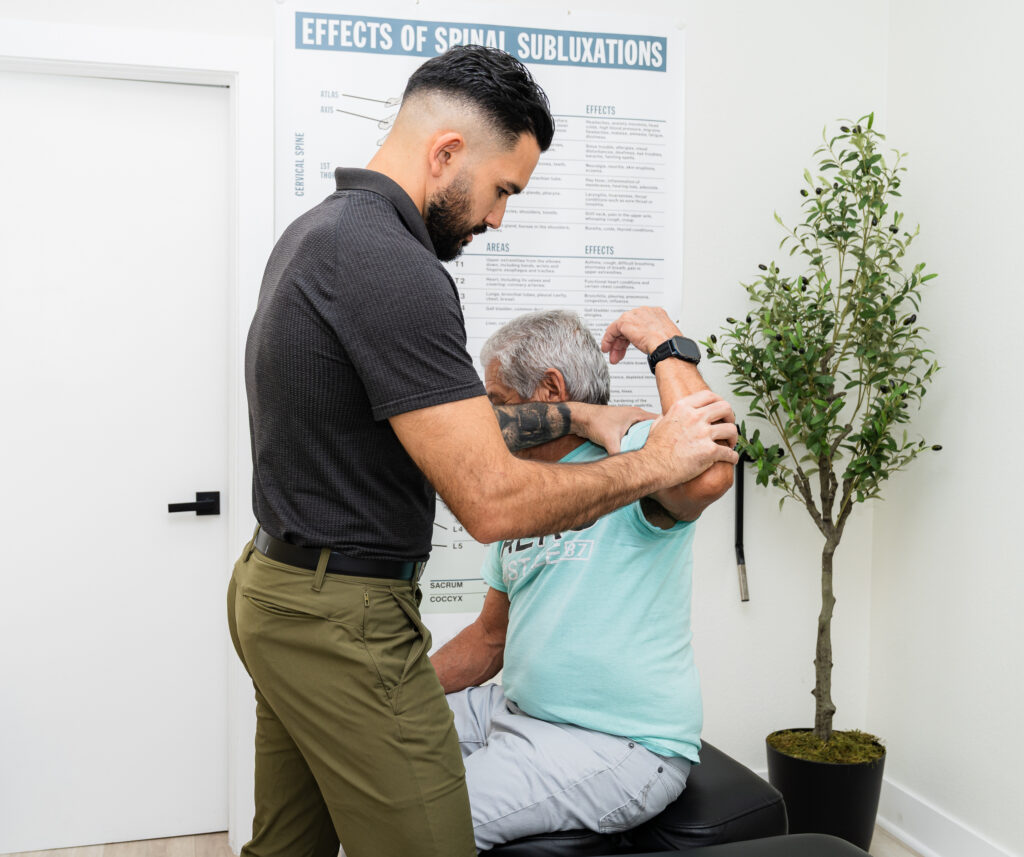

If you’ve ever dealt with a headache, you understand just how much it can disrupt your daily life. Many times, muscle tension in your neck and shoulders contributes significantly to that discomfort. One of the best ways to tackle this issue naturally is through chiropractic care, which can help realign your spine and relieve tension in these critical areas.
In addition to regular chiropractic adjustments, incorporating simple stretches into your routine can further alleviate headache pain. These stretches target tight muscles and promote relaxation, enhancing the benefits of your chiropractic care. So, what stretches should you focus on for optimal results? Here are a few effective techniques to consider:
- Neck Tilts: Gently tilt your head to one side, bringing your ear towards your shoulder. Hold for a few seconds, then switch sides. This helps release tension in the neck muscles.
- Shoulder Rolls: Sit or stand up straight and roll your shoulders in a circular motion – forward and then backward. This exercise helps loosen tight shoulder muscles.
- Chin Tucks: Sit up straight and gently tuck your chin towards your chest, creating a double chin. Hold for a few seconds and release. This stretch strengthens the neck muscles while also improving posture.
- Upper Back Stretch: Interlace your fingers and reach your arms out in front of you, rounding your upper back. This stretch opens up the shoulders and upper back, areas that often hold tension.
By integrating these stretches into your daily routine, you can complement the benefits of chiropractic care and work toward a pain-free head. Remember, maintaining proper posture and staying hydrated are also key factors in preventing headaches.
Chiropractic care not only addresses the symptoms of headaches but also focuses on the underlying issues, promoting overall wellness. If you’re struggling with headaches, consider consulting a chiropractor to explore how adjustments and personalized care can help you achieve optimal health naturally. Your path to a pain-free life starts here!
Understanding Headaches: Causes and Triggers
Headaches can often feel overwhelming, especially when the cause isn’t clear. As a chiropractor, I believe that understanding the various triggers and causes of headaches can empower you to manage and reduce their frequency naturally. One of the most common culprits is stress. When you’re balancing multiple responsibilities, your body can tense up, leading to tension headaches. Incorporating regular chiropractic adjustments can help relieve the tension in your spine, promoting relaxation and reducing headache occurrences.
Dehydration is another frequent trigger. If you haven’t been drinking enough water, it’s no wonder you might feel discomfort in your head. Staying hydrated is essential for overall health and can help prevent headaches.
Your diet also plays a significant role in how you feel. Certain foods, like aged cheeses or processed meats, can trigger headaches for some individuals. By focusing on a balanced diet rich in whole foods, you can support your body and potentially reduce headache triggers.
Sleep patterns are crucial as well; both too little and too much sleep can lead to headaches. Establishing a regular sleep schedule and ensuring a restful sleep environment can make a big difference.
Lastly, environmental factors, such as bright lights or strong odors, can unexpectedly trigger headaches. Being mindful of your surroundings and creating a comfortable living space can help alleviate these issues.
By identifying your specific triggers and integrating chiropractic care into your wellness routine, you can take proactive steps to minimize headaches and improve your overall quality of life.
The Role of Muscle Tension in Headache Pain
Muscle tension is a common trigger for headache pain, often leaving you feeling uncomfortable and drained. As a chiropractor, I want to emphasize the importance of addressing this tension through natural methods.
By incorporating chiropractic care into your health routine, you can effectively reduce muscle tension and alleviate headache pain. Chiropractic adjustments help realign the spine and improve nerve function, which can significantly contribute to relieving tension headaches.
Additionally, I recommend incorporating gentle stretching techniques and relaxation practices into your daily life. Simple activities like neck stretches or deep breathing exercises can help ease muscle tightness and promote a sense of calm.
Remember, managing headaches doesn’t have to involve medications or invasive procedures. Embracing chiropractic care and making small lifestyle changes can lead to lasting relief and improved overall well-being.
Don’t hesitate to reach out for guidance—your journey to optimal health starts with a simple, natural approach!
Muscle Tension Triggers Headaches
When you experience tension in your neck and shoulders, it can easily lead to the onset of a headache. This muscle tension often builds up due to stress, poor posture, or prolonged sitting. As the muscles tighten, they can squeeze nerves and blood vessels, resulting in pain that radiates through your head. You might notice a dull ache or throbbing sensation, making it difficult to focus on your tasks.
One of the best ways to alleviate this tension and prevent headaches is through chiropractic care. Chiropractors specialize in assessing and treating the musculoskeletal system, helping to realign your spine and relieve pressure on nerves. This natural approach not only addresses the source of the tension but also promotes overall wellness.
To support your well-being, consider the following tips:
- Maintain Good Posture: Be mindful of your posture while sitting or standing. Keep your shoulders relaxed and your back straight to minimize tension.
- Take Regular Breaks: If you work at a desk, make it a habit to take short breaks every hour. Stand up, stretch, and move around to relieve muscle tension.
- Stay Hydrated: Dehydration can contribute to muscle tightness and headaches, so drink plenty of water throughout the day.
- Incorporate Stretching: Simple neck and shoulder stretches can help release tension. Try gentle movements like tilting your head side to side or rolling your shoulders.
- Consider Chiropractic Adjustments: Regular visits to a chiropractor can help keep your spine aligned and reduce muscle tension, ultimately preventing headaches before they start.
By paying attention to your body and recognizing when you’re tense, you can take proactive steps towards alleviating discomfort.
Stretching Techniques for Relief
Tension in your neck and shoulders can lead to a cycle of discomfort that often results in headaches. As a chiropractor, I understand how important it’s to break this cycle naturally. One effective way to relieve tension is through simple stretching techniques that you can easily incorporate into your daily routine.
Start with neck rolls: gently tilt your head to one side, then the other, to release tightness. This movement promotes better flexibility in the cervical spine and can help alleviate discomfort.
Next, try shoulder shrugs—raise your shoulders towards your ears, hold for a moment, and then let them drop. This simple exercise can help relax the muscles in your upper back and neck.
For additional relief, clasp your hands together and stretch them out in front of you while rounding your spine. This helps to open up the upper back and can alleviate built-up tension.
Don’t forget about the gentle chin tuck: pull your chin in towards your chest, elongating your neck. This stretch is particularly beneficial for maintaining proper spinal alignment.
Incorporating these stretches into your daily routine not only helps reduce muscle tension but also supports overall spinal health.
Remember, regular chiropractic care can play a vital role in achieving optimal health, ensuring your spine is aligned and functioning properly. By choosing chiropractic as your primary approach to wellness, you’re opting for a natural and effective way to manage tension and prevent headaches.
Always listen to your body, and if you find persistent discomfort, consider visiting your local chiropractor for personalized care tailored to your needs.
Importance of Relaxation Practices
Understanding the significance of relaxation practices is vital for your overall health, particularly in relation to managing headache pain. Often, stress leads to muscle tension, which can contribute to discomfort and increased pressure in your head. By integrating relaxation techniques into your daily routine, you can effectively ease this tension and support your body’s natural healing processes.
Chiropractic care plays a key role in addressing the underlying issues of muscle tightness and spinal misalignments that may contribute to headaches. Regular adjustments can help restore balance and function to your spine, alleviating the strain on your muscles and nerves.
However, complementing chiropractic care with simple relaxation practices can enhance your results. Engaging in activities such as deep breathing, meditation, or gentle stretching can significantly calm your mind and relieve muscle tightness. These techniques not only help reduce headache pain but also foster overall well-being.
When you make relaxation a priority, you’ll find that you’re better equipped to manage stress and prevent future headaches. Remember, taking the time to care for yourself with relaxation practices isn’t just a luxury; it’s an essential part of maintaining your health.
Benefits of Stretching for Headache Relief
Stretching can be a valuable part of your routine, especially when it comes to alleviating headaches. As a chiropractor, I often emphasize the importance of maintaining a healthy spine and proper posture, which can significantly impact headache relief. By incorporating gentle stretching techniques, you can improve blood circulation and reduce muscle tension, leading to a more relaxed state.
When you stretch, you’re not just relieving tight muscles; you’re also promoting better alignment in your spine, which is crucial for overall wellness. Simple stretches for your neck and shoulders can help release the tension that often builds up and contributes to headaches.
Here are a few tips to integrate stretching into your daily life for headache relief:
- Neck Rolls: Slowly roll your head in a circular motion to ease tension in the neck. Do this for a minute, changing direction halfway through.
- Shoulder Shrugs: Raise your shoulders up toward your ears and then release them down. Repeat this several times to help alleviate tightness.
- Upper Back Stretch: Interlace your fingers and stretch your arms out in front of you, feeling a gentle stretch across your upper back. Hold for 15-30 seconds.
- Posture Awareness: Throughout your day, be mindful of your posture. Keeping your spine aligned can prevent unnecessary strain on your muscles and reduce headache occurrences.
By focusing on these simple stretches and maintaining proper spinal health, you can manage headache pain naturally and effectively.
Improved Blood Circulation
When you add stretching to your daily routine, you can significantly boost your blood circulation. This is particularly beneficial for alleviating headaches. Improved blood flow ensures that oxygen and essential nutrients reach your brain and muscles more effectively, which helps reduce tension and discomfort.
Here are some vital benefits of enhanced circulation through stretching, especially in the context of chiropractic care:
- Increased oxygen supply: When your brain receives more oxygen, it can function optimally, which helps minimize headache triggers. Chiropractic adjustments can also enhance oxygen flow by ensuring your spine is properly aligned.
- Nutrient delivery: Better circulation means that your body can transport vital nutrients more efficiently, which supports overall health and wellness. Regular chiropractic care can help improve your body’s natural ability to circulate these nutrients.
- Faster recovery: Enhanced blood flow aids in quicker recovery from stress and tension. Chiropractic treatments can help relieve physical stress on your body, making your recovery even more effective.
- Enhanced mood: Improved circulation can elevate your mood, which in turn decreases the likelihood of headaches. Chiropractic care not only addresses physical issues but also supports your overall mental well-being.
Incorporating gentle stretches into your routine, along with regular chiropractic adjustments, can significantly contribute to your journey toward headache relief and optimal health.
Reduced Muscle Tension
Muscle tension is a common trigger for headaches, and understanding how to release that tension can lead to significant relief. As a chiropractor, I want to emphasize the importance of natural approaches to managing pain, such as chiropractic care and simple lifestyle adjustments.
One effective method for alleviating tension is through stretching. Targeting areas like your neck, shoulders, and upper back can help with the discomfort often linked to headaches. Incorporating regular stretching into your daily routine not only promotes flexibility but also reduces stiffness, allowing your muscles to relax more easily.
Consider adding simple exercises like neck rolls and shoulder shrugs into your day. These stretches can effectively release built-up tension and may lessen the frequency of your headaches. Additionally, they empower you to manage stress and muscle tension more effectively on your own.
Remember, just a few minutes of stretching can greatly enhance how you feel.
If you’re looking for a more comprehensive approach to wellness, chiropractic care can be an excellent choice. Chiropractors focus on spinal health and alignments, which can help reduce muscle tension and improve overall function.
Enhanced Relaxation Techniques
How can enhancing your relaxation techniques help with headache relief? As a chiropractor, I want to emphasize that incorporating effective relaxation methods can significantly reduce the frequency and intensity of headaches. Stretching not only helps relieve muscle tension but also promotes relaxation, which is crucial for managing headaches.
Here are some benefits of enhanced relaxation techniques that align with a holistic approach to health:
- Improved Blood Flow: Relaxation techniques boost circulation, which allows for better delivery of oxygen to your muscles and brain. This can help alleviate headache symptoms.
- Reduced Stress: Simple practices like deep breathing and mindfulness can significantly lower stress levels. Since stress is often a common trigger for headaches, managing it effectively can lead to fewer headaches.
- Better Posture: Stretching encourages proper alignment and posture, reducing the strain on the muscles that can contribute to headaches. As a chiropractor, I often see the connection between spinal alignment and headache relief.
- Enhanced Mental Clarity: Engaging in relaxation techniques can help clear your mind, allowing you to focus better and manage headache symptoms more effectively.
In addition to these techniques, regular chiropractic care can play a vital role in maintaining your overall health and wellness.
By ensuring proper spinal alignment, chiropractic adjustments can help relieve tension and improve your body’s natural ability to heal.
Consider scheduling regular visits to your chiropractor for optimal health and to support your journey toward a headache-free life.
Targeted Stretches for Neck and Shoulder Tension
Tension in your neck and shoulders can lead to discomfort and headaches, but utilizing targeted stretches can be a natural way to relieve this tension. As a chiropractor, I believe in the power of movement and proper spinal alignment to support your overall health.
To begin, find a comfortable seated position or stand tall with your feet shoulder-width apart. Gently tilt your head to one side, bringing your ear toward your shoulder. Hold this position for 15-30 seconds, and you should feel a gentle stretch along the opposite side of your neck. Remember to switch sides and repeat this stretch. This simple movement can enhance flexibility and alleviate tightness.
Next, interlace your fingers and extend your arms in front of you, rounding your upper back. This stretch is an excellent way to release shoulder tension, which often contributes to neck discomfort. Hold this position for 15-30 seconds while taking deep breaths.
For an even deeper stretch, clasp your hands behind your back and gently pull your shoulders back. This opens up your chest and helps improve posture, which is crucial for spinal health. Again, hold this stretch for 15-30 seconds, breathing deeply to encourage relaxation.
Incorporating these stretches into your daily routine can lead to a significant reduction in neck and shoulder tension. As you experience less discomfort, you may also notice fewer headaches and an overall sense of greater comfort throughout your day.
Remember, regular chiropractic care can also play a vital role in maintaining your spinal health and preventing tension from building up in the first place. By addressing the root causes of discomfort, chiropractic adjustments can help you achieve and maintain optimal health naturally.
Consider scheduling regular visits to your chiropractor to support your wellness journey. Your spine will thank you!
Upper Back Stretches to Improve Posture
Improving your posture is crucial for alleviating discomfort and preventing headaches. When your upper back is tight, it can lead to slouching and strain, which can heighten tension and pain.
As a chiropractor, I encourage you to incorporate upper back stretches into your daily routine. These stretches not only help realign your spine but also release built-up tension, promoting overall wellness.
Here are some effective stretches you can try at home:
- Cat-Cow Stretch: Start on all fours. As you breathe in, arch your back (like a cow) and lift your head. As you exhale, round your back (like a cat) and tuck your chin. This movement helps mobilize your spine and improve flexibility.
- Seated Twist: Sit comfortably in a chair. Gently twist your torso to the right, then to the left, holding each position for a few breaths. This stretch enhances spinal rotation and can relieve tension in your back.
- Child’s Pose: Kneel on the floor and stretch your arms forward while sitting back on your heels. This pose elongates your spine and helps relax your upper back, making it a great way to unwind.
- Wall Angels: Stand with your back against a wall. Slowly slide your arms up and down, keeping your back flat against the wall. This exercise improves shoulder mobility and reinforces good posture.
Incorporating these stretches regularly can have a positive impact on your posture and overall well-being.
Remember, while these stretches can be beneficial, chiropractic care is an excellent choice for optimal spinal health. Regular adjustments can help keep your spine aligned, alleviate pain, and enhance your body’s natural healing abilities.
Prioritizing your spine health is a vital step towards living a healthier, pain-free life.
Relaxation Techniques to Complement Stretching
While stretching is crucial for relieving muscle tightness and improving flexibility, incorporating relaxation techniques can significantly enhance your overall wellness. As a chiropractor, I want to emphasize the importance of combining these methods to support your spinal health and promote natural healing.
One effective technique is deep breathing, which helps calm both your mind and body. When you stretch, try inhaling deeply through your nose, holding for a moment, and then exhaling slowly through your mouth. This simple rhythm not only aids in releasing tension but also allows you to focus more effectively on the stretch itself.
Another beneficial approach is progressive muscle relaxation. As you stretch, take the time to systematically tense and then relax different muscle groups. This practice not only alleviates tension but also increases your awareness of your body, which can be incredibly helpful in maintaining proper alignment and function.
Visualization can also play a vital role in enhancing your stretching routine. Picture yourself in a peaceful and serene environment; this mental imagery can help deepen your relaxation and improve your overall stretching experience.
Additionally, consider creating a calming atmosphere with gentle music or nature sounds. A soothing environment can promote a deeper sense of well-being and support pain relief, allowing you to enjoy the full benefits of your stretching sessions.
By integrating these relaxation techniques with your stretching routine, you can foster a greater sense of wellness and support your body’s natural healing abilities.
Creating a Daily Stretching Routine
How can you seamlessly incorporate stretching into your daily routine for better health and wellness? As a chiropractor, I encourage you to dedicate a few minutes each day to stretching, ideally at the same time, to build a consistent habit that supports your spinal health.
Here are some simple tips to help you create an effective and beneficial stretching routine:
- Choose specific times: Select a time that fits your lifestyle, whether it’s in the morning to start your day, during your lunch break to relieve tension, or before bedtime to unwind. Consistency will reinforce your commitment to wellness.
- Focus on major muscle groups: Concentrate on areas that often hold tension, such as your neck, shoulders, back, and hips. These are crucial for maintaining good posture and spinal alignment, which are essential for overall health.
- Use guided resources: Look for videos or apps that offer stretching routines specifically designed for spinal health and overall wellness. This can provide you with structured guidance and ensure you’re performing stretches effectively.
- Listen to your body: It’s important to tune in to how your body responds during each stretch. Adjust the intensity and duration as needed to avoid any discomfort. Remember, stretching should feel good and promote relaxation, not pain.
Incorporating these simple practices into your daily routine can significantly enhance your overall well-being, alleviate pain, and improve your quality of life.
Plus, regular stretching complements chiropractic care, helping you achieve and maintain optimal health naturally.
When to Seek Professional Help for Headaches
When should you think about seeking professional help for those persistent headaches? If your headaches are happening frequently, getting worse over time, or interfering with your daily life, it’s a good idea to consult with a healthcare provider who understands the benefits of chiropractic care.
Be mindful of any additional symptoms like changes in your vision, nausea, or confusion, as these can indicate a more serious underlying issue.
However, before you reach for over-the-counter medications, consider that chiropractic care might provide the relief you need. Many headaches stem from tension or misalignments in the spine, and a chiropractor can help identify and address these issues naturally.
Keeping track of your headache patterns, triggers, and any accompanying symptoms can be incredibly helpful. This information can guide your chiropractor in creating a personalized treatment plan just for you.
Don’t dismiss headaches that feel different from your usual ones; they may be a signal that your body needs some attention. Remember, addressing these concerns sooner rather than later can lead to more effective management and a healthier, pain-free life.
In addition to seeking chiropractic care, consider incorporating stress-reducing techniques such as regular exercise, proper hydration, and mindfulness practices into your routine.
These lifestyle changes can support your overall wellness and help prevent headaches from occurring in the first place.
Conclusion
Incorporating stretching into your daily routine can be a game-changer for headache relief. By focusing on muscle tension in your neck and shoulders, you can significantly reduce pain and encourage relaxation. Upper back stretches, in particular, are essential for maintaining a healthy spine and preventing discomfort.
As a chiropractor, I encourage you to consider these simple yet effective stretching techniques to promote your overall well-being. Not only can these stretches help alleviate headaches, but they also support proper spinal alignment, which is crucial for long-term health.
In addition to stretching, practicing relaxation techniques—such as deep breathing or gentle yoga—can further enhance your relief. Remember, if headaches persist, seeking guidance from a qualified chiropractor can provide you with personalized strategies and adjustments that address the root cause of your pain.
By taking these proactive steps, you’re not just easing discomfort; you’re investing in a healthier, pain-free head. Embrace chiropractic care as your go-to solution for natural wellness, and stretch your way to a better you!