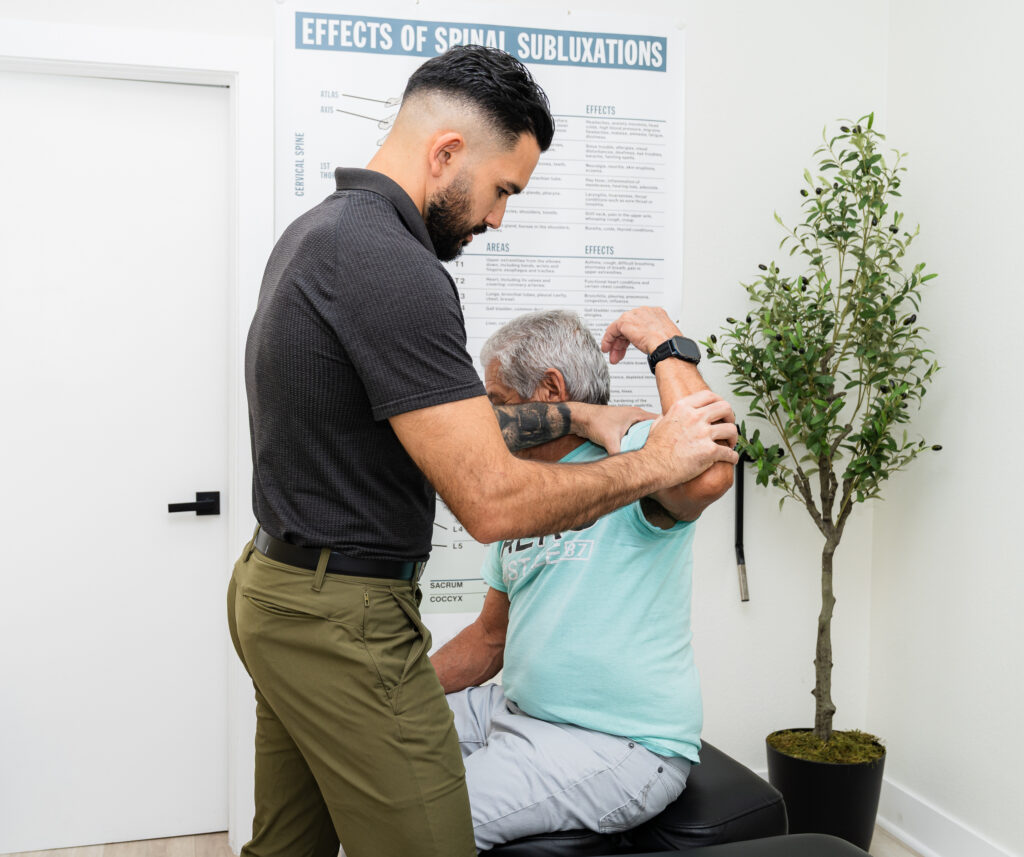

As a local chiropractor, I often see patients who are experiencing back pain due to poor posture, and I want you to know that you’re not alone in this struggle. Many individuals face similar challenges, especially in our modern work environment where prolonged sitting is common. The good news is that there are simple, effective strategies to help manage and alleviate this discomfort naturally.
By making small adjustments to your workspace and incorporating specific exercises into your daily routine, you can significantly improve your posture and reduce pain. As someone who is passionate about natural healing, I encourage you to explore these changes, as they can lead to a healthier, more comfortable lifestyle.
Are you curious about how to make these adjustments and what exercises can be beneficial? Let’s delve into some practical tips that could transform your daily routine and help you feel your best. Remember, your spine and overall well-being deserve attention and care!
Understanding the Importance of Good Posture
As your local chiropractor, I often see patients who don’t fully appreciate the significant role that good posture plays in their overall health, particularly when it comes to preventing back pain.
It might surprise you, but the way you sit, stand, and move can have a profound effect on your spine’s alignment and your overall well-being. Poor posture can create muscle imbalances that place undue strain on your back, leading to discomfort and pain. When you slouch or hunch over, your spine isn’t receiving the proper support it needs, which can result in tension and chronic pain.
To help you improve your posture, I encourage you to become more aware of your body alignment throughout the day. Make a conscious effort to keep your shoulders back, your head held high, and your core muscles engaged.
When sitting, ensure your feet are flat on the floor and your hips are at a 90-degree angle. It’s beneficial to regularly check in with yourself to correct any slumping or leaning you may notice.
By committing to maintaining good posture, you can significantly reduce your risk of developing chronic back pain and enhance your overall health.
Ergonomic Workstation Setup
As a local chiropractor, I want to emphasize the importance of creating an ergonomic workstation to help prevent back pain and enhance your overall productivity.
It’s essential to start by adjusting your chair correctly. Make sure your feet rest flat on the floor, and your knees are at hip level. Choose a chair that provides adequate support for your lower back, encouraging a natural curve in your spine.
Next, let’s talk about your computer screen. Position it at eye level, about an arm’s length away, to reduce strain on your neck.
When it comes to your keyboard, it should be set up so your elbows are close to your body, forming a 90-degree angle. This positioning will help maintain good posture and minimize discomfort.
I also recommend using a document holder for any papers you need to reference. Keeping documents at eye level helps to further reduce strain on your neck and back.
Additionally, ensure that frequently used items are within arm’s reach to prevent unnecessary stretching, which can lead to discomfort.
Lastly, proper lighting is key to reducing eye strain.
By incorporating these ergonomic principles into your workstation setup, not only can you alleviate back pain, but you’ll also create a more comfortable and efficient work environment.
Stretching and Strengthening Exercises
As a local chiropractor, I want to emphasize the importance of incorporating stretching and strengthening exercises into your daily routine to help alleviate back pain and promote overall well-being.
After you’ve set up your ergonomic workstation, consider adding some gentle stretches like the cat-cow or child’s pose. These movements are fantastic for increasing flexibility and relieving tension in your back. I recommend doing these stretches several times a day, especially after long periods of sitting.
In addition to stretching, it’s crucial to focus on strengthening your core and back muscles. Simple exercises like planks and bridges can significantly enhance your stability and provide essential support for your spine. You don’t need a gym membership; bodyweight exercises can be incredibly effective in building strength.
I encourage you to dedicate at least 15 minutes each day to these activities. Consistency is vital in achieving lasting results.
As your strength improves, you can gradually increase the intensity of your workouts. By integrating these exercises into your routine, not only will you promote better posture, but you’ll also reduce the risk of experiencing future back pain.
Mindfulness and Body Awareness
As a local chiropractor, I want to share how mindfulness and body awareness can significantly enhance your approach to managing back pain. By tuning into your body, you can catch tension and discomfort early, before they develop into more serious issues.
Mindfulness helps you become acutely aware of your posture throughout your day-to-day activities. You may find that you’re slouching or carrying stress in your back, and with that awareness, you can make immediate adjustments to improve your alignment.
Developing body awareness is vital for promoting better posture and movement patterns. When you practice mindfulness, you engage in your daily activities with intention, which can help minimize strain on your back.
Consider incorporating simple techniques such as deep breathing exercises or body scans into your routine. These methods will enhance your awareness of physical sensations, ultimately promoting relaxation and reducing tension.
Integrating mindfulness into your daily life empowers you to take charge of your back pain management. Not only will you find relief from discomfort, but you’ll also cultivate a healthier relationship with your body.
Seeking Professional Help
If you’re dealing with ongoing back pain, I encourage you to consider seeking professional help as a crucial step towards healing.
As a local chiropractor, I specialize in understanding the mechanics of the spine and how they relate to overall health. Your first step should be to consult with a healthcare provider, like myself, who can assess your condition and develop a personalized treatment plan tailored to your specific needs.
During our appointment, I welcome any questions you may have. Understanding the underlying causes of your pain is vital to your recovery, and I’m here to help you navigate that process.
I may recommend various chiropractic adjustments, exercises, and stretches designed to improve your posture and alleviate discomfort.
In addition to traditional chiropractic care, I also encourage exploring complementary therapies such as acupuncture or massage. These modalities can enhance your healing journey and provide additional relief.
Conclusion
As a local chiropractor, I want to share some important insights on how you can alleviate posture-related back pain. By prioritizing good posture and making simple adjustments in your workspace, you can significantly reduce discomfort. It’s also essential to incorporate stretching and strengthening exercises into your daily routine and remain mindful of your posture throughout the day.
Taking regular breaks to move around and practicing deep breathing techniques can be incredibly beneficial in relieving tension. If you find that your pain persists, I encourage you to seek professional help. Chiropractic care offers personalized advice and treatment options tailored to your needs. With these strategies in place, you’ll be well on your way to achieving a healthier, pain-free back!