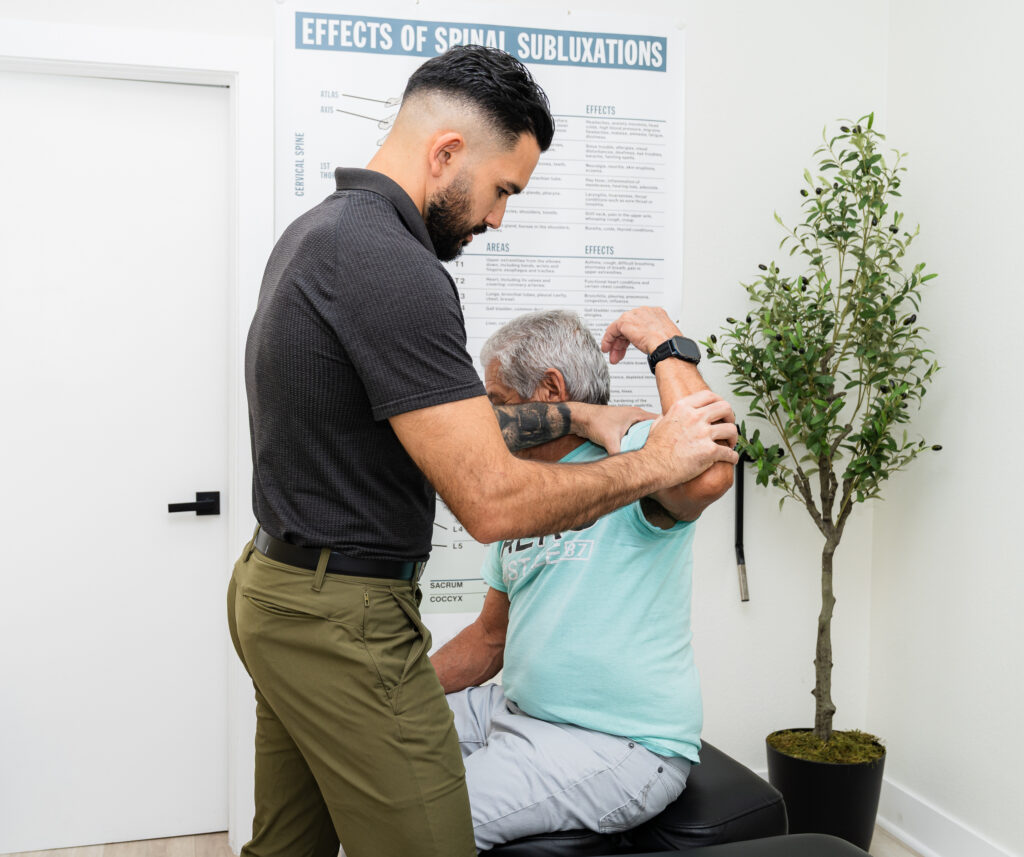

As a local chiropractor, I understand how frustrating back pain can be, as it can significantly impact your daily activities. The good news is that you can implement simple lifestyle changes to help alleviate this discomfort and reduce your risk of future issues. First and foremost, let’s talk about posture. Evaluating and improving your posture, especially in your workspace, can create a much more supportive and comfortable environment for your spine.
In addition to posture, I highly recommend incorporating regular stretching into your routine. Stretching helps to maintain flexibility and can relieve tension in the muscles surrounding your spine. Strengthening your core muscles is equally important, as a strong core provides stability and support for your back.
But these are just a few strategies. As we delve deeper into the world of natural healing, you’ll discover various other methods that can further enhance your well-being. Together, we can explore these options and find a holistic approach that works best for you. Remember, taking proactive steps towards a healthier lifestyle can lead to significant improvements in your back health.
Evaluate Your Posture
As a local chiropractor, I often see how our daily habits can lead to back pain and discomfort. One of the first steps in improving your well-being is to evaluate your posture. I encourage you to stand in front of a mirror and take a close look at your alignment. Are your shoulders rounded or is your head pushed forward? These common misalignments can gradually put a strain on your back muscles and lead to pain over time.
It’s also important to consider how you sit throughout the day. If you find yourself hunched over your computer or lounging on the couch, you’re likely placing unnecessary stress on your spine. I recommend making a conscious effort to sit and stand tall, keeping your spine aligned and your shoulders relaxed.
When you sit, ensure your feet are flat on the floor and your knees form a right angle. Small adjustments can go a long way; for instance, raising your computer monitor to eye level can help maintain proper posture.
By becoming more aware of your posture and making these simple changes, you can significantly reduce your risk of back pain and enhance your overall well-being. Remember, taking care of your spine is essential not just for comfort, but for your health as a whole.
If you need further guidance, I’m here to help you on your journey to better posture and pain relief.
Incorporate Regular Stretching
As a local chiropractor, I want to emphasize the importance of not just maintaining good posture but also incorporating regular stretching into your daily routine to prevent back pain. Stretching is a vital component of your overall wellness; it enhances flexibility and promotes blood flow to your muscles, which can significantly reduce tension and stiffness.
I recommend setting aside a few minutes each day to engage in simple stretches that target your back, hips, and legs. For example, stretches like the cat-cow, child’s pose, or seated forward bend can be particularly beneficial. These movements help to elongate tight muscles and alleviate discomfort.
If you find yourself sitting for extended periods, it’s crucial to take breaks—aim to stand up and stretch every hour to keep your body limber.
It’s also important to listen to your body during stretching. If something feels uncomfortable, don’t force it; instead, ease into the stretch gradually. This approach will help you avoid injury and make stretching a sustainable part of your daily routine.
By prioritizing regular stretching, you can enhance your overall mobility and significantly reduce your risk of developing back pain, enabling you to lead a more active and fulfilling life.
Strengthen Core Muscles
As your local chiropractor, I want to emphasize the importance of strengthening your core muscles for a healthy spine and overall well-being. A strong core provides essential support for your back, helping to maintain stability and prevent discomfort or pain.
When your core is well-developed, it not only aids in keeping your spine aligned but also enhances your posture, which is crucial for your daily activities.
Let’s delve into some effective exercises that can help you build core strength. Incorporating these movements into your routine can significantly contribute to your spinal health and improve your quality of life.
Importance of Core Stability
As a local chiropractor, I want to emphasize the significance of a strong core in maintaining a healthy spine and preventing discomfort. Core stability is crucial for supporting your spine and promoting proper posture, which can significantly lower your risk of injury.
Here are a few important reasons why core stability is vital for your overall health:
- Improved Posture: A stable core aids in keeping your body aligned, which reduces strain on your back and helps prevent pain.
- Enhanced Balance: Strengthening your core improves your balance, which is essential for minimizing the risk of falls and related injuries, especially as we age.
- Injury Prevention: A robust core acts as a protective barrier for your spine during physical activities, significantly decreasing the chances of strains or sprains.
- Better Performance: Whether you’re engaging in exercise or simply going about your daily tasks, core stability can enhance your overall strength and efficiency, making everything you do easier.
By focusing on core stability, you can pave the way for a healthier back and a more active lifestyle.
In my practice, I encourage patients to incorporate exercises that strengthen their core, as this can complement the benefits of chiropractic care and foster natural healing.
Effective Core Exercises
As a chiropractor dedicated to your overall health and well-being, I want to emphasize the importance of a strong core in supporting your spine. Incorporating specific exercises into your routine can make a significant difference in your back health.
Let’s start with planks. This exercise engages multiple core muscles and is excellent for improving stability. I recommend starting with 30 seconds and gradually increasing your hold time as you build strength.
Next, consider doing bridges. Simply lie on your back with your knees bent, and lift your hips toward the ceiling. This movement not only strengthens your lower back but also targets your glutes, which are crucial for maintaining proper posture and spinal alignment.
Bicycle crunches are another fantastic exercise. While lying on your back, pedal your legs in the air and bring your opposite elbow to your knee. This exercise effectively works your abdominal muscles and obliques, promoting overall core strength.
Additionally, incorporating practices like yoga or Pilates can greatly enhance your flexibility and core strength. These disciplines focus on controlled movements and breathing, which can support your chiropractic care and lead to better spinal health.
Consistency is key! I encourage you to dedicate at least 15 minutes a few times a week to these core exercises. Doing so won’t only improve your core strength but also have a positive impact on your back health and overall well-being.
Adjust Your Workspace Ergonomics
As a local chiropractor dedicated to your well-being, I want to emphasize the importance of proper workspace ergonomics, especially if you find yourself spending long hours at a desk.
Making a few simple adjustments can significantly reduce your risk of developing back pain and other discomforts. Here are four key changes you can implement:
- Chair Height: It’s essential to set your chair at a height where your feet can rest flat on the floor and your knees form a 90-degree angle. This positioning helps to maintain proper alignment in your spine and can alleviate unnecessary strain.
- Monitor Position: To prevent neck strain, adjust your monitor to eye level and ensure it’s about an arm’s length away from you. This setup promotes good posture and reduces the tendency to hunch or lean forward.
- Keyboard and Mouse: Your keyboard and mouse should be positioned close enough so that you can use them comfortably with relaxed shoulders and your elbows bent at 90 degrees. This will help minimize tension in your upper body and reduce the risk of repetitive strain injuries.
- Lumbar Support: A chair with adequate lumbar support is crucial for maintaining the natural curve of your lower back. If your chair lacks this feature, consider using a cushion to provide the support your spine needs.
By making these ergonomic adjustments, you can take proactive steps towards a healthier workspace and ultimately improve your overall spinal health.
Use Proper Lifting Techniques
As a local chiropractor, I want to share some important tips on how to lift heavy objects safely to protect your back.
It’s crucial to use proper lifting techniques to prevent injuries and maintain your spinal health. Always bend at your knees instead of your waist, and keep the load as close to your body as possible. This minimizes strain on your back.
Additionally, be mindful to avoid twisting your body while lifting; instead, pivot your feet to turn. By following these simple yet effective steps, you can significantly reduce the risk of back pain and support your overall well-being.
Bend at Knees
As a local chiropractor, I want to share with you an essential technique for lifting that can significantly decrease your chances of experiencing back pain.
Understanding how to properly lift objects is crucial for maintaining spinal health. One of the most effective approaches is to bend at your knees instead of your waist.
Here’s how to do it correctly:
- Position yourself close to the object you intend to lift, ensuring your feet are shoulder-width apart for stability.
- Bend at your knees, allowing your legs to do the work. This technique helps keep your back straight and properly aligned, reducing strain on your spine.
- Firmly grip the object with both hands, ensuring that you have a secure hold before attempting to lift.
- Lift with your legs by pushing through your heels. Straighten your knees while maintaining a straight back to protect your spine from injury.
By practicing this technique, you’ll not only enhance your lifting skills but also promote a healthier back, which is vital for overall well-being.
Keep Load Close
As a local chiropractor dedicated to your well-being, I want to share some important lifting techniques that can significantly impact your spinal health.
One key principle to remember is the importance of keeping the load close to your body. When you lift items near your center of gravity, you not only ease the strain on your back but also enhance your overall lifting efficiency.
As you prepare to lift, draw the object in snugly against your abdomen. This technique helps to evenly distribute the weight and significantly reduces the risk of injury.
If you ever feel that the load is too heavy to manage alone, please don’t hesitate to ask for assistance or consider using tools like dollies or lifting straps.
Your spine is crucial for supporting your entire body, and maintaining its health is essential. By practicing proper lifting techniques and keeping loads close, you not only protect your back but also improve your overall lifting posture.
Always prioritize safety in every lift, and remember that your spine deserves the utmost care. If you have any questions about how to protect your back or improve your lifting techniques, feel free to reach out!
Avoid Twisting Movements
As a local chiropractor, I want to share some important tips to help you prevent back pain, especially when lifting objects. One of the most crucial things to remember is to avoid twisting movements. Twisting your body while lifting can put immense strain on your spine and increase your risk of injury.
Here are some effective lifting techniques that I recommend:
- Face the Object: Always position yourself directly in front of the item you’re planning to lift. This helps maintain proper alignment.
- Bend Your Knees: When you need to pick something up, squat down by bending your knees rather than bending at your waist. This technique protects your back and engages your stronger leg muscles.
- Use Your Legs: As you lift, focus on using the strength of your legs while keeping your back straight. This will help distribute the weight evenly and reduce stress on your spine.
- Turn Your Feet: If you need to change direction while carrying something, pivot on your feet instead of twisting your torso. This simple adjustment can make a significant difference in preventing injury.
By following these guidelines, you can promote better spinal health and reduce the risk of back pain.
Stay Hydrated
As a local chiropractor, I want to emphasize the importance of staying hydrated for your overall spinal health. Proper hydration is crucial for the discs that cushion your vertebrae. These discs need sufficient water to maintain their elasticity and shock-absorbing capabilities.
When you’re not drinking enough water, these discs can become less effective, which can lead to increased stress on your spine and discomfort.
I encourage you to make it a habit to drink plenty of water throughout the day. Hydration isn’t just about satisfying your thirst; it’s essential for keeping your spinal structures well-hydrated and functioning optimally.
A handy tip is to carry a water bottle with you and set reminders to drink if you tend to forget.
Additionally, don’t overlook the benefits of hydrating foods like fruits and vegetables in your diet. These not only enhance your fluid intake but also provide vital nutrients that support your overall health.
Maintain a Healthy Weight
As your local chiropractor, I want to emphasize the importance of maintaining a healthy weight for your overall well-being, particularly when it comes to preventing back pain. Excess weight can place extra strain on your spine, leading to discomfort and potential long-term issues.
By prioritizing proper nutrition and engaging in regular exercise, you can’t only support your back health but also effectively manage your weight.
Understanding how these elements work together is crucial. A well-balanced diet helps provide the nutrients your body needs to maintain strong muscles and healthy bones, which are vital for a resilient spine.
Meanwhile, regular physical activity strengthens your core and back muscles, enhancing your posture and reducing the risk of injury.
Incorporating these practices into your daily routine can lead to a stronger, healthier back and improve your quality of life.
If you have any questions about how to get started or how chiropractic care can further support your journey towards optimal health, please don’t hesitate to reach out. I’m here to help you every step of the way!
Importance of Healthy Weight
As a local chiropractor, I want to share with you the significant impact that maintaining a healthy weight can have on your spinal health and overall well-being. Many patients I see struggle with back pain, and one of the key factors contributing to this discomfort is excess weight.
Here’s why it’s crucial to prioritize a healthy weight in your wellness journey:
- Reduces Pressure on the Spine: Carrying less weight alleviates the strain on your spine and the surrounding muscles. This can help reduce pain and improve your overall comfort.
- Enhances Mobility: When you maintain a healthy weight, you can move more freely. This flexibility encourages you to engage in physical activities, which are essential for spinal health and overall fitness.
- Improves Posture: Excess weight often leads to poor posture, which can exacerbate back pain. By achieving a healthier weight, you can support better posture and reduce the risk of discomfort.
- Boosts Confidence: Reaching a healthy weight can greatly enhance your self-esteem. When you feel good about your body, it motivates you to stay active, which is vital for maintaining a healthy spine.
As you consider your weight and its impact on your health, remember that our chiropractic care can support you in achieving a balanced lifestyle.
Together, we can work towards a healthier you!
Nutrition for Back Health
As your local chiropractor, I want to emphasize how crucial nutrition is for maintaining back health. What you eat plays a significant role in keeping your body in balance and managing your weight, which directly impacts your spinal health.
I encourage you to focus on a balanced diet that’s rich in whole foods—this means incorporating plenty of fruits, vegetables, lean proteins, and whole grains into your meals. These nutrient-dense foods not only support your overall health but also help to reduce inflammation and maintain a healthy weight.
It’s important to be mindful of processed foods, added sugars, and unhealthy fats, as these can lead to weight gain and increased inflammation in your body. Staying hydrated is just as vital; make sure to drink plenty of water throughout the day to support your body’s functions.
Additionally, paying attention to portion sizes and practicing mindful eating can help you avoid overeating and support your weight management efforts.
By making these thoughtful nutrition choices, you not only promote your back health but also enhance your overall well-being. Remember, every meal is an opportunity to nourish your body and support your spine.
If you have any questions about how nutrition can impact your chiropractic care, feel free to reach out!
Exercise and Weight Management
As your local chiropractor, I want to emphasize the vital connection between nutrition, exercise, and back health in achieving effective weight management. Maintaining a healthy weight is crucial as it helps alleviate stress on your spine, reducing pain and discomfort that many experience.
Here are some practical strategies you can incorporate into your daily routine to support your back health:
- Engage in Strength Training: Incorporating exercises that focus on strengthening your core, back, and legs is essential. These muscle groups provide vital support for your spine, helping to prevent injuries and improve posture.
- Stay Active Daily: Aim for a minimum of 30 minutes of moderate activity most days of the week. Activities such as walking, cycling, or swimming not only promote overall fitness but also enhance the health of your spine.
- Incorporate Stretching: Regular stretching is a key component in maintaining flexibility and reducing muscle tension. This practice can significantly alleviate back pain and improve your range of motion.
- Set Realistic Goals: It’s important to focus on making gradual, sustainable changes to your exercise routine and weight management efforts. Remember, consistency is far more beneficial than striving for perfection.
By implementing these strategies, you can take proactive steps towards better back health and effective weight management.
If you have any questions about how chiropractic care can assist you in this journey, please feel free to ask!
Invest in Quality Footwear
As a local chiropractor, I want to emphasize the importance of investing in quality footwear, not just for style, but for your overall health—especially your back health.
The right shoes play a crucial role in providing the support and cushioning your feet need to maintain proper alignment as you walk or stand. Poor-quality footwear can lead to discomfort and strain, which may contribute to back pain over time.
When selecting shoes, look for those with excellent arch support and shock absorption. It doesn’t matter if you prefer sneakers, sandals, or dress shoes; what’s important is that they fit well and allow your feet to move naturally.
I also recommend avoiding high heels and overly flat shoes, as these can disrupt your posture and increase your risk of injury.
By making informed choices about your footwear, you can help protect your spine and promote better overall health.
Engage in Regular Physical Activity
As a local chiropractor, I want to emphasize the importance of regular physical activity in maintaining a healthy back and preventing pain. Movement isn’t just about exercise; it’s a vital part of your daily routine that can significantly impact your overall well-being.
When you engage in physical activity, you strengthen your muscles, improve flexibility, and support your spine. Here are some activities I recommend for promoting back health:
- Walking: This is one of the easiest and most effective forms of exercise you can do. Aim for at least 30 minutes most days of the week. Walking helps to keep your back active and can be easily incorporated into your day.
- Stretching: Regularly incorporating stretches into your routine can be incredibly beneficial. Focus on stretches that target your back, hips, and legs to enhance flexibility and alleviate tension.
- Strength Training: It’s crucial to build a strong core, which acts as a support system for your spine. Exercises like planks and bridges are excellent for developing stability and strength in that area.
- Yoga or Pilates: These practices not only enhance body awareness but also improve balance and strength. Engaging in yoga or Pilates can be a wonderful way to contribute to your back health while also promoting relaxation and mindfulness.
By integrating these activities into your lifestyle, you’ll be taking proactive steps toward a healthier back.
Prioritize Sleep Quality
As a local chiropractor, I want to emphasize the importance of prioritizing sleep quality for not just your back health, but your overall well-being. Many people may not realize that a restful night’s sleep is crucial for allowing your body to repair itself. Quality sleep can significantly reduce muscle tension and inflammation, which are common contributors to back pain.
To enhance your sleep quality, start by creating a peaceful environment in your bedroom. Aim for a cool, dark, and quiet space where you can unwind. Consider investing in a supportive mattress and pillows that align your spine properly, as these can make a world of difference in how you feel when you wake up.
Establishing a consistent sleep schedule is another key factor. Try to go to bed and wake up at the same time every day. This helps regulate your body’s internal clock.
Also, be mindful of your screen time before bed; the blue light emitted by devices can disrupt your sleep cycle. Instead, engage in relaxing activities such as reading a book or practicing gentle stretches to wind down.
Additionally, pay close attention to your sleep position. Ideally, sleeping on your back or side with the right support can maintain proper spinal alignment.
Conclusion
As a local chiropractor, I want to share some simple lifestyle changes that can significantly reduce your risk of back pain and enhance your overall well-being. First and foremost, let’s talk about posture. Regularly evaluating and correcting your posture is essential in preventing strain on your back. Additionally, incorporating stretches and core-strengthening exercises into your routine can provide support to your spine and improve your flexibility.
It’s also crucial to create an ergonomic workspace. Adjusting your desk, chair, and computer setup can make a world of difference in your comfort and health. When lifting objects, always remember to use proper techniques to protect your back. Maintaining a healthy weight is another key factor; excess weight can put extra strain on your spine.
Investing in good footwear is often overlooked but can greatly impact your back health. Shoes that provide proper support can make a difference in how your body aligns throughout the day. Staying active is vital—regular exercise keeps your muscles strong and your joints flexible. Lastly, don’t underestimate the power of quality sleep; a good night’s rest is essential for recovery and can help alleviate back pain.
By taking these steps, you can pave the way to a healthier, pain-free life. If you have any questions or need guidance on how to implement these changes, don’t hesitate to reach out. Your journey to a healthier back starts today!