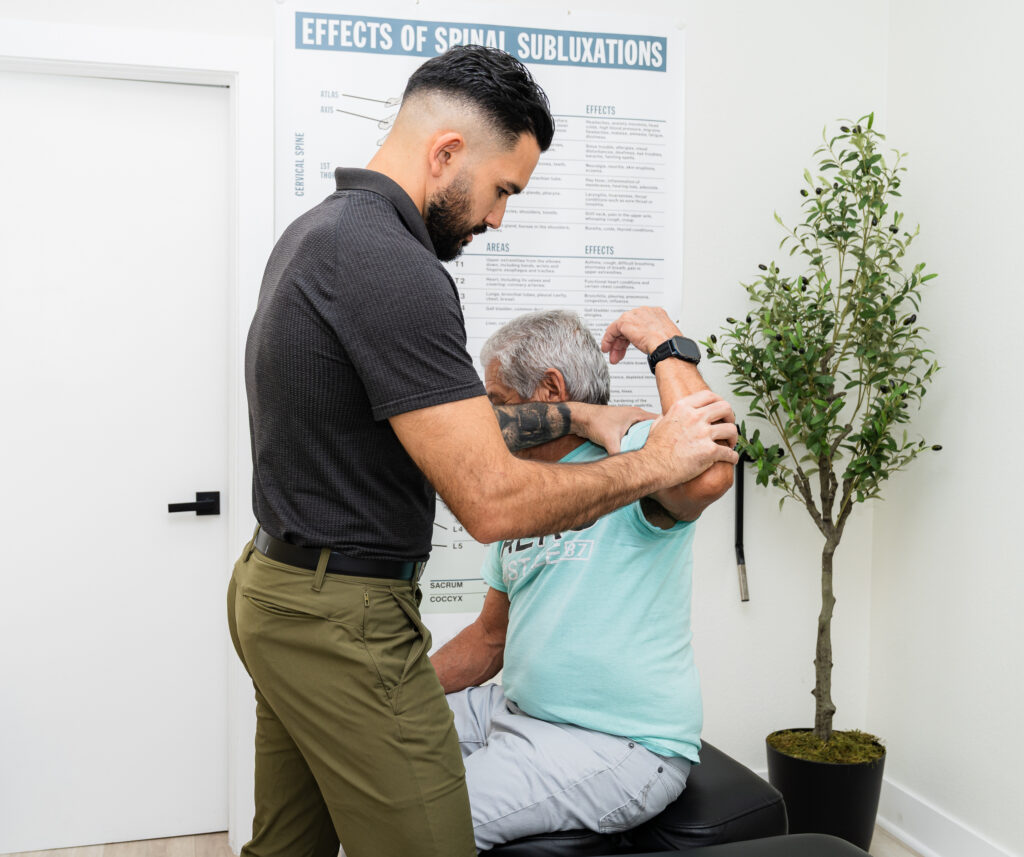

As a local chiropractor, my priority is always the safety and comfort of your little ones when it comes to their health and well-being. Treating infants and toddlers requires gentle and age-appropriate techniques, especially when managing common ailments like fever and coughs. Chiropractic care can play a crucial role in supporting your child's overall health, and understanding when to consult with a pediatrician and how to safely incorporate natural healing methods is essential.
You may find that gentle adjustments and holistic approaches can help alleviate discomfort and promote healing in your child. It's important to explore various comforting techniques, such as proper positioning or gentle stretches, which can provide relief. Additionally, learning about essential first aid strategies can empower you as a parent to foster a healing environment at home.
When faced with a health concern, consider the following steps:
- Assess your child's symptoms and observe their behavior for any changes.
- Consult with your pediatrician to rule out any serious conditions.
- Explore chiropractic options that may address underlying issues contributing to discomfort.
- Implement gentle home remedies and comforting techniques to help ease your child's symptoms.
By integrating chiropractic care and natural healing into your approach, you can help ensure that your little one feels better quickly and safely.
Understanding Common Ailments
As a local chiropractor, I understand how concerning it can be when your little one starts showing signs of discomfort. It's crucial to recognize common ailments that may be affecting them, as this can guide you toward natural healing methods. Infants and toddlers often face issues such as colds, teething pain, and ear infections, each presenting with distinct symptoms.
For example, if your baby has a runny nose, cough, or mild fever, it may indicate a cold. Keep an eye on their appetite and energy levels; a cold can lead to increased irritability and sleepiness. Chiropractic care can help support their immune system during this time, promoting quicker recovery and overall well-being.
Teething can also be a challenging phase, causing fussiness, drooling, and swollen gums. You might notice your little one chewing on toys or fingers more frequently as they seek relief. Gentle chiropractic adjustments can help ease the discomfort associated with teething by aligning the spine and reducing nerve interference, which may provide them with much-needed relief.
Ear infections are another common concern that may manifest as fussiness, tugging at the ears, and sometimes fever. If your child appears particularly upset and struggles to sleep, an ear infection might be to blame. Chiropractic care has been shown to help alleviate ear infections by promoting proper drainage and function of the Eustachian tubes through spinal adjustments.
Moreover, gastrointestinal issues like gas or constipation can also cause distress in your little one. If your toddler seems uncomfortable and is crying more than usual, consider their diet and hydration, as well as the possibility of spinal misalignments affecting their digestive health. Chiropractic adjustments can help restore balance to their nervous system, promoting better digestion and comfort.
Understanding these common ailments and exploring chiropractic care can empower you to provide the comfort and natural healing your little one needs. Trust your instincts; if something feels off, don't hesitate to reach out to your chiropractor or pediatrician for guidance.
Together, we can support your child's health and help them recover quickly so they can feel better soon.
Safe Fever Management
As a local chiropractor, I want to share some insights on managing your child's fever safely and effectively.
It's crucial to understand the appropriate medication dosage for your little one, as this plays a significant role in their well-being. Additionally, there are various natural home remedies that can help reduce fever without relying solely on medication.
Chiropractic care emphasizes the body's innate ability to heal itself, and there are gentle techniques we can use to support your child's overall health during a fever.
By focusing on natural healing methods, we can help make your child more comfortable while their body fights off illness.
Let's discuss some effective strategies for managing fever that prioritize your child's safety and comfort.
Appropriate Medication Dosage
Managing a child's fever can be a source of anxiety for many parents, but understanding appropriate medication dosages is crucial for their safety and well-being. As a local chiropractor, I believe in the importance of a holistic approach to health, including natural healing methods. Here are some guidelines to consider when addressing your child's fever:
1. Weight-Based Dosage: It's vital to consider your child's weight when determining the dosage of any medication. Most pediatric medications come with dosage instructions based on weight, so it's best to weigh your child for an accurate measurement.
However, I encourage you to also explore natural remedies that can help support your child's immune system.
2. Age Considerations: For infants and toddlers, age plays a significant role in any treatment approach. Infants under three months should be evaluated by a healthcare professional before receiving any fever-reducing medication, as their systems are particularly sensitive.
In my practice, I often suggest natural methods of care that can ease discomfort without the use of medication.
3. Consult Your Healthcare Provider: If you're uncertain about the correct dosage or the best approach for managing fever, please reach out to your pediatrician or a healthcare professional. They can provide tailored recommendations that align with your child's unique health needs.
Additionally, I'm here to support you with natural healing techniques that may promote your child's overall wellness.
Always remember that your child's health is paramount, and taking a comprehensive approach can lead to better outcomes.
Natural Home Remedies
As a local Chiropractor, I want to share some insights on managing your child's fever through natural home remedies, which can be a safe complement to traditional medication. Many parents are understandably concerned about fever and seek effective ways to help their little ones feel better.
First and foremost, hydration is key. Ensuring your child drinks plenty of fluids—like water or diluted fruit juices—can help prevent dehydration, which is crucial when they're running a fever.
Another gentle method to consider is a lukewarm sponge bath. This approach can help lower your child's body temperature without the risk of shivering, which could potentially elevate their temperature further. Just be mindful to avoid water that's too cold, as this could have the opposite effect.
You might also find that applying a cool compress to your child's forehead offers comfort and can assist in reducing fever. Dressing your child in light, breathable clothing can also facilitate better temperature regulation, allowing them to cool down more effectively.
Don't underestimate the importance of rest; sleep is a vital component in allowing the body to heal and fight off the underlying cause of the fever.
As always, it's essential to consult with your pediatrician before trying any home remedies, especially if the fever persists or worsens. This ensures that the natural methods you choose are safe and appropriate for your child's situation.
Embracing natural healing practices can be a wonderful way to support your child's health, and I'm here to guide you in exploring these options.
Treating Coughs and Colds
As a local chiropractor, I often encounter parents who are anxious about their infants and toddlers dealing with coughs and colds. It's completely understandable to feel concerned, but I want to share some natural and effective techniques to help ease your child's discomfort during these times.
- Stay Hydrated: Ensuring your child stays well-hydrated is crucial. Encourage them to drink plenty of fluids, such as water, breast milk, or diluted juice. Hydration helps to thin mucus, making it easier for your child to breathe and recover.
- Use a Humidifier: Consider placing a cool-mist humidifier in your child's room. This can significantly help alleviate congestion and soothe irritated airways. Just remember to clean the humidifier regularly to prevent mold, as a clean environment is essential for your child's health.
- Elevate the Head: When your little one is sleeping, slightly elevating their head can aid in reducing nasal congestion. You can do this by placing a small pillow under their mattress or using a wedge pillow. This simple adjustment can promote better airflow and comfort.
As a chiropractor, I believe in the power of natural healing methods. It's important to consult with your pediatrician before giving any over-the-counter medications, especially since many aren't recommended for young children.
Instead, focus on these comfort measures and keep an eye on your child's symptoms. If you notice a persistent cough, a high fever, or any difficulty in breathing, don't hesitate to reach out for medical advice.
By incorporating these strategies, you can help your little one feel more comfortable and recover more quickly from a cough or cold. This not only leads to peaceful nights but also happier days for both you and your child.
First Aid for Minor Injuries
As a local chiropractor, I understand that minor injuries can happen to anyone, especially to children, and knowing how to respond effectively is crucial. When your child experiences a scrape, cut, or bump, your calm demeanor can greatly influence their sense of safety and reassurance.
For cuts and scrapes, it's essential to gently cleanse the area with soap and water to remove any dirt. Pat the area dry with a clean cloth, and once it's clean, applying a small amount of antibiotic ointment followed by a bandage is advisable. Ensure the bandage isn't wrapped too tightly to maintain proper circulation, which is vital for healing.
In cases of bruises or bumps, I recommend using a cold compress wrapped in a cloth for about 15 minutes. This can help reduce swelling and alleviate pain. Additionally, monitor your child for any changes in behavior or signs of unusual drowsiness, as these can be indicators that further attention may be needed.
For minor burns, it's best to run cool (not cold) water over the affected area for approximately 10 minutes. Avoid using ice, as it can cause more harm than good to the skin. Cover the burn with a non-stick bandage, and if blisters form, resist the urge to pop them to prevent the risk of infection.
Lastly, I encourage all families to maintain a well-stocked first aid kit at home. This preparation allows you to handle those little accidents effectively.
As a chiropractor, I believe in the power of natural healing and prompt responses to minor injuries, which can help your child recover swiftly and feel secure during their healing process.
Recognizing Allergic Reactions
As a local chiropractor dedicated to holistic health, I understand that allergies can catch even the youngest children off guard. Recognizing the signs of allergic reactions early is crucial for their safety and overall well-being.
As caregivers, being aware of what to look for empowers you to respond swiftly and effectively. Allergic reactions can range from mild to severe, so maintaining vigilance about any changes in your child's behavior or physical condition is essential.
Here are three common signs of allergic reactions in infants and toddlers that I encourage you to monitor closely:
- Skin Reactions: Look out for hives, redness, or swelling, particularly around the face or mouth. These symptoms may indicate an allergic response to food or environmental factors. Chiropractic care can support the body's overall health and may help reduce the intensity of such reactions.
- Respiratory Issues: If your child begins to cough, wheeze, or struggles with breathing, it could signal a serious allergic reaction. Be attentive to any sudden changes in their breathing patterns. Chiropractic adjustments can sometimes relieve tension in the body, which may support better respiratory function.
- Gastrointestinal Distress: Symptoms like vomiting, diarrhea, or stomach cramps might also suggest an allergic reaction, particularly related to food. Observing your child's behavior after introducing new foods can provide valuable insights. Chiropractic care focuses on enhancing digestive health, potentially minimizing gastrointestinal issues.
If you notice any of these signs, it's important to act quickly. Remove the allergen if possible and seek medical help if symptoms escalate or if your child shows signs of anaphylaxis, such as throat swelling or loss of consciousness.
By remaining alert and recognizing these signs, you can help ensure your child's safety and well-being. Incorporating chiropractic care into your family's health routine may provide additional support in managing allergies and enhancing overall wellness.
Your responsiveness and proactive approach can make a significant difference in effectively navigating allergic reactions.
Hydration and Nutrition Tips
As a local chiropractor, I understand that your child's hydration and nutrition are vital components of their overall health and development. Ensuring that your little one stays hydrated is crucial, particularly because infants and toddlers can lose fluids quickly. It's important to offer water regularly throughout the day, especially if your child is active or it's a hot day.
For babies under six months, breast milk or formula provides sufficient hydration, so additional water isn't necessary at that early stage.
When considering nutrition, aim for a balanced diet that includes an array of fruits, vegetables, whole grains, and proteins. Introducing a variety of foods can help your child experience different tastes and textures, which can prevent picky eating later on and ensure they receive essential nutrients for growth.
Strive for colorful plates; the more colors you incorporate, the wider the range of nutrients your child will benefit from.
It's also wise to limit sugary snacks and drinks, as these can lead to dental issues and unhealthy weight gain. Instead, consider healthy alternatives like yogurt, cheese, or fresh fruits.
Be mindful of allergies as you introduce new foods, and ensure your child is consuming enough calories to support their active lifestyle.
Lastly, I encourage you to prioritize family meals whenever possible. Sharing meals together not only fosters a positive relationship with food but also helps your child develop healthy eating habits.
When to Seek Medical Help
As a local chiropractor, I understand that recognizing when to seek medical help for your child is crucial, especially when it comes to their overall health and well-being.
While chiropractic care focuses on the alignment of the spine and the nervous system, there are situations where professional medical attention is necessary. Here are some key signs that should prompt you to consult a healthcare provider:
- Persistent High Fever: If your infant or toddler has a fever above 100.4°F (38°C) that lasts for more than a few days, it's important to reach out to a healthcare professional. High fevers can indicate underlying issues that may need immediate attention.
- Difficulty Breathing: Should your child exhibit wheezing, gasping for air, or any distress while breathing, don't hesitate to seek medical assistance. These symptoms can signal a serious respiratory condition that requires urgent care.
- Severe Dehydration Signs: Pay attention to signs of dehydration, such as dry mouth, absence of tears when crying, or a significant reduction in wet diapers. These symptoms indicate a need for prompt medical evaluation to prevent further complications.
As a parent, trust your instincts. If something feels off with your child's health, don't hesitate to reach out for help.
It's always better to be cautious when it comes to your child's well-being. While chiropractic care can support your child's overall health through natural healing, being proactive and observant ensures they receive the necessary care when it matters most.
Your child's health journey is important, and together, we can work towards a holistic approach to their wellness.
Comforting Techniques for Discomfort
When your little one is experiencing discomfort, it's important to have a range of comforting techniques at your disposal to help alleviate their distress. As a chiropractor, I emphasize the significance of creating a calm environment. Start by dimming the lights and minimizing noise, which can help your child feel secure and at ease. Holding them close not only fosters a sense of safety but can also support their overall emotional well-being.
Skin-to-skin contact is particularly beneficial, as it provides warmth and reassurance, which can be comforting during moments of discomfort. Gentle rocking or swaying mimics the soothing sensations of being in the womb and can greatly help in easing their unease. Additionally, singing softly or humming a lullaby can have a calming effect. Your familiar voice serves as a source of comfort and can distract them from their discomfort.
In our practice, we often recommend using a warm compress. A warm, damp cloth on their tummy can help alleviate discomfort from gas or colic, but always ensure the temperature is safe for their sensitive skin.
If your baby enjoys baths, a warm bath can be incredibly soothing. The warmth of the water can help relax their muscles and soothe any aches they may be experiencing.
Lastly, don't underestimate the power of distraction. Engaging your little one with toys, books, or gentle games can effectively shift their focus away from what's bothering them.
Every child is unique, so it's important to be patient and observe what techniques resonate best with your little one. By incorporating these comforting methods, you can create a nurturing atmosphere that supports their well-being, complementing the benefits of chiropractic care and natural healing.
Using Medications Safely
As a local chiropractor, I want to emphasize the importance of being cautious when it comes to the health and well-being of your infants and toddlers, especially regarding their medications.
It's vital to understand the appropriate dosage guidelines, use effective administration techniques, and be aware of potential side effects to ensure their safety.
In our practice, we focus on natural healing methods and the body's innate ability to heal itself.
Let's discuss how you can manage these aspects effectively for your little ones, promoting their overall health and wellness through safe practices.
Dosage Guidelines for Infants
As a chiropractor dedicated to promoting natural healing and overall wellness, it's important to understand that infants have unique needs when it comes to health and wellness. Just like with medications, there are specific guidelines to ensure their safety and well-being.
Here are three essential points to consider when caring for infants:
- Individualized Care: Every infant is different, and their health needs should be assessed based on their unique characteristics, including age and physical development. At our practice, we emphasize the importance of tailored approaches to support your infant's growth and health.
- Natural Remedies: When exploring care options for your infant, always choose natural remedies or treatments that are specifically designed for young children. It's crucial to understand that not all products are safe for infants; therefore, consulting with a qualified healthcare provider is key to making informed decisions.
- Consult with Professionals: Before introducing any form of alternative therapy, including chiropractic care, always consult with your pediatrician. They can provide insights and recommendations that align with your infant's health needs and ensure that any treatment is appropriate and safe.
By following these guidelines, you can help promote a healthy foundation for your infant's development through natural and gentle care.
Medication Administration Techniques
Administering medications to infants and toddlers can be a delicate process, and as a chiropractor, I want to emphasize the importance of natural healing and safe practices. When it comes to your child's health, always double-check the medication and dosage to ensure their safety and effectiveness.
For liquid medications, using a syringe or dropper is recommended, as these tools provide greater accuracy than a spoon. Measuring at eye level helps prevent any errors.
Creating a calm environment is essential during this process. Hold your child securely—either in your lap or with someone you trust supporting them. If your child is resistant, try to distract them with a toy or sing a favorite song to ease their anxiety. If needed, a gentle squeeze of their cheeks can encourage them to open their mouth.
For tablets or chewable medications, it's important to consult with your pediatrician before crushing or breaking them. If it's safe, you can mix crushed tablets with a small amount of food or drink that your child enjoys to make it more appealing.
After administering the medication, ensure that your child swallows it completely. Offering a small sip of water or juice afterward can help wash it down. Keeping track of when and how much medication you've given is crucial for managing future doses effectively.
As we focus on the overall well-being of your child, remember that chiropractic care can also play a vital role in promoting natural healing and enhancing their health without reliance solely on medications.
Always consider holistic approaches in conjunction with traditional methods for the best outcomes.
Recognizing Side Effects
As a local chiropractor, I understand that many parents may be considering alternative approaches to support their children's health, especially when it comes to managing specific issues.
While chiropractic care and natural healing can be incredibly effective, it's also important to remain vigilant about potential side effects from any treatments or therapies you might explore.
Here are three key aspects to be aware of when it comes to your child's response to chiropractic care and other natural healing methods:
1. Physical Reactions: After an adjustment, some children may experience mild soreness or stiffness, similar to what one might feel after exercising. This is typically temporary and usually resolves quickly.
However, if you notice any unusual or severe pain, it's important to communicate with your chiropractor right away.
2. Changes in Behavior: Keep an eye on your child's mood and energy levels following treatment. While many children feel more relaxed and energized after a session, some may exhibit irritability or fatigue.
These changes can be part of their body's adjustment process, but if they persist, it's important to discuss them with your chiropractor.
3. Digestive Changes: Chiropractic care can sometimes influence the nervous system, which may lead to temporary changes in digestion.
If your child experiences any gastrointestinal discomfort, such as nausea or changes in bowel habits, it's crucial to report these to your chiropractor to ensure a comprehensive approach to their care.
Always feel free to reach out to me or your healthcare provider if you notice any concerning side effects or have questions about your child's health journey.
Your attentiveness not only ensures their safety but also enhances the effectiveness of their natural healing process.
Building a Home First Aid Kit
As a local chiropractor, I want to emphasize the importance of being prepared for minor injuries and health concerns at home, especially for families with infants and toddlers. A well-stocked first aid kit is an essential part of a holistic approach to health and wellness. You never know when a minor injury or illness might arise, and having the right supplies can empower you to respond effectively.
Start by selecting a sturdy, waterproof container that's easy to access in case of emergencies. Include adhesive bandages in various sizes to cover cuts and scrapes, as well as sterile gauze pads and adhesive tape for more significant wounds. Antiseptic wipes or solutions, like hydrogen peroxide or alcohol wipes, are crucial for cleaning injuries and preventing infection.
It's also wise to have a digital thermometer on hand for monitoring fevers, along with age-appropriate pain relief options like infant acetaminophen or ibuprofen. Additionally, consider including a pair of tweezers for splinter removal, as well as scissors for cutting tape or clothing. A cold pack can be beneficial for reducing swelling, and a first aid manual can provide guidance on handling common emergencies.
Remember to include a pair of disposable gloves to maintain hygiene when treating injuries. Regularly check your first aid kit to replace any expired medications and replenish supplies. I also recommend keeping emergency contact numbers, such as your pediatrician and poison control, easily accessible within the kit.
Engaging older children in discussions about the first aid kit and its purpose not only educates them but also prepares them to assist if necessary. By being proactive and prepared, you enhance your confidence in managing your family's health and safety.
In addition to traditional first aid, I encourage you to explore natural healing methods, such as chiropractic care, which can support overall wellness and resilience in your little ones.
Conclusion
As a local chiropractor, I want to emphasize the importance of gentle, age-appropriate methods when it comes to treating infants and toddlers. Their safety and comfort are our top priorities. Understanding common ailments that affect young children and implementing safe, natural approaches to care can make a significant difference in their well-being.
For instance, when addressing issues like colic or mild discomfort, chiropractic care can provide relief through gentle adjustments tailored to their delicate bodies. This holistic approach promotes natural healing without the need for invasive procedures or unnecessary medications.
It's also essential to maintain a well-stocked first aid kit at home, and be aware of when it's appropriate to seek medical assistance. In many cases, comforting techniques, including gentle touch and movement, can help soothe your child while supporting their overall health.
Furthermore, if you do choose to use medications, always follow weight-based guidelines and consult with a healthcare professional to ensure safety. By incorporating these practices and considering natural healing methods, you can effectively handle minor health issues while ensuring your child feels safe and secure. Remember, as a chiropractor, I'm here to support you and your family's health journey with safe, effective techniques.