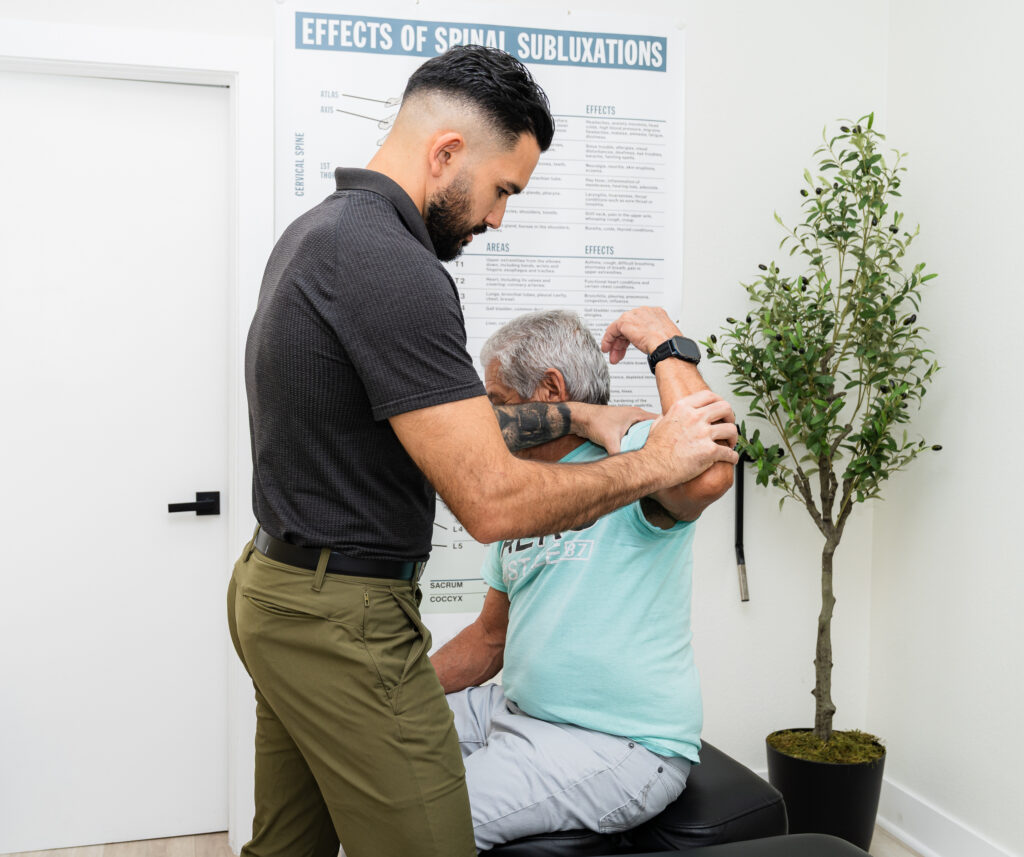

If you’ve experienced whiplash, you understand how disruptive it can be to your everyday life. The pain and stiffness can linger, making simple tasks feel daunting. The good news is that you can find relief in just four weeks with the right approach. As a chiropractor, I want to help you navigate your recovery journey by focusing on natural healing and wellness, free from medications or surgeries.
First, it’s essential to understand what causes whiplash. This injury often occurs during sudden movements of the head, like in a car accident, leading to strain on the neck muscles and ligaments. Common symptoms include pain, stiffness, headaches, and sometimes even dizziness.
To set yourself on the path to recovery, here are some immediate actions you can take:
- Seek Chiropractic Care: A chiropractor can assess your condition and provide targeted adjustments to realign your spine and relieve pressure on your nervous system. This not only helps reduce pain but also promotes overall healing.
- Gentle Movement: While it might be tempting to rest completely, gentle stretches and movements can be beneficial. Start with light neck rotations and shoulder rolls to keep your muscles engaged without overexerting yourself.
- Apply Ice or Heat: For the first few days after your injury, apply ice to reduce inflammation. After that, heat can help relax tight muscles. Just make sure to wrap ice or heat packs in a cloth to protect your skin.
- Stay Hydrated and Nourished: Drinking plenty of water and eating a balanced diet rich in anti-inflammatory foods, like fruits, vegetables, and omega-3 fatty acids, can support your recovery.
- Practice Good Posture: Whether sitting, standing, or sleeping, maintaining good posture can alleviate strain on your neck. Consider using ergonomic chairs and pillows that support a healthy spinal alignment.
- Mindfulness and Relaxation Techniques: Stress can exacerbate pain, so incorporate relaxation techniques such as deep breathing, meditation, or gentle yoga into your daily routine.
Remember, healing takes time, and it’s important to listen to your body. By prioritizing chiropractic care and these natural healing strategies, you can effectively relieve your whiplash symptoms and work towards optimal health. If you have any questions or need support, don’t hesitate to reach out. Your journey to wellness starts now!
Understanding Whiplash: Causes and Symptoms
Understanding whiplash is crucial, particularly if you’ve experienced a car accident or a sudden jolt. Whiplash typically occurs when your head is rapidly thrown backward and then forward, which can strain the muscles and ligaments in your neck. Common causes include car collisions, sports injuries, or slips and falls.
You may notice symptoms like neck pain, stiffness, and headaches soon after the incident. Some individuals also report feelings of dizziness, fatigue, or difficulty concentrating. It’s important to be aware that these symptoms can sometimes appear days after the injury, so staying in tune with your body is key.
If you feel any unusual discomfort, it could be a sign of whiplash. The severity of symptoms can differ greatly from person to person. While some may feel better quickly, others might experience longer-lasting pain. This is where chiropractic care can be incredibly beneficial.
Chiropractors specialize in understanding the spine and how it affects your overall health. By seeking chiropractic treatment, you can address the root cause of your discomfort rather than just masking the symptoms. Chiropractors use gentle adjustments and natural healing techniques to help restore proper alignment, reduce pain, and promote healing in your neck and spine.
Here are some general tips to help you manage your recovery:
- Stay Active: Gentle movements and stretches can help prevent stiffness. Consult with your chiropractor for personalized exercises.
- Ice and Heat: Applying ice to the affected area can reduce inflammation, while heat can help relax tight muscles.
- Posture Awareness: Pay attention to your posture, especially if you work at a desk. Maintaining good posture can alleviate strain on your neck.
- Hydration: Drink plenty of water to keep your muscles hydrated and support healing.
- Rest: Allow your body to rest and recover, but don’t stay inactive for too long. Balance is key.
By prioritizing chiropractic care and these healthy habits, you can support your body’s natural healing processes and work towards optimal wellness. If you’re experiencing symptoms of whiplash, don’t hesitate to reach out to a chiropractor for a consultation.
Your journey to recovery and better health starts with understanding your body and making informed choices.
Immediate Steps to Take After a Whiplash Injury
After experiencing a whiplash injury, it’s crucial to seek medical attention from a qualified professional, such as a chiropractor, to evaluate the extent of your injury and develop a personalized recovery plan. Chiropractic care is a natural and effective way to promote healing and alleviate pain without relying on medications or invasive procedures.
One of the first steps you can take at home is to apply ice to the affected area. This can help reduce swelling and numb the pain. Remember to use a cloth or towel between the ice and your skin to prevent frostbite. Aim for 15-20 minutes every hour as needed during the first 48 hours after your injury.
Resting and immobilizing your neck is also important for recovery. You can use a soft neck brace for short periods if it helps provide support, but be sure to avoid keeping your neck immobilized for too long, as gentle movement is beneficial for healing.
Incorporating gentle stretches and exercises, as guided by your chiropractor, can help restore mobility and strength in your neck. Maintaining good posture and ergonomic practices can also aid in your recovery and prevent future injuries.
Seek Medical Attention Promptly
When you’ve experienced a whiplash injury, it’s essential to seek chiropractic care promptly, as early intervention can significantly enhance your recovery. Don’t wait for symptoms like pain, stiffness, or headaches to become more severe; visit your chiropractor as soon as possible.
They’ll assess your condition and may suggest gentle adjustments or techniques to help restore proper alignment and function to your spine.
During your visit, be open about your symptoms. This honest communication will enable your chiropractor to develop a personalized care plan tailored to your needs.
They may also provide you with valuable tips on how to modify your daily activities to prevent further strain on your neck and spine.
Remember, prioritizing your health is key! Addressing whiplash symptoms early can lead to a smoother and quicker recovery, allowing you to get back to your daily activities without discomfort.
Embrace the natural healing powers of chiropractic care, and don’t hesitate to reach out for help right away! Your journey to optimal health starts here.
Ice Application Techniques
Applying ice to the affected area is a crucial step in managing whiplash symptoms right after an injury, and as a chiropractor, I want to help you understand the best ways to do this for optimal healing.
Start by wrapping ice or a cold pack in a thin towel to protect your skin—this is important to avoid any discomfort. Place it gently on your neck for 15 to 20 minutes every hour, especially during the first 48 hours following your injury. This method can significantly help reduce swelling and numb the pain, allowing your body to begin its natural healing process.
If you don’t have an ice pack handy, a bag of frozen peas works just as well! Just remember to take breaks between applications to prevent frostbite.
After the initial 48 hours, you might consider alternating between ice and heat. This can help promote blood flow and further assist in your recovery.
Listening to your body is key—adjust the frequency of applications based on what feels comfortable for you.
Remember, while ice is an effective way to manage pain temporarily, chiropractic care can provide long-term relief and support your overall wellness. Regular visits to a chiropractor can help address the underlying issues related to your injury and guide you on a path to better health.
Take these steps to support your healing, and consider incorporating chiropractic care into your wellness routine for optimal recovery and health maintenance.
Rest and Immobilization Guidance
After applying ice to your injury, it’s crucial to allow your body to rest as part of your recovery from whiplash. Avoid any heavy activities that might worsen your condition.
Finding a comfortable position that supports your head and neck is key to reducing movement and discomfort. While a soft collar can provide some stability for your neck, remember to use it sparingly—it’s important not to become dependent on it for too long.
As you begin to heal, gentle stretches and movements may be helpful after a few days, but always listen to your body. If something doesn’t feel right or causes pain, it’s best to stop.
Prioritizing restful sleep is essential during this recovery period since quality sleep is a vital component of healing.
Chiropractic care can be an excellent option for treating whiplash and promoting overall wellness. A chiropractor can help assess your condition and provide personalized treatment plans, including adjustments and soft tissue therapies that can alleviate pain and enhance mobility.
If your symptoms linger, it’s a good idea to consult with a chiropractor who can offer further guidance tailored specifically to your needs. Remember, your path to wellness is best supported through natural methods like chiropractic care, which focuses on restoring your body’s balance and function.
The Importance of Rest and Recovery
Rest and recovery are crucial for managing whiplash symptoms and promoting your body’s natural healing process. When you suffer from whiplash, your muscles and ligaments need time to repair properly. Ignoring the messages your body is sending can lead to extended discomfort and delay your recovery.
Prioritize rest during the initial days after your injury. This doesn’t mean you should be completely immobile; rather, focus on avoiding activities that put strain on your neck. Pay attention to your body; if something causes pain, that’s your signal to stop and give yourself a break.
Incorporate short, frequent periods of rest throughout your day. This can help ease tension and reduce inflammation.
Also, remember that quality sleep is vital for healing. During sleep, your body does much of its repair work, so aim for restorative rest that allows your body to recover effectively.
As a chiropractor, I emphasize that chiropractic care can be a fantastic option for those dealing with whiplash. Gentle adjustments can help realign your spine, relieve pain, and improve mobility, setting you on a path toward optimal health.
Gentle Stretching Exercises for Neck Mobility
After experiencing a whiplash injury, it’s crucial to prioritize rest, but incorporating gentle stretching exercises can significantly improve your neck mobility and alleviate stiffness. As a chiropractor, I encourage you to consider these simple yet effective stretches as part of your healing process.
Begin by slowly tilting your head to one side, holding the position for 15-30 seconds before switching to the other side. This movement helps to stretch the muscles on the sides of your neck, promoting flexibility. Next, gently rotate your head from side to side, taking a moment to look over your shoulder with each turn. Holding each rotation for a few seconds allows for a deeper stretch.
Another beneficial exercise is the chin tuck. Sit upright, gently tuck your chin towards your chest, and hold for a few seconds. Repeat this several times—it’s a great way to elongate your neck and improve posture. Throughout these stretches, remember to take deep breaths. Focusing on your breath can enhance relaxation and further reduce tension in your neck.
Aim to incorporate these stretches into your daily routine, but always listen to your body. If you experience any pain, it’s important to stop and consult with your chiropractor. Consistency is essential for regaining flexibility and supporting your overall wellness.
Chiropractic care is an excellent choice for natural pain relief and improving your neck health. By combining these gentle stretches with regular chiropractic adjustments, you can effectively enhance your mobility, reduce discomfort, and promote healing in a holistic way.
Prioritize your health and consider how chiropractic care can be a vital part of your journey to wellness.
Strengthening Exercises to Support Neck Muscles
Incorporating strengthening exercises into your routine can significantly enhance neck stability and support recovery from a whiplash injury. As a chiropractor, I recommend focusing on exercises that target the muscles surrounding your neck, such as the trapezius and sternocleidomastoid. These exercises can be a natural way to help your body heal and maintain optimal health without the need for medications or surgeries.
Start with gentle isometric exercises, like pressing your head against your palm while resisting the pressure. This technique activates your neck muscles without causing excessive movement, making it a safe option for those recovering from injury.
Next, try neck rotations by gently turning your head side to side, holding each position for a few seconds. As you become more comfortable, you can add resistance bands to gradually increase the intensity of your workouts.
Additionally, engaging in shoulder shrugs and neck tilts will enhance your overall neck strength. Aim for two to three sets of 10 to 15 repetitions for each exercise, three times a week. This consistent practice can help you build resilience in your neck muscles.
Always listen to your body and consult with a chiropractor before starting any new exercise regimen, especially after experiencing an injury.
Incorporating Heat and Cold Therapy
Incorporating heat and cold therapy can significantly alleviate your whiplash symptoms, especially when combined with chiropractic care.
Heat therapy is wonderful for relaxing tight muscles and improving blood flow, which can enhance the effectiveness of your chiropractic adjustments. On the other hand, cold therapy is effective in reducing inflammation and numbing pain, providing immediate relief.
To maximize the benefits of these treatments, it’s important to know when to use each one. Generally, applying heat can be beneficial after the initial swelling has gone down, while cold therapy is most effective in the first few days following an injury.
Alternating between the two can also provide a balanced approach to managing pain.
As a local chiropractor, I encourage you to incorporate these therapies along with your chiropractic care for a holistic approach to healing.
Remember, your body has a natural ability to heal itself, and combining natural therapies such as heat and cold with chiropractic adjustments can help you achieve optimal health.
Always listen to your body and consult with a chiropractor for personalized advice on managing your symptoms effectively.
Benefits of Heat Therapy
Heat therapy is a gentle and effective way to alleviate whiplash symptoms, promoting relaxation and enhancing blood flow to the affected area. While it can provide immediate comfort, combining heat therapy with chiropractic care can optimize your recovery journey.
Here are some key benefits of heat therapy, along with how chiropractic adjustments can further support your healing:
- Increased Circulation: Applying heat helps open up your blood vessels, which increases the flow of vital nutrients to your damaged tissues. When paired with chiropractic care, this improved circulation can enhance your body’s natural healing process.
- Muscle Relaxation: Heat therapy effectively loosens tight muscles, diminishing stiffness and enhancing mobility. Your chiropractor can complement this by providing targeted adjustments that realign your spine and reduce muscle tension even further.
- Pain Relief: The soothing warmth of heat can distract your brain from pain signals, providing temporary relief. However, chiropractic adjustments address the root cause of your discomfort, helping you achieve long-lasting pain relief.
- Stress Reduction: The comforting sensation of heat promotes relaxation, which can decrease anxiety often linked with injuries. Regular chiropractic sessions can also help reduce stress by improving your overall spinal health and function.
Incorporating heat therapy into your recovery routine can significantly enhance your comfort, making those four weeks feel more manageable.
Remember, while heat therapy is a great tool, combining it with chiropractic care can provide a holistic approach to healing. Always consult with your chiropractor for personalized advice and to develop a comprehensive recovery plan that works best for you.
Embrace these natural healing methods to foster a healthier and more balanced life!
Cold Therapy Techniques
Cold therapy techniques can indeed be a valuable tool in managing whiplash symptoms, especially when paired with the supportive treatment of chiropractic care.
Applying a cold pack or ice wrapped in a cloth to the affected area can significantly reduce inflammation and help numb the pain. For the best results, aim to apply the cold for 15 to 20 minutes at a time, and always give your skin a break between applications to prevent any irritation.
If you don’t have ice packs handy, a cold compress or a bag of frozen peas can work just as well!
It’s important to remember not to place ice directly on the skin, as this can lead to frostbite. This simple precaution can help you maximize the benefits of cold therapy while minimizing any risks.
Incorporating these cold techniques into your routine, followed by heat therapy later on, can help improve blood flow and promote healing.
This balanced approach, combined with regular chiropractic adjustments, can enhance your recovery process and support your overall wellness.
When to Alternate Treatments
Using cold therapy can be a great way to start managing whiplash symptoms, but knowing when to switch to heat therapy can make your recovery even better. Here are some important times to think about alternating treatments:
- After the initial injury: For the first 48 hours, use cold therapy to help reduce swelling. This is a crucial step in your healing journey.
- When stiffness sets in: If you start feeling tightness in your neck or shoulders, it’s a sign that heat therapy can help. Applying gentle heat can relax those muscles and promote better movement.
- Before exercise: Always remember that applying heat before physical activity helps loosen your muscles. This prepares your body for movement and can prevent further injury.
- During flare-ups: If you experience pain resurfacing, alternating between heat and cold can provide comfort and relief. This method can help manage discomfort effectively.
Additionally, incorporating chiropractic care into your routine can greatly enhance your overall wellness and recovery.
Regular adjustments can help maintain proper spinal alignment, reduce tension, and promote natural healing.
Always consider consulting with your chiropractor for personalized advice on managing pain and optimizing your health.
Exploring Alternative Therapies: Chiropractic and Massage
If you’re dealing with the discomfort of whiplash symptoms, chiropractic care could be your best ally in finding relief and enhancing your overall wellness. Chiropractors specialize in realigning the spine and improving mobility, which can significantly help with pain and stiffness.
Through gentle, hands-on spinal manipulation and other targeted techniques, we can restore proper function to your spine, allowing you to regain your range of motion and feel more like yourself again.
In addition to chiropractic adjustments, incorporating massage therapy into your recovery can also be beneficial. A skilled massage therapist can focus on your neck and shoulders, releasing muscle tension and promoting relaxation. This not only alleviates pain but also helps improve blood circulation, which is essential for healing.
The combination of chiropractic care and massage therapy is particularly effective as it addresses both spinal alignment and muscle tension, two key components of whiplash recovery. However, it’s important to prioritize chiropractic care as the cornerstone of your healing journey.
By visiting a chiropractor, you’re choosing a natural and holistic approach to health that avoids invasive procedures and medications.
Here are a few general tips to enhance your recovery from whiplash:
- Stay Active: Gentle movements and light stretching can help maintain mobility and prevent stiffness.
- Apply Ice or Heat: Use ice packs to reduce inflammation and heat packs to relax tense muscles, alternating as needed.
- Maintain Good Posture: Pay attention to your posture, especially when sitting for long periods, to avoid putting extra strain on your neck.
- Hydrate: Drinking plenty of water can support muscle function and overall recovery.
Before starting any new treatment, it’s always wise to consult with your healthcare provider to ensure that chiropractic care aligns with your individual needs.
Maintaining Good Posture and Ergonomics
While recovering from whiplash, it’s crucial to prioritize good posture and ergonomics to avoid further strain on your neck. Proper alignment not only helps alleviate pain but also supports your healing journey.
Here are some practical tips to help you maintain a healthy posture and promote your overall well-being:
- Sit Straight: Choose a chair that offers excellent lumbar support. Ensure your feet are flat on the floor, which helps distribute your weight evenly and maintains a natural spine curve.
- Screen Height: Position your computer screen at eye level. This alignment reduces the risk of tilting your head down or up, which can lead to unnecessary tension in your neck and back.
- Take Regular Breaks: Remember to stand up, stretch, and move around every 30 to 60 minutes. This simple practice can help relieve tension that builds up from prolonged sitting and supports your body’s natural healing process.
- Use Supportive Pillows: When you sleep, opt for a supportive pillow that maintains proper neck alignment. This will help your body recover more effectively while you rest.
As a chiropractor, I believe that proper posture and ergonomics are foundational elements in your path to optimal health.
By incorporating these tips into your daily routine, you’ll be taking proactive steps toward healing and overall wellness. Chiropractic care can further enhance your recovery by addressing misalignments and promoting spinal health, allowing your body to function at its best.
Let’s work together to find the best approach for your healing journey!
The Role of Nutrition in Recovery
Nutrition plays a vital role in your recovery from whiplash, and as a chiropractor, I want to emphasize how natural healing through proper nutrition can enhance your recovery journey. By incorporating anti-inflammatory foods into your diet, staying well-hydrated, and focusing on nutrients that support muscle recovery, you can significantly speed up your healing process.
Here are some practical tips to help you along the way:
- Embrace Anti-Inflammatory Foods: Include fruits and vegetables, especially berries, leafy greens, and nuts, which are known to reduce inflammation. Omega-3 fatty acids, found in fish like salmon and walnuts, can also help calm inflammation in your body.
- Stay Hydrated: Proper hydration is crucial for muscle recovery and overall health. Aim to drink plenty of water throughout the day. You can also include herbal teas and broths, which can be soothing and beneficial.
- Focus on Nutrient-Rich Foods: Incorporate lean proteins, whole grains, and healthy fats into your meals. Foods like chicken, quinoa, and avocados provide essential nutrients that support muscle repair and recovery.
- Listen to Your Body: Pay attention to how different foods affect your recovery. Some people may find relief from certain foods while others may experience discomfort. Tailor your diet to what feels best for you.
- Combine Nutrition with Chiropractic Care: Remember, while nutrition plays a significant role in recovery, chiropractic care is essential for addressing the root cause of your pain. Regular adjustments can help align your spine, relieve tension, and promote a healthier nervous system, which is vital for optimal healing.
By making these dietary choices and incorporating chiropractic care into your recovery plan, you can enhance your body’s natural healing abilities and feel your best.
Anti-inflammatory Foods Benefits
Incorporating anti-inflammatory foods into your diet can significantly support your recovery from whiplash symptoms. While chiropractic care is essential for addressing the root cause of your discomfort, the right nutrition can complement your healing process. By focusing on natural, wholesome foods, you can enhance your overall wellness.
Here are some key benefits of adding anti-inflammatory foods to your meals:
- Reduced Pain: These foods can help lower pain levels, making it easier for you to engage in daily activities. When combined with chiropractic adjustments, you’ll likely notice even greater relief.
- Improved Mobility: Anti-inflammatory choices support the function of your joints and muscles, which is crucial for maintaining movement and flexibility. This is especially important when you’re recovering from injuries like whiplash.
- Faster Recovery: Nutrient-rich foods can speed up your healing process, allowing you to get back to your normal routine more quickly. This aligns perfectly with the goal of chiropractic care, which is to promote natural healing in your body.
- Enhanced Mood: A balanced diet not only nourishes your body but can also positively affect your mental well-being. Feeling good physically can help you cope better with any discomfort you may be experiencing.
To maximize the benefits of both your chiropractic care and your diet, consider these practical tips:
- Add More Fruits and Vegetables: Aim for a colorful plate filled with a variety of fruits and vegetables, which are packed with antioxidants and vitamins.
- Choose Healthy Fats: Include sources of omega-3 fatty acids, such as walnuts, flaxseeds, and fatty fish, which are known for their anti-inflammatory properties.
- Stay Hydrated: Drinking plenty of water supports all the body’s functions and can help reduce inflammation.
- Limit Processed Foods: Reducing your intake of sugary and processed foods can also help lower inflammation and improve your overall health.
By focusing on these dietary choices alongside regular chiropractic care, you can create a powerful synergy that promotes healing and helps you achieve optimal health.
Hydration and Healing
Hydration is a vital component of your recovery from whiplash symptoms, and as a chiropractor, I want to emphasize how it supports your overall healing process. When you stay properly hydrated, your body is better equipped to deliver essential nutrients and oxygen to the injured tissues in your neck, which can significantly boost your healing efforts. Conversely, dehydration can lead to increased pain and stiffness, making your recovery feel much slower.
To support your recovery, aim for at least eight glasses of water each day. You might need to adjust this amount based on how active you’re and the climate you’re in. Additionally, incorporating hydrating foods such as fruits and vegetables into your diet can help you meet your hydration goals. These foods not only provide water but also deliver vital vitamins and minerals that your body needs to heal.
It’s important to remember that even mild dehydration can impede your progress, so keep a water bottle with you and take sips throughout the day. Staying committed to hydration won’t only help you feel better but also enhance your overall healing journey.
As you focus on hydration, don’t forget the benefits of chiropractic care. Regular adjustments can help alleviate pain, improve mobility, and promote better overall health.
Nutrients for Muscle Recovery
Proper nutrition is vital for your muscle recovery, especially after experiencing a whiplash injury. By nourishing your body with the right nutrients, you can enhance healing and alleviate discomfort. Here are some key nutrients to focus on, along with how they can support your recovery:
- Protein: Think of protein as the building blocks for your muscles. Incorporating sources like lean meats, beans, and dairy can help repair and grow your muscles effectively.
- Omega-3 Fatty Acids: These healthy fats, found in foods like fish and walnuts, have anti-inflammatory properties. They can help ease soreness and promote a faster healing process.
- Antioxidants: Fruits and vegetables are rich in antioxidants, which can help combat oxidative stress in your body. Aim to fill your plate with a variety of colorful produce to maximize these benefits.
- Magnesium: This mineral is essential for muscle function and can help prevent cramps. Foods like nuts, seeds, and leafy greens are great sources of magnesium.
In addition to focusing on these nutrients, consider how chiropractic care can enhance your recovery journey. Regular chiropractic adjustments can help align your spine, improve mobility, and reduce pain, allowing your body to heal more efficiently.
Remember, a holistic approach to your health is key. Stay hydrated, rest adequately, and listen to your body.
When to Seek Professional Help
How can you tell when it’s time to seek professional help for whiplash symptoms? If your pain isn’t improving after just a few days, it’s wise to consult with a chiropractor. Chiropractic care is a natural and effective approach to relieving pain and restoring function in your body.
Watch out for persistent headaches, numbness, or tingling in your arms, as these can indicate nerve involvement. It’s important to address these symptoms promptly with a chiropractor who can provide the right treatment. Additionally, don’t ignore severe dizziness or balance issues; these may suggest a more serious underlying condition that needs attention.
If you’re finding it hard to go about your daily activities because of pain or stiffness, a chiropractor can offer personalized treatment options to help you regain mobility and comfort. Remember, whiplash can also affect your emotional well-being, leading to feelings of anxiety or depression. Chiropractic care not only targets physical symptoms but can also promote overall wellness.
If you’re uncertain about your symptoms, don’t hesitate to reach out for help. Early intervention through chiropractic care often leads to better recovery outcomes. Trust your instincts—if something feels off, it’s always a good idea to get assessed by a chiropractor.
Here are some general tips to manage your symptoms at home until you can see a chiropractor:
- Apply ice to the affected area to reduce inflammation.
- Practice gentle neck stretches to maintain mobility.
- Maintain good posture, especially when sitting or using devices.
- Stay hydrated and eat a balanced diet to support your healing.
Prioritizing your health and well-being is essential, and chiropractic care is a fantastic way to achieve optimal health naturally.
Conclusion
In just four weeks, you can significantly relieve your whiplash symptoms by committing to a dedicated recovery plan that prioritizes chiropractic care. As a local chiropractor, I believe that addressing the root causes of your pain is essential for true healing. By focusing on gentle chiropractic adjustments, you can help restore alignment to your spine, reduce tension in your muscles, and improve your overall mobility.
In addition to chiropractic adjustments, incorporating gentle exercises can help strengthen your neck and shoulder muscles. Simple stretches and movements can promote flexibility and reduce stiffness, so listen to your body and progress at your own pace. Remember, rest is also crucial—allow your body the time it needs to heal.
Don’t underestimate the power of nutrition in your recovery journey. A well-balanced diet rich in anti-inflammatory foods can support your healing process. Additionally, maintaining proper posture throughout your daily activities can alleviate unnecessary strain on your neck and spine.
Stay attuned to your body’s signals; if something doesn’t feel right, don’t hesitate to reach out for professional help. With dedication to your recovery and the right chiropractic approach, you’ll be on your way to feeling better and regaining your mobility. Embrace this holistic path to wellness and enjoy the benefits of a healthier, pain-free life!