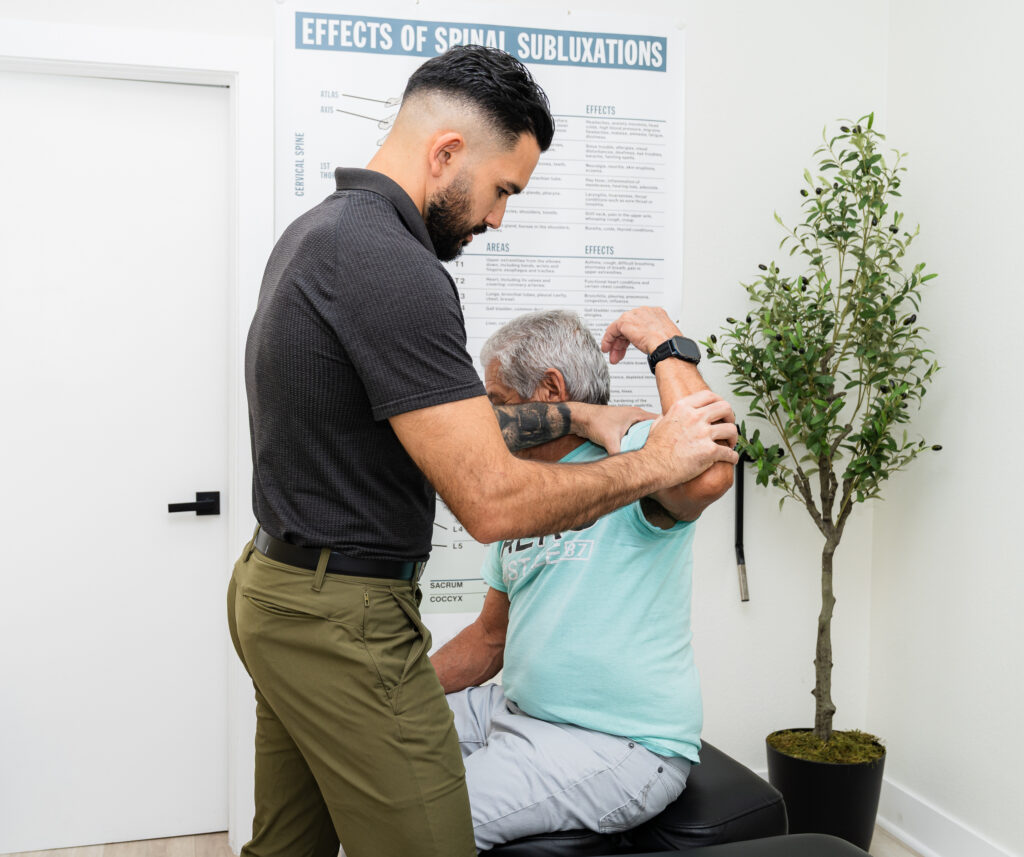

Chronic back pain can significantly disrupt your daily activities, making it crucial to explore effective relief strategies. As a local chiropractor, I want to share how our approach to natural healing can help you regain control of your life. Many patients find that a combination of chiropractic care, physical therapy, exercise, and lifestyle adjustments yields meaningful improvements.
Incorporating ergonomic practices into your workspace is essential, and I can guide you on how to set up your environment to support your spine. Additionally, alternative therapies, such as acupuncture, can complement chiropractic adjustments and enhance your recovery process.
What if you could access tailored techniques specifically designed for your unique needs? Through personalized assessments and treatment plans, we can identify the best approaches to alleviate your pain and promote overall wellness. Let's work together to empower you on your journey to a healthier, pain-free life.
Understanding Chronic Back Pain
Chronic back pain isn't just a minor inconvenience; it's a complex condition that can significantly disrupt your daily life. As a chiropractor, I often see patients who struggle with even the simplest activities—like bending down to tie your shoes or lifting a grocery bag—becoming daunting tasks. Understanding chronic back pain is crucial for managing it effectively, and I'm here to help you navigate through it.
Chronic back pain typically persists for more than three months and can arise from various factors, including injuries, poor posture, or underlying issues such as arthritis or herniated discs. It's important to remember that everyone experiences pain differently; what may feel intolerable to you might be tolerable for someone else, and vice versa.
Many of my patients express frustration over the fluctuating nature of their pain. Some days it feels sharp and acute, while other times it's dull and aching. This variability can make it difficult to identify triggers or find effective coping strategies.
Additionally, chronic back pain often leads to emotional challenges, such as anxiety or depression, which can amplify your physical discomfort.
As you embark on your healing journey, it's vital to listen to your body. Keeping a pain diary can be an invaluable tool for tracking your symptoms and identifying patterns or triggers. This information is beneficial for our discussions and helps me tailor a treatment plan that suits your individual needs.
I want you to know that understanding the multifaceted nature of chronic back pain can empower you to take control of your health. Together, we can explore natural healing strategies that may provide relief.
You aren't alone in this; many people face similar challenges, and with the right support and chiropractic care, we can work towards improving your quality of life.
Physical Therapy Techniques
Chiropractic care offers a variety of effective techniques for managing chronic back pain, focusing on enhancing your overall function, alleviating discomfort, and improving your quality of life. One of the cornerstone techniques we utilize is spinal manipulation, which involves hands-on adjustments to the spine and joints to relieve tension and restore mobility. By working with a skilled chiropractor, you can experience immediate relief and learn how to maintain proper movement patterns to prevent future pain.
We also incorporate various modalities in our practice, such as heat and cold therapy, which can significantly aid in your recovery. Heat therapy helps to relax tight muscles and improve blood circulation, while cold therapy is effective in reducing inflammation and numbing acute pain.
Additionally, techniques like electrical stimulation, including TENS (Transcutaneous Electrical Nerve Stimulation), can effectively block pain signals and support the healing process.
Postural training is another essential aspect of our chiropractic approach. We emphasize the importance of recognizing and correcting poor posture habits that can lead to back pain. By learning to maintain proper alignment, you can relieve unnecessary stress on your spine and surrounding muscles, contributing to long-term relief.
Education is a vital component of chiropractic care. We strive to empower our patients with knowledge about the mechanics of their bodies and the underlying factors contributing to their pain. This understanding enables you to make informed decisions about your daily activities, reducing the risk of aggravating your condition and promoting a healthier lifestyle overall.
Exercise and Stretching Routines
As your local chiropractor, I want to emphasize the importance of incorporating exercise and stretching routines into your daily life to enhance the benefits of chiropractic care, especially for back pain relief. Engaging in regular physical activity not only strengthens your muscles but also boosts flexibility and increases blood flow to your spine, all of which are vital for reducing discomfort.
I recommend starting with gentle exercises that won't place excessive strain on your back. Activities such as walking, swimming, or cycling are fantastic options to consider. Aim for at least 30 minutes of moderate activity on most days of the week. These exercises not only support your cardiovascular health but also keep your back engaged and functioning optimally.
Stretching is another essential component of your routine. Focus on stretches that specifically target your back, hips, and legs. Simple movements like the cat-cow stretch or child's pose can effectively relieve tension and enhance your range of motion. I suggest holding each stretch for 15-30 seconds and repeating a few times to maximize their benefits.
In addition, incorporating core-strengthening exercises, such as planks or bridges, can significantly support your spine and help reduce back pain over time. A strong core is crucial for maintaining proper posture and stability.
Always listen to your body; if you feel any exercise aggravates your pain, it's important to stop and consult with me or your healthcare provider.
As you become more comfortable, you can gradually increase the intensity and duration of your workouts to continue challenging your body while minimizing the risk of injury. Remember, I'm here to guide you on your journey to better health through natural healing practices!
Medications for Pain Relief
When it comes to managing back pain, many individuals often think of medications as a primary solution. However, as a chiropractor, I want to introduce you to a holistic approach that focuses on natural healing and the body's innate ability to heal itself.
While some may seek relief through over-the-counter medications like nonsteroidal anti-inflammatory drugs (NSAIDs) such as ibuprofen and naproxen, it's important to remember that these can provide only temporary relief and may not address the root cause of the pain. Instead, I encourage exploring chiropractic care, which focuses on aligning the spine and improving overall body function. This can help reduce inflammation and alleviate pain more effectively and sustainably.
For those experiencing more severe pain, it's natural to consider stronger medications prescribed by a physician. However, I urge you to think about the potential risks associated with stronger medications, such as muscle relaxants or opioids, which can lead to dependence and other side effects. It's crucial to have open discussions with your healthcare provider about your concerns, but I recommend considering chiropractic treatment as a safe and effective alternative.
Additionally, topical analgesics can provide localized relief, but they may not address underlying issues. In chiropractic care, we use various techniques, including spinal adjustments and soft tissue therapies, to enhance your body's healing process without relying on medications.
While medications can have their place, they're often most effective when combined with complementary approaches such as chiropractic adjustments, physical therapy, and lifestyle modifications.
I encourage you to consult with a chiropractor to develop a personalized pain management plan that focuses on natural healing, addressing the root causes of your chronic back pain and supporting your overall health. This way, you can work towards a more sustainable and effective solution for your pain management.
Alternative Therapies
As a local chiropractor dedicated to your well-being, I want to share some insights on alternative therapies that can effectively complement your chiropractic care for managing chronic back pain. Many of my patients have discovered that exploring these holistic options can lead to significant relief and improved quality of life.
One such therapy is acupuncture. This ancient practice involves the insertion of thin needles into specific points on the body, which may help alleviate pain and enhance mobility by stimulating the body's natural pain-relieving mechanisms. Many individuals find that acupuncture can be a valuable addition to their pain management routine.
Massage therapy is another excellent option. Regular sessions can help relieve muscle tension, improve circulation, and promote overall relaxation. Whether you prefer deep tissue, Swedish, or trigger point massage, finding a skilled therapist who understands your needs can make a remarkable difference in your comfort and recovery.
Yoga and tai chi are also wonderful practices to consider. These gentle movements and stretches not only enhance flexibility but also promote mindfulness and stress reduction—both of which are crucial in managing pain effectively. Incorporating these practices into your routine can create a holistic approach to your health.
Additionally, herbal supplements and natural remedies may offer some relief. Many of my patients have found benefits from using turmeric, ginger, or devil's claw. However, I always recommend consulting with a healthcare provider before starting any new supplements to ensure they're safe and appropriate for your individual situation.
Lastly, essential oils like lavender or peppermint can be utilized in aromatherapy to help promote relaxation or relieve tightness. Integrating these alternative therapies into your pain management strategy can be incredibly beneficial.
I encourage you to remain open to experimenting with various options to find what works best for you. Remember, combining these alternative therapies with professional guidance, such as chiropractic care, can significantly enhance your journey toward relief and improved health.
Your well-being is my priority, and I'm here to support you every step of the way.
Lifestyle Modifications
As a local chiropractor, I want to share some valuable insights on how simple lifestyle modifications can significantly alleviate your chronic back pain. One of the first steps you can take is to establish an ergonomic workspace. This means adjusting your chair, desk, and computer setup to promote proper posture, which can help reduce strain on your back.
Additionally, staying active is vital for maintaining a healthy spine. Regular movement, whether through walking, stretching, or specific exercises, can strengthen the muscles that support your back and improve your overall mobility.
It's also important to manage your weight, as excess pounds can put extra pressure on your spine, exacerbating discomfort.
By implementing these strategies, you can support your back and enhance your overall well-being. I'm here to guide you through these changes and help you discover the benefits of chiropractic care and natural healing in your journey to better health.
Let's work together to improve your daily life and reduce your pain.
Ergonomic Workspace Setup
As a local chiropractor, I want to emphasize the importance of setting up an ergonomic workspace to minimize strain on your back and enhance your overall comfort during work. A well-designed workspace can significantly contribute to your long-term spinal health.
Start with your chair. It's essential to choose one that provides proper support for your lower back, allowing your feet to rest flat on the ground. If your chair isn't adjustable, I recommend using a footrest to maintain proper posture.
Next, let's talk about your desk and computer screen. Positioning your screen at eye level is crucial; it helps prevent you from leaning forward and straining your neck. Your keyboard and mouse should be placed close enough that your elbows remain at a 90-degree angle while you work.
When typing, keep your wrists straight and avoid resting them on the desk to prevent unnecessary strain.
Adequate lighting is also vital. Poor lighting can lead to eye strain, which often results in leaning in closer to your screen, negatively impacting your posture. Additionally, keep frequently used items within easy reach to reduce the need for twisting or stretching, which can lead to discomfort.
I can't stress enough the importance of taking regular breaks. Stand up, stretch, or take a short walk every so often.
Even small adjustments to your workspace can lead to substantial improvements in your comfort level. By creating an ergonomic setup, not only will you enhance your productivity, but you'll also contribute to long-term relief from chronic back pain and other musculoskeletal issues.
Regular Physical Activity
As your local chiropractor, I want to emphasize the importance of incorporating regular physical activity into your daily routine to manage chronic back pain effectively. Movement is vital for strengthening the muscles that support your spine, leading to better stability and less discomfort. I recommend low-impact activities such as walking, swimming, or cycling. These options are gentle on your back while still providing a beneficial workout.
It's important to remember that you don't need to dedicate long hours to exercise. Even short bursts of physical activity throughout your day can yield significant benefits. Stretching exercises are particularly useful for enhancing flexibility and relieving tension in areas that often accumulate stress. I encourage you to try specific exercises that can alleviate back pain, such as pelvic tilts or gentle yoga poses.
Consistency is crucial in this journey, so I urge you to find activities that you genuinely enjoy. This will help keep you motivated and engaged in your wellness. Always listen to your body—if you experience pain, don't hesitate to modify your exercises.
Gradually increasing your activity level can strengthen your muscles and improve your mobility, which in turn boosts your confidence in tackling daily tasks without the fear of pain.
As your chiropractor, I'm here to support you in exploring natural healing methods and guiding you toward a healthier, pain-free life.
Healthy Weight Management
As a local chiropractor, I want to emphasize the importance of maintaining a healthy weight, especially for those struggling with chronic back pain. Excess weight can significantly increase the strain on your spine and the surrounding muscles, which can aggravate existing discomfort and potentially lead to new issues.
By focusing on weight management, you can relieve some of that tension and enhance your overall health.
Here are three key strategies that I recommend to help you achieve and maintain a healthy weight:
1. Balanced Diet: Aim to fill your plate with whole foods, such as a variety of fruits, vegetables, lean proteins, and whole grains. Not only does this support weight loss, but it also provides your body with essential nutrients that are crucial for muscle and bone health, which is vital for maintaining proper spinal alignment.
2. Regular Exercise: Incorporating regular physical activity into your routine can be highly beneficial. Activities that promote weight loss while also strengthening your core—such as swimming, walking, or yoga—are excellent choices.
I suggest aiming for at least 150 minutes of moderate exercise each week to help build strength and improve flexibility.
3. Mindful Eating: Being aware of portion sizes and taking the time to eat slowly can make a significant difference in your eating habits. Paying attention to your body's hunger signals can prevent overeating and help you develop a healthier relationship with food.
By implementing these strategies, you'll not only work towards achieving a healthy weight but also support your spine's health, ultimately reducing pain and improving your quality of life.
If you have any questions or need guidance on how to get started, please feel free to reach out during your next visit!
Ergonomics and Posture
As your local chiropractor, I want to emphasize how proper ergonomics and posture can significantly impact your ability to manage chronic back pain. By aligning your body correctly while sitting, standing, or moving, you can greatly reduce the strain on your spine and surrounding muscles.
Let's start with your workspace. If you find yourself at a desk for long periods, it's crucial that your chair provides adequate support for your lower back. Ensure that your feet rest flat on the floor and that your knees are at or slightly below hip level. Position your computer screen at eye level to prevent leaning forward, which can strain your neck.
When standing, distribute your weight evenly across both feet. Keep your knees slightly bent and avoid locking them to maintain flexibility. Engage your core muscles; this is essential for supporting your spine. Additionally, if you need to lift objects, remember to bend at your hips and knees rather than your back. Keep the item close to your body and avoid twisting while lifting to prevent injury.
Throughout your day, pay close attention to your posture. Whether you're sitting, standing, or walking, strive to keep your shoulders back and your head aligned with your spine. Slouching or hunching over can lead to discomfort and exacerbate back pain.
Incorporating these ergonomic principles into your daily routine can make a remarkable difference in your comfort level. Small adjustments can lead to significant pain relief and enhance your overall well-being.
Keep in mind that consistent practice is essential for retraining your body to achieve better posture and alignment. As your chiropractor, I'm here to guide you on your journey to natural healing and improved health. Your body deserves the best care, and I encourage you to take these steps toward a pain-free life.
Mind-Body Approaches
As a local chiropractor, I want to share how mind-body approaches can play a vital role in managing chronic back pain. Many patients may not realize the connection between mental well-being and physical health.
Techniques such as meditation and mindfulness can significantly reduce stress, which in turn can help alter your perception of pain.
In addition, incorporating practices like yoga and gentle stretching not only improves flexibility and strength but also promotes a greater sense of body awareness.
By embracing these holistic strategies alongside chiropractic care, you may discover a more effective and natural way to alleviate your discomfort and enhance your overall well-being.
It's all about finding balance and supporting your body's innate healing abilities.
Meditation and Mindfulness Techniques
As a local chiropractor, I often see patients who are struggling with chronic back pain. Many of these individuals have found significant relief through the integration of meditation and mindfulness techniques alongside their chiropractic care.
These practices are valuable tools that help you develop a deeper awareness of both your body and mind, enabling you to manage pain more effectively. By directing your focus to the present moment, you can alleviate stress and anxiety, which are often contributing factors to your discomfort.
Here are three key benefits of incorporating meditation and mindfulness into your routine as part of your healing journey:
- Altered Pain Perception: Mindfulness can change how you perceive pain, making it feel less intense and more manageable. This shift can be incredibly beneficial when dealing with chronic discomfort.
- Inducing Relaxation: Engaging in meditation and mindfulness can activate your body's relaxation response. This response helps to reduce muscle tension, which is crucial for improving your overall well-being and complementing the adjustments you receive in chiropractic care.
- Enhanced Emotional Resilience: Practicing mindfulness equips you with better emotional regulation skills, making it easier to manage the frustrations that often accompany chronic pain. This emotional support is vital for your healing process.
To begin incorporating these techniques into your daily routine, consider setting aside just a few minutes each day for mindfulness meditation. Focus on your breath or repeat a calming mantra, allowing any distracting thoughts to drift away without judgment.
Over time, you may notice a greater sense of control over your pain and an overall improvement in your quality of life. Embracing these holistic techniques can empower you on your journey to relief and optimal health.
Yoga and Stretching Practices
As a local chiropractor, I want to share with you the incredible benefits that yoga and stretching practices can offer, especially for those suffering from chronic back pain. Integrating these natural healing techniques into your daily routine can significantly enhance your flexibility, strengthen your core muscles, and promote relaxation—all of which are vital for spinal health.
You don't need to be an expert in yoga to start experiencing these benefits. Even simple, beginner-friendly poses can make a remarkable difference. Begin with gentle stretches that target areas of tension in your body. Poses such as Cat-Cow, Child's Pose, and Downward Dog are excellent for relieving tension and improving mobility.
It's crucial to listen to your body during these practices; if you encounter any discomfort or pain, feel free to modify the pose or skip it altogether.
Breathing plays a pivotal role in your yoga practice. Engaging in deep, mindful breaths helps keep you grounded and alleviates stress, which can often intensify your pain. Aim to synchronize your breath with your movements; this connection will create a more fluid and enjoyable experience.
For those new to yoga, I recommend considering a class or online tutorials. Professional guidance can be invaluable in ensuring you practice safely and understand the proper alignment and technique—key components in avoiding injury and maximizing benefits.
Incorporating yoga and stretching into your lifestyle does more than just alleviate pain; it fosters a profound connection between your mind and body. With dedication and consistency, you may discover that these practices become an essential part of your overall pain management strategy.
When to Seek Professional Help
Chronic back pain can be incredibly challenging, and as a local chiropractor, I want to help you understand when it's time to seek professional assistance. While many people start with home remedies and self-care techniques, there are certain warning signs that signal the need for chiropractic care or medical intervention. Ignoring these signs can lead to more significant issues and extended discomfort.
Here are three key indicators that suggest it's time to visit a chiropractor:
- Persistent Pain: If your back pain lingers for more than a few weeks without any signs of improvement, this is a crucial signal to seek help. Persistent pain can indicate an underlying issue that may benefit from chiropractic adjustments or other therapeutic interventions.
- Severe Discomfort: Should your pain escalate to a level that disrupts your daily activities or sleep, it's important to consult with a chiropractor. Severe discomfort not only limits your mobility but also affects your overall quality of life. Chiropractic care can help alleviate this pain and restore function.
- Additional Symptoms: If you begin to experience additional symptoms such as numbness, tingling, weakness in your legs, or changes in bladder and bowel function, it's essential to seek immediate attention. These symptoms can point to serious conditions that require prompt evaluation and treatment.
Understanding when to seek chiropractic care can significantly impact your recovery process. Don't wait for your condition to worsen; a chiropractor can provide personalized treatment options that aim to restore your health and well-being.
Conclusion
As a local chiropractor, I want to share some insights on how you can effectively manage chronic back pain through a combination of chiropractic care, alternative therapies, and lifestyle adjustments. Emphasizing the importance of regular exercise, maintaining proper ergonomics, and employing stress management techniques can significantly enhance your quality of life.
Chiropractic care focuses on correcting misalignments in the spine and improving overall function, which can alleviate pain and promote healing. It's crucial to listen to your body and seek professional guidance when necessary. By taking an active role in your pain management journey, you can find relief and enjoy a more active, fulfilling life.
I encourage you to explore these natural healing strategies and discuss them with your healthcare provider. Together, we can create a personalized plan that suits your needs and helps you regain control over your well-being. Don't hesitate to reach out if you have any questions or need assistance!