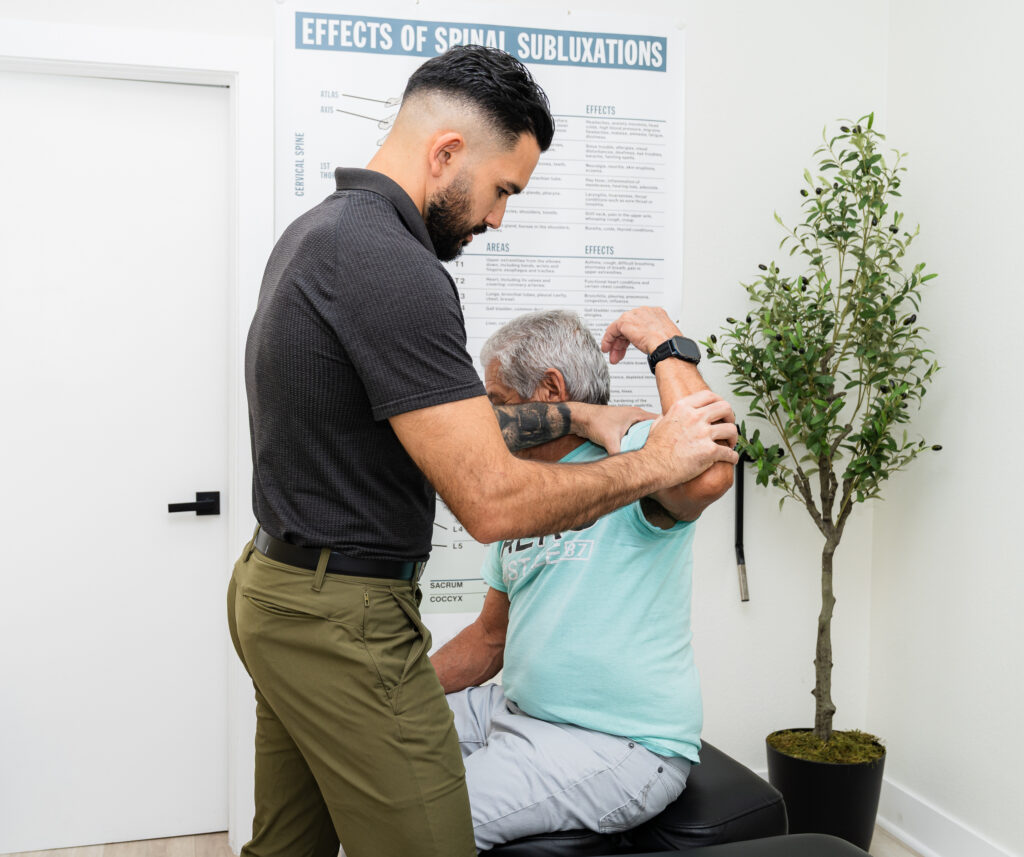

As a local chiropractor, I understand how disruptive back pain can be in your everyday life. If you’ve been struggling with discomfort, it’s crucial to discover effective relief strategies to help you regain your comfort and mobility. One of the first steps is to focus on correcting your posture, as this can significantly impact your spine’s health. Additionally, incorporating targeted exercises can strengthen your back and promote healing.
However, if traditional methods aren’t providing the relief you need, it’s important to delve deeper into the root causes of your pain. Often, underlying issues may require a more comprehensive approach. This is where chiropractic care comes in. By exploring additional therapies such as spinal adjustments and manual manipulation, we can help alleviate your pain and enhance your overall well-being.
Together, we can work towards understanding your specific condition and developing a tailored plan that not only addresses your current discomfort but also promotes long-term relief. Let’s embark on this journey to better health together!
Understanding the Common Causes of Back Pain
As a local chiropractor, I want to help you understand the common causes of back pain so you can take proactive steps toward relief and improved well-being.
One major contributor to back pain is poor lifting techniques. When you lift heavy objects without engaging your legs, you can strain your back muscles, leading to discomfort.
Another factor is a sedentary lifestyle. Spending long hours sitting can weaken your back muscles and create pain. It’s important to incorporate movement into your daily routine to strengthen those muscles and support your spine.
Muscle imbalances are also a frequent cause of back pain. When some muscles become tight while others weaken, it can create tension and lead to discomfort. This is where chiropractic care can be beneficial, as we focus on restoring balance and function to your body.
Additionally, conditions such as herniated discs or arthritis can significantly affect your mobility and lead to back pain. These issues often require a comprehensive approach to treatment, which may include adjustments, physical therapy, and lifestyle changes.
Don’t overlook the impact of stress and anxiety on your back. They can cause muscle tension, exacerbating existing pain. Incorporating relaxation techniques and mindfulness practices can help alleviate this tension.
Lastly, injuries from sports or accidents can resurface and cause discomfort at any time. It’s essential to address these injuries holistically to prevent chronic pain.
By understanding these common causes of back pain, you can take steps to alleviate your discomfort. Whether it’s adopting better lifting techniques, staying active, or seeking chiropractic care, taking action is the first step toward finding effective relief.
Posture Correction Techniques for Pain Relief
As a local chiropractor, I want to share how proper posture can play a vital role in relieving back pain. When your spine is aligned correctly, it minimizes the strain on your muscles and ligaments, which can significantly alleviate discomfort.
It’s essential to be mindful of your posture throughout the day, as small adjustments can make a big difference. When you’re sitting, aim to keep your feet flat on the floor, your knees at hip level, and your back straight against the chair. A lumbar support pillow can be an excellent tool to help maintain the natural curve of your lower back.
For those times when you’re standing, distribute your weight evenly on both feet, engage your core muscles, and keep your shoulders relaxed—not slumped.
If you spend a lot of time at a desk, make sure to adjust your workspace. Your computer screen should be at eye level, and your elbows should be bent at a 90-degree angle to promote better posture.
Incorporating these posture correction techniques into your daily routine can significantly enhance your back health and help reduce pain.
Stretching and Strengthening Exercises
As a local chiropractor, I want to emphasize the incredible benefits of incorporating stretching and strengthening exercises into your daily routine, especially if you’re dealing with back pain.
These exercises are vital in improving flexibility, enhancing muscle stability, and providing crucial support to your spine, all of which can significantly alleviate discomfort.
I recommend starting with gentle stretches like the cat-cow stretch or child’s pose. These movements are designed to loosen tight muscles and promote better mobility.
Once you feel comfortable, you can progress to strengthening exercises such as bridges, planks, and bird-dogs. These exercises specifically target your core, back, and hip muscles, creating a strong foundation that supports your spine.
Consistency is key! Even dedicating just a few minutes each day can lead to noticeable improvements over time.
However, it’s essential to listen to your body. If you experience any discomfort while performing an exercise, don’t hesitate to adjust or skip it.
If you’re unsure where to start or want personalized guidance, I encourage you to consult with me or another qualified professional.
By committing to a regular stretching and strengthening routine, you’re not only addressing current pain but also investing in a stronger, healthier back for the future.
Stay dedicated, and you’ll soon feel the positive effects of these natural healing practices!
Alternative Therapies for Back Pain Management
As a local chiropractor, I want to share with you some effective alternative therapies that can significantly help manage back pain, especially if traditional treatments haven’t provided the relief you seek.
These holistic approaches can complement your existing treatment plan and support your overall well-being. Let’s explore three popular options that I often recommend to my patients:
1. Acupuncture: This ancient technique involves the careful insertion of thin needles into specific points on the body.
Many of my patients have found that acupuncture helps reduce pain and enhance circulation, promoting a sense of balance and relaxation.
2. Chiropractic Care: In my practice, I utilize manual manipulation to realign the spine and restore proper function.
This not only alleviates discomfort but also enhances mobility, making it easier for you to engage in daily activities without pain.
3. Massage Therapy: Incorporating therapeutic massage into your routine can be incredibly beneficial.
It helps to relax tight muscles, improve blood flow, and facilitate healing, making it an excellent complement to chiropractic care.
I encourage you to consider these alternative therapies as part of your journey toward pain management and overall health.
Together, we can create a comprehensive plan tailored to your needs.
When to Seek Professional Help for Back Pain
As a local chiropractor, I want to help you understand when it’s essential to seek professional help for your back pain. While many people find relief through alternative therapies, there are specific situations where consulting a healthcare provider is crucial. If your back pain persists for more than a few weeks or intensifies despite your efforts to manage it, that’s a strong indicator that it’s time to reach out for professional guidance.
Moreover, if you notice symptoms such as numbness, tingling, or weakness in your legs, please don’t hesitate to seek help. These signs could suggest potential nerve damage and require immediate attention.
If your back pain is the result of an injury or trauma, it’s vital to get evaluated as soon as possible. There could be serious underlying issues that need to be addressed.
Additionally, if you experience fever, unexplained weight loss, or any difficulties in controlling your bowel or bladder functions, these are serious red flags that should prompt you to seek medical attention right away.
Conclusion
As a local chiropractor, I want to share with you the importance of a holistic approach to managing back pain. It’s essential to focus on correcting your posture, incorporating regular stretching, and engaging in strengthening exercises. These foundational steps can significantly improve your spinal health and alleviate discomfort.
Additionally, I encourage you to explore alternative therapies, such as acupuncture or massage, which can complement your recovery process and promote relaxation. It’s crucial to listen to your body—if your pain persists or intensifies, please don’t hesitate to reach out for professional guidance.
By taking proactive measures and addressing the underlying causes of your back pain, you can achieve substantial relief and enhance your overall well-being. Let’s work together towards a healthier back—start implementing these strategies today!