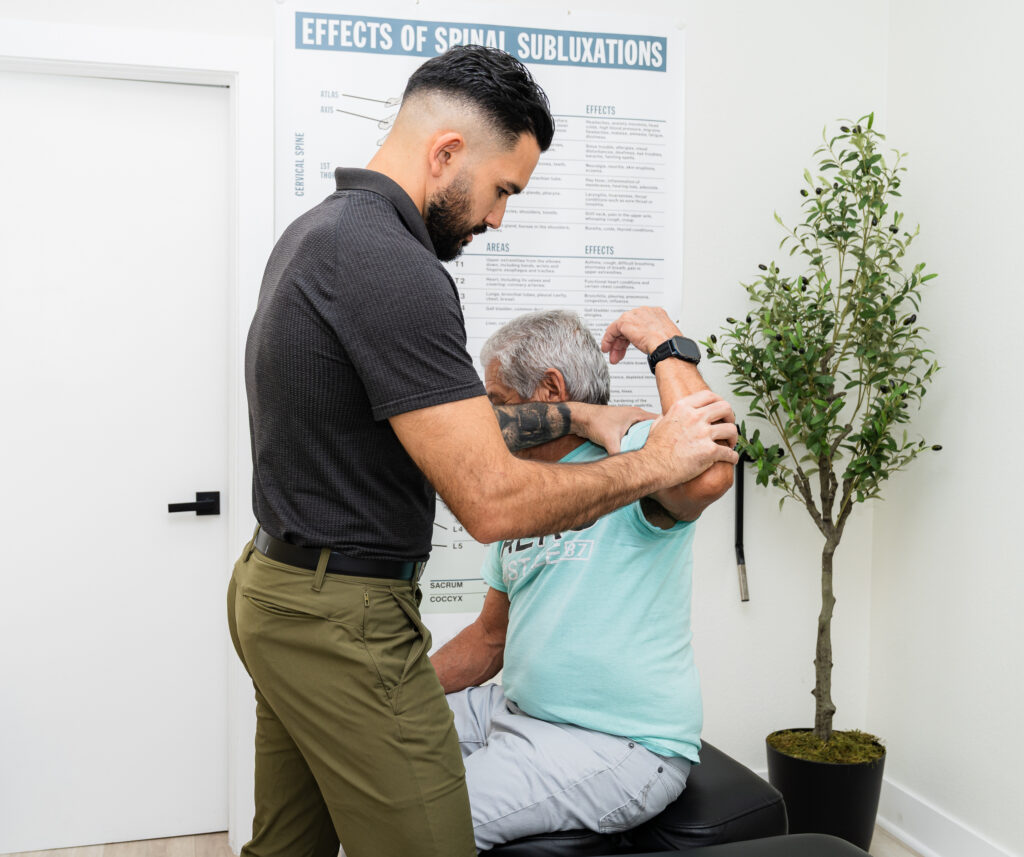

If you’ve ever experienced whiplash, you know how overwhelming the pain can be. It’s crucial to understand the symptoms and causes to find effective relief. As a chiropractor, I believe that natural healing methods, particularly chiropractic care, are your best allies in managing discomfort and promoting recovery.
Rest and recovery are essential when dealing with whiplash, but incorporating targeted chiropractic adjustments can significantly enhance your healing process. These adjustments help restore proper alignment to your spine, reducing tension in the neck and alleviating pain. In addition to chiropractic care, gentle stretching and strengthening exercises can support your recovery. Simple neck stretches, such as slowly tilting your head from side to side, can help improve mobility and reduce stiffness.
Alternative therapies, like massage and acupuncture, can also complement your chiropractic treatment by enhancing relaxation and circulation. However, remember that the foundation of your recovery should be chiropractic care, which addresses the root cause of your pain rather than just masking the symptoms.
To ensure a smoother recovery journey, consider these helpful tips:
- Stay hydrated to support your body’s healing processes.
- Apply heat or cold packs to the affected area to reduce inflammation and promote relaxation.
- Practice good posture to prevent additional strain on your neck.
By focusing on these natural approaches and prioritizing chiropractic care, you can effectively manage whiplash pain and work towards optimal health. Remember, your body has a remarkable ability to heal itself, especially when supported by the right techniques.
Understanding Whiplash: Symptoms and Causes
Understanding Whiplash: Symptoms and Causes
If you’ve ever experienced whiplash, you know how important it’s to recognize its symptoms and understand what causes this common neck injury. Whiplash often occurs during rear-end collisions, sports accidents, or any sudden jerk of the head. Right after the incident, you may feel immediate neck pain, stiffness, or headaches. These symptoms can sometimes take hours or even days to appear.
Along with neck discomfort, you might also experience dizziness, fatigue, or difficulty concentrating. These issues are often a result of the trauma your body has faced. Whiplash happens when the neck moves rapidly back and forth, straining the muscles, ligaments, and tendons in your neck. This quick movement can lead to inflammation and pain, making it essential to address the issue promptly.
Recognizing these symptoms early is key to seeking effective treatment, and chiropractic care can be an excellent option for relieving pain and promoting natural healing. Chiropractors focus on the spine and the musculoskeletal system, providing hands-on adjustments that can help restore motion, reduce pain, and improve overall function.
If you’re dealing with whiplash or want to prevent it in the future, here are a few tips to consider:
- Practice Good Posture: Maintaining proper alignment of your spine can help reduce stress on your neck.
- Stay Active: Gentle exercises and stretches can strengthen your neck muscles and improve flexibility.
- Use Proper Support: When driving or watching TV, ensure your head and neck are well-supported.
- Seek Chiropractic Care: A chiropractor can help address the root cause of your discomfort and guide you through recovery with natural techniques.
The Importance of Rest and Recovery
After experiencing whiplash, prioritizing rest and recovery is crucial for your healing journey. Your body needs time to repair the damaged muscles and ligaments in your neck, and this is where chiropractic care can play a vital role. By allowing yourself to rest and incorporating gentle chiropractic adjustments, you can reduce inflammation and minimize pain, which may help speed up your recovery process.
Remember to take breaks from activities that worsen your discomfort. Gentle movements and stretches, guided by your chiropractor, can promote healing without exacerbating your pain. Utilizing ice or heat therapy can also provide relief, but always consult your chiropractor for personalized advice.
Listening to your body is key; if you feel fatigued, give yourself permission to rest without any guilt. Your chiropractor can guide you on how to create a balanced routine that incorporates both rest and gentle activity.
Additionally, consider how you sleep. Finding a comfortable position that supports your neck is essential. A supportive pillow can make a significant difference in your recovery experience. Your chiropractor can offer recommendations tailored to your specific needs, ensuring you’re on the right track to optimal health.
Stretching and Strengthening Exercises
Incorporating stretching and strengthening exercises into your recovery plan can significantly aid your healing process from whiplash, and chiropractic care can enhance these efforts for optimal results. These exercises not only improve flexibility but also boost blood flow and strengthen the muscles that support your neck, which is vital for overall spinal health.
Start with gentle neck stretches such as tilting your head side to side and forward and backward. Hold each position for about 15-30 seconds. As you begin to feel more comfortable and your pain subsides, gradually increase the range of motion. This gentle approach is essential to avoid further strain, ensuring your recovery is safe and effective.
Once you feel ready, you can incorporate strengthening exercises. A great starting point is isometric exercises, where you gently push against your hand in various directions without moving your head. This method helps build muscle support while minimizing strain on your neck.
Always listen to your body; if you encounter pain, it’s important to stop and rest. Aim to practice these exercises several times a week. Additionally, consider visiting a chiropractor who can provide personalized guidance tailored to your specific needs. Chiropractic care not only focuses on relieving pain but also supports your overall wellness and promotes natural healing.
By committing to a routine of stretching and strengthening, combined with the benefits of chiropractic care, you’ll likely notice improved mobility and reduced pain over time.
Alternative Therapies for Pain Relief
Exploring alternative therapies for pain relief is important, especially when managing whiplash symptoms. While there are various options available, I want to highlight how chiropractic care stands out as a top choice for achieving optimal health and wellness.
Here are three complementary therapies to consider, with a focus on how chiropractic care can lead the way:
1. Chiropractic Care: As a chiropractor, I can confidently say that spinal adjustments are one of the most effective ways to address pain caused by whiplash. By realigning your spine, we can improve mobility and alleviate discomfort.
Chiropractic care not only targets the immediate symptoms but also addresses the underlying issues, promoting long-term healing and better overall health.
2. Massage Therapy: While massage therapy can be beneficial for relieving muscle tension and improving circulation, it works best in conjunction with chiropractic care. Regular chiropractic adjustments help to maintain proper alignment, allowing massages to be more effective in easing pain associated with whiplash.
If you enjoy massages, consider following up with your chiropractor to enhance the benefits.
3. Acupuncture: This ancient technique may help some individuals manage pain, but chiropractic care provides a more comprehensive approach to healing. By focusing on spinal health, you can experience lasting relief from whiplash symptoms.
An aligned spine supports proper nervous system function, which is crucial for overall well-being.
Incorporating chiropractic care into your recovery plan can provide you with the relief you need.
Remember to also practice good posture, stay active, and listen to your body as you heal. Prioritizing your spinal health is key to achieving and maintaining a pain-free lifestyle.
When to Seek Professional Help
Recognizing when to seek professional help is vital for effectively managing whiplash and maintaining your overall health. If you’re dealing with persistent pain, limited neck mobility, or headaches that don’t seem to improve with at-home remedies, it’s a good idea to consult a chiropractor. Our specialized knowledge in spinal health can help address these issues naturally and effectively.
Pay close attention to your body. If your symptoms worsen or you start experiencing unusual sensations, like tingling or numbness in your arms, it’s time to reach out for professional assistance. These signs could indicate that your body needs a more focused approach to healing.
Don’t overlook potential complications, such as severe dizziness or difficulty concentrating, as these may suggest a more serious concern. If you’ve recently been in an accident and notice your pain increasing, seeking a chiropractic assessment can be crucial in getting you back on track.
A chiropractor can create a personalized treatment plan tailored to your needs, focusing on natural healing methods that promote long-term wellness. Early intervention is key to preventing chronic issues and regaining your quality of life. Trust your instincts—if something feels off, it’s always wise to seek help.
In addition to professional care, consider incorporating gentle stretches and proper posture into your daily routine to support your neck and spine. Staying active and engaged in your wellness journey can make a significant difference in your recovery process.
Conclusion
In summary, managing whiplash pain effectively often starts with chiropractic care, which focuses on spinal health and natural healing. By visiting a chiropractor, you can receive personalized treatment that not only addresses your pain but also promotes overall wellness. Alongside professional care, incorporating gentle exercises and stretches can help restore movement and reduce discomfort.
It’s also essential to practice good posture throughout your daily activities, as this can significantly impact your recovery. Remember that mental wellness plays a crucial role in your healing journey; staying positive and engaged can enhance your recovery experience.
If you find that your pain persists or worsens, don’t hesitate to consult with your chiropractor for further guidance. Taking proactive steps, such as regular chiropractic adjustments, can lead to a smoother recovery and better long-term health. By focusing on natural methods for pain relief, you can achieve optimal wellness and maintain a healthier lifestyle.