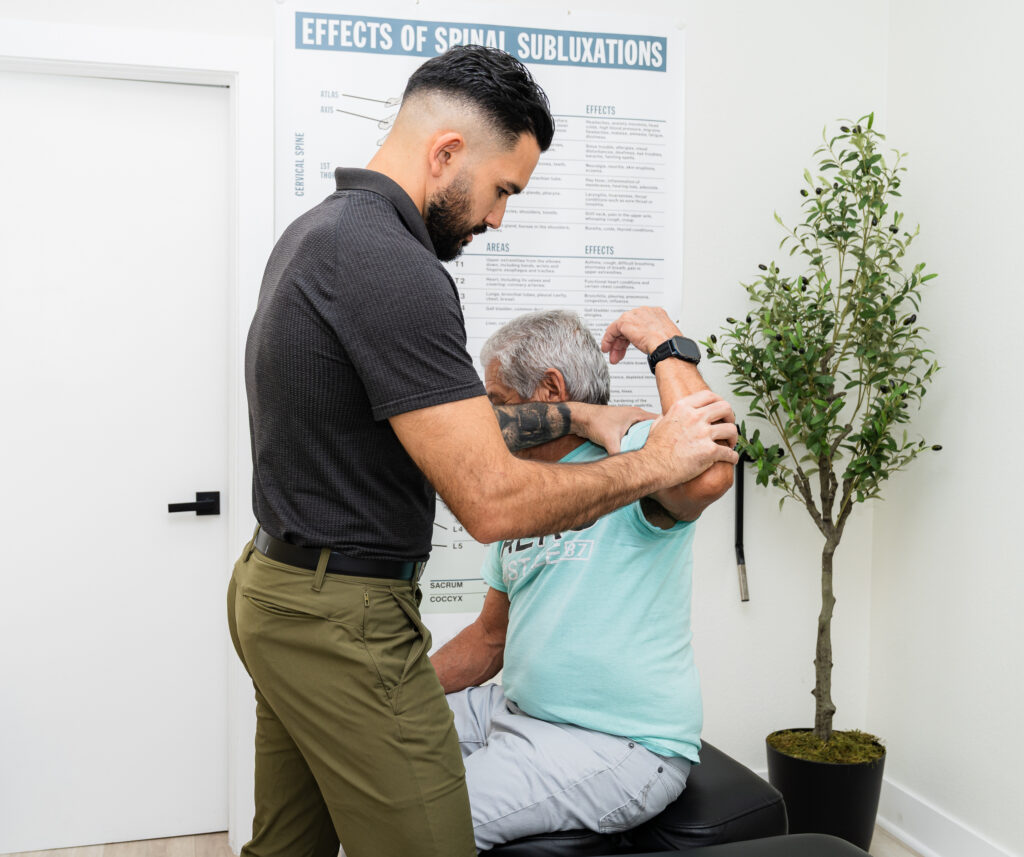

As a local chiropractor, I want to help you understand how your everyday habits may be influencing your risk of chronic pain. By participating in our quiz, you can gain valuable insights into your lifestyle choices, level of physical activity, and emotional health. This isn't just about assessing where you are right now; it's about discovering actionable steps you can take to prevent future discomfort. By uncovering your unique risk factors, you'll be empowered to make informed decisions that can enhance your overall well-being. Are you ready to learn more about how you can manage pain naturally and improve your quality of life?
Understanding Chronic Pain
As a local Chiropractor, I understand that grasping the complexities of chronic pain can be overwhelming. Many people perceive pain solely as a physical sensation, but it encompasses much more than that. Chronic pain persists long after the usual healing period, often lingering for months or even years. It can arise from various sources, be it injuries, medical conditions, or even psychological factors.
You might notice that sometimes this pain seems to lack a clear cause, which can be incredibly frustrating. The brain plays a crucial role in how we experience pain; it can amplify signals that don't accurately reflect the physical condition of your body. This means that even after an injury has healed, the pain can remain, significantly impacting your daily life and emotional health.
In addition to pain, chronic conditions often bring along other symptoms such as fatigue, sleep issues, and changes in mood, which can complicate matters further. You may feel isolated in your experience, especially if friends or family don't fully understand what you're going through. This disconnect can lead to feelings of frustration and even depression.
As we delve into the world of chronic pain together, it's important to recognize its multifaceted nature. Managing chronic pain isn't just about addressing the physical aspect; it also involves understanding the emotional and psychological strain it can impose.
As your Chiropractor, I encourage you to consider both the physical and emotional elements of your pain. By taking a holistic approach, including chiropractic care, we can work together to navigate the challenges of chronic pain and enhance your quality of life.
Common Risk Factors
Chronic pain doesn't affect everyone in the same way, and as your local chiropractor, I want to help you understand some common risk factors that can increase your chances of experiencing it. By being informed, you can take steps to prevent pain before it evolves into a chronic issue.
One major risk factor is age. As we age, our bodies naturally lose some resilience, which can make us more prone to injuries and conditions that lead to chronic pain.
Gender also plays a role; research indicates that women are more likely than men to develop chronic pain conditions, potentially due to hormonal differences and other biological factors.
Your genetic background is important too. If chronic pain or certain medical conditions run in your family, you might be at a higher risk of experiencing similar issues.
Psychological factors like anxiety and depression can further increase this risk. Chronic stress can hinder your body's ability to manage pain, making you more vulnerable to discomfort.
If you have a history of injuries or surgeries, this can also influence your experience with pain. A past injury may lead to ongoing discomfort in that area.
Additionally, existing health conditions such as arthritis or fibromyalgia can predispose you to chronic pain.
Don't overlook the impact of socioeconomic factors. Limited access to healthcare or support resources can worsen pain issues, putting you at an elevated risk.
As your chiropractor, I believe that understanding these common risk factors empowers you to take proactive measures. By recognizing your personal risks, we can work together to develop a tailored plan that promotes natural healing and helps prevent chronic pain before it starts.
Let's embark on this journey towards better health together!
Lifestyle Choices
As a local chiropractor, I want to emphasize how crucial your daily lifestyle choices are when it comes to managing chronic pain. The way you eat, how much you move, and your stress management techniques can significantly affect your pain levels.
For example, incorporating a diet rich in anti-inflammatory foods—such as fresh fruits, vegetables, whole grains, and healthy fats—can help alleviate inflammation, which is often a source of pain. On the flip side, consuming a lot of processed foods and sugars can trigger inflammation and increase your discomfort.
Regular physical activity is another vital aspect of pain management. Engaging in exercises like walking, swimming, or yoga can help strengthen your muscles, improve flexibility, and elevate your mood. It's important to choose activities you enjoy so that you can maintain a consistent routine.
However, be mindful not to overextend yourself; always listen to your body and modify your activities as necessary.
Sleep quality can't be overlooked either. Adequate sleep plays a fundamental role in recovery and pain management. Aim for 7-9 hours of restful sleep each night, and consider creating a calming bedtime routine to enhance your sleep experience.
Lastly, managing stress is essential for reducing pain levels. Techniques like mindfulness practices, meditation, or engaging in hobbies you love can help lower stress, which in turn can diminish your pain perception.
Chronic stress can intensify your experience of pain, so it's important to find healthy outlets for it. By making thoughtful lifestyle adjustments, you hold the power to positively influence your pain experience.
Think of these changes as proactive steps towards achieving a healthier, pain-free life. If you have any questions about how chiropractic care can support these efforts, feel free to ask!
Importance of Early Intervention
As a local chiropractor, I want to emphasize the importance of making proactive lifestyle choices to improve your overall well-being, especially when it comes to managing pain. However, even more critical is the concept of early intervention in preventing pain from developing into a chronic condition.
When you first notice any signs of discomfort, it's essential to address them promptly. Ignoring these symptoms often allows them to escalate, leading to more complicated issues down the road.
Many people dismiss occasional discomfort as a normal part of life, but when pain persists, it's your body's way of signaling that something needs attention. Seeking help early can provide you with effective strategies to manage your pain before it evolves into a chronic condition. This may involve chiropractic care, which focuses on aligning your spine and promoting overall wellness, as well as exploring physical therapy options or making simple adjustments to your daily routine.
Taking action sooner rather than later can significantly improve your chances of breaking the pain cycle. Waiting too long to seek treatment can lead to compensatory behaviors, where you unconsciously alter your movements to avoid pain. This can place extra strain on other parts of your body, creating a vicious cycle that's increasingly difficult to escape.
By incorporating early intervention into your pain management approach, you're not just reacting to discomfort; you're actively working to prevent pain from dominating your life.
Whether through chiropractic adjustments, lifestyle changes, or stress management techniques, the time to act is now. By prioritizing early intervention, you're setting yourself up for a healthier future with less chronic pain and greater vitality.
Let's work together to ensure you're on the right path to wellness!
Taking the Quiz
As a local chiropractor, I want to emphasize the importance of taking proactive steps toward your health, particularly when it comes to understanding pain management. One effective tool for assessing your current state of well-being is a quiz specifically designed to evaluate your pain management strategies. This quiz can help you uncover any risk factors or habits that may be contributing to chronic pain, allowing for a more comprehensive approach to your care.
By answering straightforward questions about your lifestyle, physical activity, and emotional health, you'll gain valuable insights into how you manage pain. It's crucial to approach this quiz with honesty. The accuracy of your results depends on your ability to thoughtfully reflect on your experiences and habits.
Take a moment to consider your daily routines, your stress management techniques, and your overall activity levels—these are all significant factors in effective pain management and prevention.
I encourage you not to rush through the quiz. Take your time and think carefully about each question. While it may seem like a simple exercise, the information you gather can be incredibly enlightening.
By the end of the quiz, you'll have a clearer understanding of areas where you might benefit from making changes or seeking further support, ultimately guiding you toward a path of natural healing and improved health.
Analyzing Your Results
As a local chiropractor, I want to emphasize the importance of analyzing your results from the quiz you just completed. Taking the time to reflect on your responses can lead to a better understanding of your pain management strategies and overall health. Let's explore this together.
First, let's identify your strengths. Look at the answers you provided that indicate effective pain management techniques. Are you regularly engaging in physical activities, maintaining a nutritious diet, or practicing mindfulness? Acknowledging these strengths not only boosts your confidence but also reinforces the positive habits that contribute to your well-being.
Now, let's turn our attention to any weaknesses revealed by your results. If some of your responses indicate challenges with stress management or a lack of regular exercise, it's important to take note of these areas. They can significantly contribute to chronic pain issues, and understanding where you may be vulnerable allows us to work together on tailored strategies for improvement.
It's also crucial to consider how your results align with your current lifestyle. Do you notice any inconsistencies between how you view your habits and what the quiz suggests? If you believed you were proactive in preventing pain but the results indicate otherwise, it may be time to reassess your daily routine and make any necessary adjustments.
And remember, you don't have to navigate this journey alone. If you feel overwhelmed or unsure about how to proceed, seeking guidance from a healthcare professional like myself can be incredibly beneficial. I can provide personalized advice based on your results, helping you create an effective pain management plan that may incorporate natural healing methods and chiropractic care.
Understanding your quiz results is a vital step toward empowering yourself in your journey to prevent chronic pain. Together, we can explore the best approaches for your unique situation and enhance your overall health and wellness.
Proactive Pain Prevention Strategies
As a local chiropractor, I want to emphasize the importance of proactive pain prevention strategies for your overall health and well-being. By taking steps now, you can significantly reduce your risk of developing chronic pain in the future.
One key approach is incorporating regular physical activity into your daily routine. Aim for at least 150 minutes of moderate exercise each week. Activities such as walking, swimming, or cycling not only strengthen your muscles but also enhance your flexibility and coordination, which can be instrumental in preventing injuries.
Maintaining a healthy weight is another crucial strategy. Excess weight can place additional strain on your joints, especially your knees and back. Eating a balanced diet that includes plenty of fruits, vegetables, whole grains, and lean proteins can support your body's needs and help you maintain a healthy weight.
I also encourage you to pay close attention to your posture, particularly if you spend long hours sitting at a desk. Utilizing ergonomic furniture and taking breaks every hour to stretch and move around can significantly reduce the risk of developing musculoskeletal pain, which is something I frequently see in my practice.
In addition, consider integrating mindfulness practices such as yoga or meditation into your life. These practices not only help manage stress but also improve your body awareness, making you more attuned to signs of discomfort before they escalate.
Finally, it's essential not to ignore early signs of pain. If you start to feel discomfort, addressing these issues promptly with proper rest, ice, or over-the-counter medications can prevent them from becoming chronic problems.
Resources for Further Support
As a local chiropractor, I'm here to guide you on your journey toward pain prevention and overall wellness through natural healing methods. One of the first steps you can take is to schedule a consultation with me or another healthcare provider. We can discuss your specific pain concerns, provide personalized advice, and explore various treatment options that chiropractic care offers, such as spinal adjustments and holistic therapies.
Open communication is essential, so don't hesitate to share your experiences and questions with us.
I also encourage you to look into community support groups focused on pain management. Engaging with others who've similar experiences can be incredibly beneficial, as they can provide emotional support and share practical tips for managing pain. There are resources, including the American Chronic Pain Association, that can help connect you with local groups.
In addition to in-person support, there are numerous online resources worth exploring. Websites like Mayo Clinic and WebMD offer valuable information on pain prevention strategies, exercises, and therapies, including those that complement chiropractic care.
Just make sure to verify the credibility of the information you find.
For those who prefer a more interactive approach, there are mobile apps designed to enhance your wellness journey. Apps focused on mindfulness, yoga, or physical therapy, such as Headspace, Calm, or PT Timer, can guide you through exercises and relaxation techniques that may help alleviate pain.
Lastly, I want to emphasize the importance of mental health in your overall well-being. Therapists who specialize in pain management can provide you with coping strategies and help address any emotional challenges that may arise due to persistent pain.
Together, we can work towards a healthier, pain-free life through chiropractic care and a comprehensive support network.
Conclusion
As your local chiropractor, I want to emphasize how taking this quiz is a vital first step in understanding how to manage your pain effectively. It provides you with valuable insights into your lifestyle choices and risk factors, allowing you to make informed decisions about your health. The journey toward preventing chronic pain begins with awareness and early intervention, and that's where chiropractic care comes in.
By embracing the strategies you've discovered, you can make proactive changes that support your body's natural healing abilities. Remember, your well-being is our priority, and we are here to guide you. Don't hesitate to reach out for further support or questions about chiropractic care. Small adjustments in your daily habits and routines can lead to significant improvements in your overall quality of life. Let's work together to enhance your health and prevent chronic pain!