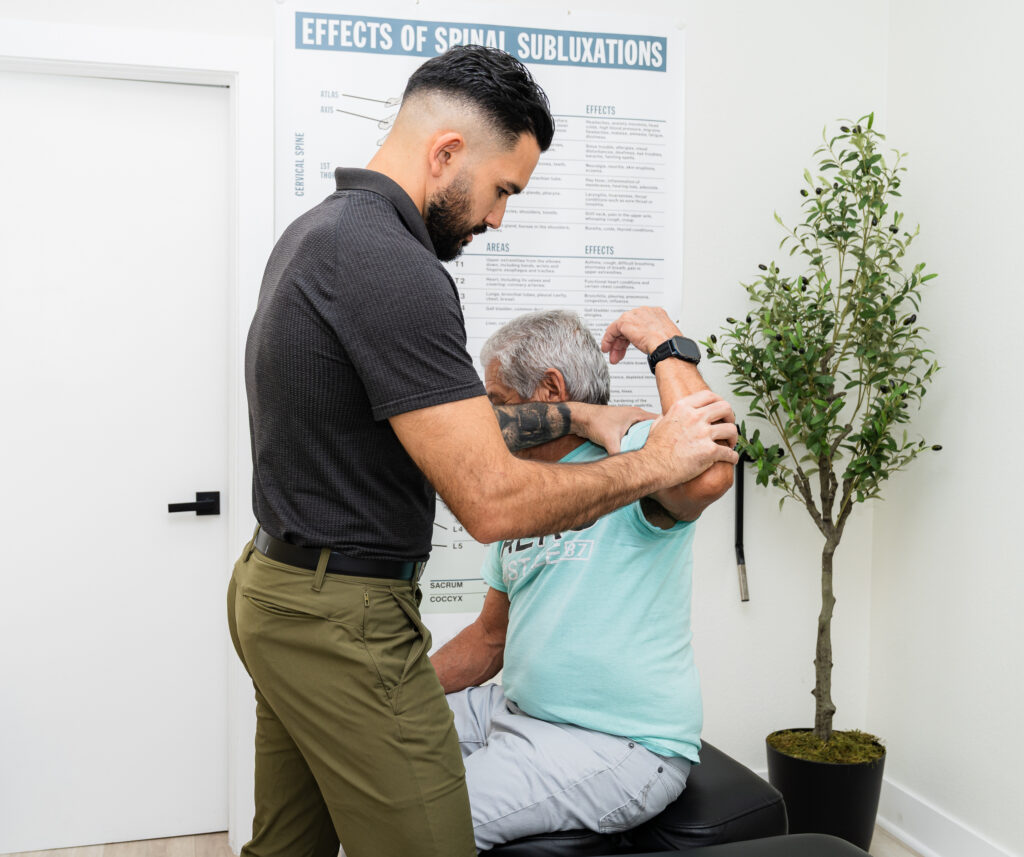

If you’ve experienced whiplash, you know how disruptive the pain and limited mobility can be. Recovery goes beyond just resting; it requires a holistic approach that includes exercises, therapies, and lifestyle changes. Understanding your injury and its symptoms is crucial, but what specific strategies can help you recover effectively? Let’s dive into key components that can significantly aid your healing process, with a focus on the benefits of chiropractic care.
Chiropractic care is a natural and effective way to address whiplash injuries. A chiropractor can assess your condition and develop a personalized treatment plan that may include spinal adjustments to restore proper alignment and alleviate pain. These adjustments can enhance your mobility and support your body’s natural healing processes.
In addition to chiropractic adjustments, incorporating gentle exercises into your routine can be beneficial. Simple neck stretches and strengthening exercises can help improve your range of motion over time. Always consult with your chiropractor before starting any exercise regimen to ensure it’s safe for your specific situation.
Another important aspect of recovery involves making lifestyle adjustments. Regularly practicing good posture, especially when sitting or using electronic devices, can help prevent further strain on your neck. Additionally, applying ice or heat to the affected area can provide relief and support your recovery.
Staying hydrated and maintaining a balanced diet rich in anti-inflammatory foods can also play a vital role in your healing journey. Foods like leafy greens, fatty fish, and nuts can help reduce inflammation and promote overall wellness.
Remember, every individual’s recovery journey is unique, so it’s essential to work closely with your chiropractor throughout the process. By focusing on natural healing methods and making smart lifestyle choices, you can pave the way for a smoother recovery from whiplash. Embrace the journey to optimal health with chiropractic care as your guiding partner!
Understanding Whiplash Injuries and Their Symptoms
Whiplash injuries, commonly arising from car accidents or sudden jolts, can lead to a variety of uncomfortable symptoms that may affect your daily life. Neck pain and stiffness are often the first signs, making it challenging to turn your head. You might also experience headaches that often start at the base of your skull and can linger as a regular annoyance.
Other symptoms can include fatigue, dizziness, or tingling sensations in your arms. Additionally, some individuals find it hard to concentrate or may notice memory lapses, which can be quite frustrating.
These symptoms can manifest immediately after the incident or develop over the course of several days. The severity and duration of your symptoms can vary significantly, depending on the extent of the injury. It’s crucial to listen to your body and seek chiropractic care if you notice any troubling signs. Chiropractors are experts in assessing and treating whiplash injuries through natural, non-invasive methods that focus on restoring your body’s function and promoting healing.
To help manage your symptoms while you seek chiropractic care, consider some simple tips:
- Gentle Movement: Engage in light neck exercises and stretches to maintain mobility, but avoid any activity that causes pain.
- Hot and Cold Therapy: Applying a cold pack can help reduce inflammation, while heat can relax tense muscles. Alternate between the two for added relief.
- Stay Hydrated: Drinking plenty of water supports overall health and can aid in the recovery process.
- Rest and Relaxation: Make sure to give your body time to heal. Prioritize sleep and consider relaxation techniques like deep breathing or meditation to help alleviate stress.
Understanding these symptoms not only empowers you to take charge of your health but also facilitates effective communication with your chiropractor, helping set the stage for a successful recovery journey. Embracing chiropractic care can be a key step towards achieving optimal health and wellness after a whiplash injury.
The Role of Physical Therapy in Recovery
Chiropractic care plays a vital role in your recovery from whiplash injuries, focusing on restoring strength and mobility to your neck in a natural and effective way. A qualified chiropractor will assess your condition and create a personalized treatment plan that addresses your specific needs. This plan may include adjustments that realign the spine and improve overall function, as well as exercises designed to enhance flexibility, strength, and range of motion.
During your sessions, you might engage in gentle movements that progressively challenge your muscles, helping to alleviate pain and support your recovery. Your chiropractor may also use techniques like soft tissue therapy to reduce stiffness and improve circulation, promoting healing without the need for medications or invasive procedures.
As you continue with your chiropractic care, your chiropractor will monitor your progress and modify your treatment plan as necessary, ensuring you stay on the path to recovery. By committing to your chiropractic sessions and practicing recommended exercises at home, you can accelerate your healing process.
Taking an active role in your recovery empowers you to overcome the challenges posed by whiplash. Remember to maintain good posture, stay hydrated, and incorporate gentle stretches into your daily routine.
Pain Management Techniques for Whiplash
When you’re navigating the discomfort of a whiplash injury, embracing effective pain management techniques is essential for your recovery. One of the first steps you can take is to apply ice packs to the affected area for 15-20 minutes a few times a day. This helps reduce inflammation and numbs pain naturally.
While over-the-counter pain relievers are common, I encourage focusing on holistic approaches that support your body’s natural healing processes.
As you start to feel a bit better, gentle stretching and mobility exercises are fantastic for easing tension in your neck. Consider visiting a chiropractor, who can provide tailored adjustments and therapies to help restore your spine’s alignment and promote healing.
If your chiropractor recommends a supportive neck brace, it can offer temporary relief, but be mindful not to rely on it for too long, as this may weaken your neck muscles.
Once the initial swelling has gone down, heat therapy, such as warm compresses or heating pads, can be soothing for tight muscles.
Moreover, it’s crucial to keep an open line of communication with your chiropractic team about your pain levels and recovery progress. They can adjust your treatment plan to ensure you’re on the right track to feeling your best.
Lifestyle Modifications to Support Healing
To support your healing journey from a whiplash injury, making some simple lifestyle modifications can significantly enhance your recovery. First and foremost, prioritize rest. Your body needs time to heal, and giving it that chance can make a big difference.
Incorporating gentle stretches and low-impact activities such as walking or swimming can help maintain your mobility without putting extra strain on your neck. Remember, movement is important, but it should be done carefully and mindfully.
Nutrition plays a vital role in your healing process. Aim for a balanced diet rich in anti-inflammatory foods like fresh fruits, vegetables, and omega-3 fatty acids. These foods can help reduce inflammation and promote healing.
Don’t forget to drink plenty of water throughout the day to stay hydrated—hydration is key to recovery.
Your posture matters too! Pay close attention to how you sit, especially when using electronic devices. Consider using ergonomic furniture to help support your spine and reduce neck strain. Good posture can alleviate discomfort and aid in your healing.
Incorporating relaxation techniques such as deep breathing exercises or meditation can also be beneficial. Stress can hinder your recovery, so finding ways to relax can create a better environment for healing.
Lastly, consider chiropractic care as a natural and effective approach to support your recovery. Chiropractors specialize in spinal health and can help relieve pain, improve mobility, and promote overall wellness without the need for medications or surgeries.
Regular adjustments may help restore alignment, allowing your body to heal more effectively.
When to Seek Further Medical Attention
How can you tell if your whiplash recovery isn’t progressing as it should? If you notice persistent pain, stiffness, or headaches that don’t improve, it’s a good idea to reach out for further help. These symptoms might indicate that your body needs a little extra care. Consulting with a chiropractor can provide natural and effective relief tailored to your needs.
If you experience numbness, tingling, or weakness in your arms or legs, it’s important to seek professional advice. These sensations could be a sign of something more serious, and a chiropractor can help determine the best course of action.
Additionally, if your symptoms worsen despite following your care plan, or if you find it difficult to carry out daily tasks, don’t hesitate to get in touch with a chiropractic professional. We focus on addressing the root causes of discomfort and can offer you supportive strategies to regain your daily activities.
Should new symptoms arise, like dizziness, vision issues, or severe fatigue, it’s crucial to consult a chiropractor. These symptoms can often be linked to spinal health, and early intervention through chiropractic care can help prevent further complications and support a smoother recovery.
Remember to listen to your body. If something feels off, trust your instincts and seek help. Chiropractic care emphasizes your body’s natural ability to heal, and we can guide you on the path to optimal health. Your well-being is our priority, and we’re here to assist you every step of the way!
Conclusion
In summary, recovering from whiplash requires a holistic approach, and chiropractic care is a key element in achieving optimal health and wellness. Gentle chiropractic adjustments can help realign your spine and relieve pressure on nerves, promoting natural healing and pain relief. Additionally, incorporating gentle exercises as recommended by your chiropractor can enhance your recovery by strengthening the muscles around your neck.
It’s also important to prioritize lifestyle modifications that support your healing journey. This includes maintaining good posture, avoiding prolonged sitting, and ensuring your workspace is ergonomically friendly. Don’t hesitate to communicate openly with your chiropractor about your symptoms and progress; they can tailor your care plan to meet your specific needs.
Rest is equally vital in your recovery. Make sure to listen to your body and allow yourself the time you need to heal. Emotional support from friends, family, or support groups can also play an essential role in your overall well-being during this time.
If your symptoms persist or worsen, it’s crucial to return to your chiropractor for further evaluation. They can provide ongoing care and adjustments that may be necessary for your recovery. Remember, chiropractic care is a natural and effective way to support your body’s healing processes and enhance your overall health.