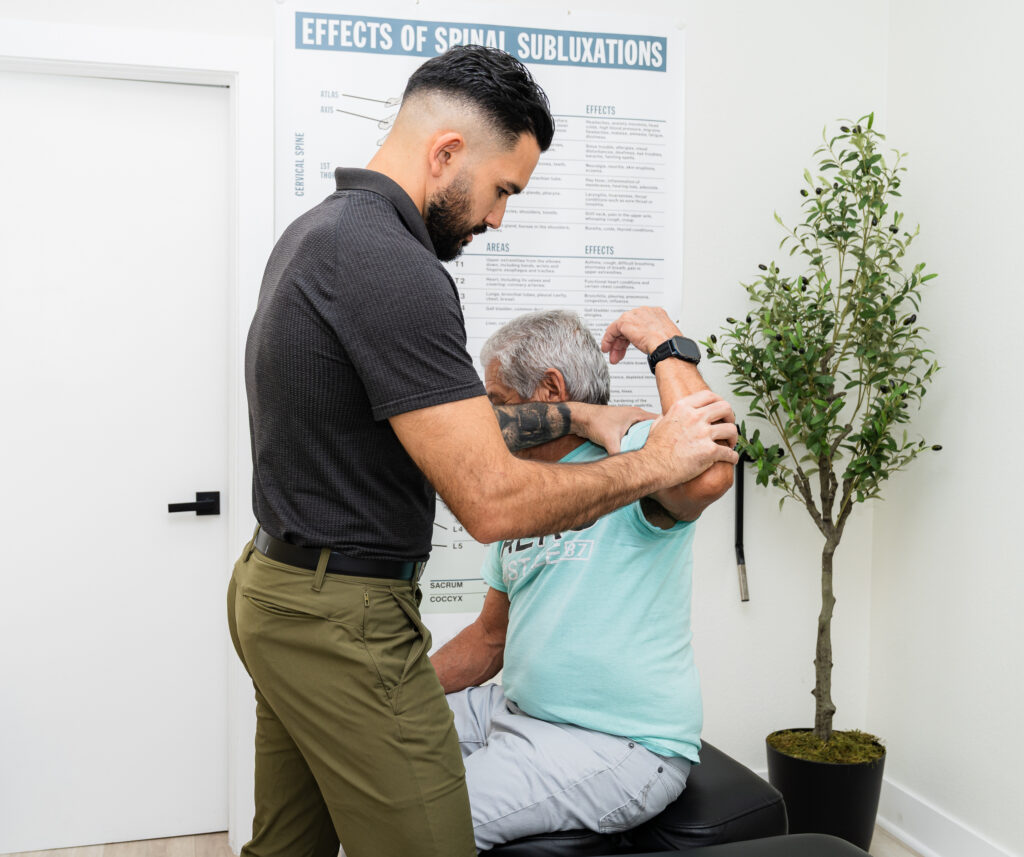

As a local chiropractor, I want to reassure you that if you’re experiencing back pain, you’re not alone. Many individuals face this discomfort, which can significantly interfere with daily activities. The good news is that there are natural methods to alleviate this pain. By making some straightforward adjustments to your daily routine and incorporating specific practices, you can effectively reduce your discomfort. Are you interested in learning about strategies that can help restore your comfort and mobility? Let’s dive into these seven valuable tips that can truly make a difference in your journey towards relief and well-being.
Maintain Good Posture
As a local chiropractor, I want to emphasize the importance of maintaining good posture for both your overall appearance and your spinal health. Good posture can significantly decrease your chances of experiencing back pain. When you stand tall, with your shoulders back and your spine properly aligned, you create a solid foundation for your body.
To achieve this, remember to keep your ears aligned over your shoulders and your hips directly beneath them. This straightforward adjustment is key to distributing your body weight evenly, which helps alleviate unnecessary strain on your back.
When sitting, it’s essential to keep your feet flat on the ground and your knees bent at a 90-degree angle. Opt for a chair that provides adequate support for your lower back, and make a conscious effort to avoid slumping or leaning forward.
If you’re working at a desk, ensure your computer screen is at eye level to help prevent strain on your neck. Additionally, take regular breaks to stand and stretch during long periods of sitting.
These small, proactive steps can significantly enhance your posture and overall comfort. By adopting these habits, you can protect your spine and reduce the likelihood of future pain. Your body will thank you for it!
Incorporate Stretching Exercises
As a local chiropractor dedicated to helping you achieve optimal health, I want to emphasize the importance of incorporating stretching exercises into your daily routine. Stretching can significantly alleviate back pain and enhance your overall flexibility, which is essential for maintaining a healthy spine and body.
Focusing on specific stretching techniques that target key muscle groups can make a world of difference in your well-being. For instance, stretches that engage the hamstrings, hip flexors, and lower back can relieve tension and improve mobility.
Consistency is key—maintaining a regular frequency and duration for your stretching exercises will yield the best results over time.
Let’s take a closer look at the numerous benefits of stretching and the best practices to ensure that you’re stretching effectively and safely. By integrating these practices into your routine, you’ll not only support your chiropractic care but also empower yourself towards a healthier, pain-free lifestyle.
Benefits of Stretching
As your local chiropractor, I want to emphasize the importance of flexibility in maintaining a healthy back and how stretching can play a crucial role in achieving that. Many of my patients may not realize that incorporating regular stretching into your daily routine can significantly alleviate back pain.
Stretching helps to loosen tight muscles, enhances your range of motion, and reduces tension in your back. This not only provides relief from current discomfort but also helps to prevent future issues.
When you stretch, you increase blood flow to your muscles, which aids in healing and decreases inflammation. Additionally, stretching encourages better posture, which can further relieve strain on your spine.
I often recommend dedicating just a few minutes each day to stretching as part of your self-care routine. This simple practice can boost your overall well-being, enhance relaxation, and reduce stress levels.
So, I encourage you to take the time to stretch regularly. It’s a natural and effective way to support your back health and improve your quality of life.
If you have any questions or need guidance on specific stretches, feel free to ask during your next visit. Together, we can work towards a healthier, pain-free back!
Recommended Stretching Techniques
As a local chiropractor dedicated to helping my patients find relief from back pain, I want to share some effective stretching techniques that can be easily incorporated into your daily routine.
One great stretch to begin with is the cat-cow stretch. By getting on all fours and alternating between arching and rounding your back, you can enhance your flexibility and relieve built-up tension in your spine.
Another beneficial stretch is the child’s pose. Simply kneel down, sit back on your heels, and extend your arms forward on the floor. This gentle position helps elongate your spine and promotes relaxation.
You might also try the seated forward bend. In this stretch, sit with your legs extended in front of you and reach toward your toes. This not only stretches your hamstrings but also helps decompress your lower back. Aim to hold each stretch for about 15-30 seconds, breathing deeply throughout.
Lastly, consider adding the standing side stretch to your routine. By reaching one arm overhead and leaning to the opposite side, you open up your torso and alleviate tightness in your back.
Incorporating these stretches into your daily life can significantly improve your mobility and help ease discomfort.
Frequency and Duration
As a local chiropractor, I want to emphasize the importance of regular stretching exercises in managing back pain effectively. It’s crucial to integrate these stretches into your routine at least three to four times a week, spending about 15 to 20 minutes on each session. This consistent practice not only helps maintain flexibility but also reduces muscle tension, which is vital for your overall well-being.
When stretching, pay special attention to your lower back, hips, and hamstrings. Tightness in these areas is often a significant contributor to discomfort, so focusing on them can lead to noticeable relief. Take your time with each stretch—holding for 15 to 30 seconds while breathing deeply can enhance relaxation and effectiveness.
Additionally, I recommend incorporating short stretching breaks throughout your day, particularly if you find yourself sitting for long periods. These brief interludes not only help alleviate pain but also support better posture and promote overall spinal health.
Apply Heat or Cold Therapy
As a local chiropractor, I want to share some effective methods for relieving back pain that many of my patients have found helpful: heat and cold therapy.
Applying heat is a great way to alleviate discomfort. You can use a heating pad, a warm towel, or even a hot water bottle. The heat works by increasing blood flow to the affected area, helping to relax tight muscles and ease stiffness.
However, it’s important to limit your heat application to around 20 minutes to avoid overheating the skin.
On the flip side, cold therapy can be very beneficial as well. It’s particularly effective for reducing inflammation and numbing sharp pain. You can apply a cold pack, ice wrapped in a towel, or a bag of frozen vegetables.
Just like with heat, keep your cold therapy sessions to about 20 minutes to protect your skin from damage.
I encourage you to experiment with both heat and cold to see which method provides you with the best relief. Some patients find that alternating between the two can offer even better results.
Always pay attention to how your body responds; if you notice that your pain worsens or doesn’t improve, please consult with a healthcare professional for further guidance.
Stay Active With Low-Impact Activities
As a local chiropractor, I want to share with you the importance of staying active, especially when it comes to managing back pain. Engaging in low-impact activities can significantly enhance your overall well-being and aid in your recovery.
Gentle stretching exercises, swimming, and walking are excellent choices that not only keep your body moving but also help alleviate discomfort and improve flexibility.
Incorporating these activities into your daily routine can provide you with relief from back pain while supporting your spine’s health. Stretching can help maintain muscle elasticity, swimming is a fantastic way to relieve pressure on your joints while providing a full-body workout, and walking is a simple yet effective way to increase circulation and strengthen your core muscles.
By embracing these low-impact activities, you can enhance your healing journey and promote a pain-free lifestyle.
If you have any questions about how to get started with these exercises or how they can complement your chiropractic care, feel free to reach out. Your health is our priority, and together, we can find the best approach for your recovery.
Gentle Stretching Exercises
As a chiropractor, I often see patients who believe that resting is the optimal solution for back pain. However, I want to emphasize that incorporating gentle stretching exercises into your daily routine can significantly aid in your recovery and promote overall healing. These stretches not only help maintain your activity levels but also enhance your flexibility and reduce muscle tension.
Consider incorporating simple movements like the cat-cow stretch or child’s pose into your day. These exercises are designed to gently elongate your spine and release tight muscles, which is crucial for your back health. When performing these stretches, aim to hold each position for 15 to 30 seconds while taking deep breaths. This mindful approach can help you connect with your body and enhance the benefits of the stretches.
It’s important to listen to your body throughout this process. If you experience any pain during the stretches, be sure to ease off. You don’t need to overexert yourself; even dedicating just a few minutes each day to gentle stretching can lead to remarkable improvements.
Staying active through these stretches not only helps improve circulation but also encourages your body to heal naturally. Remember, chiropractic care is about supporting your body’s innate ability to heal itself, and gentle stretching is a wonderful complement to that philosophy.
Swimming for Relief
As a local chiropractor, I often recommend swimming as one of the most effective low-impact activities for alleviating back pain.
When you swim, the buoyancy of the water supports your body, easing the pressure on your spine and joints. This unique environment allows you to engage in gentle resistance exercises that can strengthen your back muscles without the strain commonly associated with traditional workouts.
There are several swimming strokes to choose from, such as freestyle and backstroke, both of which can enhance flexibility and promote proper posture.
Additionally, swimming is excellent for improving circulation, which plays a vital role in healing sore muscles and reducing discomfort.
If you’re new to swimming, I suggest starting with shorter sessions and gradually increasing your time in the pool as your body adjusts.
It’s essential to listen to your body—if you experience any discomfort, consider modifying your technique or taking a break.
By integrating swimming into your routine, you can stay active while effectively managing and relieving back pain.
Walking Benefits Explained
As a local chiropractor, I want to share with you the incredible benefits of walking, particularly for those managing back pain. Walking is a fantastic low-impact exercise that allows you to stay active without placing undue stress on your spine.
When you engage in walking, you enhance blood circulation, which is essential for delivering vital nutrients to your muscles and tissues, ultimately speeding up the recovery process.
Moreover, regular walking helps to strengthen your core and back muscles. This increased strength provides better support for your spine, which is crucial for preventing and alleviating pain.
You don’t need to dedicate hours to this activity; even short, brisk walks throughout your day can lead to significant improvements in your well-being.
I recommend aiming for 20-30 minutes of walking most days of the week. If you’re new to this, start on flat surfaces and gradually work your way up in terms of pace and distance.
Not only does walking help to ease discomfort, but it also enhances your mood and overall health. Incorporating walking into your routine can be a simple yet effective way to support your body’s natural healing processes.
Use Essential Oils for Relief
As a local chiropractor, I want to share with you the benefits of using essential oils as a natural and soothing method to help alleviate back pain. Many people may not realize that oils like lavender, peppermint, and eucalyptus possess anti-inflammatory properties, which can be quite effective in reducing discomfort.
One way to use these oils is by diluting a few drops in a carrier oil, such as coconut or jojoba oil. When you gently massage this mixture into the affected area, you not only provide pain relief but also encourage relaxation in your muscles. This approach complements the chiropractic adjustments I provide, as it helps to relieve tension in the body.
Another effective method is to add essential oils to a warm bath. The combination of heat and the aromatic properties of the oils can significantly relieve muscle tension and enhance circulation, which is vital for healing.
Additionally, using a diffuser in your home can create a calming atmosphere, allowing the therapeutic scents to fill the space and promote your overall well-being.
Before applying any essential oil directly to your skin, I recommend conducting a patch test to avoid any irritation. With a little experimentation, you can discover the right essential oil blend that works for you in managing back pain.
Try Mindfulness and Relaxation Techniques
As a local chiropractor, I often emphasize the importance of incorporating mindfulness and relaxation techniques into your routine for enhanced back pain relief. Many of my patients find that practicing mindfulness helps them stay present and more aware of their bodies, which is crucial for identifying areas of tension and discomfort.
I recommend setting aside just a few minutes each day to focus on your breath. A simple practice you can try is to inhale deeply, hold your breath for a moment, and then exhale slowly. This technique can significantly reduce stress levels and promote a sense of relaxation, both of which are essential for effective healing.
Additionally, consider incorporating gentle stretching or yoga into your daily activities. These practices not only help release tight muscles but also improve flexibility, which is vital for alleviating back pain.
Another technique to explore is progressive muscle relaxation. This involves tensing and then relaxing each muscle group in your body, starting from your toes and moving up to your head. This method can help you pinpoint areas of tension and foster a deeper state of relaxation.
Ensure a Supportive Sleep Environment
As a local Chiropractor, I understand how crucial it’s to create a supportive sleep environment, especially for those of you dealing with back pain. The quality of your rest significantly affects your recovery, and I want to help you optimize your sleeping space.
First, let’s talk about your mattress. It’s important to have one that’s firm enough to support your spine yet still comfortable for you. If you notice that your mattress is sagging or not providing adequate support, it might be time to consider a replacement. A good mattress can make all the difference in alleviating back pain.
Pillows are another key factor. They should support the natural curve of your neck without lifting your head too high. For those who sleep on their side, placing a pillow between your knees can help reduce pressure on your lower back, promoting better alignment.
Creating a cool, dark, and quiet bedroom environment is also vital. Blackout curtains can help block out light, and white noise machines or earplugs can minimize disruptive sounds, allowing you to drift off into a deeper sleep.
Lastly, I encourage you to establish a consistent sleep routine. Going to bed and waking up at the same time each day helps regulate your body’s internal clock, which can enhance sleep quality and, in turn, alleviate your back pain.
Conclusion
As a local chiropractor, I want to share with you seven natural tips that can help relieve back pain and enhance your overall well-being. First and foremost, it’s crucial to maintain good posture throughout your daily activities. This simple adjustment can make a significant difference in how your back feels. Staying active is also key; regular movement can keep your spine healthy and strong.
Don’t forget to incorporate stretching into your routine; it can help increase flexibility and reduce tension in your back muscles. Heat and cold therapy can be incredibly effective for pain relief—heat can soothe tight muscles, while cold can reduce inflammation.
Additionally, consider using essential oils, which can offer therapeutic benefits and promote relaxation. Mindfulness techniques, such as deep breathing or meditation, can also play a role in managing pain and stress. Lastly, ensure your sleep environment is conducive to spinal health by choosing a supportive mattress and pillow.
By adopting these strategies, you’re taking proactive steps toward a healthier, pain-free back. Prioritizing your spinal health is essential, and with a little effort, you can feel the positive impact on your overall quality of life!