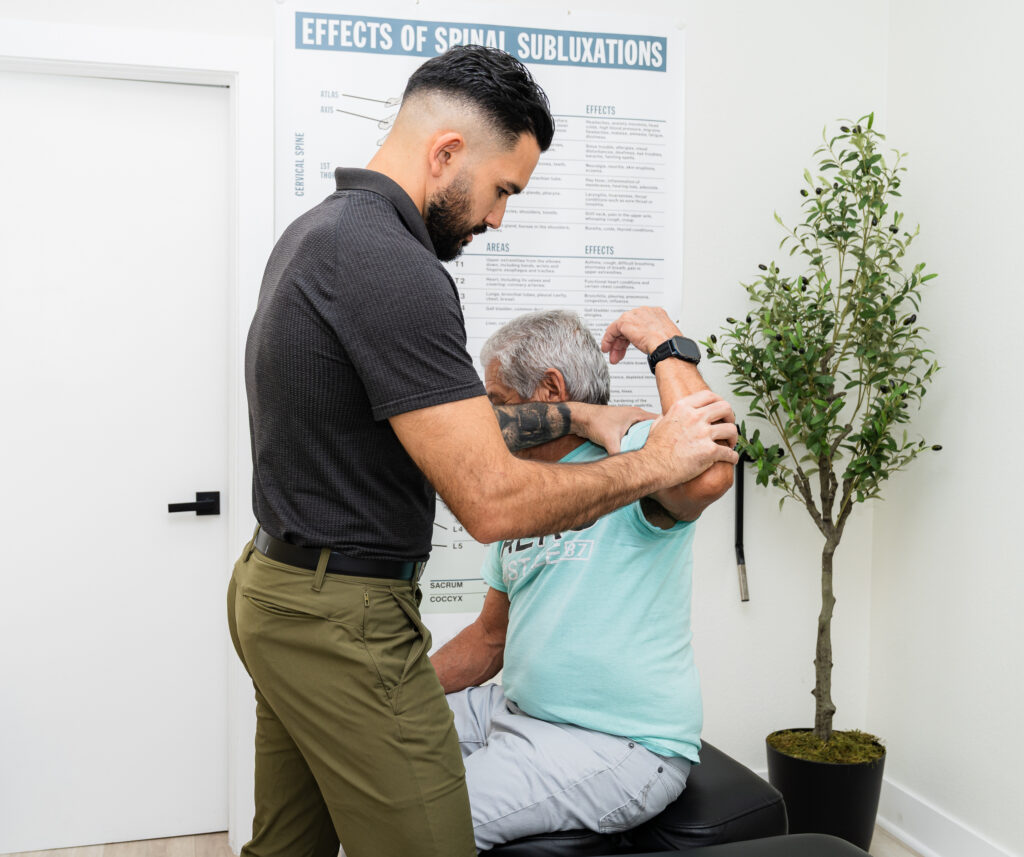

As a local chiropractor, I want to share with you the wide array of natural techniques available for managing pain. Many patients are often surprised to learn that effective options exist beyond traditional medication. Techniques such as mindfulness meditation and herbal remedies can provide unique benefits, enhancing not just your pain relief but your overall well-being as well.
I encourage you to explore these methods as part of your pain management plan. Incorporating them into your daily routine may help you find relief and improve your quality of life. Let’s take a closer look at each technique and discover how they can complement chiropractic care and what might work best for your individual needs. Your journey towards natural healing starts here!
Mindfulness Meditation
As a chiropractor, I understand that pain can often feel overwhelming, but I want to introduce you to mindfulness meditation as a complementary tool to help you manage it more effectively. By focusing your attention on the present moment, mindfulness can create a sense of calm, even in the midst of discomfort.
To begin, find a quiet space where you can sit undisturbed. Get comfortable, close your eyes, and take deep, slow breaths. As you inhale and exhale, pay attention to the sensations in your body, particularly any areas where you feel pain. Rather than resisting these sensations, I encourage you to acknowledge them without judgment.
Let your breath naturally flow in and out, gently guiding your awareness back whenever your mind starts to wander. This practice can help cultivate a more compassionate relationship with your pain, allowing you to respond thoughtfully rather than react impulsively.
Over time, you may notice that incorporating mindfulness can reduce your perception of pain, helping you regain control over your body and experience.
I recommend embracing this technique regularly alongside chiropractic care to enhance your overall well-being and support your journey toward natural healing.
Yoga and Stretching
As a local chiropractor, I want to share how yoga and stretching can be incredibly beneficial for managing pain.
These practices do more than just improve flexibility; they also help promote relaxation and alleviate tension within your body. By integrating effective stretching techniques into your daily routine, you can significantly enhance your overall well-being and experience relief from discomfort.
Understanding the importance of these natural healing methods is crucial for your journey toward better health.
Let’s explore how these practices can work alongside chiropractic care to support your body’s healing process.
Benefits of Yoga
As a local chiropractor, I want to share with you the incredible benefits of incorporating yoga and stretching into your pain management routine. Many of my patients have found that a holistic approach can significantly enhance their healing process.
Yoga works wonders in improving flexibility, strength, and balance—all key factors in reducing discomfort. Through mindful breathing and movement, yoga helps to alleviate stress and promote relaxation, which can ease tension in your body.
By practicing regularly, you can develop greater body awareness, enabling you to recognize and address the triggers of your pain more effectively. The gentle stretches and poses involved in yoga improve circulation, which facilitates the delivery of oxygen and essential nutrients to areas in need of healing.
Beyond the physical benefits, yoga also supports mental clarity and emotional well-being, which are vital when coping with chronic pain. By integrating yoga into your lifestyle, you not only complement your chiropractic care but also empower yourself to take an active role in your pain management journey.
Together, we can work towards a healthier, more balanced you.
Effective Stretching Techniques
Incorporating effective stretching techniques into your wellness routine can significantly enhance the benefits of yoga and assist in managing discomfort. As a chiropractor, I often emphasize that these techniques can improve your flexibility, alleviate muscle tension, and promote relaxation.
Here are some key stretching methods you might consider:
- Dynamic stretches: These involve controlled movements that help prepare your muscles before engaging in yoga. They can increase blood flow and range of motion, which is essential for preventing injuries.
- Static stretches: After your yoga session, holding stretches for 15-30 seconds can deepen your flexibility and relieve tightness. This is particularly beneficial for maintaining the progress made during yoga.
- Foam rolling: A foam roller can be a fantastic tool to target specific muscle groups. By rolling over these areas, you can release muscle knots and improve circulation, which is crucial for recovery and overall muscle health.
- Breath-focused stretches: Combining deep breathing with your stretches can greatly enhance relaxation and focus. This mindful approach not only supports your physical well-being but also promotes a sense of overall health and tranquility.
Acupuncture
As a local chiropractor, I want to introduce you to the benefits of natural healing methods, one of which is acupuncture. This ancient practice involves the insertion of fine needles into specific points on the body, a technique that can stimulate your body’s natural healing processes and help alleviate pain.
While chiropractic care focuses on adjusting the spine and improving overall alignment, acupuncture can complement this by targeting energy pathways and promoting balance within your body.
Both approaches prioritize natural healing and can work together to enhance your well-being. Let’s delve into how acupuncture functions and the numerous benefits it can provide for your health.
How Acupuncture Works
As a local chiropractor, I want to introduce you to an alternative approach to pain relief that complements conventional medicine—natural healing techniques, which include strategies like acupuncture.
Though many people rely on traditional treatments, practices such as acupuncture have been used for centuries to promote overall wellness.
Acupuncture focuses on balancing your body’s energy, known as “Qi.” This is achieved by gently inserting thin needles into specific points on the body. By stimulating these points, we can enhance circulation and encourage your body to release its own natural pain-relieving chemicals, helping you feel better without the use of pharmaceuticals.
During an acupuncture session, you can expect the following:
- A calming and serene environment that promotes relaxation
- A personalized treatment plan designed specifically for your health needs
- A sensation of slight pressure or tingling as the needles are inserted, which is perfectly normal
- A profound sense of calm and well-being as your body begins to respond to the treatment
If you’re curious about how acupuncture and other natural healing methods can support your health journey, I invite you to learn more and explore how these therapies can work alongside chiropractic care to enhance your overall wellness.
Benefits of Acupuncture
As a local chiropractor, I want to share with you the remarkable benefits of acupuncture, which can complement your chiropractic care and enhance your overall wellness.
Acupuncture goes beyond just alleviating pain; it can significantly help reduce stress and anxiety, creating a sense of balance and calm in your life. Many of my patients have reported improved sleep quality after receiving acupuncture, which in turn helps them face daily challenges with greater ease.
In addition to promoting relaxation, acupuncture can boost your energy levels and support a stronger immune system, allowing you to better fend off illnesses.
It also plays a role in improving digestive health and can assist with weight management efforts. By addressing the underlying causes of discomfort, acupuncture embraces a holistic approach to health that aligns perfectly with chiropractic principles.
If you’re seeking a natural and effective way to enhance your quality of life, I encourage you to consider incorporating acupuncture into your wellness routine.
The positive changes it can bring may pleasantly surprise you, and together with chiropractic care, it can lead to a healthier, more vibrant you.
Herbal Remedies
As a local chiropractor, I often see patients seeking relief from pain, and I want to share how herbal remedies can serve as a natural alternative that many find effective.
These remedies have a rich history of use and can complement the chiropractic care you receive, providing a gentle approach to managing discomfort. Here are a few options to consider:
- Turmeric: This powerful herb is well-known for its anti-inflammatory properties. It can be particularly beneficial for conditions like arthritis, helping to reduce pain and improve mobility.
- Ginger: This spicy root isn’t just a flavorful addition to your meals; it may also help alleviate muscle soreness and joint pain, making it an excellent choice for those actively engaged in physical activities.
- Willow Bark: Often referred to as nature’s aspirin, willow bark has been traditionally used to treat headaches and lower back pain. It can be a useful supplement in your pain management toolkit.
- Capsaicin: Found in chili peppers, capsaicin cream is known for providing localized pain relief. It works by desensitizing nerve endings, making it a great option for targeted discomfort.
As always, I recommend consulting with a healthcare professional before starting any herbal remedy, as they can interact with medications you may be taking.
Essential Oils
As a local chiropractor, I often find that many of my patients are looking for natural ways to manage pain and discomfort. One effective approach that I recommend is the use of essential oils. These concentrated plant extracts offer a variety of benefits and can help alleviate issues like headaches, muscle soreness, and inflammation.
Incorporating essential oils into your daily routine is quite simple. You can use them in a diffuser to create a calming atmosphere, add them to a warm bath for relaxation, or mix them with a carrier oil for direct application to sore areas.
For instance, if you’re experiencing headaches, peppermint and lavender oils are excellent choices. For muscle pain, eucalyptus and rosemary oils can provide significant relief. Just be sure to perform a patch test before applying any oil directly to your skin to avoid any adverse reactions.
It’s important to note that while essential oils can be beneficial, it’s always a good idea to consult with a healthcare professional—like myself—if you have questions about which oils to use or if you have any existing health conditions.
With the right guidance, essential oils can be a valuable addition to your pain management toolkit, complementing the chiropractic care I provide and promoting a more natural approach to healing and overall comfort.
Heat and Cold Therapy
As your local chiropractor, I want to share some insights on the benefits of heat and cold therapy for pain management.
These techniques can be incredibly effective when used correctly, and understanding how to apply them can help you find relief and promote healing.
– Heat therapy: When you apply a warm towel or heating pad, you’re not just soothing your muscles; you’re also improving blood flow.
This method is particularly beneficial for chronic pain or stiffness, helping to relax tight muscles and ease discomfort.
– Cold therapy: On the other hand, using an ice pack or cold compress can significantly reduce inflammation and swelling, especially after an injury.
It helps numb the area, providing quick relief from acute pain.
– Timing: For optimal results, I recommend alternating between heat and cold therapy.
This is especially useful after physical activities that may have strained your muscles or joints.
– Duration: Remember to limit each application to about 15-20 minutes.
This is crucial to prevent skin irritation or damage from prolonged exposure.
By incorporating these therapies into your self-care routine, you can enhance your recovery and manage pain more effectively.
If you have any questions or need personalized advice, please don’t hesitate to reach out during your next visit!
Nutrition and Hydration
As your local chiropractor, I want to emphasize that managing pain effectively involves more than just the physical adjustments and therapies we provide in our office.
It’s essential to recognize the significant impact that nutrition and hydration have on your body’s ability to heal and manage discomfort.
Eating a balanced diet that includes plenty of anti-inflammatory foods can make a real difference in how you feel.
Focus on incorporating fruits, vegetables, whole grains, and healthy fats into your meals. For example, omega-3 fatty acids, which are found in fish and flaxseeds, are particularly beneficial for reducing inflammation and pain.
Hydration is another key factor that often gets overlooked. When you’re well-hydrated, your body operates more efficiently, which can help reduce pain levels.
I encourage you to drink plenty of water throughout the day, and you might also consider herbal teas or nourishing broths for added health benefits.
It’s also important to be mindful of your intake of processed foods and sugars, as these can contribute to inflammation and exacerbate pain.
By making conscious choices about what you eat and drink, you can take an active role in managing your pain and supporting your overall well-being.
Together, we can work towards a holistic approach that enhances your health and promotes healing.
Conclusion
As your local chiropractor, I want to share with you some effective natural techniques that can help manage pain and promote your overall well-being. Integrating practices like mindfulness and yoga into your daily life can significantly enhance your body’s ability to cope with discomfort. Techniques such as acupuncture, herbal remedies, and the use of essential oils also offer holistic approaches that put you in control of your health journey.
Additionally, don’t underestimate the power of heat and cold therapy, which can provide immediate relief for various aches and pains. Maintaining a balanced diet and staying hydrated are crucial components of your health that can influence pain levels as well. By embracing these natural strategies, you not only work towards alleviating pain but also nurture your mind and body, paving the way for a healthier, more fulfilling life. Remember, chiropractic care can complement these techniques, supporting your body’s natural healing processes.