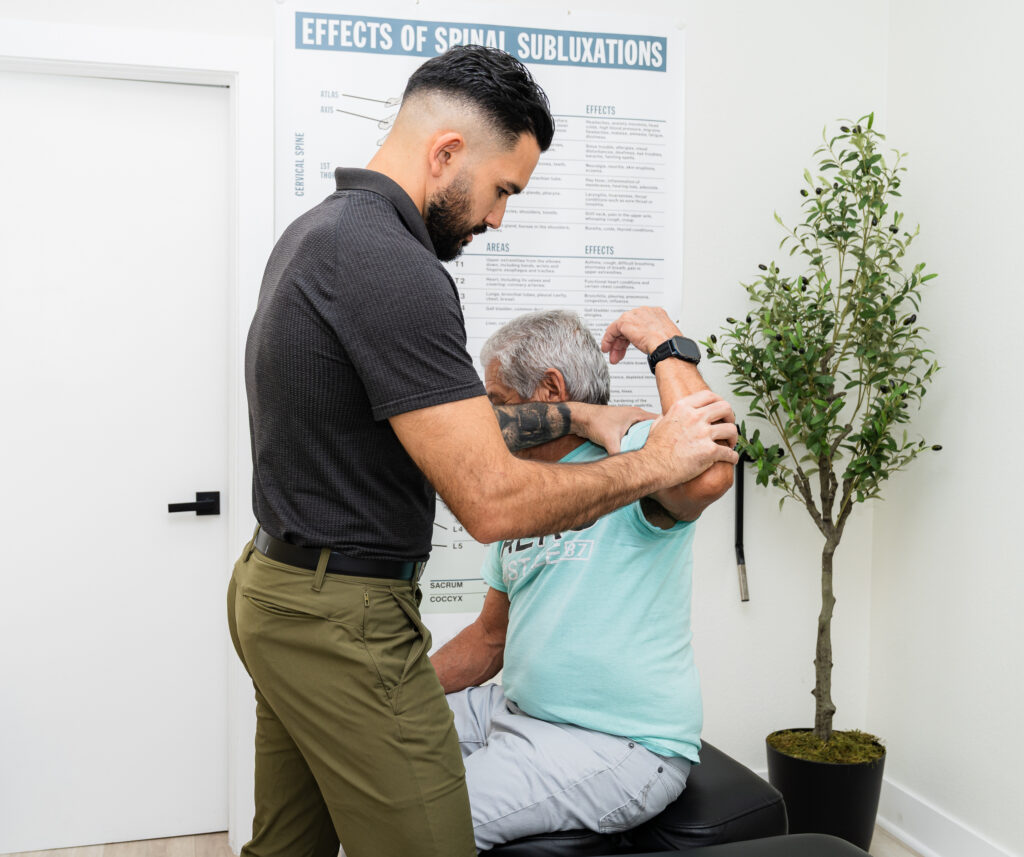

As a local chiropractor, I’ve seen many patients who have dealt with the frustration of a muscle strain. If you’ve experienced this, you’re not alone, and I’m here to help guide you through the essential steps for relief. Understanding the right approach can significantly enhance your recovery process and help you return to your regular activities more quickly.
So, what should you do first when faced with a muscle strain? Let’s delve into some effective strategies that not only aid in alleviating discomfort but also promote healing and strength recovery. Through chiropractic care and natural healing methods, we can work together to ensure you not only feel better but also reduce the risk of future strains. It’s all about fostering a deeper understanding of your body and how to care for it.
Understanding Muscle Strains
As a local chiropractor, I want to share some important information about muscle strains, which are quite common injuries that often arise when muscle fibers are stretched too far, causing them to tear.
You may find yourself experiencing a strain during various physical activities, such as lifting heavy objects, making sudden movements, or engaging in intense workouts. While strains can occur in any muscle, they’re most frequently seen in areas like the back, hamstrings, and quadriceps.
When you sustain a muscle strain, you might feel immediate pain, notice swelling, and experience limited mobility in the affected area. It’s crucial to differentiate between a muscle strain and more severe injuries, such as a complete tear or rupture.
Muscle strains are typically categorized into three grades: Grade I indicates a slight stretching of the muscle fibers; Grade II involves partial tears; and Grade III signifies a complete tear of the muscle. Understanding these classifications can empower you to assess the severity of your situation.
By familiarizing yourself with how muscle strains happen and their accompanying symptoms, you can take proactive measures to prevent them in the future.
At our chiropractic practice, we emphasize natural healing methods and educating our patients on how to maintain their muscle health, so you can enjoy a more active and pain-free lifestyle.
If you have any questions or concerns about muscle strains or how chiropractic care can assist in your recovery, please don’t hesitate to reach out!
Immediate Steps for Relief
As a local Chiropractor, I want to share some important steps you can take if you experience a muscle strain. It’s crucial to act quickly to enhance your recovery process. First and foremost, stop any activity that may have caused the strain. Pushing through the pain can lead to further injury and prolong your discomfort.
I recommend following the R.I.C.E. method: Rest, Ice, Compression, and Elevation. Begin by resting the affected area—this is vital to prevent additional damage.
Next, apply ice to the strained muscle for 15-20 minutes every hour. Remember to use a cloth to protect your skin from frostbite. After you’ve iced the area, wrap it with a compression bandage; this helps reduce swelling but be careful not to wrap it too tightly.
Elevating the injured muscle above heart level is also beneficial. This position helps minimize swelling and promotes better blood flow to the area, which is essential for healing.
However, if you notice that the pain persists or worsens, I strongly recommend seeking medical attention. Taking these immediate steps can significantly improve your recovery time and alleviate discomfort.
At our chiropractic practice, we focus on natural healing methods to support your body’s recovery. If you have any questions or would like to explore how chiropractic care can help you heal from injuries like muscle strains, feel free to reach out!
Home Remedies for Muscle Strain
As a local chiropractor, I often encounter patients looking for effective ways to manage muscle strains naturally. If you’re dealing with a muscle strain, there are several home remedies you can try that complement the care I provide in my practice.
First, it’s beneficial to apply a cold pack to the affected area for about 15-20 minutes several times a day. This can help reduce swelling and numb the pain, especially in the initial stages of your injury.
After a few days, transitioning to heat therapy is a great next step. Using a warm compress or heating pad can relax tight muscles and enhance blood flow, aiding in your recovery.
Over-the-counter pain relievers, such as ibuprofen or acetaminophen, can be helpful for managing discomfort as well. In addition, consider incorporating herbal remedies like arnica gel, known for its anti-inflammatory properties.
Staying well-hydrated is also crucial, as it supports the healing process.
Lastly, gentle massage around the strained muscle can relieve tension and promote relaxation. These remedies can provide significant relief, but it’s important to listen to your body.
If your symptoms persist or worsen, don’t hesitate to reach out to me or another healthcare professional for further evaluation and support. Remember, natural healing often works best when combined with proper chiropractic care!
Stretching and Strengthening Exercises
As a local chiropractor, I want to emphasize the importance of stretching and strengthening exercises in your overall health and wellness.
These exercises aren’t just for athletes; they’re vital for everyone looking to maintain flexibility and support their muscles. By integrating these movements into your daily routine, you can significantly reduce the risk of future strains and enhance your body’s recovery process.
Incorporating stretching into your regimen helps to improve your range of motion, which can alleviate tension and discomfort in your muscles.
Strengthening exercises, on the other hand, are key to building muscle support, which is crucial for maintaining proper alignment and function of your body. Together, these practices promote muscle health and overall well-being.
I encourage you to explore these exercises as part of a holistic approach to your health. They can make a remarkable difference in how you feel, move, and recover.
Importance of Flexibility
As a local chiropractor, I often emphasize the importance of flexibility in maintaining a healthy body and preventing injuries. Many people may not realize that flexibility is crucial for overall physical performance and wellbeing.
By incorporating regular stretching into your daily routine, you can enhance your range of motion and significantly reduce the likelihood of muscle strains. Here are three key benefits of flexibility that I encourage my patients to consider:
- Increased Range of Motion: When your joints can move freely, everyday activities become easier and more efficient. This means less strain on your body and a more enjoyable experience in daily life.
- Enhanced Athletic Performance: Whether you’re an athlete or just enjoy recreational activities, improved flexibility allows you to perform movements more effectively. This can lead to better results in your sports endeavors and help you achieve your fitness goals.
- Reduced Muscle Tension: Regular stretching is a great way to relieve tightness in your muscles. This not only promotes relaxation but also contributes to overall comfort and wellbeing, making it easier to manage stress and maintain a balanced lifestyle.
By integrating flexibility exercises into your routine, you’ll support your muscle health and enhance your physical capabilities.
As your chiropractor, I’m here to guide you on this journey toward a more flexible and healthier you.
Strengthening Muscle Support
As a local chiropractor, I want to emphasize how crucial strengthening muscle support is for your overall health and well-being. Not only does it help prevent injuries, but it also enhances your performance in daily activities and exercise.
Incorporating resistance training into your routine is an excellent way to build strength in essential muscle groups. Focus on exercises such as squats, lunges, and planks, as these movements engage multiple muscles and improve your stability, which is vital for maintaining proper alignment and balance.
Additionally, it’s important to include core strengthening exercises in your regimen. A strong core acts as a foundation for your entire body, supporting your spine and helping to prevent discomfort or injury. As you become more comfortable with these exercises, consider gradually increasing the weights or resistance to continue challenging your muscles while ensuring you maintain proper form.
Remember, pairing these strengthening exercises with regular stretching is key to preserving flexibility and overall balance in your body. I recommend aiming for at least two to three sessions of strength training each week.
When to Seek Professional Help
As a local chiropractor, I want to emphasize the importance of understanding when it’s necessary to seek professional help for muscle strains.
While many muscle strains can be effectively managed at home through rest and self-care, there are certain situations where consulting a healthcare provider, like a chiropractor, becomes crucial.
If you’re dealing with intense pain that doesn’t seem to improve with over-the-counter medications, or if you find it challenging to move the affected muscle, it’s time to reach out for professional guidance.
Here are three key indicators that suggest you should consider seeking chiropractic care:
- Persistent Pain: If you’re experiencing pain that lasts longer than a few days without any signs of improvement, it’s essential to get it checked out. Chronic pain can indicate an underlying issue that needs attention.
- Swelling or Bruising: Significant swelling or bruising around the injured area can be a red flag. These symptoms may require a closer examination to determine the extent of the injury and appropriate treatment options.
- Loss of Function: If you’re struggling to move the muscle or joint, and it’s affecting your daily activities, don’t wait to seek help. Loss of function can greatly impact your quality of life, and a chiropractor can help restore mobility and strength.
Remember, early intervention is key in preventing further complications and promoting a faster recovery.
If you notice any of these symptoms, don’t hesitate to reach out to a chiropractic professional. We’re here to support your journey towards natural healing and optimal health.
Tips for Preventing Future Strains
As your local chiropractor, I want to share some important tips to help you prevent muscle strains in your daily life. One of the most effective ways to keep those strains at bay is by incorporating warm-up exercises into your routine. These exercises prepare your muscles for activity and can significantly reduce the risk of injury.
Additionally, it’s crucial to focus on proper lifting techniques, especially when handling heavy objects. Many people underestimate the importance of using their legs and maintaining good posture while lifting. By making these adjustments and being mindful of your body mechanics, you can greatly lower your chances of experiencing future strains.
Remember, taking care of your muscles isn’t just about treatment when you’re in pain; it’s about proactive measures to maintain your overall well-being.
If you have any questions about how to implement these strategies or need personalized advice, feel free to reach out to me. Together, we can work towards a healthier, strain-free life!
Warm-Up Exercises Importance
As a local chiropractor, I want to emphasize the importance of a proper warm-up before engaging in any physical activity. Warming up isn’t just a formality; it’s a crucial step in preparing your body for exercise, which can significantly reduce the risk of muscle strains and injuries.
Here are three key benefits of incorporating a warm-up into your routine:
- Increases Blood Flow: A warm-up elevates your heart rate and enhances blood circulation, ensuring that your muscles receive an adequate supply of oxygen. This increased blood flow is vital for optimal muscle function and helps to prevent injuries.
- Enhances Flexibility: Engaging in dynamic stretches as part of your warm-up routine can improve your range of motion. This flexibility allows your muscles to adapt better to sudden movements, which is especially important in preventing strains and sprains.
- Prepares Mentally: Taking a few minutes to focus on your upcoming workout not only readies your body but also prepares your mind. This mental preparation can enhance your performance and boost your confidence during physical activity.
By incorporating these warm-up strategies into your exercise routine, you can significantly lower your chances of experiencing painful muscle strains.
As a chiropractor, I encourage my patients to take these steps seriously for better overall health and safety in their physical endeavors.
Proper Lifting Techniques
As a local chiropractor, I want to emphasize the importance of proper lifting techniques to help you avoid muscle strains and injuries, particularly when handling heavy items.
When you approach a load, stand with your feet shoulder-width apart to ensure stability. Remember to bend at your knees instead of your back, and keep your chest lifted. It’s crucial to grip the object firmly, and make sure your hands are dry for a secure hold.
When lifting, engage your leg muscles to power the movement, and keep the object close to your body for better support. Avoid twisting your torso while lifting; instead, pivot your feet to change direction safely.
If you find that an object is too heavy, please don’t hesitate to ask for assistance or utilize tools like dollies or hoists to make the task easier.
By practicing these techniques, you not only protect your muscles but also contribute to a safer and more efficient lifting experience.
As a chiropractor, I’m here to support your journey towards natural healing and to help you maintain a healthy, pain-free lifestyle.
The Role of Nutrition in Recovery
As your local chiropractor, I want to emphasize that while rest and physical therapy are crucial for recovering from muscle strains, proper nutrition is equally important in supporting your healing process.
The foods you choose to fuel your body can significantly influence your recovery time and overall muscle health. By incorporating the right nutrients into your diet, you can enhance your body’s natural repair mechanisms.
Let’s explore three essential nutritional components that I recommend considering during your recovery:
- Protein: This macronutrient is fundamental for muscle repair. I encourage you to opt for lean sources such as chicken, fish, and legumes. These options are rich in amino acids that help rebuild the tissues that may have been damaged.
- Omega-3 Fatty Acids: Found in fatty fish like salmon and in walnuts, omega-3s are known for their anti-inflammatory properties. Including these in your diet can help reduce inflammation, which may lead to a quicker recovery process.
- Vitamins and Minerals: Focus on incorporating antioxidants such as vitamins C and E, along with important minerals like zinc and magnesium. These nutrients not only support your immune system but also play a vital role in promoting healing.
By paying attention to your nutrition alongside your chiropractic care, you can optimize your recovery and enhance your overall well-being.
If you have any questions about how to better integrate these nutritional elements into your diet, feel free to reach out!
Conclusion
As a local chiropractor, I want to help you understand how to effectively manage a muscle strain using natural healing methods. The journey to recovery includes a blend of immediate care, home remedies, and preventive strategies. One of the best approaches you can take is the R.I.C.E. method—Rest, Ice, Compression, and Elevation.
In addition to this, incorporating gentle stretches can be beneficial in restoring flexibility and reducing stiffness. Staying hydrated is also crucial as it supports muscle recovery. Remember, while these methods are helpful, if your pain continues or intensifies, it’s important to seek professional assistance. With the right approach and guidance, you can return to your regular activities in no time! Embracing chiropractic care can also aid in your recovery and help prevent future injuries. Let’s work together to enhance your health and well-being!