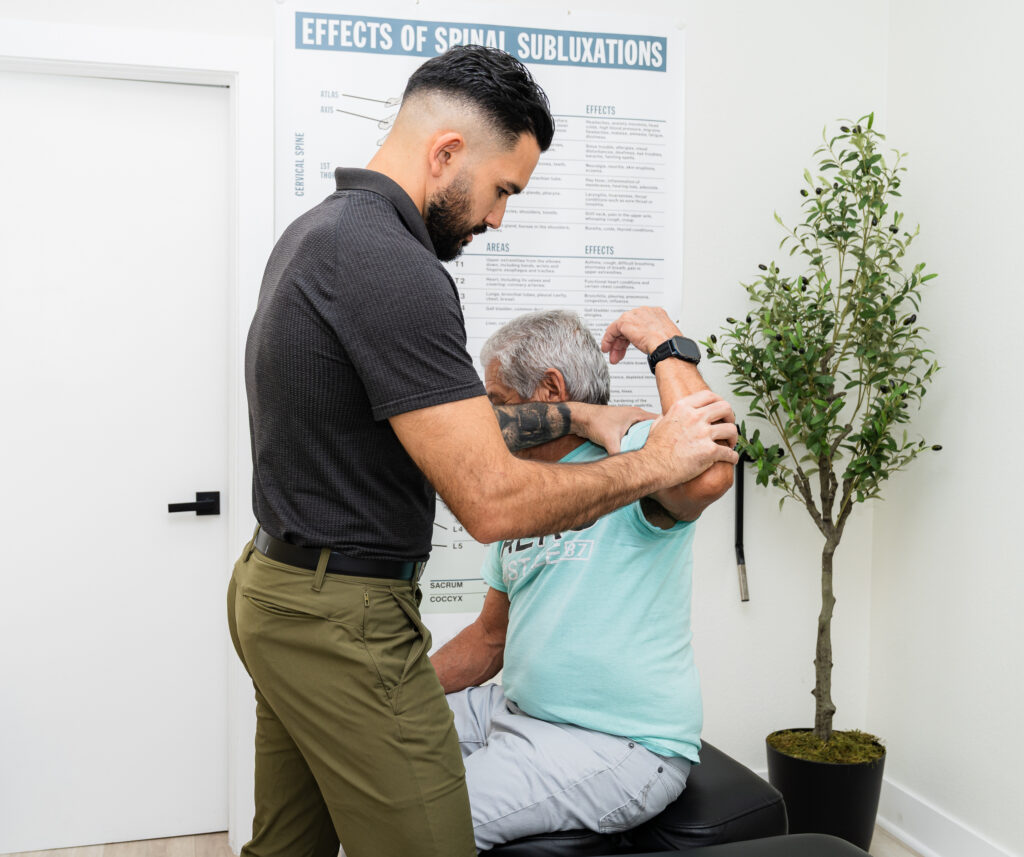

As a local chiropractor, I understand that muscle strain and back pain can significantly impact your daily life, making even the simplest tasks a challenge. It’s essential to grasp the causes and symptoms of these issues to begin your journey toward relief. While immediate techniques such as the R.I.C.E. method—Rest, Ice, Compression, and Elevation—are beneficial, there’s so much more we can do together.
In my practice, I emphasize the importance of a holistic approach that includes specific exercises and lifestyle modifications tailored to your unique needs. These strategies not only help alleviate your pain but also play a crucial role in preventing its recurrence. By incorporating chiropractic adjustments and strengthening exercises into your routine, you can enhance your overall well-being.
Are you ready to explore the natural healing solutions that can help you reclaim your life and get you back on track? Let’s work together to develop a personalized plan that addresses your pain and promotes long-term health.
Understanding Muscle Strain and Back Pain
As a local chiropractor, I want to help you understand muscle strain and back pain, so you can take control of your health. When you experience muscle strain, it means that the muscle fibers have been stretched or torn. This can lead to pain, swelling, and a decrease in your ability to move freely.
Muscle strain can happen suddenly, such as during an activity, or it may develop gradually over time due to repetitive movements. Your back pain might be caused by strained muscles or ligaments, or even issues like herniated discs. These conditions can impact your overall stability and movement, making it difficult to perform everyday tasks.
It’s important to recognize the difference between acute and chronic pain. Acute pain usually follows an injury, signaling that something is wrong and often improving with time. On the other hand, chronic pain lasts longer and may require a more comprehensive approach to treatment.
Understanding your pain is crucial for finding the right solutions. Whether it involves rest, ice, or seeking chiropractic care, being aware of your body’s signals is key to effective recovery and preventing future injuries.
As your chiropractor, I’m here to guide you through natural healing methods and help restore your body’s balance and function. Together, we can work toward a healthier, pain-free life.
Common Causes of Muscle Strain and Back Pain
As a local chiropractor, I want to help you understand that muscle strain and back pain can often arise from everyday activities and habits that may be putting unnecessary stress on your body.
One common issue is poor posture. If you find yourself hunched over a desk for extended periods, this can lead to chronic discomfort. It’s essential to maintain proper alignment whether you’re sitting or standing.
Another significant factor is how we lift heavy objects. Many people tend to bend at the back instead of using their knees, which can easily lead to muscle strains. I encourage you to always use proper lifting techniques to protect your back.
Repetitive motions, whether they’re part of your job or workout routine, can also take a toll on your muscles and ligaments, increasing your risk of injury. It’s important to be mindful of your movements and take breaks when necessary.
Additionally, leading a sedentary lifestyle can weaken your muscles over time, making them more prone to strain. Regular physical activity is crucial for maintaining strength and flexibility.
Lastly, I want to highlight that stress can also play a role in muscle tension, particularly in your back and neck. It’s essential to find ways to manage stress effectively.
By recognizing these common causes of muscle strain and back pain, you can make informed changes in your daily life.
As a chiropractor, I’m here to guide you on your journey to a healthier, more comfortable life through natural healing and proper care.
Recognizing Symptoms and When to Seek Help
As a local chiropractor, I want to emphasize the importance of recognizing the symptoms of muscle strain and back pain for a successful recovery.
If you’re experiencing ongoing discomfort, restricted movement, or noticeable swelling, it’s crucial to reach out for professional guidance.
Understanding when to seek help can’t only prevent further complications but also enhance your healing process through natural methods.
Chiropractic care focuses on restoring balance and function to your body, promoting a quicker return to your daily activities.
Don’t hesitate to consult with a chiropractor for personalized advice and effective treatment options that align with your wellness goals.
Common Symptoms to Identify
As a local chiropractor, I want to help you understand how to differentiate between a muscle strain and back pain, as recognizing the symptoms is essential for effectively managing your discomfort.
Many of my patients describe various sensations in their backs, ranging from sharp pains to dull aches or even a feeling of tightness. It’s also common to experience stiffness that can restrict your movement.
Here are some key symptoms to keep an eye on:
- Localized pain: This is when you feel discomfort in a specific area of your back, which can be a sign of a muscle strain.
- Muscle spasms: These involuntary contractions can lead to significant discomfort and are often a response to injury or strain.
- Radiating pain: If you notice pain traveling down your legs, it may indicate nerve involvement, which is something we can address through chiropractic care.
If you experience any of these symptoms, it’s crucial to listen to your body.
By understanding what you’re feeling, you can take steps to manage your pain more effectively.
As your chiropractor, I’m here to guide you through natural healing methods that can promote recovery and restore your well-being.
When to Consult Professionals
As a local chiropractor, I want to help you understand when it’s important to consult a professional about your back pain. If you’re experiencing severe discomfort that doesn’t improve with rest or over-the-counter pain relievers, it’s a clear sign that you should seek assistance.
There are also certain symptoms—often referred to as red flags—that warrant immediate attention. These include numbness, tingling, or weakness in your legs, loss of bladder or bowel control, and any pain that arises after an injury or fall.
If your back pain persists for more than a few weeks or starts to interfere with your daily activities, please don’t hesitate to reach out to a healthcare provider like myself.
At our practice, we specialize in assessing your condition and providing natural healing options, such as chiropractic adjustments, physical therapy, and other complementary treatments.
Immediate Relief Techniques for Muscle Strain
As a local chiropractor, I often encounter patients dealing with muscle strains. These injuries can happen unexpectedly, leaving you in search of quick relief. Thankfully, there are effective techniques you can utilize right away to ease your discomfort. One of the most recommended methods is R.I.C.E.: Rest, Ice, Compression, and Elevation. This holistic approach is beneficial for reducing both pain and swelling.
- Rest: It’s crucial to avoid any activities that may worsen your discomfort. Allow your muscles the time they need to heal without further strain.
- Ice: Applying an ice pack to the affected area for about 15-20 minutes every hour can help numb the pain and minimize inflammation.
- Compression: Wrapping the injured area with an elastic bandage provides necessary support while also helping to control swelling.
Implementing these techniques can significantly improve your comfort and mobility in a short period.
However, if you find that your pain is persisting or even intensifying, I encourage you to seek professional guidance. As a chiropractor, I can help ensure that you not only recover properly but also maintain your overall musculoskeletal health.
Effective Stretching and Strengthening Exercises
As a local chiropractor, I want to emphasize the importance of incorporating effective stretching and strengthening exercises into your daily routine. These practices can significantly enhance your recovery from muscle strains and help prevent future injuries.
To get started, I recommend gentle stretches like the cat-cow. This exercise is fantastic for increasing flexibility in your spine and can be easily done at home. Hold each stretch for about 15-30 seconds, and repeat a few times to get the most benefit.
Next, let’s focus on strengthening your core muscles, which play a crucial role in supporting your back. Incorporate exercises like planks and bridges into your routine. Aim for three sets of 10-15 repetitions, and as you become stronger, feel free to gradually increase your repetitions.
It’s also essential to pay attention to your hamstrings and hip flexors, as tightness in these areas can contribute to back pain. Incorporate stretches such as the standing hamstring stretch and lunges to help alleviate tension in these muscle groups.
Remember, consistency is key. By making these exercises a regular part of your daily routine, you can’t only recover more quickly from injuries but also significantly reduce your risk of experiencing future strains and discomfort.
Embracing these natural healing methods can lead to a healthier, more resilient body. If you have any questions or need personalized guidance, don’t hesitate to reach out for support!
The Role of Proper Posture in Pain Prevention
As a local chiropractor, I want to emphasize how crucial proper posture is in preventing muscle strain and back pain. Many people may not realize that by adopting ergonomic practices and focusing on correct alignment, you can significantly alleviate discomfort in your daily life.
Let’s delve into some simple habits you can incorporate into your routine to improve your posture and enhance your overall well-being.
First, be mindful of how you sit, stand, and move throughout the day. When sitting, ensure your feet are flat on the ground, your knees are at a right angle, and your back is supported. If you work at a desk, consider an ergonomic chair that promotes good alignment.
Additionally, when standing, distribute your weight evenly on both feet, engage your core, and avoid locking your knees. This not only supports your spine but also helps reduce strain on your muscles.
Incorporating regular stretches and exercises into your routine can also be beneficial. Strengthening your core and back muscles plays a vital role in maintaining proper posture. As your chiropractor, I can guide you through specific exercises tailored to your needs.
Lastly, remember that small adjustments can make a big difference. Whether you’re at work, home, or on the go, being conscious of your posture can lead to lasting improvements in your health.
If you have any questions or would like personalized advice, feel free to reach out. Your journey to better posture and pain-free living starts with awareness and small, consistent changes!
Importance of Ergonomic Design
As a chiropractor dedicated to your health and well-being, I want to emphasize the importance of your workspace design in maintaining your comfort and preventing injuries. Many people overlook how their work environment can affect their physical health, but an ergonomic setup is essential for avoiding muscle strain and back pain, enabling you to work more effectively without discomfort.
By focusing on ergonomic principles, you can create a workspace that promotes your body’s natural posture, which is vital for your overall well-being. Here are some important factors to consider:
- Chair Height: Ensure that your feet rest flat on the ground and that your knees are at a 90-degree angle. This position helps maintain proper spinal alignment and reduces strain on your lower back.
- Monitor Position: Position your computer screen so that the top of the monitor is at eye level. This alignment helps minimize neck strain and encourages a more comfortable posture while you work.
- Keyboard and Mouse Placement: Keep your keyboard and mouse close enough to your body to avoid excessive reaching. This helps maintain relaxed shoulders and reduces the risk of repetitive strain injuries.
By making these small adjustments to your workspace, you can significantly improve your comfort and support your body’s health.
Techniques for Correct Alignment
As a local chiropractor, I want to emphasize the importance of creating an ergonomic workspace, but remember, that’s just the beginning of your journey towards preventing muscle strain and back pain.
It’s crucial to maintain proper alignment throughout your day. Start by sitting up straight; this means keeping your shoulders relaxed and ensuring your feet are flat on the floor—the way your body is positioned can greatly affect your spine’s health.
Make sure your monitor is at eye level to avoid unnecessary neck strain; this small adjustment can significantly improve your posture. When you stand, try to distribute your weight evenly across both feet. Engaging your core muscles is essential in providing support to your spine, helping you stand tall and strong.
If you find yourself lifting objects regularly, always bend your knees and keep your back straight; this technique is vital to minimize strain and protect your back from injury.
I encourage you to regularly check in on your posture throughout the day. Even minor adjustments can lead to significant benefits for your comfort and overall health.
Daily Posture Habits
As a local chiropractor, I want to emphasize how crucial good posture is in preventing muscle strain and back pain. Maintaining proper alignment during your daily activities is essential for reducing discomfort and promoting overall wellness.
Here are some key habits you can easily incorporate into your routine:
- Sit with your back straight: When seated, ensure your back is straight, your feet are flat on the ground, and your knees form a right angle. This position helps support your spine and prevents unnecessary strain.
- Stand tall: Aim to distribute your weight evenly across both feet while keeping your shoulders back and relaxed. This posture not only promotes balance but also reduces the risk of injury over time.
- Use ergonomic tools: Consider investing in ergonomic chairs and desks that are designed to support good posture, especially if you spend long hours working at a desk. These tools can make a significant difference in your comfort and spinal health.
By adopting these habits, you’re taking important steps toward a healthier spine and overall well-being.
Utilizing Heat and Cold Therapy
As a local chiropractor, I want to share with you the benefits of utilizing heat and cold therapy for muscle strain or back pain relief. These natural healing methods can be quite effective in managing discomfort and promoting recovery.
Heat therapy is particularly beneficial as it increases blood flow to the affected area, helping to relax tense muscles and alleviate stiffness. You can easily apply heat by using a heating pad, wrapping a warm towel around the sore spot, or indulging in a soothing hot bath.
For the best results, aim to apply heat for about 15-20 minutes at a time, allowing your body to absorb the warmth.
Conversely, cold therapy is excellent for numbing sharp pain and reducing inflammation, especially in the first 48 hours following an injury. Ice packs or cold compresses can work wonders during this time.
Similar to heat therapy, you should apply cold for 15-20 minutes, ensuring to let your skin return to its normal temperature between sessions to avoid any frostbite or irritation.
Incorporating these therapies into your pain management routine can enhance your overall healing process.
If you have any questions or need guidance on how to effectively use these techniques, please don’t hesitate to reach out to me. Your well-being is my priority!
Exploring Alternative Therapies for Pain Management
As your local chiropractor, I understand how challenging it can be to manage pain, especially when it disrupts your daily life.
While many people are familiar with heat and cold therapy for immediate relief of muscle strain and back pain, I encourage you to explore alternative therapies that can promote long-term pain management and overall wellness.
These options can complement traditional treatments and help you regain your quality of life. Here are a few alternatives that I believe are worth considering:
- Acupuncture: This ancient practice involves stimulating specific points on your body to help alleviate pain. It can promote healing and relaxation, making it a valuable addition to your pain management strategy.
- Chiropractic Care: As a chiropractor, I focus on aligning your spine to enhance your body’s natural ability to heal itself. Regular adjustments can address the root causes of your discomfort, leading to significant improvements in your pain levels.
- Massage Therapy: Therapeutic massage is an excellent way to relieve tension and tightness in your muscles. By improving circulation and promoting relaxation, massage therapy can provide a soothing escape from pain.
Integrating these therapies into your routine can greatly enhance your overall well-being.
It’s important to remember that every individual is different, so I always recommend consulting with a healthcare professional before starting any new treatment to ensure it’s right for you.
Together, we can find the best approach to help you feel your best.
Tips for Long-term Prevention and Maintenance
As your local chiropractor, I want to share some valuable insights on how to prevent muscle strain and back pain from becoming a recurring issue in your life. It’s crucial to take proactive steps in your daily routine to maintain a healthy spine and overall well-being.
First and foremost, regular exercise is key. Engaging in activities that strengthen your core and back muscles is essential. I recommend low-impact exercises such as swimming, walking, or yoga, as these not only enhance your strength but also improve flexibility and stability, which are vital for spinal health.
It’s also important to be mindful of your posture, particularly if you find yourself sitting for extended periods. Using ergonomic furniture can make a significant difference, and I encourage you to take frequent breaks to stretch and move around.
When it comes to lifting heavy objects, remember to bend your knees and keep the weight close to your body—this technique can greatly reduce the risk of straining your back.
Additionally, staying hydrated and maintaining a balanced diet rich in anti-inflammatory foods can support your muscle health and overall wellness. Foods like fruits, vegetables, nuts, and fish can help reduce inflammation and promote healing.
Lastly, I can’t stress enough the importance of managing stress through mindfulness practices. Techniques such as meditation or deep breathing can help ease muscle tension that often arises from stress.
By consistently applying these strategies, you’ll lay a strong foundation for long-term prevention and maintenance of your back health.
Conclusion
As your local chiropractor, I want to share some effective strategies to help you manage muscle strain and back pain in your daily life. Understanding the root causes of your discomfort, recognizing the symptoms, and applying immediate relief techniques are essential steps you can take to regain control over your well-being.
It’s crucial to prioritize proper posture, engage in regular stretching, and incorporate strengthening exercises into your routine for long-term relief and prevention. Additionally, I want to emphasize that a holistic approach—encompassing good nutrition and mindfulness practices—will greatly support your overall wellness and keep you moving without pain.
By prioritizing your health and seeking natural solutions, you can make a significant difference in how you feel. Remember, chiropractic care is here to guide you on your journey to a pain-free life!