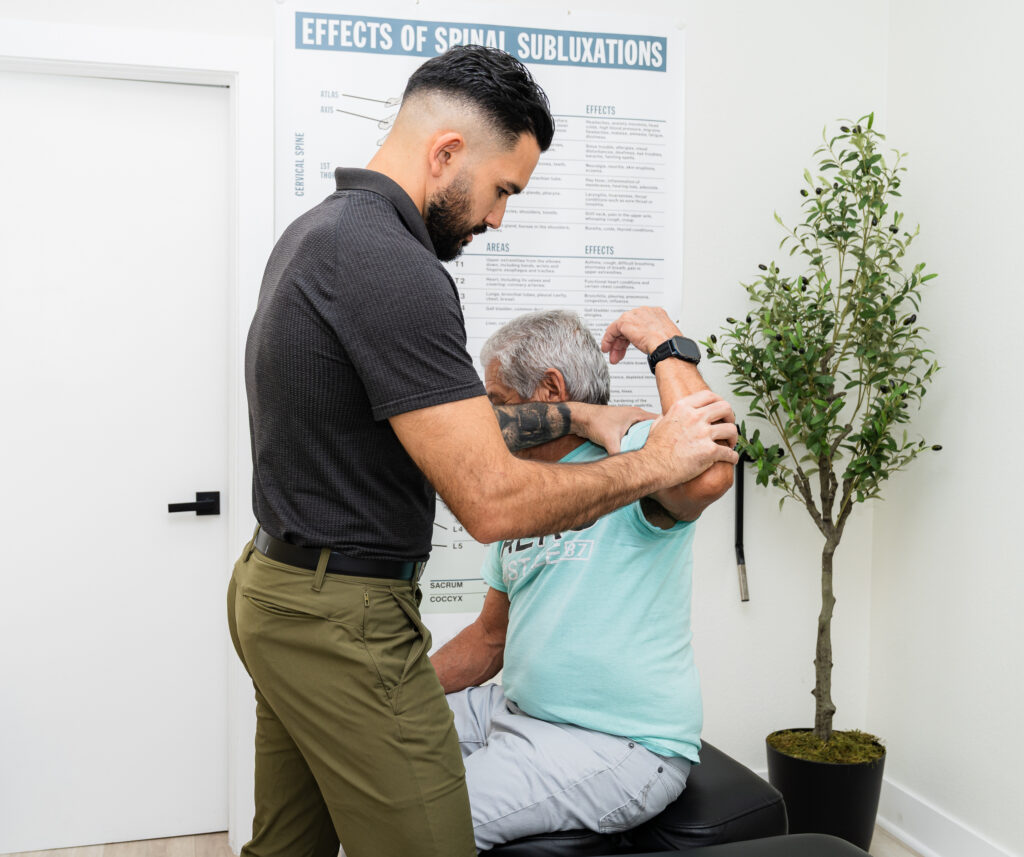

As a local chiropractor, I want to share with you that maximizing your sports performance goes beyond simply training harder. Many athletes overlook the importance of small adjustments in their routine that can lead to significant improvements. One key component is chiropractic care, which can help align your body and enhance your overall function.
Incorporating regular chiropractic adjustments can support your body in recovering from the physical demands of your sport, reduce pain, and improve mobility. Additionally, refining your nutrition plays a crucial role in fueling your performance and aiding recovery. Together with a focus on mental preparation, these elements create a well-rounded approach to achieving your best results.
By understanding how chiropractic care, nutrition, and mental strategies work in harmony, you can uncover new opportunities for improvement that you may not have considered before. What if these simple adjustments could unlock your true potential as an athlete? Let's take a closer look at how integrating these strategic changes can elevate your performance to levels beyond what you previously thought possible.
Assessing Your Current Performance
To enhance your overall physical performance, it's essential to first evaluate your current health and wellness status. This evaluation serves as a crucial starting point for your journey toward improvement.
Begin by examining your physical fitness levels. Are you experiencing any discomfort that might hinder your ability to engage in sports or physical activities? Let's assess your strength, endurance, and flexibility through simple movements and exercises. Documenting how your body feels during these assessments is vital for tracking your progress over time.
Next, take a closer look at the specific skills related to your sport. Are there techniques or movements that cause you pain or discomfort? Recording your performance in various activities can reveal patterns that might indicate areas needing attention. Watching video footage of your activities can also help pinpoint strengths and weaknesses. It's important to be honest with yourself about any physical limitations you encounter.
Don't forget about the mental component of your performance. Your mindset significantly influences how you handle physical exertion and stress. Reflect on your focus, motivation, and resilience in the face of challenges. Keeping a journal of your physical experiences, along with any discomfort or pain, can help identify patterns and areas where chiropractic care may be beneficial.
Finally, consider seeking feedback from professionals, such as chiropractors, trainers, or coaches. Their insights can provide a different perspective on your physical health and areas for improvement. Constructive feedback is invaluable, so remain open to suggestions.
Chiropractic care focuses on optimizing your body's function and can play a key role in enhancing your performance naturally.
Optimizing Training Techniques
After assessing your current physical condition, it's essential to focus on optimizing your overall wellness, which includes your training techniques. Tailoring your exercise to match your specific health goals and any physical limitations is crucial for enhancing your well-being. Start by setting clear, measurable objectives. Whether you want to improve your endurance, strength, or flexibility, having defined targets will help guide your efforts effectively.
Next, take a look at your current exercise routine. Are you including a balanced mix of cardiovascular, strength, and flexibility exercises? Each of these components is vital for overall health and performance. Don't hesitate to introduce variety into your workouts. Changing things up not only keeps your routine engaging but also challenges your body in new ways, helping to prevent physical plateaus.
Consider the principle of progressive overload, which can also be applied to your overall physical activity. Gradually increasing the intensity, volume, or frequency of your workouts encourages continuous improvement. This could mean lifting heavier weights, running for longer periods, or adding more repetitions.
However, it's important to listen to your body and recognize when you may need to rest. Overtraining can lead to injuries, which can hinder your progress.
Incorporate exercises that mimic the movements relevant to your daily activities or sports. This targeted approach enhances muscle memory and boosts your confidence in your physical abilities. Additionally, prioritize recovery as a fundamental aspect of your training. Adequate rest, proper stretching, and techniques like foam rolling can significantly enhance your performance in future sessions.
Lastly, consider seeking feedback from a professional, such as a chiropractor or a personal trainer. They can help you refine your techniques and identify areas for improvement.
Enhancing Nutritional Strategies
As a local chiropractor, I want to emphasize that proper nutrition is vital for enhancing your overall health and athletic performance. It's not merely an afterthought; it's a cornerstone of your wellness journey. When you nourish your body with the right nutrients, you can elevate your energy levels, improve endurance, and enhance your physical capabilities.
Start by focusing on a balanced diet that includes whole foods such as lean proteins, healthy fats, and complex carbohydrates. These macronutrients provide the energy essential for not just training but also for daily activities and recovery. It's important to fuel your body adequately to support its natural healing processes, which is something I promote in my practice.
Hydration is another key component of your health. Drinking enough water throughout the day helps maintain optimal bodily functions and can prevent fatigue. During longer workouts or physical activities, consider incorporating electrolyte-rich beverages to replenish lost minerals.
Meal timing is also crucial. Consuming a combination of carbohydrates and protein about 30-60 minutes before engaging in physical activity can provide the necessary energy for optimal performance. Moreover, refueling within an hour after exercising supports muscle recovery and helps replenish glycogen stores, which is essential for your body's repair process.
Don't forget about the importance of micronutrients, such as vitamins and minerals, which are vital for energy production and muscle function. Including a variety of fruits and vegetables in your diet can help ensure you're meeting your nutritional needs. If you're finding it difficult to achieve this through food alone, I encourage you to consult with a registered dietitian for tailored nutritional advice.
Improving Recovery Methods
As a local chiropractor, I want to emphasize the vital role recovery methods play in not only enhancing your sports performance but also in promoting your overall well-being. Many people underestimate the importance of proper recovery, which can lead to injuries and fatigue, ultimately hindering your progress. It's crucial to incorporate effective strategies that allow your body the rest it truly needs. Here are some methods to consider:
- Active Recovery: Rather than opting for total rest, consider low-intensity activities such as walking or cycling. These activities promote blood circulation to your muscles, facilitating quicker recovery. As a chiropractor, I often recommend gentle movements to help maintain mobility without overexerting your body.
- Hydration: Staying hydrated is essential. Make it a habit to drink plenty of water before, during, and after your workouts. Proper hydration aids in the transport of nutrients and supports muscle repair, which is fundamental for optimal recovery.
- Sleep Quality: Never underestimate the power of a good night's sleep. Aim for 7-9 hours of uninterrupted sleep each night, as this is when your body engages in essential repair processes. Quality sleep is crucial for recovery and overall health.
Beyond these basics, consider adding techniques like foam rolling or massage therapy to your routine. These methods can effectively release muscle tension and improve circulation, which is something I frequently discuss with my patients.
Additionally, nutrition plays a significant role in recovery. Consuming a balanced meal rich in proteins and carbohydrates after your workout can significantly enhance muscle repair and replenish glycogen stores.
Finally, it's essential to listen to your body. If you're feeling particularly fatigued or sore, it may be a sign to take a break or adjust your training intensity.
By integrating these recovery methods into your routine, you can improve your performance, minimize the risk of injuries, and feel more invigorated for your next training session. Recovery isn't just an afterthought; it's a crucial aspect of your journey towards better health and athleticism.
As your chiropractor, I'm here to support you in optimizing your recovery process and overall wellness.
Mental Preparation and Focus
While physical recovery is crucial for enhancing your sports performance, mental preparation and focus are just as vital. As a chiropractor, I often see how the mind-body connection plays a significant role in overall athletic performance. It's not merely about being present; it's about being fully engaged and aware during every moment of your sport.
To begin, I encourage you to set clear goals. These should be specific, measurable, attainable, relevant, and time-bound (SMART). Establishing clear objectives gives you something tangible to strive for and helps maintain your focus during both training and competition. Visualization is an effective tool here; regularly imagine yourself executing perfect techniques and overcoming obstacles. This mental imagery not only boosts your confidence but can also enhance your performance.
Incorporating mindfulness into your routine is equally important. Being attuned to your thoughts and feelings can significantly improve your concentration during competitions. Simple techniques such as deep breathing or meditation can help calm your mind, reduce anxiety, and sharpen your focus. When distractions attempt to pull you away, gently remind yourself to redirect your attention to the task at hand.
Creating a pre-performance routine can also be beneficial. This might involve specific warm-up exercises, listening to uplifting music, or repeating positive affirmations. A consistent routine signals to your brain that it's time to perform, fostering a sense of calm and readiness.
Lastly, cultivating a positive mindset can make a significant difference. A constructive outlook helps you navigate setbacks and keeps your motivation high. Embrace challenges as valuable opportunities for growth.
Conclusion
As a local chiropractor, I want to share how incorporating some simple adjustments into your routine can significantly enhance your sports performance. First, it's essential to evaluate your current physical condition; understanding your body's strengths and weaknesses can lead to better outcomes.
Next, optimizing your training through proper alignment and mobility can make a world of difference. Regular chiropractic adjustments help improve your range of motion, allowing you to train more effectively. Additionally, focusing on your nutrition is crucial. A balanced diet fuels your body, supporting both your physical and mental performance.
Recovery is another key component. Chiropractic care promotes healing and reduces recovery time by ensuring your body is functioning optimally. Finally, sharpening your mental focus is vital for peak performance. When your body is aligned and healthy, your mind can concentrate better on your game.
Remember, achieving your best isn't solely about building physical strength; it's about taking a holistic approach to your health. By embracing these chiropractic strategies, you can elevate your game, reach your peak potential, and stay injury-free. Let's work together to help you achieve your sports goals!