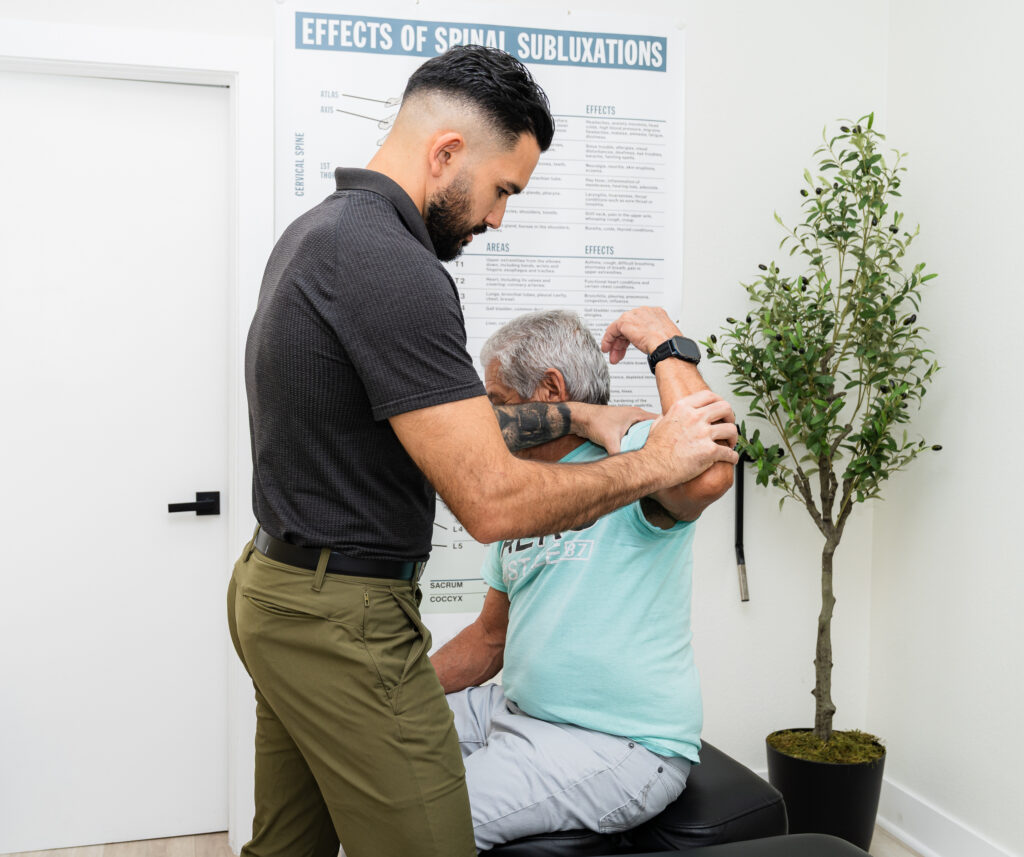

As a local chiropractor, I want to emphasize the importance of safe treatment methods for infants and toddlers in promoting their health and development. Many parents often wonder how to integrate natural remedies with conventional medical advice, especially when facing common childhood ailments.
It's crucial to understand that chiropractic care can play a significant role in your child's overall well-being. Gentle adjustments and therapies can support their growth, alleviate discomfort, and enhance their immune function. In addition to knowing how to manage typical issues like colic, ear infections, or teething pain, being aware of when to seek professional help is paramount.
Navigating care for young children involves more than just addressing immediate concerns; it's about fostering a healthy foundation for their future. Through chiropractic care, we focus on safe, non-invasive methods that promote optimal development and wellness. You might be surprised to learn how these holistic approaches can make a positive difference in your child's life, enhancing both their physical health and emotional well-being. Let's work together to ensure that your little ones develop in a safe, nurturing environment.
Understanding Infant and Toddler Needs
As a local chiropractor, I believe understanding the needs of infants and toddlers is vital for their healthy development, especially when it comes to their physical well-being. Just as we provide nurturing environments through chiropractic care for adults, we also advocate for the well-being of our littlest patients.
Infants rely on caregivers for basic necessities, including optimal physical alignment and comfort. That's where chiropractic care can play a role. Regular adjustments can help ensure that their growing bodies are functioning well, supporting not only their physical health but also their emotional security.
Infants have unique needs; they require frequent feedings and gentle care as their tiny bodies are still developing. A consistent routine can help them feel secure and promote healthy weight gain.
Sleep is essential for growth, and as a chiropractor, I emphasize the importance of creating a calming bedtime routine that can enhance rest. Infants typically need around 14-17 hours of sleep a day, while toddlers require about 11-14 hours. Consistent nap times and a soothing bedtime ritual can significantly improve their sleep quality, which is crucial for their overall health.
As toddlers begin to explore their independence, they need opportunities for physical activity and play, which are essential for developing motor skills. Safe environments for exploration aren't just about physical safety; they also support their overall well-being.
Chiropractic care can assist in ensuring their bodies are aligned and functioning optimally, allowing them to move freely and confidently.
Engagement is key for cognitive and emotional development. Interacting through conversations, reading, and playtime fosters their language skills and emotional health. It's also important to recognize that both infants and toddlers thrive on affection and positive reinforcement.
By responding promptly to their needs—even physical discomfort—you build trust and emotional connections, which can be supported through chiropractic care.
Incorporating chiropractic adjustments into your child's routine can help promote their physical health, supporting their journey toward a strong and healthy future.
Common Ailments in Young Children
As a local chiropractor, I want to share some insights about common ailments that young children often experience and how natural healing can play a role in their well-being and development.
Coughs and colds are quite common in children, largely due to their developing immune systems. You may notice your little one sneezing or dealing with a runny nose. While these symptoms can be frustrating, ensuring they stay hydrated and get plenty of rest is crucial.
Chiropractic care can also support their immune function by promoting overall wellness and balance within the body.
Another issue many parents encounter is ear infections. These can lead to discomfort and irritability, often causing children to tug at their ears. It's essential to monitor their temperature and consult your pediatrician if symptoms persist.
Chiropractic adjustments have been shown to improve ear health by enhancing drainage and reducing inflammation.
Gastrointestinal problems, such as diarrhea and constipation, are also prevalent. If your child experiences diarrhea, keeping them hydrated is vital to prevent dehydration.
On the other hand, if constipation is an issue, gentle chiropractic adjustments can help stimulate the digestive system, and increasing fiber intake along with tummy massages can be beneficial.
Skin conditions, including rashes and eczema, may also arise. These can be triggered by allergies or irritants. Maintaining moisture on your child's skin and avoiding known allergens is important.
Additionally, chiropractic care can help reduce stress responses in the body, which can sometimes alleviate skin issues.
Lastly, fevers can indicate an underlying infection. While a mild fever is generally not a cause for concern, it's essential to keep an eye on your child and seek medical advice if it becomes severe or lasts too long.
Chiropractic care focuses on optimizing your child's overall health, which can help their body manage fevers more effectively.
Safe Medication Administration
When it comes to caring for infants and toddlers, especially in terms of their overall health and wellness, accuracy is crucial.
As a chiropractor, I emphasize the importance of understanding the right approaches to support their development naturally. Using gentle techniques and therapies can significantly enhance their well-being and promote safety.
Additionally, it's vital to be vigilant for any signs of discomfort or reactions, as early detection can lead to more effective natural healing.
Dosage Accuracy Importance
As a local Chiropractor, I want to emphasize the importance of precision in all aspects of healthcare, including the administration of medication to our youngest patients—infants and toddlers.
When it comes to the health and safety of young children, even the slightest error in dosage can have serious repercussions. Their bodies are still developing, and they may react differently to medications compared to adults.
Here are a few crucial reasons why dosage accuracy is vital, and how it relates to the principles of natural healing and chiropractic care:
- Preventing Overdose: Administering too much medication can lead to harmful side effects or, in severe cases, be life-threatening. Natural healing practices focus on supporting the body's innate ability to heal itself, which includes being mindful of the substances we introduce into it.
- Effectiveness: When a dosage is too low, it may not achieve the intended therapeutic effect, potentially delaying recovery or exacerbating symptoms. In chiropractic care, we aim to optimize the body's function through adjustments and holistic approaches, ensuring that any additional treatments, including medications, are effective and necessary.
- Building Trust: Consistently delivering the correct dosage fosters confidence in both medications and treatment plans. Trust is a cornerstone of chiropractic practice, where we advocate for informed choices and natural healing methods that support the body's wellness journey.
Proper Administration Techniques
As a local chiropractor, I want to emphasize the importance of safe and effective practices when it comes to natural healing and wellness for your little ones.
First and foremost, maintaining cleanliness is crucial—always wash your hands before handling any supplements or natural remedies. This simple step helps prevent any potential contamination.
Next, it's vital to confirm the specific supplements or remedies you're considering for your child. Ensure that they're appropriate for their age and health needs.
Using the correct measuring tools is essential; opt for a dropper or a measuring spoon designed for children to guarantee accurate dosages. Avoid using regular household utensils, as they may not provide the precision needed for young children.
When administering any natural remedy, it's best to hold your child's head gently and position them comfortably in an upright position. If you're using a dropper, place the tip inside their cheek, towards the back, and administer slowly. This technique helps reduce the chance of choking and encourages them to swallow.
If your child is hesitant to take a remedy, you can mix it with a small amount of their favorite food or drink, but always consult with a healthcare provider first to ensure this method is safe and effective for them.
Lastly, keep an eye on how they react after taking the remedy, and maintain a record of what you've given them and when. By following these proper practices, you can help ensure that your child benefits from natural healing methods safely and effectively.
Monitoring for Side Effects
As a local chiropractor dedicated to promoting natural healing, I want to emphasize the importance of monitoring your child after introducing any natural remedy or supplement.
Being attentive to their well-being is crucial to ensure they feel safe and comfortable throughout the process. Remember, children's bodies are particularly sensitive, and reactions can differ significantly from one child to another.
Here are some key signs to keep an eye on:
- Behavioral Changes: If you notice that your child is more irritable, lethargic, or unusually hyperactive, it's important to take note of these changes.
- Physical Reactions: Watch for any physical symptoms such as rashes, swelling, or gastrointestinal issues like nausea or diarrhea.
- Appetite Fluctuations: If your child suddenly refuses to eat or drink, this could be a sign of an adverse reaction to the remedy.
If you observe any concerning symptoms, please don't hesitate to reach out to your pediatrician. They can provide guidance on whether the remedy is appropriate or if it's time to explore alternative options.
Keeping a detailed record of what you've given your child and any reactions will be incredibly helpful during discussions with healthcare professionals. Your diligence is vital in safeguarding their health and promoting their overall well-being in a natural, holistic manner.
Natural Remedies to Consider
As a local chiropractor, I often recommend natural remedies that can effectively soothe your little ones and support their overall well-being.
Herbal teas, for instance, can be a comforting option, providing warmth and relaxation. Additionally, essential oils are fantastic for creating a calming atmosphere, which can be beneficial in promoting a sense of tranquility.
Homeopathy is another avenue worth exploring, especially for common ailments, as it offers gentle alternatives to conventional treatments.
Embracing these natural approaches can't only enhance your child's comfort but also align with the holistic principles of chiropractic care, focusing on the body's innate ability to heal itself.
Herbal Teas for Comfort
As a local chiropractor committed to holistic health, I understand the importance of nurturing your child's well-being through gentle and natural remedies. Herbal teas can be a wonderful addition to your approach, providing comfort and relief for various minor discomforts that infants and toddlers may experience.
However, it's crucial to select the appropriate herbs and consult with your pediatrician before introducing any new foods or beverages into your child's diet.
Here are a few herbal teas that are generally regarded as safe and soothing for young children:
- Chamomile Tea: Renowned for its calming effects, chamomile can aid in promoting better sleep and addressing digestive issues, making it a great choice for little ones.
- Peppermint Tea: This tea is known for its ability to alleviate tummy troubles and has a refreshing flavor that children often find appealing.
- Ginger Tea: If your child experiences nausea or an upset stomach, ginger tea can offer relief while also being quite palatable.
When preparing these herbal teas for your little one, always remember to dilute them to a safe, mild concentration.
Serve the tea warm, ensuring it's not too hot to prevent burns. It's essential to prioritize comfort and safety, so keep your pediatrician informed as you explore these herbal options.
Essential Oils for Calm
As a local chiropractor, I often emphasize the importance of holistic approaches to wellness, especially for families with infants and toddlers. One natural remedy that many parents find helpful in promoting calm and relaxation is the use of essential oils. These oils can create a soothing environment, making bedtime or naptime a more peaceful experience for both children and parents.
When incorporating essential oils into your routine, it's crucial to use them safely. A good practice is to dilute essential oils in a carrier oil, such as coconut or almond oil. For calming effects, lavender and chamomile are two popular options. You can gently massage the diluted oil onto your child's feet or apply it to their pajamas to help them unwind.
Another effective method is using a diffuser. By adding a few drops of your chosen essential oil to a diffuser, you can fill the room with calming scents that support a restful atmosphere, particularly during bedtime routines.
It's important to note that not all essential oils are appropriate for young children. I always recommend doing thorough research and consulting with a healthcare professional, especially if your child has any existing health concerns.
With mindful use, essential oils can be a wonderful addition to your holistic toolkit for nurturing calmness and well-being in your little ones. As a chiropractor, I believe in the power of natural healing methods, and essential oils can play a positive role in your family's wellness journey.
Homeopathy for Common Illnesses
As a local chiropractor, I want to introduce you to the gentle and effective approach of natural healing, particularly for common illnesses that can affect infants and toddlers. Many parents are seeking alternatives to traditional medicine, and chiropractic care can be a valuable option that aligns with these natural remedies.
Chiropractic care is based on the principle that the body has an innate ability to heal itself. By ensuring proper alignment of the spine and nervous system, we can support this natural healing process.
If you're considering chiropractic care for your little one, here are a few insights that may be beneficial:
- Gentle Adjustments: Chiropractic adjustments can help alleviate discomfort associated with teething and colic. By addressing spinal misalignments, we can promote better overall health and comfort for your child.
- Support for Immune Function: Regular chiropractic care can enhance your child's immune system, potentially reducing the frequency and severity of common illnesses like colds and fevers.
- Emotional Well-being: Chiropractic care can also help manage irritability and restlessness in infants, providing a calming effect that supports emotional balance.
Before starting any chiropractic treatment for your child, I encourage you to consult with a qualified chiropractor or pediatrician who understands the unique needs of infants and toddlers. They can help determine the best course of action based on your child's specific symptoms.
While chiropractic care is generally safe and non-invasive, it's essential to monitor your child's response and consult with a professional if you have any concerns.
With informed choices and a commitment to natural healing, chiropractic care can serve as a supportive option in promoting your child's health and well-being.
Importance of Proper Dosage
As a local chiropractor, I want to emphasize the importance of proper care, especially when it comes to the health of your little ones. When considering chiropractic adjustments for infants and toddlers, it's crucial to ensure that the treatment is tailored specifically to their unique needs. Just like with medications, the right approach can make all the difference in promoting your child's health and well-being.
Children's bodies are still developing, and their responses to treatment can be quite different from adults. This is why I always recommend consulting with a qualified chiropractor who specializes in pediatrics. They can assess your child's age, weight, and specific condition to create a personalized treatment plan. It's essential to avoid assumptions based on what might work for other children, as every child is unique.
When it comes to chiropractic adjustments, precision is key. Just as you wouldn't use a household spoon to measure medication, you shouldn't rely on general techniques when it comes to spinal health. A trained chiropractor uses specific methods and tools designed for the delicate bodies of infants and toddlers, ensuring that each adjustment is safe and effective.
It's also important to keep track of any treatments your child has received. This is particularly vital if multiple caregivers are involved in their care. Clear communication with all caregivers can prevent any misunderstandings that might affect your child's health.
Lastly, be mindful of the various techniques and approaches within chiropractic care. Some may be more suitable for your child than others, and a knowledgeable chiropractor can guide you in choosing the best option. By prioritizing proper chiropractic care, you can support your child's natural healing process and promote their overall health and vitality.
When to Seek Professional Help
As a local chiropractor, I want to emphasize the importance of knowing when to seek professional help for your infant or toddler, especially when it comes to their overall health and well-being.
If you observe signs of serious illness, such as unresponsiveness or lethargy, it's crucial to connect with a healthcare provider right away.
While chiropractic care can support your child's development and wellness, it's essential to prioritize their immediate health needs.
Remember, your child's well-being is the most important thing, and early intervention can make a significant difference in their recovery and overall health.
If you have any questions about how chiropractic care can complement traditional medical approaches, I'm here to help you understand the benefits of natural healing for your little ones.
Signs of Serious Illness
As a local chiropractor dedicated to promoting overall wellness, it's important to also recognize the signs of serious illness in infants and toddlers.
While chiropractic care focuses on enhancing the body's natural healing abilities, understanding when to seek medical attention is crucial for your child's health.
Here are some key indicators to watch for:
- High fever: If your child's temperature exceeds 100.4°F (38°C) for infants under three months, or 102°F (38.9°C) for older babies and toddlers, it's essential to consult with a pediatrician. Fever can be a sign that the body is fighting an infection and may need medical support.
- Difficulty breathing: Be alert to any signs of labored or rapid breathing, wheezing, or a persistent cough. These symptoms could indicate a respiratory issue that requires immediate evaluation, as proper airflow is vital for overall health.
- Dehydration: Watch for symptoms like a dry mouth, fewer wet diapers, or increased lethargy. If your child appears dehydrated, it's important to seek help promptly to ensure they receive the necessary care.
By recognizing these signs early, you can ensure your child gets the appropriate treatment they need.
Remember, trusting your instincts is key—if something feels off, don't hesitate to reach out to your healthcare provider.
Your child's health and well-being are paramount, and we're here to support you on your journey to natural healing and wellness!
Unresponsive or Lethargic Behavior
As a local chiropractor dedicated to promoting overall wellness, I want to address a concern that many parents might experience: unresponsiveness or lethargy in infants and toddlers. While it's normal for children to have days where they seem a bit off, persistent lethargy is something that shouldn't be overlooked.
If you notice your child appearing unusually drowsy, not responding to sounds or touch, or having difficulty waking up, it's crucial to seek professional help immediately. These behaviors can sometimes be linked to underlying issues that may benefit from a holistic approach, including chiropractic care.
Keep an eye out for additional symptoms that can accompany lethargy, such as fever, trouble breathing, or signs of dehydration. If your little one isn't feeding well or shows a significant drop in their usual energy levels, these could signal a more serious concern.
Trust your parental instincts—if something feels off, it's always best to reach out to your pediatrician or a healthcare professional.
Chiropractic care can support your child's wellness by ensuring their nervous system is functioning optimally, which plays a crucial role in their overall health. If you have questions about how chiropractic care can support your child's health and development, don't hesitate to ask!
First Aid Basics for Caregivers
As a chiropractor, I believe that being prepared for health emergencies is crucial, especially when caring for infants and toddlers. Understanding basic first aid and natural healing can significantly impact how you respond in critical situations.
Here's a brief overview of essential first aid basics that every caregiver should be aware of.
First, it's important to familiarize yourself with CPR (cardiopulmonary resuscitation) for infants and toddlers. If a child is unresponsive and not breathing, it's vital to begin CPR immediately. Use gentle compressions and breaths suited to their age and size.
Additionally, having a well-stocked first aid kit is a must. Ensure it includes essentials like band-aids, antiseptic wipes, and sterile gauze.
Next, it's helpful to know how to handle common injuries and ailments, such as:
- Cuts and scrapes: Clean the wound with water, apply antiseptic, and cover it with a bandage. This is a basic but effective way to promote healing and prevent infection.
- Choking: For infants, utilize back slaps and chest thrusts, while the Heimlich maneuver is appropriate for toddlers. Knowing these techniques can keep little ones safe during choking incidents.
- Burns: Cool the burn under running water for several minutes, then cover it with a clean cloth. It's essential to respond quickly to minimize damage and promote recovery.
Being prepared not only boosts your confidence in caring for children but also reassures parents that their little ones are in safe hands.
Always remember to stay calm, as your demeanor can influence the child's reaction during emergencies. I highly recommend taking a first aid and CPR course that focuses on infants and toddlers. This knowledge empowers you to handle emergencies effectively and supports a natural healing approach.
Incorporating chiropractic care into your routine can also enhance overall well-being and resilience against injuries.
Managing Fever and Discomfort
As a local chiropractor, I want to help you understand how to manage common issues like fever and discomfort in infants and toddlers through natural healing approaches.
While a fever can be concerning to parents, it's important to recognize that it often indicates that your child's body is actively fighting off an infection. When you notice a rise in their temperature, the first step is to check it with a reliable thermometer. If your infant is under three months old and has a fever, it's crucial to seek immediate medical attention. For older children, monitoring at home is typically appropriate.
If your toddler has a mild fever, there are several natural ways to help them feel more comfortable. Dress them in light, breathable clothing, maintain a comfortable room temperature, and encourage them to drink plenty of fluids to stay hydrated.
You may also consider age-appropriate fever-reducing medications, such as acetaminophen or ibuprofen, but it's always best to consult with your pediatrician for guidance.
To alleviate discomfort, applying a cool, damp cloth to their forehead can provide soothing relief. Additionally, gentle rocking or cuddling can help calm a fussy child. If your little one seems particularly restless, engaging them with quiet and calming activities can serve as a great distraction.
Always monitor your child's symptoms closely. If their fever persists for more than three days or if they exhibit any concerning symptoms, such as difficulty breathing or a rash, it's important to consult your healthcare provider.
Effective management of fever and discomfort not only promotes healing but also helps your child feel more at ease during their recovery process. As a chiropractor, I encourage you to explore holistic methods to support your child's health and well-being.
Tips for Healthy Nutrition
Nutrition plays a crucial role in the overall health and well-being of your child, particularly during their formative years. As a chiropractor, I often emphasize the importance of a balanced diet in supporting not only physical health but also cognitive development.
Providing nutritious meals is essential for ensuring that your child receives the vital nutrients needed for optimal growth. Here are some tips to help you promote healthy nutrition for your little one:
- Offer a variety of foods: Introduce a diverse range of fruits, vegetables, proteins, and whole grains to create a colorful and appealing plate. This variety not only exposes your child to a spectrum of flavors and textures but also enhances their nutrient intake, which is fundamental for their physical and neurological development.
- Encourage self-feeding: Allow your child to explore food using their hands or utensils as they grow. This practice fosters independence and improves their fine motor skills. While encouraging self-feeding, it's important to closely supervise your child to ensure safety and prevent any choking hazards.
- Establish a routine: Create a consistent schedule for meals and snacks to instill a sense of security and predictability in your child's daily life. Kids thrive on routine, and knowing when to expect meals can help them develop healthy eating habits that contribute to their overall well-being.
Creating a Safe Environment
Creating a safe and supportive environment for your infant or toddler is crucial not only for their exploration and development but also for their overall well-being. As a chiropractor, I understand that physical safety can greatly influence a child's growth, and it's important to ensure that their surroundings promote healthy movement and development.
Begin by childproofing your home to create a secure environment that allows your little one to move freely without the risk of injury. Secure heavy furniture to the wall to prevent tipping, and use outlet covers to keep curious fingers safe. It's essential to keep small objects, choking hazards, and harmful substances out of reach. Store cleaning supplies, medications, and sharp tools in locked cabinets to avoid accidents.
Consider how your child's play area is organized. Create a designated space with safe toys and soft surfaces that encourage active play and exploration. The layout of your home is also important; remove clutter that could lead to trips or falls, and ensure that rugs are secured to the floor. Additionally, keep cords from blinds and electronics out of reach to prevent strangulation risks. Make sure that windows and doors are properly secured to avoid any accidental escapes.
When your child is outdoors, it's vital to supervise them closely. Use safety gates to limit access to stairs, and ensure that any play equipment is age-appropriate and well-maintained. Don't forget to apply sunscreen and keep a first-aid kit handy for minor injuries, as these small precautions can help prevent larger issues.
As your child grows and develops new skills, regularly assess your environment for potential hazards. A safe space allows your infant or toddler the freedom to explore, learn, and thrive, while also supporting their physical development.
Conclusion
As a local chiropractor, I want to emphasize the importance of safety and well-being in caring for infants and toddlers. Understanding their unique physical needs and addressing common discomforts through safe, natural methods is essential for promoting healthy growth and development. Chiropractic care can play a supportive role in this process.
It's crucial to consult with a pediatrician before exploring any treatment options, including chiropractic adjustments, to ensure they are appropriate for your child. Always be mindful of proper dosages if medication is involved and consider incorporating gentle, holistic approaches.
Creating a safe environment is vital for your little ones to explore and develop. Keeping a well-stocked first aid kit can help you respond to minor injuries and issues promptly. Remember, as a caregiver, you are not just addressing immediate concerns; you are playing a key role in their overall health journey. Embracing natural healing methods, like chiropractic care, can contribute positively to their well-being and happiness.