
As your local chiropractor, I want to emphasize the importance of improving your joint flexibility and how various therapy techniques can help you achieve this. It's essential to consider methods like dynamic and static stretching, manual therapy, and foam rolling. Each of these techniques plays a crucial role in enhancing your range of motion and supporting overall joint health.
Incorporating these approaches into your routine can significantly benefit not just your flexibility but your overall well-being. It's also vital to understand how to effectively combine these techniques for maximum benefit. For instance, starting with dynamic stretching can warm up your muscles, followed by manual therapy to address any specific restrictions, and concluding with foam rolling to release tension.
So, what specific strategies can you adopt to see noticeable improvements in your flexibility? Let's explore how we can work together to create a personalized plan that fits your needs and helps you achieve your health goals!
Understanding Joint Flexibility
As a local chiropractor, I want to take a moment to discuss the often-overlooked aspect of joint flexibility and its crucial role in your overall physical health. Understanding joint flexibility means recognizing how your joints move and the various factors that influence this movement. It's not just about how far you can stretch; it's about how well your joints can adapt to different movements and loads efficiently.
Your joints act as the connections between your bones, and their flexibility directly impacts your range of motion. When your joints are flexible, you can carry out daily activities with ease—whether it's bending down to tie your shoes or reaching for something on a high shelf.
Several components contribute to joint flexibility, including your muscles, tendons, ligaments, and the joint capsule itself. If any of these structures are tight or stiff, it can limit your movement and lead to discomfort.
It's also important to consider how your lifestyle can affect your joint flexibility. Sedentary habits can lead to stiffness, while incorporating regular physical activity can help maintain and even enhance your flexibility. Engaging in activities like stretching, yoga, or strength training can significantly improve your overall joint function.
As your chiropractor, I encourage you to listen to your body; if you notice tightness or discomfort, it may be a sign that you should incorporate some flexibility exercises into your routine.
At our practice, we focus on natural healing methods that support your body's ability to move freely and comfortably. By understanding and improving your joint flexibility, you can enhance your overall health and well-being.
Benefits of Improved Flexibility
As a local chiropractor, I want to emphasize the importance of improving your joint flexibility for both your athletic performance and everyday activities.
Enhanced flexibility allows for more efficient and effective movements, which can significantly benefit you whether you're engaging in sports or simply going about your daily routines.
Moreover, by increasing your flexibility, you can also reduce your risk of injuries. This added confidence can empower you to push your physical limits safely and effectively.
Understanding and embracing these benefits can transform how you approach physical activity and contribute positively to your overall health and wellness.
At our practice, we focus on natural healing methods that promote flexibility, helping you lead a more active and fulfilling life.
Enhanced Athletic Performance
As a local chiropractor, I often see how crucial flexibility is for enhancing athletic performance. Many athletes may not realize that improved flexibility can significantly boost their overall physical capabilities. When your joints have a greater range of motion, it allows you to perform movements more efficiently.
This increased flexibility not only aids in executing complex maneuvers but also enhances agility and speed—two vital elements in any sport. Integrating flexibility training into your routine can lead to noticeable improvements in strength and coordination.
For example, an athlete with improved flexibility can generate more power during explosive movements like jumps or sprints. This advantage often translates into better performance during competitions.
Additionally, when you have enhanced flexibility, you'll find that transitions between movements are smoother, making your actions appear more fluid and controlled. Whether you're running, participating in gymnastics, or playing soccer, cultivating flexibility can provide you with a competitive edge over your opponents.
Incorporating techniques such as dynamic stretching, yoga, or targeted mobility drills can help you achieve these benefits. By prioritizing flexibility, you're not only enhancing your athletic performance but also laying a solid foundation for long-term success in your physical endeavors.
As your chiropractor, I'm here to guide you through these practices and support your journey toward natural healing and optimal performance.
Reduced Injury Risk
As a local chiropractor, I want to share an important aspect of injury prevention that many people often overlook: the vital role of flexibility. When your muscles and joints are able to move freely, you significantly reduce your risk of strains and sprains during any physical activity. Enhanced flexibility is crucial for maintaining a full range of motion, which is essential for your overall mobility and safety.
Let me highlight three key ways that improving your flexibility can help prevent injuries:
- Optimized Muscle Function: When your muscles are flexible, they can contract and extend more efficiently. This efficiency leads to smoother movements, which in turn decreases the chances of overexertion—a common contributor to injuries.
- Joint Stability: Flexible joints maintain proper alignment and balance. When your joints are stable, they're less prone to sudden movements that could lead to injuries, providing you with greater safety in your daily activities.
- Faster Recovery: Improved flexibility enhances blood circulation and the delivery of nutrients to your muscles. This increased blood flow supports quicker recovery after workouts, minimizing muscle tightness and soreness that can result in injuries down the line.
Incorporating flexibility training into your routine goes beyond mere stretching; it's a proactive strategy to protect your body from injuries.
As your chiropractor, I encourage you to embrace flexibility training as part of your overall health and wellness plan. This commitment will help you enjoy a more active and healthier lifestyle.
Physical Therapy Techniques
As a local chiropractor, I want to share with you the importance of physical therapy techniques in enhancing your joint flexibility. Many people are unaware that approaches such as stretching exercises, manual therapy, and aquatic therapy can significantly improve your mobility and alleviate discomfort.
Let's delve into how each of these methods works and how they can positively impact your overall health.
Stretching exercises are foundational in increasing flexibility and range of motion in your joints. By incorporating these into your routine, you may find that everyday movements become easier and more comfortable.
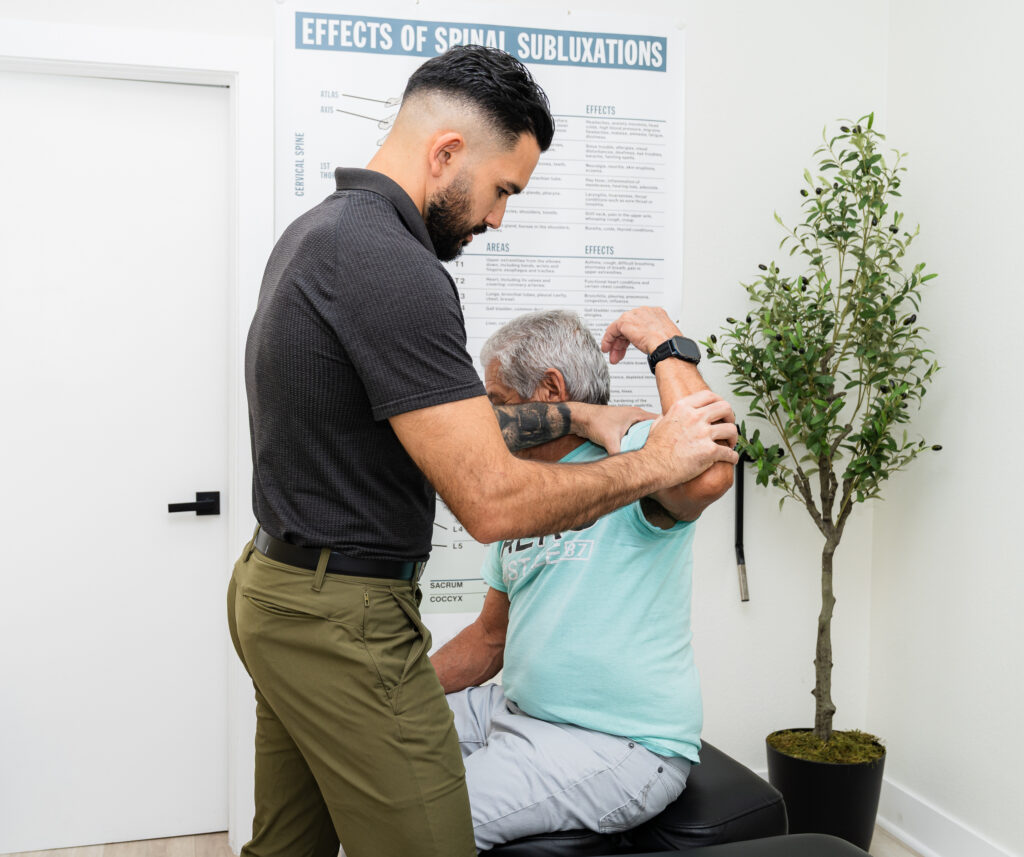
Manual therapy is another essential chiropractic technique. It involves hands-on manipulation of the muscles and joints, which can help relieve tension and improve alignment. This method not only enhances mobility but also promotes healing and reduces pain.
Lastly, aquatic therapy offers a unique environment to work on your flexibility. The buoyancy of water allows for gentle movements that can be less painful while still providing resistance, making it an excellent option for those with joint issues.
By understanding and utilizing these physical therapy techniques, you can take significant steps towards better mobility and a pain-free life.
I'm here to guide you through this natural healing process and support you on your journey to wellness.
Stretching Exercises Benefits
As a local chiropractor dedicated to helping you understand the benefits of natural healing, I want to emphasize the crucial role that stretching exercises play in enhancing your joint flexibility.
These exercises aren't just a suggestion; they're an essential part of maintaining your overall health and mobility.
Here are three key advantages of incorporating stretching exercises into your routine:
1. Increased Range of Motion: Engaging in regular stretching can greatly improve and maintain the range of motion in your joints.
This is vital for performing everyday activities comfortably and avoiding stiffness that can hinder your movement.
2. Reduced Risk of Injury: Stretching acts as a warm-up for your muscles and joints, preparing them for physical activity and significantly lowering the chances of experiencing strains or sprains.
This proactive measure helps you stay active and continue participating in the exercises you enjoy.
3. Enhanced Blood Circulation: One of the wonderful benefits of stretching is that it encourages better blood flow to your muscles.
This increased circulation is essential for delivering nutrients and oxygen, facilitating recovery, and alleviating muscle soreness after your workouts.
Incorporating stretching exercises into your routine isn't merely beneficial; it's essential for achieving optimal joint flexibility.
I encourage you to make stretching a regular part of your daily life; you'll notice the positive impact it has on your mobility and overall well-being.
As your chiropractor, I'm here to support you in this journey toward better health through natural methods.
Manual Therapy Methods
As your local chiropractor, I'd like to share how manual therapy methods can significantly improve your joint flexibility and overall mobility. These hands-on techniques involve the skilled manipulation of your soft tissues and joints, helping you achieve a greater range of motion while relieving tension throughout your body.
By collaborating with a qualified therapist like myself, you can benefit from targeted treatments that specifically address any limitations in your joints.
One common technique I use is joint mobilization, where I apply gentle pressure to enhance your joint movement. This method effectively alleviates stiffness and encourages your body to move naturally.
Another valuable approach is soft tissue manipulation, which focuses on releasing tight muscles and the fascia surrounding your joints. This can be particularly beneficial if you've been dealing with chronic pain or discomfort.
In addition, myofascial release can help unwind the connective tissues in your body, promoting better circulation and flexibility. These manual therapy methods not only enhance your joint flexibility but also foster greater body awareness, which is crucial for overall health.
Incorporating manual therapy into your wellness routine can lead to improved physical performance, a reduced risk of injury, and an enhanced sense of well-being.
If you're ready to unlock your potential and explore these natural healing techniques, I encourage you to schedule a session with me. Together, we can work towards achieving your health goals!
Aquatic Therapy Advantages
As a local chiropractor, I'd like to introduce you to the benefits of aquatic therapy, an effective method to improve joint flexibility while placing minimal stress on your body.
The buoyancy of water allows you to engage in exercises that may be challenging or painful on land, making it especially helpful for those recovering from injuries or living with chronic pain.
Here are three key advantages of incorporating aquatic therapy into your healing journey:
1. Reduced Impact: The support of water decreases the strain on your joints and muscles, allowing you to move freely without the worry of injury.
This is particularly important for those who may be hesitant to engage in traditional exercise due to pain or mobility issues.
2. Increased Resistance: As you perform movements in the water, you experience natural resistance that helps your muscles work harder without the need for additional weights.
This dual action not only boosts muscle strength but also enhances flexibility, contributing to a well-rounded approach to rehabilitation.
3. Enhanced Relaxation: The warm water combined with gentle movements creates a soothing environment that fosters relaxation.
This aspect is crucial for alleviating tension and anxiety, which can positively influence your overall recovery process.
Incorporating aquatic therapy into your rehabilitation routine can lead to remarkable improvements in your joint flexibility, all while ensuring a safe and supportive environment for exercise.
Whether you're just starting your healing journey or are an experienced athlete looking to enhance your performance, aquatic therapy can be personalized to suit your individual needs, making it a valuable option for everyone.
Stretching Exercises for Flexibility
As a local chiropractor, I want to emphasize the importance of joint flexibility for your overall health and wellness. Incorporating a variety of stretching exercises into your routine can lead to remarkable improvements in your flexibility, which is essential for maintaining a healthy range of motion and preventing injuries.
To begin, it's beneficial to start with dynamic stretches, like leg swings or arm circles. These movements warm up your muscles and gradually increase blood flow, preparing your body for deeper stretches.
Once your muscles are warmed up, transition to static stretches, where you hold each position for 15-30 seconds. Pay special attention to key areas such as your hamstrings, quadriceps, hips, and shoulders. For instance, the seated hamstring stretch is an excellent choice—sit on the floor with your legs extended and gently reach toward your toes to enhance flexibility in your lower back and legs.
I also recommend incorporating yoga poses into your routine, such as downward dog and pigeon pose. These not only challenge your flexibility but also promote relaxation, which is vital for overall health.
As you practice these stretches, remember to focus on your breath. Deep breathing can help you relax into each stretch and achieve better results.
Consistency is crucial for improving flexibility. Aim to stretch at least three to four times a week, and gradually increase the duration and intensity of your stretches as you become more comfortable.
Always listen to your body, and never push yourself to the point of pain. If you experience tightness or discomfort, it's important to ease off and modify the stretch accordingly.
Myofascial Release Explained
As a local chiropractor, I want to introduce you to myofascial release, a powerful therapy that can significantly enhance your overall well-being. If you're struggling with tight muscles or limited movement, this hands-on approach could be just what you need. Myofascial release focuses on the fascia, which is the connective tissue that surrounds your muscles. By targeting this area, we can relieve tension and improve your flexibility, making it especially beneficial for those dealing with chronic pain or tightness.
Here's what you can expect when you incorporate myofascial release into your care:
- Pain Relief: One of the primary benefits of myofascial release is pain relief. By alleviating tension in the fascia, we address the underlying issues rather than simply covering up the symptoms. Many patients report a noticeable reduction in their discomfort.
- Increased Mobility: With improved flexibility in your tissues, you can enjoy a greater range of motion. This means everyday activities become easier, and you'll find it much more enjoyable to participate in sports or exercises you love.
- Enhanced Recovery: If you're recovering from an injury, myofascial release can be instrumental in speeding up your healing. It encourages better blood circulation and helps to clear out waste products from your muscles, facilitating a quicker recovery process.
Incorporating myofascial release into your wellness routine can help you feel more balanced and aligned.
Whether you opt for sessions with a trained therapist or explore self-myofascial techniques at home, you're likely to experience significant improvements in how your body feels.
As your chiropractor, I encourage you to consider this effective tool for boosting your joint flexibility and enhancing your overall health.
Don't hesitate to reach out if you have any questions or want to learn more about how myofascial release can benefit you!
Role of Yoga in Flexibility
As a chiropractor, I often emphasize the importance of flexibility in maintaining overall health and wellness. One effective method to enhance flexibility is through the practice of yoga. By integrating various postures and stretches, yoga can significantly improve the range of motion in your joints and muscles, which is vital for optimal function.
Each yoga pose is designed to target specific areas of the body, allowing for gradual and safe increases in flexibility. Regular practice not only stretches your muscles but also promotes better alignment and posture. This proper alignment is crucial as it helps reduce the risk of injury and contributes to a more balanced and harmonious body.
You might find that certain poses, such as Downward Dog or Pigeon Pose, effectively release tightness in specific areas, enabling you to move more freely in your everyday activities. As a chiropractor, I often see how improved flexibility can alleviate discomfort and enhance mobility, making daily tasks much easier.
Beyond the physical aspects, yoga fosters mindfulness and breath control. By focusing on your breath during each pose, you create a deeper connection with your body, allowing you to relax and release tension. This practice not only enhances your flexibility but also contributes to your overall well-being by reducing stress and promoting relaxation.
Additionally, the key to benefiting from yoga lies in consistency. The more regularly you practice, the greater your flexibility will become. I encourage you to set aside time each week to attend a class or practice at home.
As you progress, you'll likely notice improvements not only in your flexibility but also in your overall health and stress levels. Incorporating yoga into your wellness routine can be a powerful complement to chiropractic care, helping you on your journey toward better joint flexibility and overall health.
Foam Rolling for Joint Health
As a local chiropractor, I want to introduce you to the incredible benefits of foam rolling for your joint health and overall flexibility. Many of you may not be familiar with this practice, but it can be an essential addition to your wellness routine.
Foam rolling is a simple yet effective technique that helps relieve muscle tension and can significantly improve your range of motion. When your muscles are tight, they can restrict the movement of your joints, leading to discomfort and potential injury.
By regularly incorporating foam rolling into your self-care regimen, you can enhance your body's natural ability to move freely and comfortably.
Let's take a moment to explore some of the key benefits of foam rolling:
- Reduces Muscle Tension: Foam rolling helps to release knots and tension in your muscles, promoting relaxation and easing discomfort.
- Improves Flexibility: By breaking up adhesions in the muscle tissue, foam rolling can help increase your flexibility, making it easier to perform daily activities and exercise.
- Enhances Blood Flow: The pressure applied during foam rolling stimulates blood circulation, which can accelerate recovery and reduce soreness after workouts.
- Supports Joint Health: Properly rolling out your muscles can help maintain optimal joint function by allowing for better movement patterns and reducing the risk of injury.
To get started with foam rolling, consider integrating it into your routine before or after workouts, or even as a standalone practice.
Focus on areas that feel tight or sore, and take your time to gently roll over each muscle group.
If you have any questions or would like personalized recommendations on how to effectively use foam rolling for your specific needs, feel free to reach out during your next visit.
Together, we can enhance your journey toward better health and well-being!
Benefits of Foam Rolling
As a local chiropractor, I want to share with you the incredible benefits of foam rolling and how it can significantly enhance your joint health. Many of my patients are often surprised to learn that this simple practice can play a vital role in their overall wellness.
Foam rolling is a fantastic way to relieve tight muscles, which in turn helps to improve the health of your joints. By rolling out those tense areas, you can release muscle tension and boost blood circulation—both of which are crucial for maintaining flexibility and mobility in your joints.
Here are some key benefits you can expect when you incorporate foam rolling into your routine:
- Reduced Muscle Soreness: After an intense workout or a long day, foam rolling can help alleviate post-exercise soreness. By reducing discomfort, your joints are able to move more freely, enhancing your overall physical activity.
- Improved Range of Motion: When you regularly use a foam roller, you can enhance your range of motion. Foam rolling works wonders by breaking down knots in your muscles and fascia, which can often limit how well your joints can move.
- Increased Circulation: Foam rolling promotes better blood flow to the muscles and joints you target. This increased circulation helps with quicker recovery and ensures that your muscles and joints receive the nutrients they need to function optimally.
Incorporating foam rolling into your self-care routine can be a game-changer for your joint health.
If you have any questions about how to get started or want to learn more about how chiropractic care can further support your wellness journey, feel free to reach out. Your health is our priority!
Techniques for Effective Use
As a local chiropractor, I often emphasize the importance of foam rolling for maintaining joint health and enhancing overall wellness. Understanding the right techniques can significantly amplify the benefits of foam rolling, making it a valuable addition to your self-care routine.
First, it's crucial to select a foam roller that matches your comfort level. For gentle relief, a smooth foam roller is ideal, while a textured option can provide deeper muscle relief if you're ready for it.
Let's start with your legs. Focus on your quadriceps, hamstrings, and calves. Spend about 30 seconds rolling slowly over each muscle group, and don't hesitate to pause on any tender spots you encounter. This practice aids in releasing muscle tension and improving blood circulation.
Your glutes deserve attention too; simply sit on the roller and shift your weight from side to side for effective relief.
Next, let's address your upper body. To release tension in your back, lie on the foam roller with it positioned under your shoulder blades. Gently arch your back as you roll from your upper back to the mid-back. Be cautious around your lower back; it's best to avoid applying direct pressure in that area to prevent discomfort.
Incorporate deep breathing as you foam roll; this simple technique can help relax your muscles even further.
I recommend aiming to foam roll at least two to three times a week, ideally before or after your workouts. By practicing these techniques consistently, you'll not only enhance your joint health but also improve your overall flexibility, aiding in your journey towards natural healing and wellness.
Strength Training and Flexibility
As a local chiropractor, I want to share with you how strength training can significantly enhance your flexibility and overall joint health. Many people think of strength training solely as a way to build muscle, but it offers much more than that. Engaging in strength training helps improve your range of motion, which is vital for maintaining healthy joints and preventing injuries.
Here are three important ways that strength training supports flexibility:
- Enhanced Muscle Control: When you strengthen your muscles, you also develop better control over their movements. This newfound control allows you to perform stretches more effectively, pushing your limits in a safe and gradual manner. This is essential for maintaining flexibility as you age.
- Joint Stability: Strong muscles act as a support system for your joints. When your muscles are strong, they help stabilize your joints, reducing the risk of injury. A stable joint can move through a greater range of motion without discomfort, which directly contributes to improved flexibility.
- Improved Blood Circulation: Strength training boosts blood flow to your muscles, which aids in relaxation and recovery. When your muscles receive more oxygen and nutrients through improved circulation, they're less likely to tighten up, allowing you to maintain and enhance your flexibility.
Incorporating strength training into your routine doesn't have to be daunting. Simple exercises like squats, lunges, or resistance training can be very effective in improving your flexibility over time.
As your chiropractor, I encourage you not to overlook the importance of this aspect of fitness. By prioritizing strength training, you're not only working towards a more flexible body but also setting the foundation for a healthier and more functional life.
Warm-Up and Cool-Down Importance
As a local chiropractor, I want to emphasize the importance of starting your workout with a proper warm-up and ending it with a cool-down. These practices are essential not just for your joint health, but also for enhancing your overall flexibility and performance.
A warm-up is like a gentle invitation for your body to prepare for the physical activity ahead. It gradually increases your heart rate and circulation, which in turn warms up your muscles. This makes them more pliable and less susceptible to injury. You may notice that your joints feel more flexible, allowing you to move more freely during your workout.
I recommend incorporating dynamic stretches and light aerobic exercises into your warm-up routine. This can significantly improve your performance and help you get the most out of your workout.
On the flip side, a cool-down is equally important as it helps your body transition back to a resting state. This process prevents blood from pooling in your extremities and aids in recovery by gradually lowering your heart rate. During the cool-down, static stretching is particularly beneficial. It not only helps maintain the flexibility you've gained during your workout but also reduces muscle soreness post-exercise.
Taking just a few minutes to stretch your major muscle groups can have a significant positive impact on your joint health.
Neglecting either the warm-up or cool-down can lead to discomfort and hinder your flexibility progress. Unfortunately, this can make you more prone to strains or injuries, which can derail your fitness goals.
I encourage you to remember that every workout should include these crucial components. By dedicating time to both warm up and cool down, you're not just protecting your joints; you're also laying the groundwork for improved flexibility and enhanced performance in all your physical activities.
As a chiropractor, I'm here to support you on your journey to better health. Understanding the role of warm-ups and cool-downs is just one step towards achieving your fitness goals while maintaining your well-being.
Tips for Consistent Practice
As a local chiropractor, I want to emphasize the importance of consistency in improving your joint flexibility and overall fitness. To achieve real progress, it's essential to integrate flexibility training into your regular routine. Here are some practical tips to help you stay committed to this journey:
- Establish a Routine: Designate specific days and times for your flexibility sessions. Treat these appointments as mandatory, just like a visit to the chiropractor. Whether you choose to stretch three times a week or every day, find a rhythm that fits your lifestyle and stick to it.
- Begin Gradually: If you're new to flexibility training, it's important not to overwhelm yourself. Start with brief sessions lasting about 10-15 minutes. As you become more comfortable, gradually increase the time you dedicate to stretching. This approach will help you form a sustainable habit without feeling discouraged.
- Monitor Your Progress: Keeping a journal or using a mobile app to track your sessions can be incredibly beneficial. Documenting your progress not only helps motivate you, but it also provides a satisfying way to visualize how far you've come in your flexibility journey.
Incorporating these strategies into your routine can have a significant impact on your overall health.
Remember, enhancing your flexibility isn't a one-time effort; it's a continuous journey. Be patient with yourself and take the time to celebrate the small victories along the way.
With dedication and consistency, you'll experience increased range of motion, reduced stiffness, and improved overall performance.
Conclusion
As your local chiropractor, I want to share some effective therapy techniques that can significantly improve your joint flexibility and overall mobility. Many people are unaware of the powerful benefits of practices such as stretching, myofascial release, and foam rolling. By incorporating these techniques into your routine, you can not only alleviate discomfort but also enhance your performance in everyday activities.
It's essential to understand the importance of proper warm-ups and cool-downs during your practice. These steps prepare your body for movement and help prevent injuries. Consistency is key; by committing to these techniques regularly, you'll begin to notice greater flexibility and a healthier, more active lifestyle.
I encourage you to start incorporating these methods today. You'll be amazed at the positive changes you can experience in your body and overall well-being! If you have any questions or need guidance on getting started, feel free to reach out during your next visit. Together, we can work towards a healthier, more flexible you!