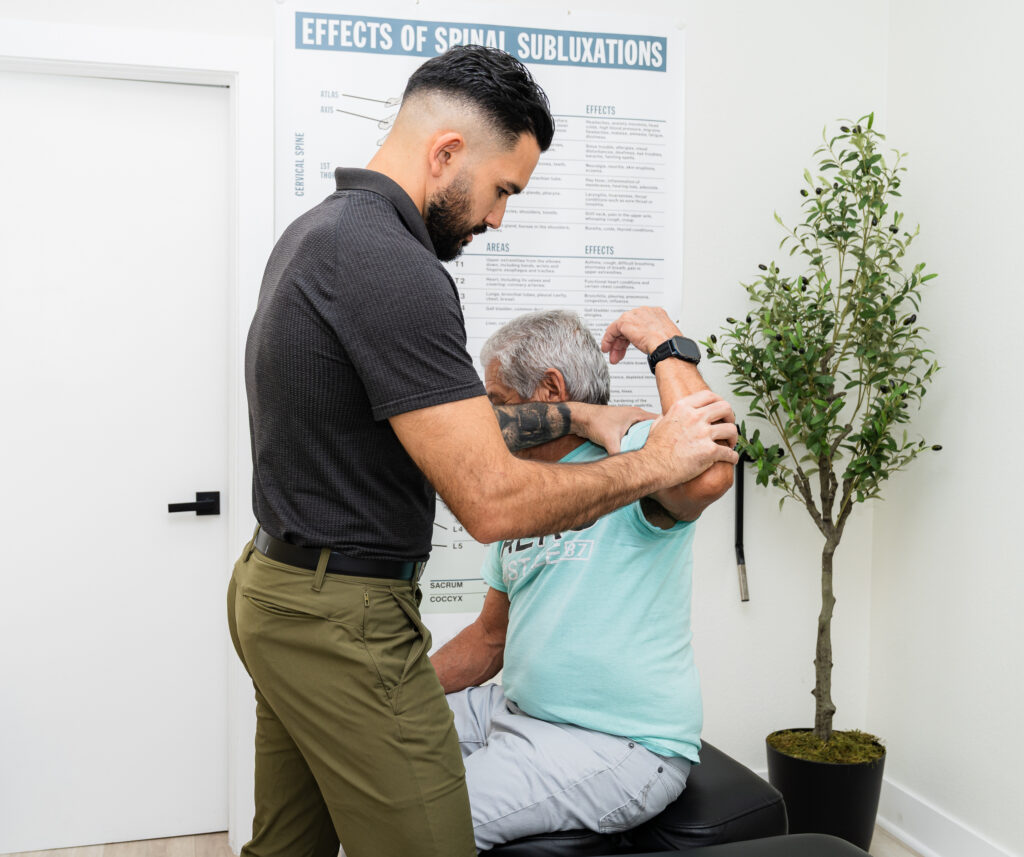

As a local chiropractor, I want to share with you how improving your flexibility can significantly enhance your overall well-being, whether you're an athlete striving for peak performance or someone simply looking to move more comfortably in everyday life. By incorporating specific adjustments and techniques—ranging from various stretching methods to mindfulness practices—you can unlock your body's full potential.
You might wonder how to identify which approaches are genuinely beneficial for your individual needs. That's where understanding the different aspects of flexibility adjustments comes in. Each person is unique, and what works for one might not work for another.
As you explore options, consider how chiropractic care can play a vital role in your journey toward better flexibility. Through tailored adjustments, we can help alleviate tension and improve your range of motion, allowing you to engage in effective stretching and strengthening exercises.
Let's delve into practical steps you can take to make meaningful changes in your flexibility journey. Together, we can create a plan that aligns with your specific goals and lifestyle.
Understanding Flexibility
As a local chiropractor, I want to emphasize the importance of flexibility for not only enhancing your physical performance but also for your overall well-being. Flexibility is defined as the ability of your muscles and joints to move through their complete range of motion. It's more than just reaching down to touch your toes; it's crucial for enabling your body to execute daily tasks more effectively while minimizing the risk of injuries.
When you focus on improving your flexibility, you're also enhancing your muscle elasticity. This improvement can lead to better coordination and balance, making your movements feel more fluid—whether you're exercising, engaging in sports, or simply going about your daily life. Increased flexibility can significantly improve your posture, alleviating stress on your muscles and joints—which is especially important as we age.
It's a common misconception that flexibility is only important for athletes; in reality, it offers benefits for everyone. By integrating flexibility exercises into your routine, you can relieve muscle tension, reduce soreness after physical activities, and enhance your overall performance. Regular stretching can also foster relaxation and stress relief, which positively impacts your mental health.
To effectively improve your flexibility, I encourage consistent practice and a gradual approach. Different stretching techniques, such as static stretching, dynamic stretching, and Proprioceptive Neuromuscular Facilitation (PNF) stretching, can all contribute to better flexibility.
As you become more flexible, you'll likely experience greater comfort in your movements and an increased ability to participate in various physical activities. I invite you to embrace this journey toward better flexibility, as it will lead to a more resilient and adaptable body—an essential aspect of natural healing and chiropractic care.
Importance of Warm-Up
As a local chiropractor, I want to emphasize the importance of warming up before any physical activity, especially for those of you who might be new to chiropractic care and natural healing.
A proper warm-up isn't just a routine; it's a vital step to prepare your body for exercise and improve your flexibility. By taking the time to warm up, you can increase blood flow to your muscles, enhance your overall performance, and significantly reduce the risk of injury.
Here are three key reasons why warming up is essential:
- Increases Muscle Temperature: Warming up elevates the temperature of your muscles, making them more pliable. This increased elasticity allows for a wider range of motion during your flexibility exercises, helping you stretch more effectively and safely.
- Enhances Joint Mobility: Engaging in a focused warm-up routine boosts the production of synovial fluid in your joints. This natural lubricant improves joint mobility, which is crucial for achieving deeper stretches and minimizing stiffness—both of which can greatly impact your flexibility progress.
- Prepares You Mentally: Warming up isn't solely about physical preparation; it plays a significant role in mentally gearing up for your workout. Taking a moment to concentrate on your breathing and movements can strengthen the mind-body connection, helping you become more attuned to your body's capabilities and limitations.
Incorporating a proper warm-up into your routine can greatly enhance your overall wellness journey.
Types of Stretching
As a local chiropractor dedicated to promoting natural healing and overall wellness, I want to emphasize the importance of understanding the various types of stretching for improving flexibility.
Static stretching is a technique that can significantly enhance your range of motion, making it easier for you to perform daily activities and engage in exercise. On the other hand, dynamic stretching is crucial for preparing your muscles for movement, helping to prevent injuries during physical activities.
Incorporating both static and dynamic stretching into your routine can be highly beneficial. Static stretching is best done after your muscles are warmed up, such as at the end of a workout, to safely lengthen the muscles and improve flexibility.
Dynamic stretching, however, should be included before your workout to activate your muscles and get them ready for action.
By understanding and applying these stretching techniques, you can enhance your overall mobility and support your body's natural healing processes.
If you have any questions or would like personalized advice on incorporating stretching into your wellness routine, feel free to reach out during your next visit!
Static Stretching Benefits
As a local chiropractor, I often emphasize the importance of static stretching in promoting a healthy and balanced body. Many of my patients may not be familiar with how simple techniques like stretching can greatly enhance their overall well-being.
Here are three key benefits of integrating static stretching into your daily routine:
- Increased Flexibility: One of the primary advantages of regular static stretching is its ability to lengthen your muscles and tendons. This increase in flexibility not only enhances your athletic performance—whether you're running, practicing yoga, or engaging in other physical activities—but it also supports your daily movements, making them easier and more fluid.
- Improved Posture: Poor posture can lead to a variety of musculoskeletal issues over time. Many static stretches specifically target muscle groups that play a crucial role in maintaining good posture. By incorporating these stretches, you can promote better alignment of your spine and body, reducing the likelihood of developing postural problems that contribute to discomfort and pain.
- Enhanced Relaxation: After a long day or an intense workout, it's common to feel muscle tension. Static stretching can be a powerful tool for relaxation, helping to relieve stress and soothe tight muscles. This calming effect not only aids in recovery but also contributes to overall mental well-being.
I encourage you to set aside a few minutes each day for static stretching. It can be a simple yet effective way to foster a more balanced body and improve your overall quality of life.
As you incorporate these stretches, you'll likely notice positive changes in how you feel and move. Remember, taking care of your body is a vital part of a holistic approach to health!
Dynamic Stretching Techniques
As a local chiropractor, I want to emphasize the importance of incorporating dynamic stretching into your routine. It can greatly complement the benefits of static stretching, enhancing both your flexibility and overall performance. Dynamic stretching involves moving your body parts through a full range of motion, which not only warms up your muscles but also prepares them for physical activity, helping to prevent injuries.
One excellent technique you can try is leg swings. Simply stand next to a wall or any support and swing one leg forward and backward. Start with small movements and gradually increase the range. This exercise effectively targets your hip flexors and hamstrings, promoting better mobility in those areas.
Another great option is arm circles. Extend your arms out to the sides and make circles—starting small and gradually increasing to larger circles. This engages your shoulders and upper back, helping to loosen these important areas before you engage in more intense activities.
Walking lunges are also highly beneficial. When you step forward into a lunge, twist your torso towards your leading knee. This movement activates your hips and core, further enhancing your stability and strength.
Don't overlook high knees and butt kicks, either! These exercises can elevate your heart rate while stretching your quads and hip flexors, making them an excellent addition to your warm-up routine.
Incorporating these dynamic stretches before your workouts can enhance your mobility and significantly reduce the risk of injury. I recommend performing each stretch for about 30 seconds to a minute, with a focus on controlled movements.
Effective Stretching Techniques
As a local chiropractor, I want to share the importance of effective stretching techniques for enhancing your flexibility and overall well-being.
Incorporating dynamic stretching into your routine can serve as an excellent warm-up, helping to prepare your muscles for activity and potentially improving your performance in daily tasks and exercise.
On the other hand, static stretching is crucial for increasing your overall flexibility, allowing your muscles to relax and lengthen after physical activity.
Understanding and integrating both methods can greatly benefit your health and support your natural healing process.
Let's delve into how these techniques can enhance your chiropractic care and overall lifestyle.
Dynamic Stretching Benefits
As a local chiropractor, I want to share with you the importance of dynamic stretching and how it can significantly benefit your overall health and wellness. Many people may not be familiar with the concept of dynamic stretching, but it's an excellent way to enhance flexibility and prepare your muscles for physical activity.
Unlike static stretching, which involves holding a position, dynamic stretching incorporates movement, promoting a greater range of motion and increasing blood flow to your muscles. This not only gets your body ready for exercise but also helps reduce the risk of injury.
Here are three key benefits of including dynamic stretching in your routine:
- Boosts Performance: Engaging in dynamic stretches activates your muscles through movement, which can lead to improved athletic performance. You may notice that you're able to run faster, jump higher, and move more fluidly during your physical activities, ultimately enhancing your experience.
- Improves Muscle Coordination: Dynamic stretching is a fantastic way to enhance neuromuscular control. As you practice these movements, your body becomes more adept at coordinating muscle actions, which is crucial for performing complex physical tasks safely and effectively.
- Reduces Injury Risk: Warming up with dynamic stretches prepares your muscles and joints for the demands of exercise. By taking this proactive approach, you can significantly lower the chances of experiencing strains, sprains, and other injuries that can derail your fitness journey.
Incorporating dynamic stretching into your warm-up routine can lead to more productive workouts and improved flexibility.
As a chiropractor, I encourage you to make this an essential part of your fitness regimen to support your body's natural healing and overall well-being.
Static Stretching Techniques
As your chiropractor, I want to emphasize the importance of static stretching in promoting flexibility and supporting muscle health, especially after physical activities. These techniques involve holding a stretch for a specific duration, usually ranging from 15 to 60 seconds, which allows your muscles to lengthen and relax effectively.
I encourage you to incorporate these stretches after your workouts or even at any time throughout the day to enhance your overall flexibility.
Let's start with some key muscle groups that benefit greatly from stretching, such as the hamstrings, quadriceps, and shoulders. For a hamstring stretch, you can sit on the ground with one leg extended while the other is bent. Reach toward your toes on the extended leg, and you should feel a gentle stretch in the back of your thigh.
For the quadriceps, stand on one leg, grab your opposite ankle, and bring it toward your glutes, ensuring that your knees remain close together.
It's crucial to hold each stretch gently without bouncing, as this can lead to injuries. Remember to breathe deeply and relax into the stretch, allowing your muscles to release any tension they may have accumulated.
I recommend incorporating static stretching into your routine two to three times a week for optimal results. Consistency in this practice won't only improve your flexibility but also reduce the risk of injury over time, ultimately enhancing your overall performance in physical activities.
As your chiropractor, I'm here to support you in your journey toward better health through natural healing methods like these.
Incorporating Mobility Exercises
As a local chiropractor, I want to emphasize the importance of incorporating mobility exercises into your daily routine.
These exercises can significantly enhance your flexibility and range of motion, which are crucial for maintaining a healthy body. By focusing on moving your joints through their full range of motion, you not only improve flexibility but also build strength and stability, leading to a better overall sense of well-being.
Here are three essential mobility exercises that I encourage you to try:
- Hip Circles: Start by standing on one leg and lifting the opposite knee. From there, move that knee in a circular motion, creating a wide circle. Aim for 10-15 repetitions in each direction before switching legs. This exercise is fantastic for loosening your hip joints, which can alleviate tension and improve mobility in your lower body.
- Thoracic Spine Rotations: Sit comfortably on the floor with your legs crossed. Place one hand behind you for support and the other hand on the opposite knee. Gently rotate your upper body toward the hand on the floor, holding the position for a moment before returning to the center. Repeat this 8-10 times on each side. This movement is vital for maintaining flexibility in your spine, which plays an essential role in your overall movement and posture.
- Ankle Dorsiflexion: Stand facing a wall and place one foot a few inches back. Keep your heel down and bend your front knee towards the wall. Hold this position for a few seconds before switching sides. This exercise enhances ankle mobility, which is crucial for various activities, from walking to sports.
By integrating these mobility exercises into your routine, you may notice a significant improvement in how your body feels and performs.
As your chiropractor, I'm here to support you in your journey toward better health and natural healing.
Mindfulness and Flexibility
As a chiropractor, I want to emphasize the important connection between mindfulness and flexibility in your body. When you practice mindfulness, you cultivate a deeper awareness of how your body moves. This heightened awareness is crucial, as it helps you recognize areas of tension or tightness in your muscles and joints. By tuning into these sensations, you can modify your movements and stretches, which can significantly improve your flexibility over time.
When you're engaging in mindful movement, it's beneficial to focus on your breathing. Take deep inhales and slow exhales, allowing your breath to lead your actions. This rhythmic breathing not only keeps you grounded in the present moment but also enhances your ability to listen to your body's signals. You'll discover that you can explore your limits safely, as you become more attuned to the sensations within your body.
Integrating mindfulness into your stretching routine can also play a vital role in reducing stress and improving your overall well-being. By clearing your mind and concentrating on each stretch, you shift your focus away from distractions and promote mental clarity.
This not only supports your flexibility but also fosters a sense of calm and relaxation, which is essential for your health. As a chiropractor, I encourage you to embrace these practices as part of your journey to better health and greater flexibility.
Adjusting Your Routine
As a chiropractor, I'm passionate about helping you improve your flexibility and overall mobility through natural methods. Adjusting your daily routine can make a significant difference in how your body feels and functions.
By incorporating more dynamic movements and targeted stretches, you can't only enhance your flexibility but also minimize the risk of injury.
Here are three simple adjustments you can make to your routine for better flexibility and mobility:
1. Warm-Up with Dynamic Stretches: Before engaging in any physical activity, it's crucial to prepare your body. Start with dynamic stretches such as leg swings, arm circles, or torso twists. These movements boost blood flow to your muscles and get your body ready for more intense exercise.
I recommend dedicating 5-10 minutes to these dynamic warm-ups to set the stage for a successful workout.
2. Incorporate Yoga or Pilates: Integrating yoga or Pilates into your weekly routine can significantly enhance your flexibility. These practices emphasize controlled movements and deep stretching, allowing you to gradually increase your range of motion.
I encourage you to try at least one class or session each week to experience the benefits firsthand.
3. Take Frequent Stretch Breaks: If you spend a lot of time sitting due to your job or lifestyle, it's essential to create opportunities for movement throughout your day. Set reminders to take short stretch breaks, even if it's just for a few minutes every hour.
Focusing on areas that typically hold tension—like your hips, hamstrings, and shoulders—can help alleviate tightness and improve your flexibility over time.
By making these small changes, you can enhance your mobility and overall well-being.
If you have any questions or need personalized advice, feel free to reach out during your next visit. Together, we can create a plan that works best for you!
Tracking Progress
Tracking your progress is a vital aspect of understanding your journey toward improved flexibility, especially when considering the holistic benefits of chiropractic care. As a chiropractor, I often emphasize the importance of monitoring your advancements to recognize what methods are effective and what may need adjustment in your routine.
To begin, it's essential to set specific flexibility goals. Whether your aim is to touch your toes or to achieve a deeper stretch, having well-defined targets can significantly boost your motivation and commitment to your wellness journey.
I recommend maintaining a flexibility journal. This tool can help you document your daily or weekly routines, capturing how each stretch feels and any improvements you notice. Reflecting on this information not only provides a tangible record of your progress but also encourages you to stay mindful of your body's responses. You may discover that certain stretches yield quicker results, allowing you to tailor your focus for optimal benefits.
In addition, consider utilizing visual aids such as photos or videos of your practice. Documenting your progress visually can serve as a tremendous motivator. Many patients are pleasantly surprised at the improvements they see over time, and a visual record can be a powerful reminder of the hard work you've put in.
Regular assessments of your flexibility are also crucial. For example, you might measure how far you can reach while seated or how low you can go in a lunge. These evaluations provide concrete data that can help you track your improvement and further refine your routine.
Lastly, it's important to celebrate your milestones, no matter how small they may seem. Acknowledging your achievements keeps you engaged and encourages you to continue pushing forward.
Conclusion
As your local chiropractor, I want to share how incorporating flexibility adjustments into your daily routine can significantly improve your physical performance and help reduce the risk of injuries. Understanding the various types of stretching is essential, and I encourage you to embrace mobility exercises that can enhance your range of motion.
In addition, practicing mindfulness can help you identify areas of tension in your body, allowing you to target specific areas for improvement. It's important to remember to adjust your routine as necessary, and I recommend tracking your progress to keep you motivated on this journey.
Celebrating your milestones—no matter how small—can make this process enjoyable and fulfilling. Ultimately, achieving greater flexibility isn't just a distant goal but an enriching experience that fosters overall well-being and vitality. Let's work together to make this journey a positive one!