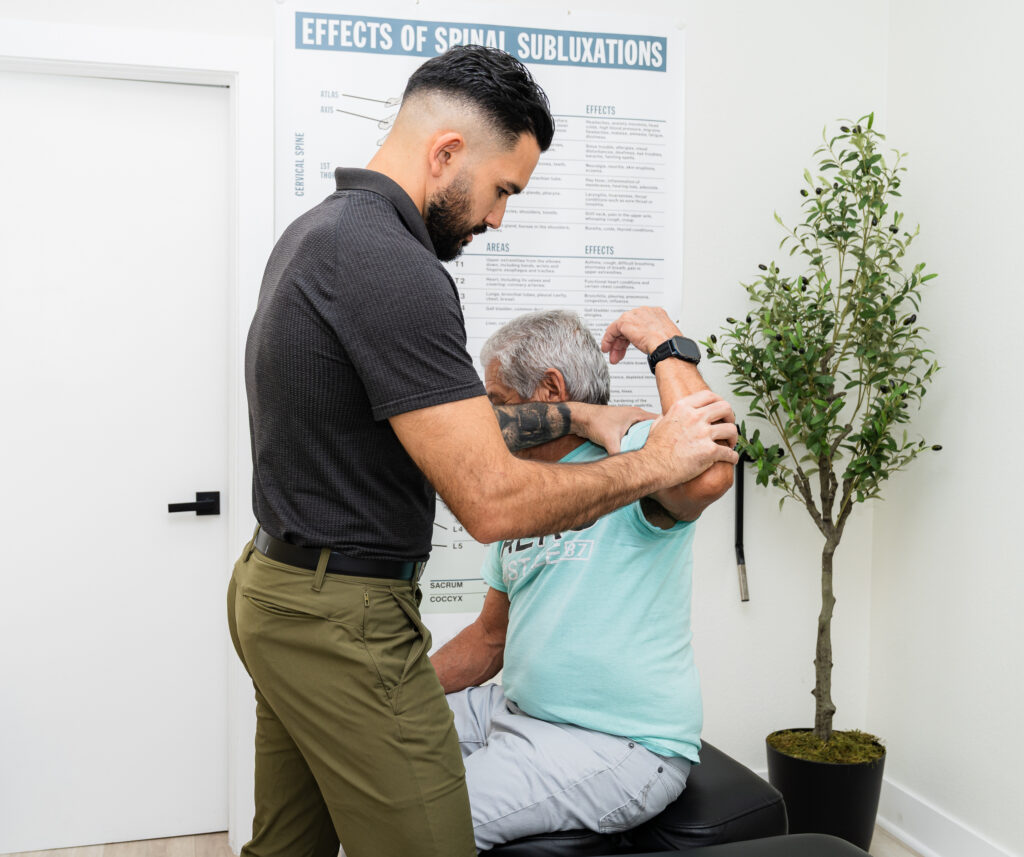

As a local chiropractor, I want to help you understand how to recover from sports injuries naturally. It’s crucial to approach your recovery with mindfulness. Paying attention to your nutrition and hydration is vital as your body needs the right fuel to heal effectively. Incorporating gentle movements can boost circulation, but it’s important to stay attuned to what your body is telling you.
There are several natural techniques and remedies that can aid in your recovery process. Chiropractic care, for example, focuses on aligning your spine and optimizing your nervous system function, which can significantly contribute to healing. Additionally, techniques like soft tissue therapy, stretching, and rehabilitation exercises can facilitate a smoother recovery.
I encourage you to explore these natural healing methods as we work together to restore your body’s balance and get you back to your activities safely. Remember, your journey to recovery is unique, and I’m here to guide you every step of the way.
Understanding Sports Injuries: Types and Causes
As a local chiropractor, I want to help you understand the types and causes of sports injuries so you can stay safe and promote faster recovery.
Sports injuries can generally be classified into two main categories: acute and chronic. Acute injuries, such as sprains or fractures, happen suddenly—often as a result of a specific impact or fall. If you experience immediate pain and swelling, it’s crucial to seek care to address these issues promptly.
Chronic injuries, on the other hand, develop gradually over time due to repetitive stress on your muscles or joints. Common examples include conditions like tendonitis and stress fractures. These injuries may not present immediate symptoms but can significantly impact your performance and well-being.
Identifying the root cause of your injury is essential for effective prevention and recovery. Factors like poor technique, inadequate warm-ups, and insufficient conditioning can all lead to injuries. Additionally, wearing improper gear or not allowing your body enough recovery time can worsen the situation.
By understanding these contributing factors, you can make informed decisions to minimize your risk of injury.
As a chiropractor, I can help guide you through natural healing methods and provide tailored strategies to enhance your athletic performance while ensuring a smoother recovery should injuries arise.
Let’s work together to keep you active and healthy!
The Importance of Nutrition in Recovery
As a local chiropractor dedicated to your overall health and recovery, I want to emphasize the vital role that nutrition plays in healing from sports injuries. The right nutrients are essential for repairing damaged tissues, reducing inflammation, and enhancing your immune system.
It’s important to focus on a balanced diet that includes proteins, healthy fats, and carbohydrates. Proteins, which can be found in lean meats, fish, and legumes, are crucial for muscle repair. Healthy fats, sourced from avocados and nuts, contribute to overall cellular health and support recovery.
Additionally, incorporating a variety of fruits and vegetables into your diet provides essential vitamins and antioxidants that can accelerate the healing process. Nutrients like vitamin C, zinc, and omega-3 fatty acids are particularly beneficial for recovery.
Hydration is another key aspect of your nutritional strategy. Drinking enough water facilitates nutrient transport throughout your body and helps eliminate toxins that may hinder your recovery.
Lastly, I recommend timing your meals thoughtfully around your workouts and recovery phases. This can optimize nutrient absorption and enhance your healing process.
Rest and Recovery: Listening to Your Body
As a local chiropractor, I want to emphasize the importance of listening to your body during the rest and recovery phase, especially after a sports injury. Your body communicates in various ways, and recognizing these signals is crucial for effective healing.
If you experience pain or discomfort, it’s essential to refrain from pushing through it; instead, prioritize rest to allow your body the time it needs to heal.
Pay attention to specific movements that may exacerbate your injury. It’s important to acknowledge these movements and avoid them, even if the urge to continue is strong. Gentle activities like stretching and light walking can be beneficial, as they encourage blood flow and support recovery without placing undue stress on the injured area.
Rest isn’t solely about physical inactivity; it also encompasses mental relaxation. Stress can hinder your recovery process, so integrating mindfulness techniques can help soothe your mind.
Trusting your instincts is key during this time. Remember, being patient and nurturing yourself now will pave the way for a more robust return to your activities later on. Embracing natural healing methods, including chiropractic care, can further enhance your recovery journey.
Physical Therapy Techniques for Healing
As a local chiropractor, I want to share how incorporating physical therapy techniques into your recovery can significantly enhance your healing journey.
First and foremost, gentle stretching is essential. It helps improve flexibility and reduce stiffness, which is crucial for maintaining your range of motion and ultimately regaining strength.
Next, I recommend targeted strengthening exercises. These exercises focus on rebuilding the muscles surrounding the injured area, providing necessary support and stability to prevent further injury.
Manual therapy is another effective approach we use in chiropractic care. Through hands-on techniques, I can help alleviate pain, improve circulation, and promote the healing process.
Additionally, I utilize modalities like ultrasound and electrical stimulation to assist in pain relief and tissue repair.
Lastly, balance training is incredibly important in your recovery. This not only helps you regain coordination but also reduces the risk of future injuries.
By consistently working on these techniques with a qualified chiropractor, you can expect a comprehensive recovery. Stay dedicated to the process, and you’ll find yourself back to your normal activities sooner and feeling stronger than ever.
Embrace this natural healing journey with us!
The Role of Hydration in Injury Recovery
As a local chiropractor, I want to emphasize the importance of staying properly hydrated during your recovery from sports injuries.
Water isn’t just vital for your general health; it plays a crucial role in transporting essential nutrients throughout your body and maintaining a healthy electrolyte balance.
These factors can significantly influence the speed of your healing process. If you overlook your hydration needs, you may inadvertently extend your recovery time and impede your overall progress.
Importance of Water Intake
As a local chiropractor, I want to emphasize the critical role that water intake plays in your recovery after a sports injury. Proper hydration is essential for your body’s healing process. Water acts as a transport system for nutrients to reach the injured area, enhances circulation, and helps to reduce inflammation.
When you’re dehydrated, your body faces challenges in repairing damaged tissues, which can ultimately extend your recovery time.
I encourage you to drink plenty of water throughout the day, particularly if you’re engaged in a rehabilitation program. Pay attention to your body—thirst is an important indicator that you need to increase your fluid intake.
Remember, staying hydrated isn’t solely about drinking water; incorporating fruits and vegetables that are rich in water content can also significantly contribute to your hydration levels.
Electrolyte Balance Maintenance
As your local chiropractor, I want to emphasize the importance of maintaining electrolyte balance for your recovery after a sports injury, especially when it comes to proper hydration.
Electrolytes, such as sodium, potassium, and magnesium, are crucial for muscle function and overall recovery. When you sweat or lose fluids – which often happens during physical activity – your electrolyte levels can drop. This can lead to muscle cramps and fatigue, both of which can impede your healing process.
To help maintain your electrolyte balance, I recommend drinking plenty of water throughout the day. It’s also beneficial to include electrolyte-rich foods in your diet, such as bananas, spinach, and nuts.
Additionally, after engaging in intense workouts, consider natural electrolyte drinks to replenish what you’ve lost. Always listen to your body; if you’re feeling fatigued or experiencing cramps, it may be a sign that you need to increase your electrolyte intake for optimal recovery.
Incorporating Stretching and Strengthening Exercises
As a local chiropractor, I want to emphasize the importance of incorporating stretching and strengthening exercises into your daily routine for optimal recovery.
These exercises are vital not only for improving your flexibility and building muscle strength but also for preventing future injuries. When we focus on these techniques, we can significantly enhance your overall performance and resilience.
By integrating them into your lifestyle, you’re taking proactive steps towards better health and well-being, which aligns perfectly with the principles of chiropractic care and natural healing.
Importance of Flexibility
As a local chiropractor, I want to emphasize the importance of flexibility in your overall health and wellness, especially if you’re involved in sports or physical activities. Many people often concentrate solely on strength training and endurance, but flexibility is equally crucial for optimal athletic performance and injury recovery.
Flexibility enhances your range of motion, allowing your body to function more efficiently during everyday activities and workouts. By incorporating regular stretching routines into your regimen, you can significantly reduce muscle tension and lower your risk of injuries by keeping your muscles flexible and resilient.
I recommend dynamic stretches before your workouts to prepare your body for movement, while static stretches after exercise can greatly aid in recovery. Additionally, activities like yoga or Pilates not only strengthen your body but also promote flexibility, improving your balance and coordination.
By prioritizing flexibility, you’re not just enhancing your performance; you’re also laying a solid foundation for your long-term health. Remember, a flexible body is less susceptible to strains and sprains, making it an essential aspect of injury prevention.
Building Muscle Strength
As a local chiropractor, I want to emphasize the vital role flexibility plays in building muscle strength. Flexibility not only prepares your muscles for more intense workouts but also significantly reduces the risk of injury during strength training. By incorporating stretching exercises into your routine, you can enhance your range of motion and improve overall performance.
Dynamic stretches, such as leg swings and arm circles, are excellent for activating your muscles before a workout. They help get your body ready for action, ensuring that your muscles are primed for the challenges ahead.
On the other hand, static stretches are beneficial for cooling down after your workout, aiding in recovery and maintaining flexibility.
Next, let’s talk about strengthening exercises. I encourage you to focus on compound movements like squats, deadlifts, and push-ups. These exercises engage multiple muscle groups at once, promoting overall strength and stability.
As you progress, it’s essential to gradually increase the weights and resistance you use. This incremental challenge helps stimulate muscle growth while allowing your body to adapt without overwhelming it.
Always keep in mind the importance of maintaining proper form during these exercises. This not only maximizes the benefits but also minimizes the risk of injury, which is crucial for long-term success.
Injury Prevention Techniques
As a local chiropractor dedicated to your well-being, I want to emphasize the importance of incorporating injury prevention techniques into your daily routine. One of the best ways to keep your body healthy and reduce the risk of injury is by blending stretching and strengthening exercises.
Before you engage in any physical activity, it’s crucial to start with dynamic stretches. These movements not only warm up your muscles but also enhance flexibility, making your body more resilient. Pay particular attention to areas that are commonly prone to injury, such as your hamstrings, calves, and shoulders.
In addition to stretching, integrating strength training exercises is vital. Focusing on major muscle groups through exercises like squats, lunges, and core workouts will help build stability and support throughout your body. This increased strength can significantly lower your risk of injuries.
After your workouts, don’t forget to cool down with static stretches. This practice promotes recovery and maintains flexibility, making it easier for your body to bounce back.
Always remember to listen to your body. If you’re experiencing discomfort or pain, it’s important to address it rather than pushing through.
Alternative Therapies: Acupuncture and Massage
As a local chiropractor committed to your health and recovery, I want to highlight the benefits of incorporating alternative therapies like acupuncture and massage into your healing journey, especially when dealing with sports injuries.
Acupuncture is a time-honored practice that involves stimulating specific points on your body to help alleviate pain and promote healing. By enhancing blood flow, acupuncture can release endorphins, which provide natural pain relief and reduce inflammation, helping you recover more effectively.
Meanwhile, massage therapy plays a crucial role in your rehabilitation. It helps relax tight muscles, improves circulation, and increases flexibility. Whether you opt for deep tissue or sports massage, the manipulation of your muscles can significantly decrease tension and expedite your recovery process.
Integrating these therapies into your recovery routine not only addresses the physical aspects of your injury but also supports your overall well-being.
It’s essential to listen to your body and seek professional guidance to ensure you maximize the benefits of these treatments. By embracing both acupuncture and massage, you can facilitate a smoother and quicker return to the activities you love.
As your chiropractor, I’m here to support you on this path to natural healing.
Herbal Remedies for Pain Relief and Healing
As a local chiropractor, I want to share some insights on how herbal remedies can complement your recovery from sports injuries and help manage pain naturally.
In addition to the chiropractic adjustments and therapies we provide, certain herbs have been recognized for their anti-inflammatory and pain-relieving properties.
For example, turmeric is a powerful herb containing curcumin, which may assist in reducing inflammation and alleviating pain. Similarly, ginger has been shown to ease muscle soreness and enhance recovery time, making it a great addition to your routine.
Topically, arnica gel or cream can be a fantastic option for treating bruises and sore muscles. This natural remedy is known for its quick relief.
Additionally, willow bark has a long history of traditional use for pain relief, acting similarly to aspirin, and can be consumed as a tea or in supplement form.
Don’t forget about the calming effects of chamomile or peppermint tea. Incorporating these into your daily routine can help soothe both your body and mind, promoting overall wellness during your recovery.
As always, it’s crucial to consult with a healthcare professional—like myself—before starting any herbal regimen. This ensures that the herbs you choose are safe and suitable for your specific injury and overall health.
I’m here to support you on your journey to healing!
Mental Strategies for Overcoming Injuries
As a local chiropractor, I want to emphasize that while physical recovery from sports injuries is important, your mental approach can significantly influence your healing process. Maintaining a positive mindset can make a world of difference in your recovery journey.
I encourage you to visualize yourself returning to your sport, imagining every aspect of your performance. This practice of mental rehearsal can enhance your confidence and motivation as you heal.
It’s also beneficial to set small, achievable goals during your recovery. Celebrate each milestone along the way, as this can provide you with a sense of accomplishment and keep you actively engaged in the healing process.
Surrounding yourself with supportive friends and family can further boost your spirits during challenging times. Incorporating mindfulness and relaxation techniques such as meditation or deep breathing can help alleviate anxiety and stress associated with injuries.
Additionally, journaling your thoughts and feelings can be an effective way to process your emotions regarding your injury. Remember, healing is a journey that takes time, and by staying mentally strong, you can come back not only physically ready but also mentally prepared for your return to the game.
As your chiropractor, I’m here to support you every step of the way on your path to recovery.
Conclusion
As a local chiropractor, I want to share with you the importance of recovering from sports injuries naturally by nurturing both your body and mind. It’s essential to focus on proper nutrition, as the right fuel can significantly impact your healing process. Staying hydrated is equally crucial—water helps maintain optimal function and supports recovery.
Incorporating gentle exercises can also aid in your rehabilitation, promoting mobility and strength without putting too much stress on your body. Don’t overlook the benefits of alternative therapies and herbal remedies, which can effectively alleviate pain and reduce inflammation.
It’s vital to listen to your body throughout this journey; healing is not an overnight process, and patience is key. With a comprehensive approach that includes chiropractic care, you can enhance your recovery and emerge from your injury even stronger and more resilient. Remember, I’m here to guide you through this process and support your natural healing journey.