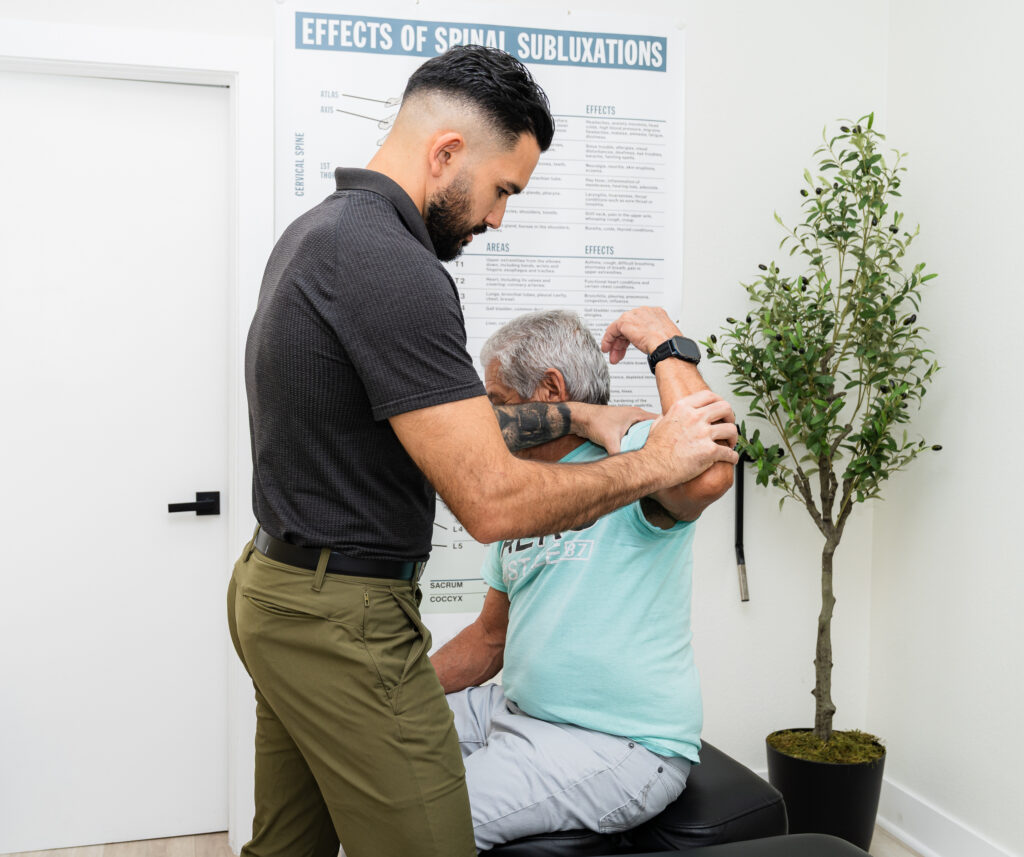

As a local chiropractor, I want to share with you an important connection that many people may not be aware of: the influence of your spine on your mental well-being. Chiropractic adjustments can be a key factor in reducing anxiety and stress in your life. When we correct misalignments in your spine, it helps promote relaxation and better regulates how your body responds to stressors.
This isn't just about alleviating physical tension; it's also about enhancing your emotional resilience. With a properly aligned spine, you'll find it easier to face life's challenges. You might be wondering how this all works and how you can integrate these principles into your daily life. Let's explore the specific mechanisms involved in this process and discuss practical ways to support your mental health through chiropractic care.
Understanding Anxiety and Stress
As a local chiropractor, I want to take a moment to discuss how anxiety and stress can impact your overall health and well-being. These feelings are common and can significantly affect your daily life. You may find yourself feeling overwhelmed by responsibilities at work, in relationships, or even in day-to-day tasks.
Understanding the relationship between anxiety, stress, and your physical health is crucial, especially when considering natural healing approaches like chiropractic care.
Anxiety often presents itself as excessive worry, fear, or unease, and can manifest physically through symptoms such as a racing heart, tight muscles, or even headaches. Stress, on the other hand, typically stems from external pressures and can lead to feelings of tension, irritability, or restlessness.
It's important to recognize that both anxiety and stress are normal reactions to challenging situations, but when they become chronic, they can disrupt your ability to function effectively.
You may notice changes in your sleep patterns, fluctuations in your appetite, or a tendency to withdraw from social interactions. Identifying your triggers is vital; understanding what situations or thoughts provoke these feelings can empower you to take action.
Everyone experiences anxiety and stress differently. For example, one person might feel a knot in their stomach before a presentation, while another may struggle with concentration. Recognizing your unique response is essential for effective management, and this is where chiropractic care can play a significant role.
Through gentle adjustments and holistic approaches, chiropractic care can help alleviate some of the physical symptoms associated with anxiety and stress. By addressing misalignments in your spine and promoting overall body balance, we can work together to enhance your emotional well-being.
The good news is that you can take proactive steps to manage these feelings. By exploring various natural healing techniques and coping mechanisms, you can regain control over your emotional health.
Understanding these concepts and how they relate to chiropractic care empowers you to navigate through life's challenges with greater resilience and confidence. Remember, you aren't alone in this journey, and we're here to support you every step of the way.
The Power of Mindful Breathing
As a local chiropractor, I often emphasize the importance of holistic approaches to health, including the practice of mindful breathing. This simple yet powerful technique can significantly aid in managing anxiety and stress, which are common issues many of my patients face.
By directing your attention to your breath, you can unlock numerous benefits that promote relaxation for both your mind and body.
Incorporating mindful breathing into your daily routine can complement the chiropractic adjustments and natural healing methods we utilize in our practice.
Let's delve into some effective techniques and exercises that can help you embrace mindful breathing and enhance your overall well-being.
Benefits of Deep Breathing
As a local chiropractor dedicated to promoting natural healing and overall wellness, I want to introduce you to the powerful practice of deep breathing. This simple yet effective technique serves as a valuable tool for calming both the mind and body, providing immediate relief from stress. By focusing on your breath, you can activate your body's natural relaxation response, which helps to lower your heart rate and alleviate anxiety.
It's a wonderful way to create a moment of pause, allowing your mind to step back from overwhelming situations and reset. Incorporating deep breathing into your routine can heighten your awareness of your thoughts and feelings. It encourages you to take a moment to observe what's happening within you, fostering a greater sense of control over your emotional state.
Many of my patients find that with regular practice, deep breathing significantly enhances their overall well-being, making it easier to manage daily challenges and stressors. Additionally, deep breathing improves oxygen flow throughout your body, which can lead to increased energy levels and enhanced mental clarity.
This boost in oxygenation supports improved focus, enabling you to tackle tasks with renewed vigor. As your chiropractor, I encourage you to explore this natural healing technique as part of your wellness journey.
Techniques for Mindfulness
As a chiropractor, I often emphasize the importance of holistic approaches to health and wellness, and one powerful technique I recommend is mindful breathing. This practice can significantly enhance your ability to manage stress and anxiety, which are common issues that can affect your overall well-being.
By grounding yourself in the present moment, you can foster a sense of calmness and clarity that complements your chiropractic care. Here are three effective strategies to incorporate mindful breathing into your daily routine:
- Set a Timer: I encourage you to designate a specific time each day for mindful breathing. Even just five minutes of focused breathing can help establish a routine that supports your physical and mental health.
- Focus on Your Breath: Find a quiet space, close your eyes, and take a deep breath in through your nose, then exhale gently through your mouth. Pay attention to the sensations of the air flowing in and out of your body. If your thoughts start to drift, kindly redirect your focus back to your breath. This practice can help release tension in your muscles, enhancing the benefits of your chiropractic treatments.
- Visualize Calm: While you breathe, visualize yourself inhaling peace and exhaling any tension or discomfort. Picture a serene environment that brings you joy and relaxation. This visualization can deepen your mindful breathing experience and promote a more relaxed state, which is beneficial for your overall health and recovery.
By integrating mindful breathing into your daily life, you can support not only your mental well-being but also the physical benefits of chiropractic care.
Let's work together to create a healthier, more balanced you!
Breathing Exercises for Stress
As a local chiropractor, I want to share with you the importance of breathing exercises in managing stress and enhancing your overall well-being. Many of my patients are surprised to learn that focusing on your breath can create a moment of pause, helping to ground you in the present and shift your mind away from stressors into a state of calm.
One of the simplest techniques I recommend is deep breathing. Start by inhaling deeply through your nose for a count of four, allowing your abdomen to expand fully. Hold that breath for a count of four, and then exhale slowly through your mouth for a count of six. Repeat this cycle for a few minutes, and you may notice how your body begins to relax with each breath. This technique not only helps alleviate stress but also complements the alignment work we do in chiropractic care.
Another effective method is the 4-7-8 technique. Inhale for four counts, hold for seven, and then exhale for eight counts. This method is particularly beneficial for calming the mind and can even improve your sleep quality.
Incorporating these breathing exercises into your daily routine can significantly reduce anxiety and stress levels. As you practice, you'll find it becomes easier to tap into this powerful tool whenever you need a moment of peace.
Benefits of Regular Exercise
As a local chiropractor, I want to share with you the incredible benefits of regular exercise, not just for your physical health, but also for your mental well-being. Engaging in physical activity can significantly enhance your mood, naturally boosting your energy levels and promoting a more positive outlook on life.
Regular exercise also plays a crucial role in reducing stress hormones, which can help you navigate daily challenges with greater ease.
Moreover, incorporating exercise into your routine can lead to improved sleep quality. A good night's sleep is essential for your body to recover and rejuvenate, allowing you to approach each day with renewed confidence.
Remember, chiropractic care is all about supporting your body's natural ability to heal, and regular exercise is a key component of that holistic approach.
Let's work together to create a healthy lifestyle that benefits both your body and mind!
Boosts Mood Naturally
As a local chiropractor, I want to share how exercise can significantly enhance your mood and overall well-being through natural means. Many people may not realize that engaging in regular physical activity isn't just about strengthening your body; it also plays a crucial role in uplifting your spirits.
When you exercise, your body releases endorphins—those wonderful hormones that can boost your mood and help you feel more positive.
Here are three important ways that exercise can improve your emotional health:
- Increased Energy Levels: Regular physical activity can elevate your energy, making you feel more alive and alert throughout the day. This increased vitality helps counteract feelings of fatigue and sluggishness, which can often lead to a low mood.
- Building Social Connections: Exercise is a fantastic way to connect with others. Whether you join a yoga class, jog with a friend, or engage in team sports, you create opportunities for social interaction. These relationships provide valuable support and foster a sense of community, both of which are vital for maintaining a positive outlook on life.
- Enhanced Sleep Quality: Consistent exercise can lead to improved sleep patterns. Quality sleep is vital for emotional balance, helping you manage stress better and reducing irritability.
As a chiropractor, I encourage you to incorporate exercise into your daily routine. It can be a powerful tool for transforming your mood and enhancing your overall quality of life.
Reduces Stress Hormones
As your local chiropractor, I want to share how engaging in physical activity can significantly benefit both your body and mind. When you exercise, your body naturally responds by lowering stress hormones like cortisol. This reduction is crucial for effectively managing feelings of anxiety and stress.
During physical activity, your body releases endorphins—your natural mood lifters—that not only enhance your overall well-being but also help counteract the harmful effects of elevated stress hormones. Regular exercise fosters a more balanced hormonal environment, allowing you to feel calmer and more in control of your emotions.
Even short sessions of physical activity, such as a brisk walk or a quick workout, can lead to noticeable improvements in your ability to handle stress. As you integrate regular exercise into your routine, you'll discover that your body becomes more resilient to everyday stressors. You'll feel less overwhelmed by daily challenges and more equipped to confront them directly.
This transformation occurs because your body learns to manage stress more effectively over time, resulting in an overall enhancement of your mental health. By making physical activity a priority, you aren't only boosting your fitness levels but also nurturing a healthier and more balanced response to the stresses life presents.
Enhances Sleep Quality
As a local chiropractor dedicated to promoting natural healing and overall well-being, I want to share how incorporating physical activity into your daily routine can significantly enhance your sleep quality.
Regular exercise not only helps regulate your circadian rhythm, making it easier for you to fall asleep and stay asleep, but it also promotes the release of endorphins—your body's natural mood lifters. This relaxation response can lead to improved sleep patterns.
Here are three compelling reasons why exercise can enhance your sleep quality:
- Reduces Insomnia Symptoms: Engaging in regular aerobic exercise can significantly decrease the time it takes for you to fall asleep and reduce those pesky nighttime awakenings. This helps you wake up feeling more refreshed.
- Increases Sleep Duration: Patients who incorporate frequent exercise into their routines often enjoy longer sleep periods. This allows for deeper, more restorative sleep cycles, which are crucial for your physical and mental health.
- Boosts Mood and Decreases Anxiety: Exercise serves as a natural stress reliever, helping to alleviate anxiety and allowing you to unwind at the end of the day. This relaxed state can lead to much-improved sleep, which is essential for healing and recovery.
As your chiropractor, I encourage you to consider the benefits of exercise, not just for your physical health but also for achieving restful, restorative sleep.
Making these adjustments can lead to a healthier, more balanced life.
Importance of Quality Sleep
As a chiropractor, I want to emphasize the vital role that quality sleep plays in managing anxiety and stress, which can greatly impact your overall health. When you make sleep a priority, both your body and mind can recover from the stresses of daily life more effectively.
Sleep is essential for regulating your mood, enabling you to approach challenges with a clearer perspective. Many people experience increased irritability or anxiety when they don't get enough rest, and this is a common issue that I see in my practice. Lack of sufficient sleep can exacerbate stress, making it more difficult to handle life's demands.
During sleep, your brain processes emotions and experiences, which is crucial for maintaining emotional stability. After a good night's sleep, many individuals report feeling more resilient and better equipped to deal with stress. On the other hand, when you're not getting enough sleep, even small obstacles can feel insurmountable.
That's why it's important to create a sleep-friendly environment—keeping your bedroom dark, quiet, and cool can significantly enhance the quality of your slumber.
It's also important to note that the quality of your sleep is just as crucial as the quantity. The deep sleep stages are particularly important for mental restoration and overall wellness. Incorporating relaxation techniques before bedtime—such as gentle stretching, reading, or meditating—can signal to your body that it's time to unwind and prepare for restorative sleep.
Incorporating quality sleep into your routine isn't just about feeling well-rested; it's about empowering yourself to face the world with confidence. As your chiropractor, I encourage you to view sleep as a fundamental tool for reducing anxiety and stress.
Time Management Techniques
As a local chiropractor, I understand that managing your time effectively is crucial for maintaining not only your physical health but also your mental well-being. Stress and anxiety can manifest in various ways, including tension in your body, which can affect your overall health.
By organizing your time wisely, you can create a more structured and peaceful environment that promotes healing and productivity. Here are three time management techniques that can also support your journey towards better health:
1. Prioritize Your Health Tasks: Each day, identify the most important activities that contribute to your health and wellness. Consider using a system like the Eisenhower Matrix to differentiate between urgent health-related tasks (like stretching or attending a chiropractic appointment) and others that may not be as critical.
By focusing on these important actions first, you can prevent the stress of neglecting your health.
2. Set Specific Time Blocks for Self-Care: Consider dedicating specific time blocks in your day to focus on self-care activities, such as chiropractic exercises, relaxation techniques, or mindfulness practices.
For example, allocate 30 minutes for your chiropractic exercises, 15 minutes for deep breathing, and 1 hour for a relaxing activity. By scheduling these blocks, you're more likely to stay committed to your health and avoid distractions that can lead to neglecting your well-being.
3. Use a Planner or Digital Tools for Health Tracking: Invest in a planner or utilize digital tools to monitor your health-related tasks and appointments.
Applications like Google Calendar can help you visualize your schedule, including chiropractic visits, exercise routines, and rest periods. By keeping everything organized, you reduce the likelihood of missing important appointments, ultimately alleviating stress and promoting a healthier lifestyle.
Creating a Calming Environment
Creating a calming environment is essential for your overall well-being, especially when it comes to managing stress and anxiety. As a chiropractor, I often see how our surroundings can impact our physical and mental health. By setting up your space in a way that promotes tranquility, you can enhance your healing journey.
Begin with decluttering your environment. A tidy space can significantly reduce feelings of overwhelm and help clear your mind, which is beneficial for your nervous system. Remove items that don't serve a purpose or bring you joy, as they can contribute to mental clutter.
Next, pay attention to your lighting. Soft, natural light is ideal for creating a warm and inviting atmosphere, while harsh fluorescent lights can heighten stress levels. Whenever possible, opt for lamps with warm bulbs or incorporate candles, as they provide a soothing glow that can help ease tension.
Incorporating calming colors into your décor is also important. Soft blues, greens, and neutral tones are known to promote relaxation and can be beneficial for your overall mood. Additionally, adding plants to your space can purify the air and uplift your spirits. The presence of nature has a calming effect, so consider placing a few potted plants around your home or office.
Lastly, consider the role of sound in your environment. If you live in a noisy area, using white noise machines or playing calming music can help drown out distractions and create a peaceful atmosphere. Establishing a designated quiet zone in your home can provide a retreat from the chaos, allowing you to focus on relaxation and healing.
Nutrition's Role in Mental Health
As a local Chiropractor, I want to emphasize the importance of nutrition in supporting not just your physical health, but also your mental well-being. The foods you choose to consume can have a significant impact on your mood, energy levels, and mental clarity. By maintaining a balanced diet enriched with essential nutrients, you can better manage anxiety and stress, contributing to a healthier mind and body.
Here are three crucial nutrients that can enhance your mental health:
- Omega-3 Fatty Acids: These beneficial fats, found in fatty fish, flaxseeds, and walnuts, are vital for optimal brain function. They help reduce inflammation and have been associated with lower anxiety and depression levels. Including these foods in your diet can support not only your mental health but also your overall physical health.
- B Vitamins: B vitamins, particularly B12 and folate, are vital for brain performance. Foods such as leafy greens, beans, and whole grains can elevate your mood and help combat fatigue. Ensuring you get enough of these vitamins can be a natural way to boost your mental resilience.
- Antioxidants: Consuming foods rich in antioxidants, like berries, nuts, and dark chocolate, can protect your brain from oxidative stress. This protection is crucial for maintaining mental clarity and emotional balance, which are essential for overall well-being.
Incorporating these nutrients into your daily diet can lead to significant improvements in how you feel.
Remember, it's not just about what you eat; it's about the positive effects those choices have on your mental health. By being conscious of your nutritional habits, you can take proactive measures to alleviate anxiety and stress, ultimately enhancing your overall health.
A healthy mind thrives in a healthy body, and good nutrition is a fundamental part of that synergy. Let's work together to support your journey towards better health through natural healing and nutrition!
Building a Support Network
In times of stress and anxiety, having a strong support network can be a vital component of your overall well-being, much like the holistic approach we take in chiropractic care.
Just as your spine benefits from proper alignment and support, your emotional health thrives when surrounded by people you trust. These individuals can provide comfort, encouragement, and practical help when you're feeling overwhelmed, similar to how we aim to alleviate physical discomfort in our practice.
Start by identifying friends, family members, or colleagues who understand your challenges and can lend a listening ear or offer guidance. It's crucial to choose those who uplift you, akin to how we strive to foster a healing environment in our clinic rather than adding to your stress.
Don't hesitate to reach out. Whether it's a simple text, a phone call, or a coffee date, initiating conversations can deepen your connections. Sharing your feelings and experiences often reveals that many people relate to your journey.
Just like discussing your physical health with us can lead to relief, talking about your emotional struggles can lighten your burden.
Consider joining groups or communities that resonate with your interests or challenges. These supportive environments can introduce you to new friends and foster a sense of belonging.
Whether it's a wellness class, a hobby group, or a support circle, connecting with others who share similar experiences can be incredibly affirming, much like the supportive community we cultivate in our practice.
Lastly, remember the importance of reciprocity. Being a supportive friend not only strengthens your relationships but also enhances your sense of connection.
Just as you seek assistance in your healing journey, offering your support to others creates a vibrant community where everyone can thrive together.
Practicing Gratitude Daily
As a local chiropractor, I believe that everyone can benefit from practicing gratitude daily, especially when it comes to enhancing your overall well-being. Shifting your focus from what's lacking to the abundance in your life can significantly impact your mental and physical health.
By actively acknowledging what you're thankful for, you create a positive mental environment that can help alleviate anxiety and stress—factors that often contribute to physical discomfort.
Incorporating gratitude into your daily routine is a simple practice that takes just a few minutes but can yield profound benefits. Here are three strategies you can easily integrate into your life:
- Keep a Gratitude Journal: Each day, jot down three things you're grateful for. They can be as simple as a supportive family member or a moment of peace during a busy day. This habit not only reinforces positive thinking but can also lead to reduced tension in your body, enhancing the effectiveness of your chiropractic care.
- Morning Affirmations: Start your morning by reflecting on what you appreciate in your life. Spend a few minutes visualizing these blessings and expressing your gratitude aloud. This positive mindset can set a constructive tone for your day, which may help you maintain better posture and alignment throughout your activities.
- Gratitude Letters: Consider writing a letter to someone who's positively impacted your life. Share how their support has helped you, particularly in your health journey. This practice not only strengthens your emotional connections but also deepens your sense of appreciation, contributing to a more relaxed state of mind that can enhance your healing process.
Conclusion
As your local chiropractor, I want to share how incorporating chiropractic adjustments into your wellness routine can be a powerful tool for reducing anxiety and stress. Many people are unaware that spinal misalignments can impact not just physical health, but also emotional well-being. Through gentle manipulations, we can help restore balance to your spine, which in turn promotes relaxation and mental clarity.
In addition to chiropractic care, I encourage you to combine these adjustments with mindful breathing exercises, regular physical activity, and ensuring you get quality sleep. These practices work synergistically to enhance your emotional resilience.
It's also important to nurture your support network—surrounding yourself with friends and loved ones can provide comfort during challenging times. Practicing gratitude on a daily basis can further contribute to a positive mindset.
By embracing this holistic approach to health, you empower yourself to manage stress more effectively and improve your overall well-being. I'm here to support you on this journey toward a healthier, happier you!