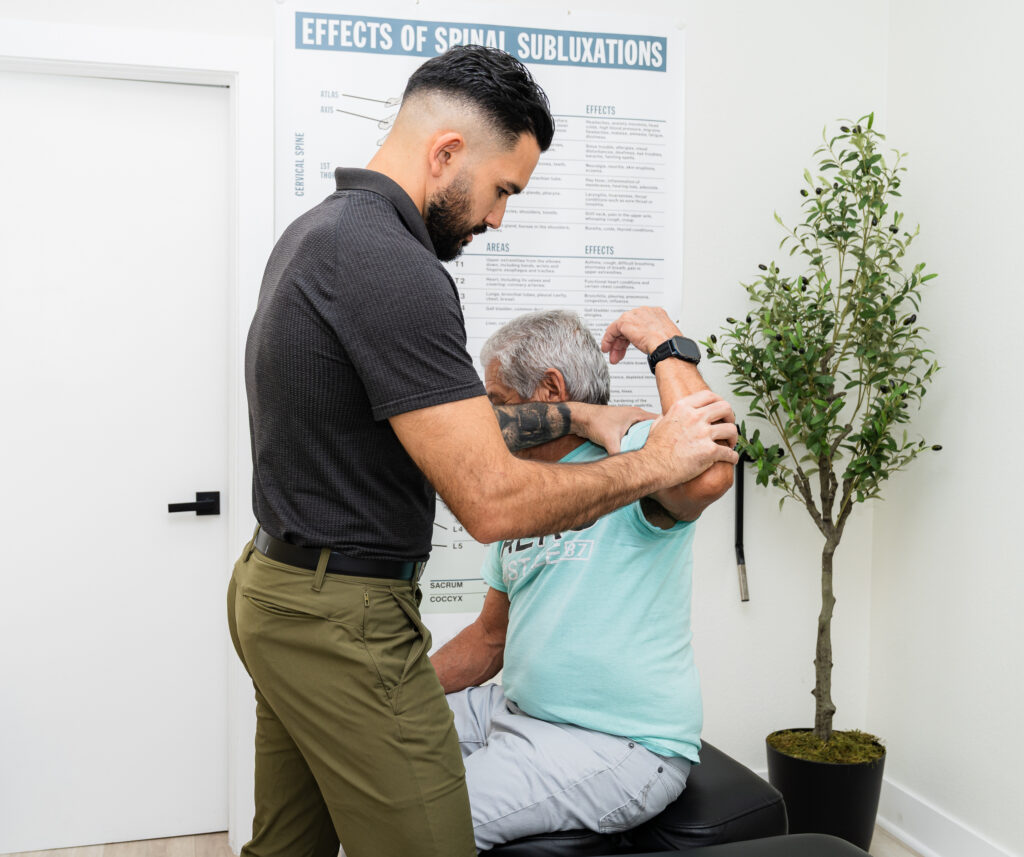

When we talk about wellness therapy, many people tend to think about physical health alone. However, it's important to recognize that true wellness encompasses much more than just your physical state. As your local chiropractor, I want to emphasize the significance of a holistic approach to health, one that considers not only your body but also your mind and spirit.
Incorporating strategies such as mindfulness practices, balanced nutrition, and building emotional resilience can significantly elevate your overall well-being. You might be asking yourself how to weave these elements into your daily routine. What if I told you that personalizing your wellness journey could be the key to unlocking your full potential?
Chiropractic care is a natural healing method that can support you on this journey. By addressing the alignment of your spine, we can enhance not just your physical health but also your mental clarity and emotional balance. Let's work together to create a tailored plan that promotes comprehensive wellness, helping you feel your best in every aspect of your life.
Understanding Holistic Wellness
As a local chiropractor, I want to emphasize that holistic wellness goes beyond just physical adjustments; it includes your mental, emotional, and spiritual health as well. When we talk about wellness, it's crucial to understand that these elements are deeply interconnected. If one area is neglected, it can lead to feelings of imbalance and dissatisfaction in your life.
For example, you might be physically fit from regular chiropractic care, but if you're dealing with stress or emotional fatigue, you won't achieve true wellness.
To fully embrace holistic wellness, I encourage you to evaluate all facets of your life. Start with your physical health—are you nourishing your body with healthy foods, staying active, and getting adequate rest?
Next, consider your mental health. Are you engaging in activities that challenge your brain? Practices like mindfulness or meditation can be beneficial for maintaining mental clarity and focus.
Emotional health is equally important. Reflect on your relationships and how you cope with stress. Are there unresolved issues or negative influences in your life that need addressing? These factors can significantly impact your overall wellness.
Finally, let's not overlook your spiritual well-being. This aspect doesn't have to be tied to religion; it can involve discovering your life's purpose or simply connecting with the natural world. Engage in activities that uplift you, whether it's practicing yoga, spending time in nature, or cultivating a habit of gratitude.
As your chiropractor, I'm here to support you on your journey to holistic wellness, guiding you in not just achieving physical health, but also nurturing your mental, emotional, and spiritual well-being.
Together, we can create a balanced approach to your health that leads to a more fulfilling life.
Benefits of Holistic Approaches
As a local chiropractor, I want to share with you the incredible benefits of embracing a holistic approach to wellness. This philosophy focuses on the interconnectedness of your physical, emotional, and spiritual well-being, and it can significantly enhance your overall health experience.
Here are three key benefits that I believe you'll find particularly valuable:
1. Comprehensive Healing: Unlike conventional treatments that often target specific symptoms, holistic approaches consider the whole person.
As a chiropractor, I assess not just your physical discomfort but also how emotional and mental health can affect your overall well-being. By addressing these interconnected aspects, we can achieve deeper and more lasting healing, ultimately leading to a healthier you.
2. Empowerment in Your Health Journey: Engaging in holistic wellness means you become an active participant in your health journey.
I encourage my patients to make informed choices about their lifestyle, nutrition, and self-care practices. This empowerment fosters a sense of control over your health and motivates you to maintain positive changes that support your well-being.
3. Stress Reduction and Its Benefits: Many holistic practices, including chiropractic care, incorporate stress-relief techniques like gentle adjustments, relaxation strategies, and exercises to promote mindfulness.
These practices can significantly reduce your stress levels, helping you feel calmer and more centered. Lowering your stress can lead to improved physical health, stronger relationships, and enhanced productivity in your daily life.
By understanding and embracing a holistic approach, you can unlock the full potential of your health and well-being.
I'm here to guide you on this journey toward a more balanced and fulfilling life!
Integrating Mindfulness Practices
As a local chiropractor, I want to share how integrating mindfulness practices into your daily routine can significantly enhance your overall well-being, especially in conjunction with chiropractic care. Mindfulness isn't merely a trendy term; it's a powerful tool that can help you stay grounded and present in your body and mind. By focusing your attention on the here and now, you can reduce stress, improve mental clarity, and foster emotional resilience – all of which are vital for maintaining a healthy spine and nervous system.
You don't need to set aside an hour each day for meditation to reap the benefits of mindfulness. Start small! Consider beginning with just a few minutes of deep breathing or a short body scan to connect with your physical sensations. As you become more comfortable, you can gradually increase the time you spend practicing mindfulness.
You can also weave mindfulness into your everyday activities. Whether you're eating, walking, or even doing the dishes, take a moment to pay attention to your senses. Notice the flavors of your food, the sounds around you, and the sensations in your body. This practice not only cultivates awareness but also helps you connect with your body, which is essential for effective chiropractic care.
Another powerful technique is practicing gratitude. Each morning or evening, take a moment to reflect on what you appreciate in your life. This simple act can shift your focus from what's lacking to what's abundant, which can enhance your mood and overall health.
Journaling can also serve as a valuable mindfulness practice. Spend a few minutes writing about your thoughts and feelings without judgment. This process can help you process emotions and gain clarity on your experiences, ultimately supporting your physical and mental health.
Lastly, consider joining a mindfulness group or attending workshops. Connecting with others who share a similar goal of wellness can provide you with support and accountability as you deepen your mindfulness practice.
Nutritional Considerations for Wellness
As a local chiropractor, my goal is to help you understand how nutrition plays a crucial role in your overall well-being and how it complements the natural healing practices we advocate. When you become mindful of what you consume, you can better appreciate the impact of your dietary choices on both your body and mind.
Nutrition isn't merely about eating; it's about fostering a healthy relationship with food that supports your journey to wellness.
To enhance your nutritional considerations for wellness, here are three essential points to keep in mind:
1. Whole Foods: Prioritize incorporating whole, unprocessed foods into your diet. Fresh fruits, vibrant vegetables, whole grains, and lean proteins are packed with the essential nutrients that empower your physical and mental health.
These foods can help maintain your energy levels and uplift your mood, which can positively influence your chiropractic care outcomes.
2. Mindful Eating: Embrace the practice of mindful eating by truly savoring each bite and tuning into your body's hunger signals. This approach not only enhances your enjoyment of meals but also aids in preventing overeating.
Take your time, chew your food thoroughly, and appreciate the diverse flavors and textures. This mindfulness extends beyond the dining table and aligns beautifully with the holistic principles of chiropractic care.
3. Hydration: Never overlook the importance of hydration. Adequate water intake is essential for your body to function optimally. Aim for at least eight glasses a day, adjusting based on your activity level and the climate you live in.
Staying well-hydrated can enhance your focus, boost your energy, and support digestion—factors that are all vital for maintaining your overall health and wellness.
Physical Activity and Movement
As a local chiropractor, I want to emphasize that while nutrition is crucial for your overall health, physical activity and movement are essential for enhancing your well-being. Regular engagement in physical activity not only improves your health but also lifts your mood and boosts your energy levels.
It's important to remember that staying active doesn't have to mean spending all your time at the gym; rather, it's about integrating movement into your everyday life.
Begin by exploring activities that you genuinely enjoy. Whether it's dancing, biking, swimming, or simply taking walks, finding joy in your movements makes it easier to maintain a consistent routine. I recommend aiming for at least 150 minutes of moderate aerobic exercise each week. This could include brisk walks or friendly sports games, which are great ways to stay active without it feeling like a chore.
In addition to aerobic activity, strength training is a vital component of your wellness journey. It assists in preserving muscle mass, enhancing metabolism, and supporting bone health. You might consider incorporating bodyweight exercises or using resistance bands a few times a week to improve your strength.
Don't overlook the importance of stretching and flexibility exercises. These practices are key to preventing injuries and enhancing your range of motion—something we focus on in chiropractic care. Simple stretches at home or participating in yoga classes can yield significant benefits for your body.
Lastly, it's crucial to listen to your body. If you're feeling fatigued or experiencing soreness, allow yourself time to rest and recover. Finding balance is essential in any wellness approach.
Emotional and Mental Health
As a local chiropractor, I want to emphasize the significant connection between emotional and mental health and your overall well-being. Many people may not realize that your mental state can have a profound impact on your physical health, relationships, and ability to manage stress.
It's crucial to cultivate emotional wellness to lead a balanced and healthy life. Here are three strategies I recommend to enhance your emotional and mental health, which can complement your chiropractic care:
1. Practice Mindfulness: Incorporating mindfulness into your daily routine can have powerful benefits. Engaging in practices like meditation or deep breathing exercises can help you stay present, reduce anxiety, and build emotional resilience.
This not only supports your mental health but can also enhance your body's response to chiropractic adjustments.
2. Journaling: I encourage you to consider journaling as a therapeutic outlet. Writing down your thoughts and feelings can be incredibly helpful in understanding your emotional patterns and processing your experiences.
By reflecting on your emotions, you may discover insights that can inform both your mental wellness and your physical health journey.
3. Set Boundaries: Establishing healthy boundaries is vital for maintaining your emotional health. Knowing when to say no allows you to prioritize your well-being and prevents burnout, which can manifest physically as tension or discomfort in your body.
By addressing both your emotional and physical needs, you can create a harmonious balance that supports your overall health.
Creating a Supportive Environment
Creating a supportive environment is essential for enhancing your overall health and well-being, particularly when it comes to your emotional and mental health. As a local chiropractor, I want to emphasize how surrounding yourself with positivity and understanding can significantly impact your healing journey.
Start by evaluating your physical surroundings. A clutter-free space can reduce stress and promote relaxation. Consider incorporating elements that uplift your spirit, such as plants, calming artwork, or soothing colors. These small changes can create a tranquil atmosphere, which is conducive to both chiropractic care and mental reflection.
Next, reflect on the individuals in your life. Building a network of supportive people is vital for your growth and well-being. Seek out friends, family, or community groups that resonate with your values and support your journey towards natural healing. Open communication is key; let your loved ones know what you need—whether it's a listening ear or assistance in maintaining your wellness routines. This openness fosters deeper connections and strengthens your support system, which is crucial during your healing process.
Establishing boundaries is also important. It's perfectly acceptable to distance yourself from relationships that drain your energy or introduce negativity into your life. Prioritize your well-being by surrounding yourself with those who uplift and inspire you, as this can enhance your healing experience.
Lastly, don't overlook self-care. Create routines that nourish your mind and body, such as regular chiropractic adjustments, exercise, meditation, or engaging in hobbies that bring you joy.
Personalizing Your Wellness Journey
Personalizing your wellness journey is essential, especially when it comes to understanding the benefits of chiropractic care and natural healing. As a chiropractor, I want to emphasize that everyone's body is unique, and what works for one person may not be suitable for another.
By recognizing your specific health goals, interests, and challenges, we can work together to create a more effective and personalized wellness plan. Here are three key steps to guide you on this journey:
1. Assess Your Needs: Begin by reflecting on your physical, emotional, and mental health. Take note of any discomfort, pain, or stressors that may be affecting your daily life.
This self-assessment is crucial as it will allow us to identify areas where chiropractic care can make a significant impact on your overall well-being.
2. Set Clear Goals: Once we've assessed your needs, we can work together to set realistic and achievable goals. Whether you aim to relieve chronic pain, improve your mobility, or enhance your overall wellness, having clear objectives will provide direction.
We can break these goals into smaller, manageable steps, ensuring you stay motivated throughout the process.
3. Choose Your Methods: There are numerous chiropractic techniques and natural healing practices we can explore together. This may include spinal adjustments, therapeutic exercises, nutrition advice, or holistic therapies.
I encourage you to be open to trying different methods and to communicate how each one affects your body. As you discover what works best for you, we can tailor your approach to maximize your health benefits.
Measuring Success in Therapy
To assess your progress in chiropractic care, it's essential to establish personal health goals that align with your well-being.
Keeping track of your improvement regularly can provide insight into how much you've advanced in your journey toward better health.
Additionally, reflecting on your physical and emotional changes during treatment allows for a deeper understanding of the benefits of chiropractic adjustments.
Defining Personal Goals
Defining personal health goals in chiropractic care can be a transformative step toward measuring your progress. By setting clear, achievable objectives, you create a roadmap for your wellness journey, helping you focus on what truly matters for your overall health. Goals provide direction and motivation, making it easier to recognize improvements along the way.
To effectively define your health goals, consider the following steps:
- Identify Your Values: Reflect on what aspects of your health and well-being are most important to you. Understanding your core values will help you establish meaningful health goals that align with your lifestyle and aspirations.
- Be Specific: Instead of vague aspirations about your health, articulate specific outcomes you want to achieve. For example, instead of saying "I want to feel better," specify "I want to improve my posture and reduce back pain by attending chiropractic adjustments twice a month."
- Set a Timeline: Establish a realistic timeframe for achieving your health goals. This creates a sense of urgency and helps you remain accountable for your wellness journey.
Tracking Progress Regularly
How can you ensure that your wellness journey remains on track, especially when it comes to chiropractic care and natural healing? One of the most effective methods is to regularly track your progress. Monitoring your advancements not only holds you accountable but also helps you recognize what techniques are beneficial and what might need adjustment.
Begin by setting clear, measurable goals that align with your overall health plan, especially regarding your chiropractic care. Break these goals down into smaller, achievable milestones that you can work towards over time.
Utilize a journal, an app, or even a simple spreadsheet to document your progress. Record your thoughts, feelings, and any changes you notice in your body, pain levels, or overall well-being. This documentation won't only provide valuable insights into your healing journey but also allow you to celebrate those small victories along the way.
Make it a routine to review your progress weekly or bi-weekly. Pay attention to any patterns or trends that emerge from your entries. If you encounter a setback, don't hesitate to adjust your goals or strategies.
Evaluating Emotional Changes
Emotions play a crucial role in your overall wellness journey, especially when considering the benefits of chiropractic care. Understanding and recognizing your emotional changes can offer valuable insights into your progress in achieving better health. Here are three key aspects for you to consider:
- Body-Mind Connection: Pay attention to how your body feels in relation to your emotions. Are you noticing an increase in positive feelings after a chiropractic adjustment, or are you still holding onto tension and negativity? Tracking these connections can help you understand how your physical health influences your emotional well-being.
- Reflect on Your Experiences: Take a moment to think about your visits to the chiropractor. How did you feel before and after each session? Did you notice any shifts in your emotions or physical sensations? This reflection can reveal areas where you're experiencing improvement or where you may still face challenges.
- Open Dialogue with Your Chiropractor: Share your emotional changes with your chiropractor. Having an open conversation about how you feel allows us to tailor your treatment plan and ensures that your chiropractic care supports your evolving emotional and physical health.
Conclusion
Incorporating holistic strategies into your wellness journey can truly enhance your overall health, and as your local chiropractor, I'm here to guide you through this process. Embracing mindfulness is essential; it helps you connect with your body and understand its needs. Nourishing your body with whole foods can significantly impact your well-being and support your chiropractic care. Staying active is equally important—regular movement helps maintain spinal health and overall vitality.
Don't overlook the significance of emotional well-being. A positive mindset and a supportive environment are crucial for motivation and healing. I encourage you to personalize your wellness approach and regularly assess your progress, whether it's through our sessions or your own reflections. Remember, your journey to wellness is unique, and every adjustment and healthy choice you make brings you closer to balance and fulfillment. Together, we can optimize your health and help you thrive naturally.