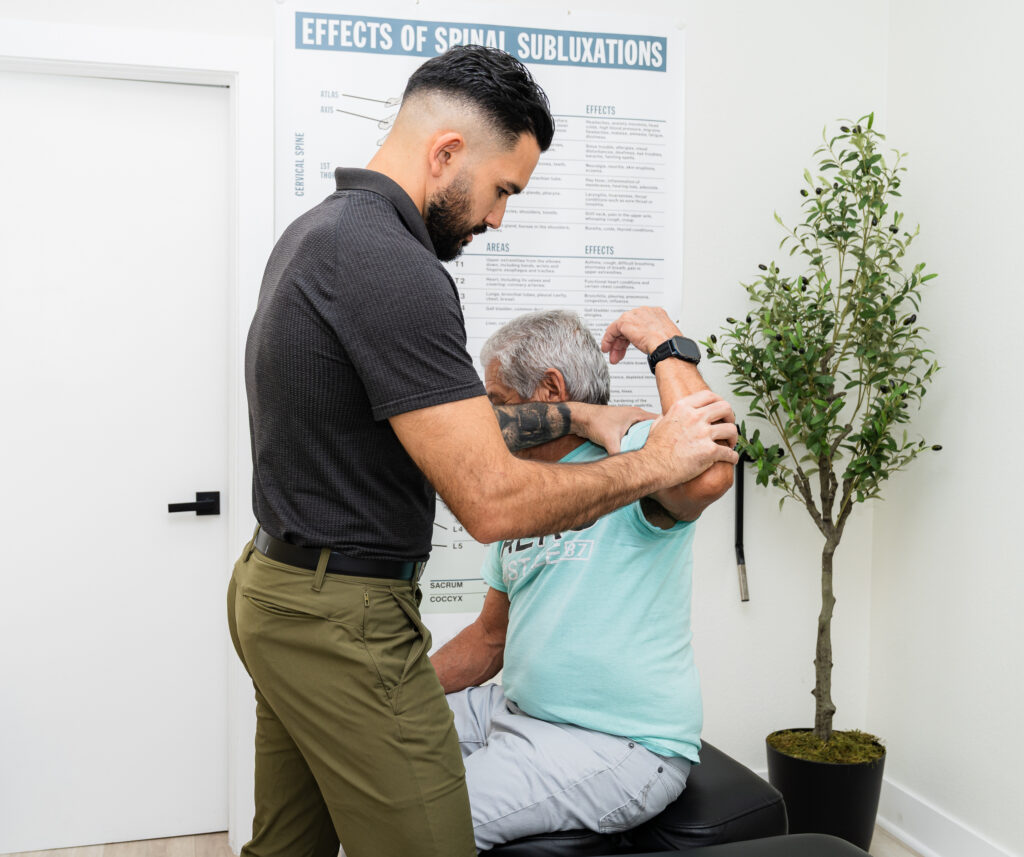

When it comes to pain relief and overall wellness, many people tend to think of medications or quick fixes as the only solutions. As your local chiropractor, I want to encourage you to consider a more holistic approach that looks at the intricate connections between your body, mind, and spirit. Chiropractic care is not just about treating pain; it involves integrating mindfulness practices, proper nutrition, and physical therapies to help you achieve optimal health.
By exploring chiropractic adjustments and other natural healing methods, you can gain a deeper understanding of your body's unique needs. For instance, techniques such as spinal manipulation can help alleviate pain and improve function, while lifestyle changes like diet and exercise can enhance your overall well-being. Additionally, you might find that incorporating alternative methods like herbal remedies or energy healing complements your chiropractic treatments beautifully.
So, what could be your first step towards embracing this comprehensive journey to wellness? It could be as simple as scheduling a consultation to discuss your health concerns and learn how chiropractic care can be a valuable part of your path to pain relief and improved quality of life. Let's work together to unlock the potential of your body's natural healing abilities!
Understanding Holistic Health
What does it mean to truly embrace holistic health? As a chiropractor, I want to share with you that it means recognizing that your well-being isn't just about addressing physical symptoms; it's about understanding the interconnectedness of your body, mind, and spirit.
When you choose a holistic approach to health, you move beyond just conventional medicine and begin to explore various aspects of your life, including emotional, social, and environmental influences. This broader perspective allows you to see the complete picture of your health.
By embracing holistic health, you take an active role in your wellness journey. You evaluate your lifestyle choices, nutrition, and stress levels, realizing how each element plays a crucial role in your overall health.
For instance, you may discover that what you eat impacts not only your physical condition but also your mood and energy levels. You'll come to appreciate the value of self-care practices that support both your physical and mental health, cultivating a sense of balance in your life.
Listening to your body becomes essential in this journey. Instead of simply masking pain with medication, you'll start to ask deeper questions: What's causing this discomfort? Is it stress or an emotional block?
This introspective approach encourages you to take proactive measures, helping to prevent issues before they arise.
Engaging in holistic health means being open to various healing modalities, including chiropractic care. Chiropractic adjustments can help restore alignment, improve function, and enhance your overall well-being.
You'll find that true wellness comes from a harmonious blend of these elements, empowering you to live a healthier, more fulfilling life. Embracing holistic health is a commitment to yourself, and as your chiropractor, I'm here to support you on this worthwhile journey.
Mindfulness Techniques
As a local chiropractor, I want to help you understand how embracing holistic health can lead to a greater sense of well-being. One essential aspect of this journey is exploring mindfulness techniques, which play a crucial role in creating a deeper connection between your mind and body. These techniques can enhance your awareness of thoughts, feelings, and physical sensations, ultimately aiding in pain management and improving your overall health.
One valuable mindfulness technique I often recommend is focused breathing. By directing your attention to your breath, you can ground yourself in the present moment. I encourage you to try inhaling deeply through your nose, holding that breath for a few seconds, and then exhaling slowly through your mouth. Repeat this a few times, consciously releasing any tension with each exhale. You might be surprised at how focused breathing can't only calm your mind but also alleviate physical discomfort.
Another effective practice is body scanning. This involves mentally checking in with various parts of your body, starting from your toes and moving up to your head. Pay attention to any sensations or tight areas. This practice allows you to acknowledge discomfort without judgment, which can help in letting it go more effectively.
Moreover, integrating mindfulness into your daily activities can be transformative. Whether you're eating, walking, or even washing dishes, try to engage in these tasks with full awareness. Focus on the textures, sounds, and smells around you. By doing so, you can shift your attention away from pain and immerse yourself in the present moment, promoting relaxation and a sense of peace.
As your chiropractor, I believe these mindfulness techniques can complement chiropractic care and aid in your journey toward natural healing and improved health.
Nutritional Strategies
As a local Chiropractor, I want to emphasize how crucial your diet is in managing pain and supporting your healing journey.
The foods you choose to incorporate into your meals can significantly affect inflammation levels in your body. By including anti-inflammatory foods and essential nutrients, you can enhance your recovery and overall well-being.
Additionally, don't underestimate the power of hydration—staying well-hydrated is vital for maintaining your health and alleviating discomfort.
Making these dietary adjustments can complement the chiropractic care you receive and promote a holistic approach to your healing process.
Anti-inflammatory Foods
As a local chiropractor, I want to share the importance of incorporating anti-inflammatory foods into your diet to enhance your overall well-being and manage pain effectively.
These foods not only bolster your immune system but also help to reduce inflammation in your body, which is often a significant contributor to chronic pain. By making informed dietary choices, you can substantially improve your health and support your body's natural healing processes.
Here are some top anti-inflammatory foods that I recommend considering:
- Berries: Packed with antioxidants, berries help combat oxidative stress, which can lead to inflammation.
- Fatty fish: Varieties like salmon and mackerel are excellent sources of omega-3 fatty acids that have been shown to reduce inflammation and support joint health.
- Leafy greens: Spinach and kale are loaded with essential vitamins and phytochemicals that provide anti-inflammatory benefits, making them vital for your diet.
- Nuts: Almonds and walnuts offer healthy fats and protein while also helping to lower inflammatory markers in the body.
- Olive oil: A key component of the Mediterranean diet, olive oil is rich in healthy fats and possesses strong anti-inflammatory properties that can support your overall health.
Incorporating these foods into your daily meals can be a powerful step towards not only alleviating pain but also enhancing your overall health.
Essential Nutrients for Healing
As a local chiropractor, I want to emphasize the importance of proper nutrition in supporting your body's healing process. When you're on the road to recovery, focusing on the right nutrients can significantly enhance your healing journey and help alleviate pain naturally.
First and foremost, let's talk about protein. This macronutrient is vital for repairing tissues, so it's essential to include sources like lean meats, fish, legumes, and nuts in your meals. These foods help ensure that your body has the building blocks it needs for recovery.
Next, don't underestimate the power of vitamins and minerals. For example, vitamin C is crucial for collagen formation, which plays a key role in healing wounds and injuries. To boost your vitamin C intake, consider adding citrus fruits, bell peppers, and leafy greens to your diet.
Another important nutrient is vitamin D, which is essential for bone health and can help reduce inflammation in the body. To get more vitamin D, think about incorporating fatty fish or fortified foods into your meals.
Additionally, omega-3 fatty acids, found in fish and flaxseeds, are well-known for their anti-inflammatory benefits, making them great allies in pain management.
Lastly, don't forget about zinc. This mineral is vital for immune function and can speed up the healing process. You can find zinc in foods like meat, shellfish, and various seeds.
Hydration's Role in Wellness
As a local chiropractor, I want to emphasize the crucial role that hydration plays in your overall wellness and pain management. Many people may not realize how significantly proper hydration impacts bodily functions, digestion, and even mood.
When you aren't drinking enough fluids, you may find yourself experiencing heightened pain sensitivity, fatigue, and reduced cognitive function.
To help you maintain optimal hydration levels, I recommend incorporating the following strategies into your daily routine:
- Drink water regularly: Aim for at least eight 8-ounce glasses of water each day. Remember to adjust this amount based on your activity level and the climate you're in.
- Include hydrating foods: Incorporating fruits and vegetables like watermelon, cucumbers, and oranges can enhance your fluid intake and provide additional nutrients that support your health.
- Limit dehydrating beverages: It's wise to cut back on caffeine and alcohol, as these can lead to increased fluid loss and dehydration.
- Monitor your urine color: A pale yellow color typically indicates good hydration, while darker shades suggest it's time to drink more water.
- Set reminders: Consider using phone apps or alarms to remind you to drink water throughout the day, making it easier to stay on track.
By prioritizing hydration, you can support your body's natural healing processes and improve your overall well-being.
Let's work together to ensure you're taking the best possible care of yourself!
Herbal Remedies
As a local chiropractor, I often see patients seeking alternatives for pain relief, and I want to introduce you to the world of herbal remedies, which have been used for centuries in traditional healing practices.
Many of you may not be aware that certain herbs can effectively alleviate various types of pain, from headaches to joint discomfort.
For example, ginger is a remarkable herb with anti-inflammatory properties that can be particularly beneficial for those suffering from arthritis pain. I encourage you to consider adding ginger tea to your daily routine or using ginger extract in topical applications to experience its soothing effects.
Another herb worth mentioning is turmeric, which contains curcumin, renowned for its pain-relieving and anti-inflammatory benefits. Incorporating turmeric into your meals or taking it as a supplement can be an easy way to tap into its potential for pain management.
If muscle pain is something you struggle with, I recommend exploring willow bark. This herb has a long history of use for pain relief and is available in teas or capsules. Many of my patients have found it helpful in managing their discomfort.
For those who experience tension headaches, peppermint oil can be a game-changer. By applying diluted peppermint oil to your temples, you can enjoy a cooling sensation that may help ease your headache.
Additionally, chamomile tea isn't only known for its calming effects but can also serve as a mild pain reliever, making it an excellent choice for stressful days.
It's important to remember that before starting any new herbal regimen, you should consult with a healthcare provider, especially if you're currently taking other medications.
Physical Therapies
As a local chiropractor, I want to share how physical therapies, particularly manual therapy techniques and exercise rehabilitation programs, can significantly impact your journey towards pain relief and improved mobility.
Many patients are unaware of the benefits these therapies offer, but they can truly be transformative.
Manual therapy involves hands-on techniques to manipulate and mobilize the joints and soft tissues, which can alleviate discomfort and promote healing.
Coupled with tailored exercise rehabilitation programs, these therapies not only help relieve pain but also enhance your overall physical function.
By integrating these approaches into your care plan, we can work together to improve your mobility and quality of life.
Let's delve into how these therapies can support your recovery and empower you to take charge of your health naturally.
Manual Therapy Techniques
As a local chiropractor dedicated to educating my patients about natural healing, I want to share how manual therapy techniques can significantly enhance your well-being.
These hands-on methods, such as massage and joint mobilization, are effective for alleviating pain and improving mobility. They focus on manipulating soft tissues and joints, making them essential components of a holistic approach to health.
If you're experiencing chronic pain or are on the road to recovery from an injury, manual therapy might be exactly what you need.
Here are some common techniques that I often recommend:
- Swedish Massage: This technique is known for promoting relaxation and enhancing circulation, helping to reduce stress and improve overall health.
- Deep Tissue Massage: For those with persistent tension, this method targets the deeper layers of muscle and connective tissue, providing relief where it's needed most.
- Joint Mobilization: This gentle technique involves specific movements that aim to increase the range of motion in stiff joints, helping you regain flexibility and function.
- Myofascial Release: Focused on relieving tension in the fascia, the connective tissue that envelops your muscles, this technique can help alleviate pain and improve movement.
- Trigger Point Therapy: By addressing tight areas within your muscles, this therapy can effectively alleviate localized pain and discomfort.
Incorporating these manual therapy techniques into your care plan can be a game-changer for your health journey.
If you're curious about how these approaches can fit into your wellness routine, I encourage you to reach out for more information.
Your path to better health is just a conversation away!
Exercise Rehabilitation Programs
As your local chiropractor, I want to emphasize the importance of exercise rehabilitation programs in your journey toward recovery. After an injury or surgery, these programs are essential for helping you regain strength, flexibility, and mobility. Unlike conventional methods, our approach focuses on natural healing, tailored specifically to your unique needs.
In our sessions, you'll collaborate closely with me or a member of our skilled team. We'll guide you through a series of exercises designed not only to improve your range of motion but also to strengthen the muscles that support the injured area. Our expertise ensures that you're performing these exercises safely and effectively, minimizing the risk of further injury.
Our rehabilitation approach incorporates a blend of strength training, stretching, and cardiovascular workouts. This holistic method helps you regain function and rebuild your confidence. Additionally, we'll teach you about body mechanics and healthy movement patterns, which are crucial for preventing re-injury in the future.
Consistency is vital in this process. By adhering to your rehabilitation program, you'll gradually notice improvements in both your pain levels and your overall physical abilities.
I encourage you to communicate openly about any discomfort or concerns you may have during your rehabilitation. This feedback is essential for us to customize your program to better fit your needs.
Embracing this natural approach to healing empowers you to take control of your recovery, enabling you to lead a more active and pain-free life. Remember, your dedication to this process is key to achieving long-term wellness and enhancing your quality of life.
Energy Healing Practices
As your chiropractor, I want to introduce you to the fascinating world of energy healing practices that can complement your journey toward pain relief and holistic wellness.
These techniques emphasize the importance of balancing the body's energy, which can be incredibly beneficial for alleviating discomfort and promoting healing. Whether you're experiencing chronic pain or simply looking to enhance your overall health, incorporating energy healing into your routine may be a valuable step.
Let's take a look at some popular energy healing practices that you might find interesting:
- Reiki: This Japanese technique involves a practitioner channeling energy through their hands. It's a gentle way to promote relaxation and support the body's natural healing processes.
- Acupuncture: This practice involves inserting very thin needles at specific points on the body, which can help stimulate the flow of energy and relieve pain effectively.
- Healing Touch: This gentle method utilizes light touch to influence the energy field surrounding your body. It aims to restore balance and can significantly reduce stress levels.
- Qigong: An ancient Chinese discipline, Qigong combines movement, meditation, and controlled breathing to cultivate and balance your energy, promoting not just physical health but mental clarity as well.
- Crystal Healing: This practice involves the use of specific crystals and gemstones, which practitioners believe can channel energy and facilitate healing on multiple levels.
By exploring these energy healing practices alongside your chiropractic care, you can enhance your overall well-being and support your body's natural healing abilities.
I'm here to guide you on this journey and answer any questions you may have about how these methods can work in harmony with your chiropractic treatment.
Lifestyle Modifications
As a local chiropractor dedicated to helping you understand the benefits of chiropractic care and natural healing, I want to emphasize that incorporating energy healing practices into your routine is just one aspect of a comprehensive approach to managing pain and enhancing your overall wellness.
Lifestyle modifications are crucial in this journey, and I'm here to guide you through some important changes you can make.
Let's start with nutrition. A balanced diet filled with whole foods, fruits, and vegetables is vital for providing your body with essential nutrients that can help alleviate inflammation and strengthen your immune system. Staying hydrated is equally important; drinking enough water supports your bodily functions and can significantly reduce pain.
Next, let's talk about physical activity. Engaging in regular exercise, tailored to your abilities, is essential. It's been shown to release endorphins, which are the body's natural pain relievers. I encourage you to find activities that you enjoy, whether it's walking, yoga, or swimming, as this will help keep you motivated and consistent.
Sleep also plays a critical role in your health. Establishing a regular sleep schedule and creating a calming bedtime routine can greatly improve the quality of your sleep, allowing your body to recover and heal.
If stress is an issue for you, I recommend exploring mindfulness practices or meditation as a way to unwind and reduce tension.
Lastly, don't underestimate the power of social connections. Surrounding yourself with supportive friends and family can greatly enhance your emotional well-being, making it easier to cope with pain and discomfort.
Remember, every positive change you make contributes to a holistic approach to your wellness journey.
Conclusion
As a local chiropractor, I want to share how embracing holistic approaches to pain relief and wellness can empower you on your healing journey. Chiropractic care, combined with mindfulness techniques, nutritious foods, and physical activities, can not only alleviate discomfort but also enhance your overall well-being.
In my practice, I often explore the benefits of herbal remedies and energy healing practices as complementary support for our treatments. Additionally, making simple lifestyle modifications can significantly boost your health. It's important to remember that your path to wellness is unique. By nurturing the connection between your body, mind, and spirit, you can achieve lasting balance and improved quality of life. Let's work together to find the right approach for you!