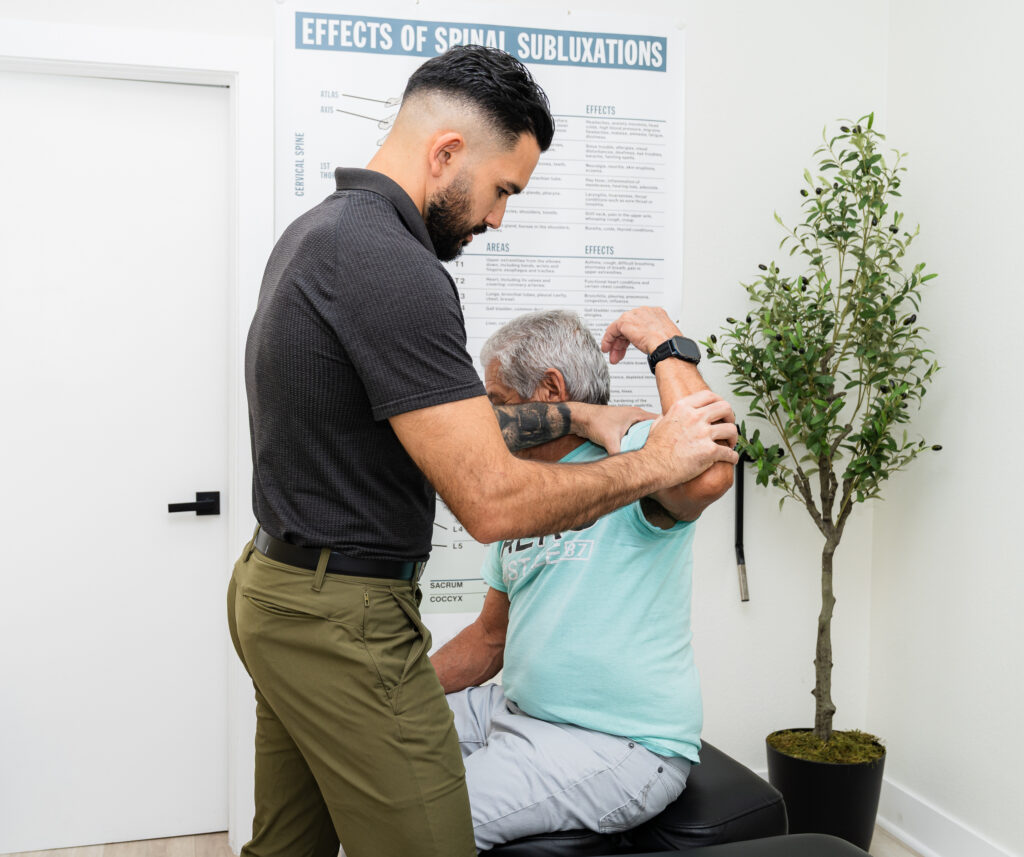

As a local chiropractor, I want to share with you the benefits of holistic approaches in managing pain. These methods focus on the vital connection between your mind, body, and spirit, and highlight the use of natural remedies and lifestyle changes. By incorporating techniques such as mindfulness, movement therapies, and nutritional adjustments, you can discover new pathways to improve your overall well-being.
Many patients are unaware of how these strategies can be integrated into their daily lives. For instance, practicing mindfulness can help reduce stress and increase your awareness of bodily sensations, allowing you to better understand your pain. Movement therapies, like gentle stretching or yoga, can improve flexibility and strengthen your body, while proper nutrition can support your body’s healing processes.
I encourage you to explore these holistic techniques as part of your journey towards pain relief and enhanced health. Together, we can find the right strategies that resonate with you and make a real difference in your daily life.
Understanding Holistic Health and Pain Management
As a local chiropractor, I want to share how understanding holistic health can transform your approach to managing pain. Unlike conventional methods that often focus solely on alleviating symptoms, holistic health considers the entire individual—mind, body, and spirit. This comprehensive approach allows us to explore various factors influencing your overall well-being, including nutrition, physical activity, and emotional health.
By embracing a holistic perspective, you can discover lifestyle adjustments that can significantly enhance your pain management. For instance, incorporating natural remedies like herbal supplements or essential oils may complement your care.
Additionally, regular physical activity is vital; it not only improves circulation but also strengthens muscles, which can play a pivotal role in reducing pain.
Equally important is the role of social support and community. Surrounding yourself with positive influences can greatly enhance your emotional resilience, which is crucial in your healing journey.
As your chiropractor, I encourage you to take charge of your health by exploring holistic health principles. This approach can lead to a more balanced, fulfilling life and empower you in your pain management journey.
The Role of Mindfulness in Pain Relief
As a local chiropractor, I want to share how mindfulness can significantly enhance your experience with pain relief. Many people aren’t aware that our thoughts and feelings about discomfort can greatly influence how we perceive it. When you engage in mindfulness practices, you learn to focus on the present moment, which allows you to observe your pain without judgment. This shift in awareness can help reduce the emotional responses that often make your discomfort feel worse. Instead of resisting or fearing the pain, you start to recognize it, and this acknowledgment can actually lessen its intensity.
Incorporating mindfulness into your routine can be achieved through various techniques, such as meditation, deep breathing exercises, or simply paying closer attention to your body. These approaches help foster a more compassionate relationship with your pain, enabling you to respond thoughtfully rather than react impulsively.
As you develop your mindfulness skills, you might notice a change in how you perceive pain. This practice not only empowers you to manage discomfort more effectively but also gives you a greater sense of control over your healing journey.
As a chiropractor, I believe that combining these mindful techniques with chiropractic care can lead to a holistic approach to pain management. By nurturing both your body and mind, you can pave the way for a healthier, more balanced life.
Benefits of Yoga and Movement Therapies
As a local chiropractor, I want to highlight the incredible benefits of incorporating yoga and movement therapies into your wellness routine. Many of my patients have found that these practices can significantly enhance their overall health and well-being. Not only do they improve flexibility and strength, but they also help reduce tension and promote relaxation—key components for maintaining a healthy spine and body.
By focusing on breath and body awareness, you can cultivate a deeper connection with yourself, leading to decreased pain levels. Yoga encourages gentle stretching and movement, which can alleviate stiffness and improve circulation. This is particularly important for supporting your body’s natural healing processes, especially when combined with chiropractic care.
Movement therapies, such as tai chi or Pilates, emphasize controlled, mindful movements that enhance coordination and balance while minimizing the risk of injury. These practices complement the adjustments I provide in my office, helping to maintain proper alignment and overall function.
Additionally, engaging in these activities often fosters a supportive community, which is beneficial for emotional well-being. Connecting with others who share similar goals can provide you with the encouragement needed on your healing journey.
Ultimately, embracing yoga and movement therapies, alongside chiropractic care, can be a powerful and natural approach to managing pain and improving your quality of life. Together, we can nurture both your body and mind, paving the way for a healthier, more balanced life.
Diet and Nutrition for Pain Reduction
As a local chiropractor, I often emphasize the significant role nutrition plays in managing pain and promoting overall health. You may be surprised to learn that what you eat can greatly influence your discomfort levels. A diet that’s rich in anti-inflammatory foods can be a powerful ally in your pain management journey.
I encourage you to incorporate a variety of fruits and vegetables into your meals, particularly berries, leafy greens, and cruciferous vegetables like broccoli. These foods are loaded with antioxidants, which are known to fight inflammation and may help alleviate your pain.
It’s also important to focus on healthy fats in your diet. Incorporating sources such as olive oil, avocados, and fatty fish like salmon can provide your body with omega-3 fatty acids. Research has shown that these healthy fats can have a positive impact on reducing pain.
Conversely, I recommend limiting your intake of processed foods, sugars, and trans fats, as these can contribute to increased inflammation.
Don’t forget the importance of hydration. Drinking enough water not only supports your body’s essential functions but can also play a role in managing pain.
Additionally, maintaining a balanced diet helps not only with physical health but also lifts your mood, creating a more comprehensive approach to pain relief.
As we work together to address your pain, remember that your nutrition is an integral part of your healing process. Making mindful choices in your diet can make a significant difference in your overall well-being.
Herbal Remedies and Natural Supplements
As a local chiropractor, I want to share how herbal remedies and natural supplements can play a significant role in managing pain and promoting overall health.
Many of my patients have found relief through natural options like turmeric and ginger, known for their powerful anti-inflammatory properties.
These natural ingredients can complement the adjustments and care I provide in our practice.
By incorporating these beneficial supplements into your routine, you not only support your body in easing discomfort but also enhance your overall well-being.
Embracing a holistic approach to health can lead to more effective pain management and a better quality of life.
Effective Herbal Pain Relievers
As a local chiropractor, I want to share some valuable insights into natural ways to manage pain that go hand in hand with the care we provide. Many patients are looking for effective alternatives to conventional pain relief methods, and herbal remedies can play a significant role in your recovery journey.
One of the herbs I often recommend is turmeric. Its powerful anti-inflammatory properties can help reduce joint pain, making it a great addition to your wellness routine.
Another herb you might find beneficial is ginger, which is known for alleviating muscle soreness and discomfort. If you deal with headaches or lower back pain, consider willow bark, often dubbed nature’s aspirin, which has been used for centuries to relieve such issues.
For those suffering from arthritis, boswellia is another herbal option worth exploring. It may help improve mobility and reduce pain, complementing the adjustments and therapies we utilize in chiropractic care.
Lastly, capsicum, found in chili peppers, is known to block pain signals, providing relief for various discomforts.
Incorporating these herbs into your daily routine, alongside your chiropractic care, can enhance your natural pain management efforts and promote overall wellness.
Beneficial Natural Supplements
As a local chiropractor, I often emphasize the importance of a holistic approach to pain management, which includes the use of natural supplements alongside traditional chiropractic care. Many of my patients have found that incorporating herbal remedies can significantly enhance their healing journey.
For instance, turmeric, which contains curcumin, is renowned for its strong anti-inflammatory effects that can help alleviate pain. Additionally, omega-3 fatty acids, commonly found in fish oil, are beneficial for easing joint discomfort, making them a great addition for those dealing with arthritis.
Glucosamine and chondroitin are also popular supplements that support joint health and can help reduce arthritis-related pain. Furthermore, I recommend magnesium to my patients, as it can help relax muscles and reduce tension, which is crucial for those experiencing chronic pain.
If relaxation is what you seek, consider valerian root or passionflower, both known for their calming effects that can aid in pain relief.
Before you start any new supplement, I encourage you to have a conversation with me or another healthcare professional. It’s important to ensure that any new addition complements your overall health plan and works harmoniously with your chiropractic treatment.
Together, we can create a comprehensive strategy to improve your well-being.
Acupuncture and Traditional Chinese Medicine
Acupuncture is a fascinating aspect of Traditional Chinese Medicine (TCM) that aligns well with the principles of chiropractic care. It provides a holistic approach to pain relief by focusing on the body’s energy flow, often referred to as “qi.” By utilizing thin needles inserted at precise points, acupuncture aims to restore balance and support the body’s natural healing abilities. You may be surprised at how effective these tiny needles can be in alleviating discomfort.
In TCM, pain is often viewed as an obstruction in the flow of energy. When you experience acupuncture, you’re actively helping to release these blockages, allowing your body to engage its natural healing processes. Many individuals find significant relief from chronic pain conditions such as arthritis, migraines, and back pain through regular acupuncture sessions.
Beyond just pain relief, acupuncture can positively impact your overall well-being. As you experience a reduction in tension and stress, you may also notice enhancements in your mood and sleep quality.
Incorporating acupuncture into your natural healing routine, alongside chiropractic care, can lead to a more balanced and pain-free life. Embracing these holistic approaches can empower you on your journey toward better health.
The Importance of Emotional Well-being in Pain Management
As a local chiropractor, I want to emphasize the crucial connection between emotional well-being and effective pain management. While many of us focus primarily on physical discomfort, it’s important to understand that our emotional state can significantly influence how we experience pain. When you’re feeling stressed, anxious, or depressed, you may find that your perception of pain becomes heightened. This is why your emotional health is integral to your overall physical experience.
By addressing emotional well-being alongside your physical treatment, we can create a more holistic approach to alleviating pain. Incorporating practices such as mindfulness, meditation, and journaling into your routine can help you manage feelings and reduce stress—factors that can exacerbate discomfort.
Additionally, surrounding yourself with supportive friends and engaging in activities that bring you joy can uplift your mood, which often leads to a reduction in pain.
At my practice, we focus not just on spinal adjustments, but also on educating our patients about the mind-body connection. Understanding this relationship can empower you to take control of your pain management journey and improve your quality of life.
Conclusion
As a local chiropractor, I want to share how incorporating holistic approaches to pain management can significantly enhance your well-being. Many people are unfamiliar with the benefits of chiropractic care, but by embracing practices such as mindfulness, movement therapies like yoga, and following an anti-inflammatory diet, you can take control of your pain naturally.
Chiropractic adjustments can help improve your body’s alignment and function, which is essential for reducing pain. Additionally, I encourage exploring herbal remedies and acupuncture, as these can complement chiropractic treatment effectively and aid in your healing journey.
It’s also important to remember that nurturing your emotional health plays a vital role in managing pain. By taking these steps and combining them with chiropractic care, you can improve your quality of life and experience relief from discomfort. I’m here to guide you on this path to natural healing and help you understand how these approaches work together for your overall health.