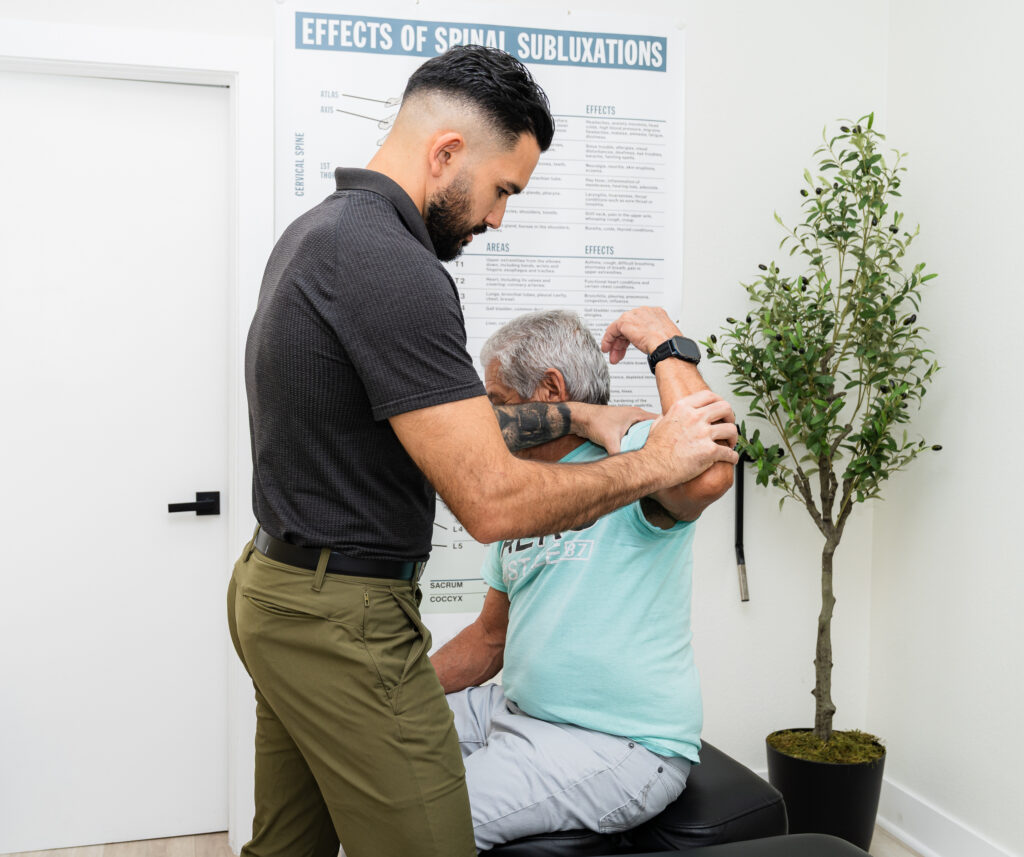

If you're seeking to improve your joint flexibility, you're certainly not alone. Many of my patients come to me with complaints of stiffness and limited range of motion, which can hinder daily activities and reduce overall comfort. It's important to understand that enhancing flexibility goes beyond just stretching; it requires a comprehensive approach that incorporates strengthening exercises and mindful practices.
As your chiropractor, I encourage you to explore various techniques that can positively impact your mobility. These might include specific stretches tailored to your needs, strength training exercises to support your joints, and practices like yoga or Pilates that promote mindfulness and body awareness.
By integrating these methods into your daily routine, you can discover essential tips and strategies to elevate your flexibility and overall joint health. Let's work together to find a personalized plan that fits seamlessly into your lifestyle and helps you regain the freedom of movement you deserve.
Understanding Joint Flexibility
As a chiropractor, I want to emphasize the importance of joint flexibility for your overall health and mobility. When your joints can move freely through their full range of motion, you can carry out daily tasks more easily and enjoy the physical activities you love.
To appreciate joint flexibility, it's crucial to understand how your joints function. Each joint is supported by various structures—ligaments, tendons, and cartilage—that work together to provide both flexibility and stability.
Flexibility can differ greatly from person to person, influenced by factors such as genetics, age, and activity level. As we age, our joints may start to feel stiffer due to changes in connective tissues and a reduction in physical activity. This increased stiffness can hinder your movement, potentially raising your risk of injury.
To improve your joint flexibility, I encourage you to incorporate regular stretching and mobility exercises into your routine. These practices not only enhance flexibility but also help strengthen the muscles surrounding your joints, providing better support.
It's important to listen to your body during these exercises; aim for a gentle stretch rather than discomfort or pain. Incorporating a diverse range of stretches that focus on various joints and muscle groups can help you achieve balanced flexibility.
Consistency is essential—make flexibility training a regular part of your routine, and you may soon notice significant improvements in your mobility. By understanding and prioritizing joint flexibility, you're taking a proactive step toward a healthier, more active lifestyle, which is a core principle of chiropractic care.
Importance of Warm-Up
As a local chiropractor, I want to emphasize the importance of a proper warm-up for anyone looking to enhance their flexibility and prevent injuries during physical activity. Warming up isn't just a routine; it's a vital step in preparing your muscles, joints, and cardiovascular system for the demands of your workout.
When you take the time to warm up, you increase blood flow to your muscles, which raises their temperature and elasticity. This makes it much easier for you to move through a greater range of motion, which is crucial for your overall health and well-being.
Additionally, a good warm-up gradually elevates your heart rate and activates your neuromuscular system. This process enhances the communication between your brain and muscles, leading to smoother and more coordinated movements. As a result, you may notice that your overall performance improves significantly, allowing you to engage more fully in your workouts—something I encourage for all my patients.
Furthermore, incorporating a proper warm-up can greatly reduce the risk of injuries, such as strains and sprains, which commonly occur when muscles are cold and stiff. By including dynamic movements that mimic the activities you plan to perform, you can effectively prepare your body for the physical challenges ahead.
Whether you're running, cycling, or participating in a strength training session, a warm-up tailored to your specific activity can truly set the stage for success and support your journey toward natural healing and optimal health.
Effective Stretching Techniques
As a local chiropractor dedicated to your overall well-being, I want to emphasize the importance of incorporating effective stretching techniques into your routine. Not only do these practices enhance flexibility, but they also play a crucial role in preventing injuries, which is vital for maintaining a healthy lifestyle.
Let's start with dynamic stretching. This technique involves moving your body parts through their full range of motion, warming up your muscles and preparing them for any physical activity. Simple movements like leg swings and arm circles are excellent ways to increase blood flow and flexibility before you engage in your workout or daily activities.
Once you've warmed up, it's beneficial to incorporate static stretching. This involves holding each stretch for about 15 to 30 seconds without bouncing. By doing so, you allow your muscles to relax and elongate, which can help alleviate tension.
Focus on major muscle groups, such as your hamstrings, quadriceps, and shoulders. Remember to breathe deeply throughout each stretch; this not only enhances your relaxation but also maximizes the effectiveness of the stretch.
I also want to introduce you to proprioceptive neuromuscular facilitation (PNF) stretching. This advanced technique involves alternating between contracting and relaxing the muscle group you're stretching. PNF stretching can lead to even greater flexibility, and it's often more effective with a partner who can assist you in pushing the stretch further.
Always listen to your body. If you experience pain, it's essential to ease off the stretch. Consistency is the key to improvement; aim to stretch at least three times a week to see significant gains in your flexibility.
Strengthening Surrounding Muscles
As your local chiropractor, I want to highlight an essential aspect of your overall health: the importance of strengthening the muscles surrounding your joints.
Many people often think of flexibility in isolation, but it's crucial to understand that targeted exercises can significantly enhance both your flexibility and joint stability.
When we focus on strengthening these supporting muscles, we not only improve your range of motion but also play a vital role in preventing injuries.
By creating a more stable and resilient body, you'll be better equipped to enjoy your daily activities without discomfort.
Let's work together to build a foundation of strength that supports your joints and promotes your well-being!
Importance of Muscle Strength
As a local chiropractor, I want to share with you the importance of strengthening the muscles around your joints for maintaining flexibility and preventing injuries. When your muscles are strong, they serve as a supportive framework for your joints, allowing them to move freely and efficiently. This support is particularly crucial during physical activities, as it helps to absorb the stresses placed on your joints.
Weak surrounding muscles can lead to instability in your joints, making you more susceptible to strains and sprains.
Furthermore, having strong muscles helps to evenly distribute the load across your joints. This balance reduces wear and tear on your cartilage and ligaments, promoting long-term joint health. You may notice that as your muscles grow stronger, not only does your flexibility improve, but your overall performance in activities—be it sports, dancing, or even everyday tasks—also enhances.
It's also worth mentioning that maintaining muscle strength can significantly aid in recovery from injuries. Strong muscles are better equipped to absorb shock and provide protection to your joints during movement.
That's why I encourage you to include muscle-strengthening exercises in your routine. By doing so, you'll build a solid foundation for flexibility, ensuring your joints remain healthy and active throughout your life.
Targeted Exercises for Flexibility
As a local chiropractor, I want to emphasize the importance of targeted exercises in enhancing your flexibility. These exercises focus on the muscles surrounding your joints, which play a crucial role in allowing for smoother and more free movement. When you strengthen these muscles, you create a supportive framework that can significantly improve your range of motion.
For instance, incorporating exercises like squats, lunges, and leg raises into your routine can lead to noticeable improvements in your flexibility. Specifically, for your hips, I recommend hip flexor stretches combined with glute bridges. This combination not only stretches the hip area but also strengthens your glutes, which is vital for overall flexibility and stability.
When it comes to your shoulders, consider practicing wall angels and resistance band pulls. These exercises are excellent for enhancing shoulder mobility while also building muscle strength, which is key for injury prevention and functional movement.
Don't overlook the importance of your core! A strong core is essential for supporting your spine and pelvis, which in turn allows for better flexibility throughout your body. Exercises like planks and side planks can effectively engage your core while also improving your balance.
Finally, I encourage you to explore yoga or Pilates. Both practices emphasize targeted movements that enhance flexibility through controlled, mindful exercises. They can help you connect more deeply with your body, making it easier to achieve and maintain flexibility in your joints.
Prevention of Injuries Through Strengthening
As a local chiropractor, I want to share with you the importance of targeted exercises in not only enhancing your flexibility but also in preventing injuries.
By focusing on strengthening the muscles around your joints, you create a protective framework that can absorb shock and minimize strain during physical activities. This proactive approach is essential for keeping your body safe and healthy.
To help you strengthen those critical muscle groups, I recommend incorporating the following exercises into your routine:
- Squats: These exercises are fantastic for building strength in your legs and hips, which provides much-needed stability to your knees and lower back. Stronger legs can help you maintain proper posture and alignment, reducing the risk of injury.
- Planks: Engaging your core is vital for overall body stability and balance. Planks are an excellent way to strengthen your core muscles, which in turn supports your spine and helps you maintain proper form during various activities.
- Lunges: These exercises not only improve flexibility but also build strength in your legs. Strong legs contribute to better stability, helping to prevent injuries in your knees and ankles.
By integrating these exercises into your routine, you can take significant steps towards enhancing your overall strength, stability, and injury prevention.
As your chiropractor, I'm here to guide you on your journey to better health and wellness through natural healing practices.
Incorporating Yoga and Pilates
As a local chiropractor, I often emphasize the importance of incorporating practices like yoga and Pilates into your wellness routine. These disciplines can significantly enhance joint flexibility, which is crucial for overall health. Both yoga and Pilates focus on controlled movements and stretching, helping to expand your range of motion and improve joint function. You don't need to be an expert; even participating in beginner classes can yield remarkable benefits.
In yoga, specific poses target different areas of the body, encouraging you to hold stretches that gradually enhance flexibility. For instance, poses like Downward Dog and Warrior II not only stretch your muscles but also build strength, which is vital for joint stability. By concentrating on your breath and maintaining proper alignment, you can deepen your stretches and promote relaxation, which is essential for healing and recovery.
Pilates complements this by focusing on core strength and stability, both of which are fundamental for joint health. Many Pilates exercises involve controlled movements that engage your muscles and joints effectively. This awareness of your body mechanics can lead to improved movement patterns in your daily life, potentially reducing the risk of injury.
Whether you use a reformer or practice mat exercises, Pilates can help address areas that may feel tight or weak. To begin your journey, I recommend joining a local class or exploring online tutorials. Be mindful of how your body responds during each session, and remember that it's okay to modify poses to suit your comfort level.
Consistent practice is key. With dedication, you'll likely experience increased flexibility and less discomfort, making your everyday movements easier and more enjoyable. Embracing these practices alongside chiropractic care can lead to a healthier, more balanced lifestyle.
Daily Habits for Flexibility
As a local chiropractor, I want to emphasize the importance of daily stretching techniques for improving your joint flexibility.
Many people may not realize how vital flexibility is for overall mobility and well-being. By consistently incorporating these practices into your routine, you'll start to notice significant progress over time.
Making flexibility a priority not only helps in maintaining a healthy range of motion but also supports the natural healing processes of the body.
Remember, a flexible body contributes to a more active and pain-free lifestyle.
Let's work together to enhance your flexibility for better health!
Stretching Techniques to Incorporate
As a chiropractor dedicated to promoting natural healing and overall wellness, I want to emphasize the importance of incorporating effective stretching techniques into your daily routine.
These practices can significantly enhance your joint flexibility and improve your mobility, which is vital for maintaining a healthy lifestyle. By making stretching a regular habit, you'll likely notice a marked improvement in your range of motion and comfort during everyday activities.
Here are three vital techniques that I encourage you to consider:
- Dynamic Stretching: Begin your day with dynamic stretches to warm up your body. Movements such as arm circles and leg swings are excellent choices. They help to activate your muscles and prepare your joints for the activities ahead, reducing the risk of injury.
- Static Stretching: After engaging in any physical activity or workout, it's crucial to take a moment for static stretches. I recommend holding each stretch for 15-30 seconds, targeting major muscle groups including your hamstrings, quadriceps, and shoulders. This practice not only helps to lengthen your muscles but also enhances your overall flexibility, which can lead to improved performance and reduced discomfort.
- Yoga Poses: Consider incorporating yoga poses into your routine, such as Downward Dog or Butterfly Pose. These poses do more than just stretch your muscles; they also encourage relaxation and mindfulness. This holistic approach not only improves flexibility but can also contribute to your mental well-being, creating a more balanced and healthy lifestyle.
By integrating these stretching techniques into your daily life, you can support your body's natural healing processes and enhance your overall quality of life.
Importance of Consistency
As a local chiropractor, I want to emphasize the importance of consistency when it comes to achieving and maintaining joint flexibility. It's essential to commit to a regular stretching routine to help your body adapt and improve over time. This isn't just about doing a stretch here and there; it's about making flexibility a daily habit that supports your overall well-being.
I recommend aiming for at least 10 to 15 minutes of stretching each day. This can be easily integrated into your morning routine or throughout your day during breaks. You might be surprised to discover that even small, consistent efforts can lead to significant improvements in your range of motion and joint health.
Consider keeping a stretching log to track your progress. This not only serves as motivation but also allows you to recognize any patterns in your flexibility improvements.
To keep things interesting, don't hesitate to mix up your routine with different stretches. Remember, your body thrives on routine, and consistent practice helps reinforce muscle memory, making it easier to achieve deeper stretches over time.
Stay dedicated to your stretching regimen and don't be discouraged by slow progress. Flexibility is a journey, and with consistency and patience, you'll reach your goals.
As your chiropractor, I'm here to support you in this process, helping you understand how natural healing can enhance your flexibility and overall health.
Nutrition for Joint Health
As a local Chiropractor, I want to share some valuable insights about how nutrition plays a crucial role in maintaining joint health and flexibility. Many people are unaware that the foods we consume can significantly influence our joints, either supporting or hindering their function.
Let's explore three key components that you can easily incorporate into your meals to promote healthier joints:
- Omega-3 Fatty Acids: These beneficial fats, found in fish such as salmon and mackerel, as well as in flaxseeds and walnuts, are known for their anti-inflammatory properties. By reducing inflammation, omega-3 fatty acids can alleviate joint pain and enhance your mobility, making everyday activities more comfortable.
- Antioxidant-rich Foods: Including a variety of fruits and vegetables in your diet is essential for joint health. Foods high in antioxidants, like berries, spinach, and kale, help combat oxidative stress in your joints. By protecting your cells from damage, these foods can contribute to improved joint function and overall wellness.
- Bone Health Nutrients: To maintain strong bones and healthy joints, it's vital to consume adequate amounts of calcium and vitamin D. You can find calcium in dairy products, leafy greens, and fortified foods, while sunlight exposure and fatty fish provide vitamin D. Together, these nutrients work synergistically to maintain bone density and prevent joint issues, which is crucial for long-term joint health.
By incorporating these nutrients into your daily diet, you not only support your joints but also enhance your overall well-being.
As a chiropractor, I often see the positive effects of proper nutrition on joint function in my patients. Remember, the right dietary choices can make a significant difference in how your joints feel and perform.
Take charge of your nutrition today, and you'll be well on your way to achieving better joint flexibility and overall health!
Tracking Your Progress
As a local chiropractor, I want to emphasize the importance of monitoring your progress when it comes to achieving better joint flexibility. Tracking your efforts is crucial; without it, it can be challenging to determine if your dedication is yielding positive results.
Start by establishing clear and realistic goals for your flexibility journey. Whether you aspire to touch your toes or achieve a full split, having specific targets will help maintain your motivation and focus throughout the process.
I recommend keeping a journal or utilizing a fitness app to document your daily or weekly flexibility exercises. Make sure to note the specific stretches you perform, how long you hold them, and any improvements in your range of motion. Regularly reviewing these entries will enable you to identify patterns and recognize which exercises are most effective for you.
Incorporating periodic assessments is also beneficial. Every few weeks, take a moment to measure your flexibility progress. You can do this by taking photos, recording videos, or even enlisting a friend to help track your range of motion. This tangible evidence of your progress can significantly boost your confidence as you witness your improvements over time.
Remember to celebrate the small victories along the way. Whether it's holding a stretch for a few extra seconds or achieving a new level of flexibility, acknowledging these milestones is essential for maintaining a positive mindset and motivation.
Lastly, be open to adjusting your routine as needed. If you discover that certain exercises aren't enhancing your flexibility, don't hesitate to modify your approach. Listening to your body and responding to its needs will ensure you stay on track toward your flexibility goals.
With consistency and dedication, you'll soon reap the benefits of improved joint flexibility, enhancing your overall well-being. I'm here to support you on this journey!
Conclusion
As a local chiropractor, I want to share some valuable insights on how to enhance your joint flexibility naturally. First and foremost, it's essential to start with a proper warm-up to prepare your body for movement. Incorporating effective stretching techniques can significantly improve your range of motion and flexibility. Additionally, strengthening the muscles surrounding your joints is crucial for supporting joint health and stability.
Have you considered the benefits of practices like yoga and Pilates? These exercises not only promote flexibility but also improve balance and core strength, which can further enhance your overall mobility. Remember, a nutritious diet plays a vital role too; proper nutrition can aid in recovery and joint health.
As you embark on this journey towards better joint flexibility, keep track of your progress. You may be surprised at how much your mobility can improve with consistent effort and the right approach. Embrace these habits, and you'll find yourself living a more flexible and active lifestyle—something we all strive for!