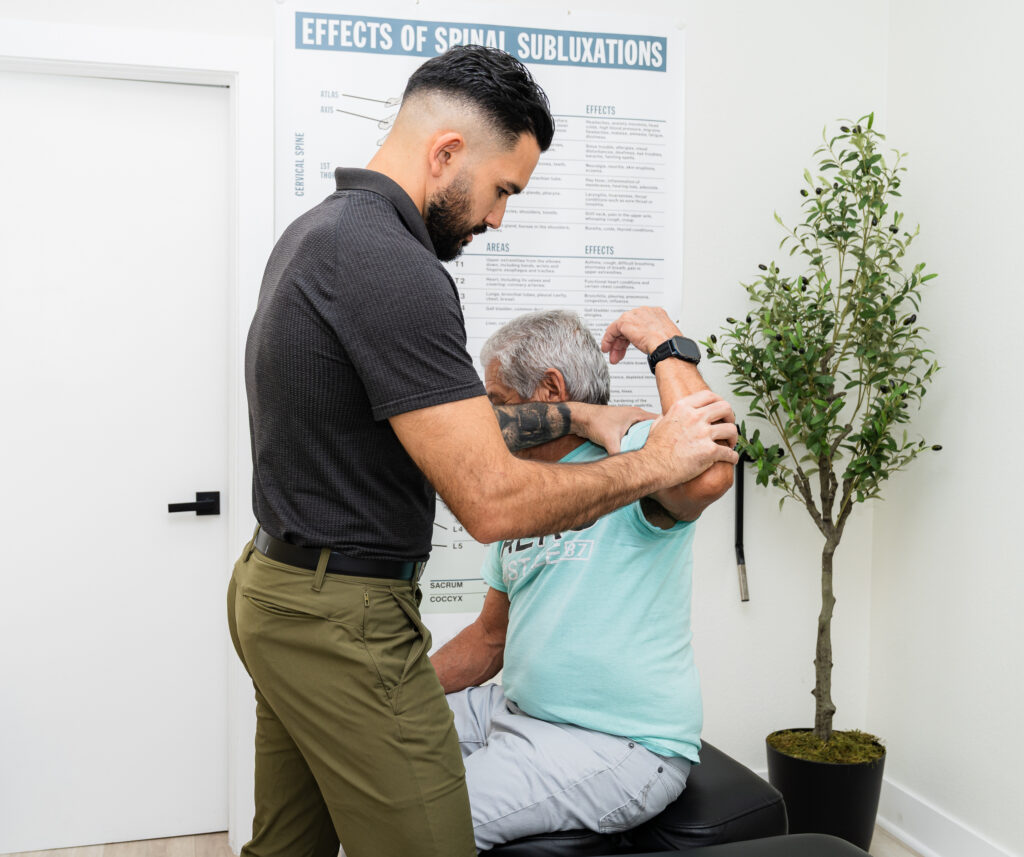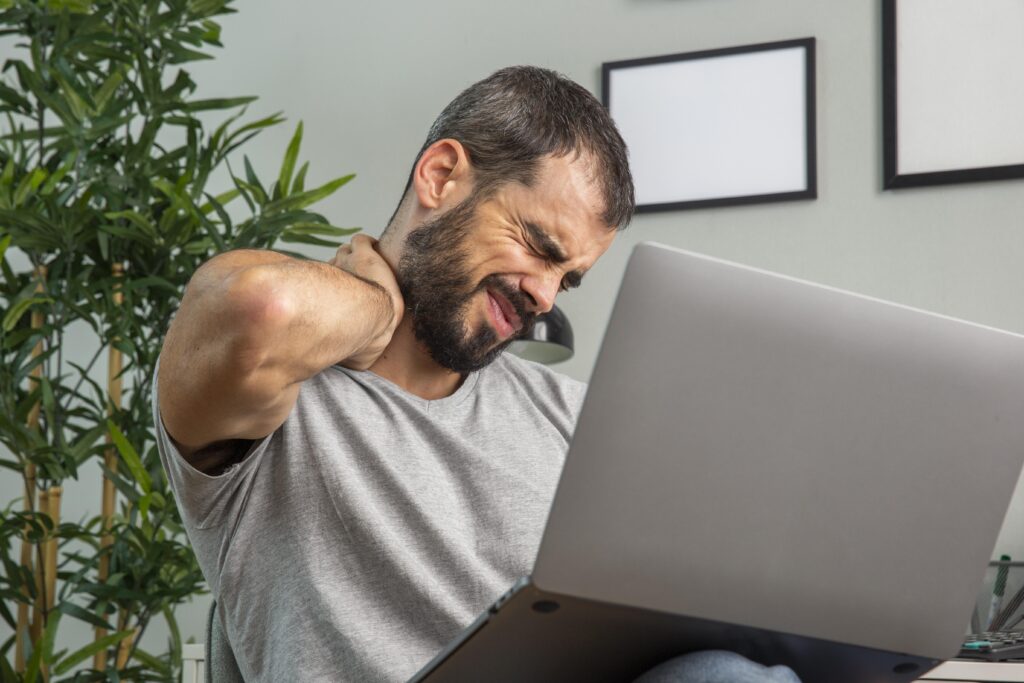

As your local chiropractor, I understand that if you’ve ever dealt with back pain, it can significantly impact your daily activities. A common culprit behind this discomfort is muscle strain, and it’s crucial to recognize its causes and symptoms to find effective relief. Fortunately, there are various immediate remedies and long-term strategies that I can help you explore to alleviate this issue.
Many people are unaware of the benefits of chiropractic care when it comes to addressing muscle strain. We focus on natural healing methods that not only relieve pain but also promote overall wellness. From spinal adjustments to exercises tailored specifically for your needs, our goal is to help you regain your strength and mobility.
But how do you know which solutions will work best for you? During our consultations, we will discuss your unique situation, assess your condition, and determine the most effective treatment plan. Together, we can conquer muscle strain and help you return to a pain-free, active lifestyle. If you’re ready to learn more about how chiropractic care can assist you, I invite you to reach out and schedule a visit. Your journey to relief starts here!
Understanding Muscle Strain and Back Pain
Muscle strain is a common issue that many of my patients experience, and it can significantly contribute to back pain, regardless of age or lifestyle.
Often, people don’t realize that simple actions like lifting heavy items, making sudden movements, or even maintaining poor posture during everyday tasks can lead to this strain. When your muscles or tendons exceed their limits and either stretch too far or tear, it can cause inflammation, resulting in discomfort and restricted mobility.
It’s crucial to recognize the signs of a muscle strain. You might feel a sharp pain, stiffness, or a dull ache in your back. These symptoms can vary greatly in intensity, so it’s important to pay attention to what your body is telling you. Ignoring the pain or attempting to push through it can potentially worsen the injury.
To effectively manage muscle strain, I recommend focusing on rest, applying ice to the affected area, and engaging in gentle stretching.
Additionally, strengthening your core and back muscles is an excellent way to prevent future strains. By understanding these principles and incorporating them into your routine, you can take proactive steps toward recovery and maintain a healthier, pain-free back.
Common Causes of Back Pain
As a local chiropractor, I want to help you understand that back pain isn’t just about muscle strain. There are a variety of factors that can lead to this discomfort, and it’s important to consider all of them.
One significant factor is poor posture. Many of us spend long hours slouching at our desks or hunching over our phones, which can lead to chronic pain in the back. Additionally, engaging in repetitive movements, whether at work or during sports, can place undue stress on your back, contributing to discomfort.
Injuries from falls or accidents can result in immediate pain, but it’s also important to be aware that conditions like arthritis or herniated discs may develop gradually, leading to persistent issues.
Another factor to consider is weight; being overweight can increase the strain on your back, as extra weight places additional pressure on your spine.
Interestingly, stress can also manifest physically, often resulting in tension in your back muscles. This highlights the importance of recognizing that back pain can stem from a combination of lifestyle choices and medical conditions.
As we work together, identifying these various causes is the first step in finding effective natural solutions to relieve your discomfort.
Chiropractic care focuses on promoting overall wellness and addressing the underlying issues, so you can enjoy a healthier, pain-free life.
Recognizing the Symptoms of Muscle Strain
As a local chiropractor, I want to help you understand the importance of recognizing the symptoms of muscle strain, especially since these symptoms can often be confused with other back issues.
When you experience a muscle strain, you might feel localized pain, which can range from sharp to dull sensations. Stiffness in the affected area may also occur, making it challenging for you to move freely.
You might notice swelling or bruising around the strained muscle, indicating inflammation. Additionally, muscle spasms or tightness may develop, often worsening with certain movements. It’s not uncommon to experience increased pain during physical activities or even while sitting or standing for extended periods. If you find yourself wincing during daily tasks, that’s a clear indication that something is off.
Moreover, fatigue in the back muscles can accompany a strain, making it crucial to pay attention to these symptoms. By recognizing these signs early, you can take proactive steps to address the issue before it escalates.
Immediate Relief: Home Remedies for Back Pain
As a local chiropractor, I understand that when back pain hits, finding quick relief is crucial. There are several home remedies that can be incredibly effective in managing discomfort and promoting healing.
One of my go-to recommendations is ice therapy; applying ice can help reduce inflammation and numb sharp pain. Additionally, gentle stretching can be beneficial in alleviating tightness in your muscles, allowing for better mobility.
Over-the-counter pain relief can also provide temporary relief, but it’s important to consider natural approaches for long-term wellness. Incorporating these strategies into your routine can significantly enhance your comfort and overall well-being.
Ice Therapy Benefits
As your local chiropractor, I want to share the benefits of ice therapy, especially if you’re experiencing back pain. Ice therapy is a natural and effective way to find immediate relief by reducing inflammation and numbing the affected area.
When you apply ice packs for about 15-20 minutes, you can significantly alleviate discomfort, particularly after strenuous activities or injuries. It’s important to wrap the ice pack in a cloth to protect your skin from frostbite. You can repeat this process every few hours, which allows your back to recover more effectively.
Not only does ice therapy help with pain, but it also reduces swelling, making it easier for you to move around and engage in daily activities. Incorporating this simple method into your routine can greatly enhance your comfort level and promote faster healing.
Ice therapy is a straightforward solution that shouldn’t be overlooked. As you explore natural healing methods, remember that this is just one of the many ways we can work together to improve your overall well-being.
Gentle Stretching Techniques
As a local chiropractor, I want to share with you the benefits of gentle stretching techniques for alleviating back pain. These stretches can provide immediate relief by easing tension and enhancing your flexibility.
One of the simplest movements you can try is the cat-cow stretch, which helps to mobilize your spine. Begin by getting on all fours; arch your back upwards like a cat, then dip it downwards while lifting your head, mimicking the motion of a cow.
Another excellent stretch is the child’s pose. To do this, sit back on your heels with your arms extended forward, allowing you to feel a gentle stretch along your back.
Additionally, while seated, you can gently twist your torso to help release any tightness you may be experiencing.
As you perform these stretches, remember to breathe deeply. This will assist in relaxing your muscles even further.
I encourage you to incorporate these stretches into your daily routine. Many of my patients have reported a noticeable reduction in discomfort and an improvement in mobility after doing so.
Always pay attention to your body’s signals, and if something doesn’t feel right, don’t push through the pain. Your well-being is paramount, and these gentle techniques are a natural way to support your healing journey.
Over-the-Counter Pain Relief
As a local chiropractor, I often see patients who are struggling with persistent back pain, even after trying gentle stretching techniques. While it’s great to incorporate movement into your routine, sometimes additional support is needed.
Over-the-counter pain relievers, such as ibuprofen or acetaminophen, can offer quick relief by targeting inflammation and discomfort, helping you regain mobility. However, it’s crucial to adhere to the recommended dosage on the label to minimize the risk of side effects.
In addition to oral medications, you might find topical pain relievers, like creams or patches, helpful as they provide localized relief directly to the affected area. These can be effective adjuncts to your overall pain management strategy.
However, I always advise my patients to consult with me or another healthcare provider if they’ve any underlying health conditions or are currently taking other medications.
While quick relief from pain is important, it’s equally vital to listen to your body’s signals. Chiropractic care focuses on addressing the root causes of pain and promoting natural healing through adjustments and holistic practices.
Strengthening Exercises to Support Your Back
As a chiropractor dedicated to helping you achieve optimal health, I want to emphasize the importance of strengthening your back to prevent pain and enhance your overall stability. Incorporating specific exercises into your routine can have a profound impact on your well-being.
One excellent exercise to start with is the bird-dog. Begin by getting on all fours, and then extend one arm forward while simultaneously extending the opposite leg back. Hold this position for a few seconds, focusing on maintaining balance, and then switch sides. This movement not only engages your back muscles but also enhances core stability, which is crucial for overall spinal health.
Another effective exercise is the bridge. To perform this, lie on your back with your knees bent and feet flat on the floor. Slowly lift your hips toward the ceiling, hold the position for a few seconds, and then lower your hips back down. This exercise is fantastic for strengthening your lower back and glutes, which play a vital role in supporting your spine.
Planks are also a fantastic addition to your routine. Start by lying face down, then support your weight on your forearms and toes, keeping your body in a straight line from head to heels. Aim to hold this position for as long as you can. Planks are great for building core strength, which is essential for maintaining a healthy back.
Remember, consistency is key! I recommend performing these exercises two to three times a week to achieve the best results. By committing to this routine, you’ll be taking proactive steps toward a healthier back and overall well-being.
Your back will truly thank you for it!
The Importance of Proper Posture
As your local chiropractor, I want to emphasize the critical importance of proper posture for maintaining a healthy back and preventing discomfort. Many people may not realize how much their posture affects their overall well-being.
When you sit, stand, or move with good alignment, you help distribute your body weight evenly, which in turn reduces strain on your spine and muscles. Unfortunately, slouching or hunching over can cause muscle imbalances, leading to tension and pain.
To enhance your posture, I encourage you to be mindful of your body alignment throughout the day. Make it a habit to keep your shoulders back and down, ensuring that your ears align with your shoulders.
When seated, your feet should be flat on the floor, and your knees should form a 90-degree angle. If you find yourself at a desk for extended periods, remember to take breaks to stretch and realign your body.
This simple practice can make a significant difference in how you feel and support your journey toward natural healing and overall wellness.
Lifestyle Changes for Long-Term Pain Management
As a local chiropractor, I want to help you understand how making some meaningful lifestyle changes can significantly improve your long-term back pain management. One of the first steps is to set up an ergonomic workstation. This helps ensure that your posture is aligned properly while you work, reducing the strain on your back.
Incorporating a regular exercise routine is also crucial. Gentle stretches and strengthening exercises can support your spine and alleviate discomfort over time.
Additionally, practicing stress management techniques—such as deep breathing, meditation, or yoga—can play a vital role in reducing tension that may contribute to your pain.
These simple adjustments not only help ease your pain but also enhance your overall well-being. Embracing a holistic approach to your health can lead to lasting relief and a better quality of life.
Ergonomic Workstation Setup
As a chiropractor dedicated to promoting natural healing and overall wellness, I want to emphasize the importance of creating an ergonomic workstation. This is essential for anyone seeking to alleviate back pain and enhance comfort while working.
Begin by adjusting your chair so that your feet rest flat on the floor and your knees are aligned with your hips. This alignment plays a crucial role in maintaining spinal health.
Next, ensure your desk is at elbow height, which allows your arms to hang comfortably at your sides, reducing strain on your shoulders and neck.
Your monitor should be positioned about an arm’s length away, with the top of the screen at your eye level. This setup helps minimize neck strain and encourages a more natural posture.
Choose a chair that offers proper lumbar support to help maintain the natural curve of your spine. If your feet don’t reach the floor comfortably, consider using a footrest to provide additional support.
Lastly, keep items you use frequently within easy reach. This will prevent excessive twisting and stretching, which can lead to discomfort and exacerbate any existing issues.
By making these adjustments to your workstation, you can significantly improve your work environment and support your body’s natural healing processes.
Regular Exercise Routine
As your local chiropractor, I want to emphasize the importance of incorporating a regular exercise routine into your daily life, especially when it comes to managing back pain.
Many of my patients have found that engaging in low-impact activities such as walking, swimming, or cycling can significantly strengthen muscles, improve flexibility, and enhance overall posture.
I recommend aiming for at least 150 minutes of moderate aerobic exercise each week. In addition to that, incorporating strength training exercises focused on your core and back can provide added support to your spine.
Simple stretching routines can also be incredibly beneficial in alleviating tension and promoting mobility.
It’s essential to listen to your body during this process. If you experience any pain, it’s important to adjust your routine.
Consistency is vital, so I encourage you to find physical activities that you genuinely enjoy to help keep you motivated.
By making exercise a regular part of your routine, not only will you help reduce back pain, but you’ll also enhance your overall well-being.
Stress Management Techniques
As a local chiropractor, I want to share some valuable insights on how you can manage stress effectively, which is essential for alleviating issues like back pain.
Regular exercise is a powerful tool; it not only strengthens your body but also helps in managing stress. Activities such as yoga and tai chi are particularly beneficial, as they enhance flexibility and promote relaxation.
Another technique I recommend is mindfulness meditation. This practice helps you stay focused on the present moment, significantly reducing feelings of anxiety and tension.
Additionally, incorporating deep breathing exercises into your routine can help calm your nervous system, further alleviating stress.
Don’t overlook the importance of quality sleep. Prioritizing rest is crucial for recovery, as it can reduce pain sensitivity and improve your overall well-being.
Lastly, maintaining a balanced diet rich in essential nutrients supports your body’s resilience against stress.
By integrating these natural stress management techniques into your lifestyle, you can take a holistic approach to pain relief and enhance your overall health.
If you’re curious about how chiropractic care can further assist you in this journey, I’m here to help!
When to Seek Professional Help
As a local chiropractor, I want to help you understand when it’s the right time to seek professional help for your back pain. If your discomfort lingers for more than a few days, even after trying self-care methods like rest or gentle stretching, it’s essential to consult with a healthcare provider like me.
Pay close attention to any sharp, shooting pain that travels down your legs, or if you’re experiencing numbness and tingling—these signs can indicate nerve involvement, which we can address effectively through chiropractic care.
Additionally, if your back pain comes along with unexpected weight loss, fever, or loss of bladder or bowel control, it’s crucial to seek help right away, as these symptoms could signal more serious health issues.
If your back pain is affecting your daily activities or disrupting your sleep, don’t hesitate to reach out. As a chiropractor, I can guide you toward natural and holistic treatment options tailored to your needs.
Preventative Measures to Avoid Future Strain
As a local chiropractor dedicated to your well-being, I want to share some important strategies to help you prevent future back strain. After addressing your current back pain and recognizing when to seek professional help, it’s essential to focus on proactive measures.
Firstly, integrating regular exercise into your lifestyle is crucial. Strengthening your core muscles not only supports your spine but also significantly decreases your risk of injury. I recommend incorporating exercises that target your abdominal and back muscles.
Additionally, daily stretching is vital, especially for those who spend long hours sitting. Maintaining flexibility can help alleviate tension and prevent discomfort.
Be mindful of your posture throughout the day; sitting and standing tall can make a big difference in reducing undue pressure on your back.
When it comes to lifting objects, remember to bend your knees and keep the load close to your body. Avoid twisting your torso while lifting, as this can lead to unnecessary strain on your back.
If your work involves repetitive movements, make sure to take regular breaks to rest and stretch.
Finally, consider investing in ergonomic furniture to create a more supportive workspace. Proper setup can greatly enhance your comfort and help maintain good posture.
Conclusion
As your local chiropractor, I’m here to help you understand how to conquer muscle strain and alleviate back pain naturally. It’s essential to recognize the causes of your discomfort and identify the symptoms so you can take proactive steps toward relief. With a combination of home remedies, targeted strengthening exercises, and a commitment to proper posture, you can greatly enhance your back health.
Incorporating lifestyle changes, such as staying active and managing stress, can also play a significant role in your overall well-being. If you’re experiencing persistent pain, I encourage you to seek professional guidance. Chiropractic care offers a holistic approach to healing, focusing on the alignment of your spine and musculoskeletal system.
By embracing these strategies and prioritizing your back health, you can pave the way for a more active and pain-free life. Let’s work together to help you take charge of your health today!