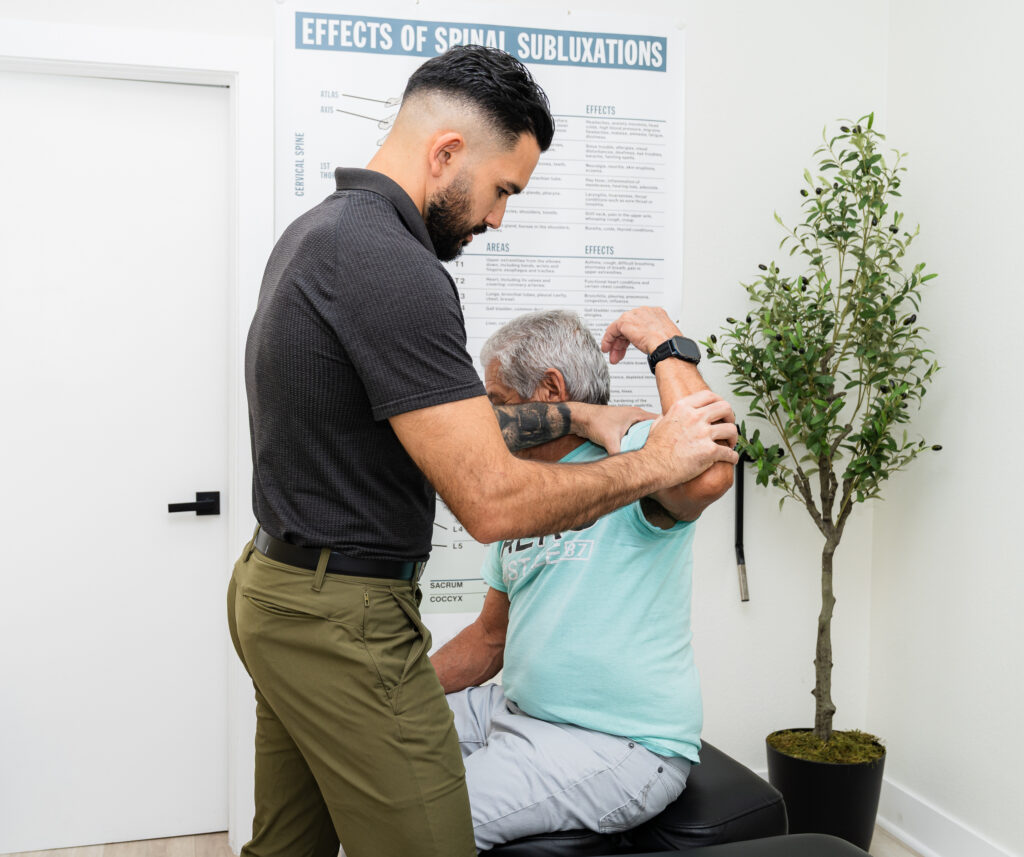

As a local chiropractor dedicated to helping you manage your back pain, I want to emphasize the crucial role that posture plays in your overall comfort and well-being. Many people find relief through traditional methods such as ergonomic adjustments, but I encourage you to consider exploring additional techniques that can enhance your healing journey.
Methods like the Alexander Technique, Pilates, and Yoga each offer distinct benefits that can significantly improve your posture and alleviate discomfort. The Alexander Technique focuses on body awareness and movement efficiency, which can help you learn how to move in ways that reduce tension. Pilates strengthens your core and promotes spinal alignment, while Yoga combines flexibility and strength with mindfulness, addressing both physical and mental aspects of pain.
Let’s delve deeper into these strategies together to determine which approach may best suit your individual needs. Your journey towards better back health can be transformative with the right techniques in place.
Understanding the Importance of Posture in Back Pain Relief
As a local chiropractor, I want to emphasize how crucial good posture is for preventing and alleviating back pain. When you maintain proper alignment in your body, you distribute your weight evenly, which helps minimize strain on your muscles and joints. This proper alignment not only supports your spine but also enhances your overall functionality throughout the day.
Consider how you sit, stand, and move—if you find yourself slouching or leaning, you may be setting yourself up for discomfort.
Your body is naturally designed to operate efficiently when your posture is correct. By keeping your shoulders back, aligning your head with your spine, and engaging your core, you can significantly reduce the pressure on your back. Remember, even small adjustments in your posture can lead to substantial relief from pain.
Additionally, maintaining good posture can have positive effects beyond just your back health. It can boost your confidence and energy levels.
Standing tall and sitting straight not only supports your physical well-being but also enhances your mood and productivity. I encourage you to prioritize your posture every day, and you may be surprised at the improvements you notice in your back health and overall quality of life.
Traditional Posture Techniques: An Overview
As a local chiropractor, I want to emphasize the importance of proper spinal alignment in managing back pain. When your spine is aligned correctly, it can significantly enhance your overall comfort and well-being.
Additionally, strengthening your core muscles is crucial in supporting good posture and minimizing strain on your back. Through traditional techniques, we can work together to improve your posture, relieve discomfort, and promote long-lasting health.
Let’s delve into these methods and see how they can make a positive impact on your life.
Aligning the Spine
As a local chiropractor, I want to emphasize the importance of properly aligning your spine for managing back pain and enhancing your overall well-being.
Many people may not realize that the alignment of your spine plays a crucial role in your posture and comfort. When your spine is misaligned, it can lead to discomfort and increased strain on your body.
Here are some foundational techniques I recommend to help you maintain proper spinal alignment:
- Sit up straight: It’s essential to keep your shoulders back and ensure your head is aligned with your spine. This simple adjustment can make a significant difference in reducing tension.
- Stand tall: Focus on evenly distributing your weight on both feet and avoid locking your knees. This practice not only supports your spine but also helps maintain balance.
- Use supportive chairs: Choose chairs that promote good posture, especially those with lumbar support that helps maintain the natural curve of your lower back. This support can be a game-changer for your comfort during long hours of sitting.
Incorporating these techniques into your daily life can lead to noticeable improvements in your posture and a reduction in back pain.
Strengthening Core Muscles
As a local chiropractor, I want to emphasize the importance of strengthening your core muscles for maintaining good posture and preventing back pain. A strong core is vital for supporting your spine, which in turn allows you to sit, stand, and move with greater ease.
When the core is weak, it can create imbalances that put unnecessary strain on your back, leading to discomfort and potential injury.
Incorporating specific exercises into your routine can significantly enhance your core strength. I often recommend movements like planks, bridges, and abdominal crunches. Aim to include these exercises a few times a week for the best results. Consistency is key!
It’s also crucial to focus on proper form while performing these exercises. Not only will this maximize their effectiveness, but it will also help minimize the risk of injury.
As your core muscles become stronger, you may notice it becomes easier to maintain proper posture throughout your daily activities. This can lead to reduced discomfort and contribute to an overall healthier back.
If you have any questions about how to start or incorporate these exercises safely, feel free to ask during your next visit. Your journey to better health and wellness is important to us!
The Alexander Technique: Principles and Benefits
As a local chiropractor, I want to introduce you to the Alexander Technique, a valuable tool for enhancing your posture and movement habits. This technique emphasizes the importance of awareness and control in our daily activities, helping to alleviate tension and pain, especially in the back.
By incorporating its core principles into your routine, you can unlock a variety of health benefits that contribute to your overall well-being.
Let’s delve into how the Alexander Technique can be a game-changer in managing back pain. By learning to identify and modify harmful movement patterns, you can significantly reduce discomfort and improve your quality of life.
Understanding this technique can complement your chiropractic care and empower you to take an active role in your healing journey.
Core Principles Explained
As a local chiropractor, I understand that managing back pain can often feel daunting. However, I want to introduce you to the core principles of the Alexander Technique, which can provide a practical approach to improving your posture and movement. This technique focuses on enhancing your awareness and gaining conscious control over your body, leading to positive changes in your daily activities.
Here are some key principles to consider:
- Inhibition: Take a moment to pause and recognize any habitual tension you may be holding before you move. This awareness allows for more intentional and mindful movement, which can alleviate strain on your back.
- Direction: Think about your body’s alignment and how you move. By guiding your body toward more efficient posture, you can reduce unnecessary pressure on your spine and improve overall comfort.
- Coordination: Pay attention to how different parts of your body work together. By enhancing this coordination, you can improve functionality and decrease the likelihood of injury or discomfort.
Incorporating these principles into your daily routine can complement the chiropractic care you receive, fostering a holistic approach to natural healing and back pain management.
Health Benefits Overview
As a local chiropractor, I want to share how understanding the Alexander Technique can significantly benefit your back health and overall well-being. This approach emphasizes the importance of recognizing and altering harmful postural habits, which can lead to improved alignment and reduced strain on your back.
By becoming more attuned to your body, you can learn to move more efficiently and comfortably, helping to alleviate discomfort.
Incorporating the Alexander Technique into your daily life can also enhance your breathing, increase your flexibility, and promote a deeper sense of relaxation. Many patients report improvements in focus and a decrease in stress levels, which are crucial for overall health.
As you start to integrate these principles into your everyday routine, you’ll cultivate lifelong habits that not only support better posture but also contribute to long-lasting relief from back pain.
I encourage you to embrace this journey towards a more balanced and pain-free life, as it can complement the chiropractic care we provide and lead to a healthier, more vibrant you.
Pilates for Posture Correction: How It Works
As a local chiropractor, I want to share how Pilates can play a significant role in correcting your posture and enhancing your overall spinal health. Many of my patients are surprised to learn that Pilates not only focuses on core strength but also promotes natural alignment and body awareness.
Here’s how incorporating Pilates into your routine can benefit you:
- Core Activation: One of the fundamental principles of Pilates is core stability. Engaging your core muscles is crucial for maintaining the natural curvature of your spine, which alleviates unnecessary strain on your back and supports proper alignment.
- Alignment Awareness: Pilates encourages you to become more aware of your body’s positioning through a variety of movements. This heightened awareness can help you identify and correct poor posture habits that may contribute to discomfort or pain.
- Flexibility and Strength: The exercises in Pilates are designed to enhance both your flexibility and strength. Improved flexibility allows for greater freedom of movement, while increased strength supports your posture, making it easier to maintain an upright position throughout your daily activities.
With consistent practice, you may experience remarkable improvements in your posture, which can lead to reduced back pain and a greater sense of well-being.
I encourage you to consider adding Pilates to your wellness routine—it could be a valuable tool in your journey toward better posture and overall health!
Yoga: Enhancing Flexibility and Alignment
As a local chiropractor, I want to share how yoga can be an invaluable tool for enhancing your flexibility and alignment, ultimately supporting your journey towards better posture and overall spinal health.
By incorporating various yoga poses into your routine, you engage and strengthen the muscles that surround your spine, leading to improved posture and reduced discomfort.
For instance, poses like Downward Dog and Cat-Cow are fantastic for promoting spinal mobility, while Tree Pose and Warrior I help you develop better balance and stability. These exercises not only stretch tight muscles but also strengthen weaker areas, contributing to a more resilient spine.
As you practice yoga, you’ll become more attuned to your body’s alignment, which can help you recognize and correct poor posture habits that may have developed over time.
Additionally, the breathing techniques learned in yoga can significantly reduce tension in your back and neck, promoting relaxation and aiding in your recovery.
Integrating yoga into your weekly routine, even just a few times, can lead to remarkable improvements in both your flexibility and your overall well-being.
You’ll likely notice yourself standing taller and moving with greater ease and confidence, making everyday activities more enjoyable.
Ergonomic Adjustments in the Workplace
As a local chiropractor, I want to share some insights on how creating an ergonomic workspace can significantly help in preventing back pain and enhancing your overall comfort while working.
Many of you may not be familiar with chiropractic care and natural healing, so let’s explore how a few simple adjustments to your work environment can support your posture and reduce strain on your back.
Here are three essential changes you should consider:
- Chair Height: It’s crucial to adjust your chair so that your feet are flat on the ground and your knees form a 90-degree angle. This position helps maintain proper spinal alignment, which is vital for preventing discomfort and promoting overall health.
- Monitor Position: Ensure that your computer screen is at eye level and positioned about an arm’s length away. This setup can significantly reduce neck strain and encourage a neutral head position, which is essential for maintaining good spinal health.
- Keyboard and Mouse Placement: Position your keyboard and mouse close enough that your elbows remain at your sides. This will help keep your wrists straight while typing, reducing the risk of strain and injury.
By implementing these ergonomic adjustments, you can greatly improve your comfort at work and lower the risk of developing back pain during those long hours at your desk.
The Role of Technology in Posture Improvement
In today’s digital age, I want to share how technology can be a valuable ally in improving your posture and enhancing your overall well-being. As a chiropractor, I often see the negative effects of poor posture, and I believe that embracing certain technological tools can help you make meaningful changes.
Smart devices, such as wearables, can be particularly beneficial. These gadgets track your movements and provide gentle reminders to adjust your posture throughout the day. By staying aware of your body alignment, you can avoid common habits like slouching or hunching over, which can lead to discomfort and pain.
There are also specialized apps dedicated to posture improvement that offer personalized exercises and techniques suited to your unique needs. Many of these apps include interactive tutorials that guide you through effective stretches and strengthening routines. This not only raises your awareness about your posture but also encourages you to actively engage in your own improvement.
Furthermore, ergonomic software can analyze your workstation setup, offering suggestions to create a more supportive environment for better posture. With helpful notifications and reminders, you can remain committed to maintaining proper alignment, thereby reducing your risk of developing back pain and other related issues.
Mindfulness and Body Awareness Practices
As a chiropractor, I want to share how mindfulness practices can significantly enhance your body awareness, making it easier for you to recognize and correct poor posture.
Many of my patients have found that by tuning into their bodies, they can identify areas of tension and discomfort that may arise from incorrect positioning.
Here are some techniques I recommend to help you cultivate mindfulness and improve your posture:
- Breath Awareness: Spend a few minutes focusing on your breath. Pay attention to how your body feels as you inhale and exhale. This simple practice can help ground you in the present moment and create a greater sense of connection to your body.
- Body Scanning: Try lying down comfortably and mentally scanning your body from head to toe. Notice any areas of tightness or discomfort. By acknowledging these sensations, you can encourage relaxation and awareness in those specific spots, which can complement the chiropractic adjustments you receive.
- Mindful Movement: Incorporate practices such as yoga or tai chi into your routine. These activities promote fluid movement and enhance your awareness of your body’s alignment. Not only do they help with flexibility and strength, but they also support the adjustments we work on in the office.
Integrating Posture Techniques Into Daily Routines
As a local chiropractor, I want to share some important insights on how you can effectively manage back pain by integrating posture techniques into your daily routines. Many of my patients are surprised to learn how simple adjustments can make a significant difference in their comfort and overall well-being.
First and foremost, let’s focus on your sitting position. When you’re working at a desk, it’s essential to have a chair that supports your lower back. Ensure that your feet are flat on the ground; if they don’t reach, consider using a cushion or a footrest to maintain proper alignment.
When you’re standing, it’s vital to distribute your weight evenly across both feet. Keep your shoulders back and relaxed to help reduce strain on your back and maintain a healthy posture.
I recommend incorporating regular posture checks into your day. Setting reminders on your phone to stand up, adjust your stance, or stretch every hour can be a game changer for your spine health.
For activities like cooking or cleaning, remember to maintain a neutral spine. Bend at your knees instead of your waist to avoid unnecessary pressure on your back.
Additionally, I encourage you to consider practices like yoga or Pilates. These exercises can greatly enhance your flexibility and strengthen your core muscles, which are crucial for supporting proper posture.
By making these adjustments in your daily life, many of my patients have experienced a significant reduction in back pain over time.
Conclusion
As a local chiropractor, I want to emphasize the importance of incorporating various posture techniques into your routine for effective back pain management. Many of you may not be familiar with the benefits of chiropractic care and natural healing, but exploring traditional methods—such as ergonomic adjustments—alongside practices like the Alexander Technique, Pilates, and Yoga can make a significant difference in how you feel.
It’s essential to integrate these techniques into your daily life while being mindful of your body’s alignment. By doing so, you can improve your posture, alleviate discomfort, and ultimately promote a healthier lifestyle. Remember, consistency and awareness are key; with dedication, you can take control of your back health and experience the relief you deserve. As your chiropractor, I’m here to guide you on this journey toward better posture and overall well-being.