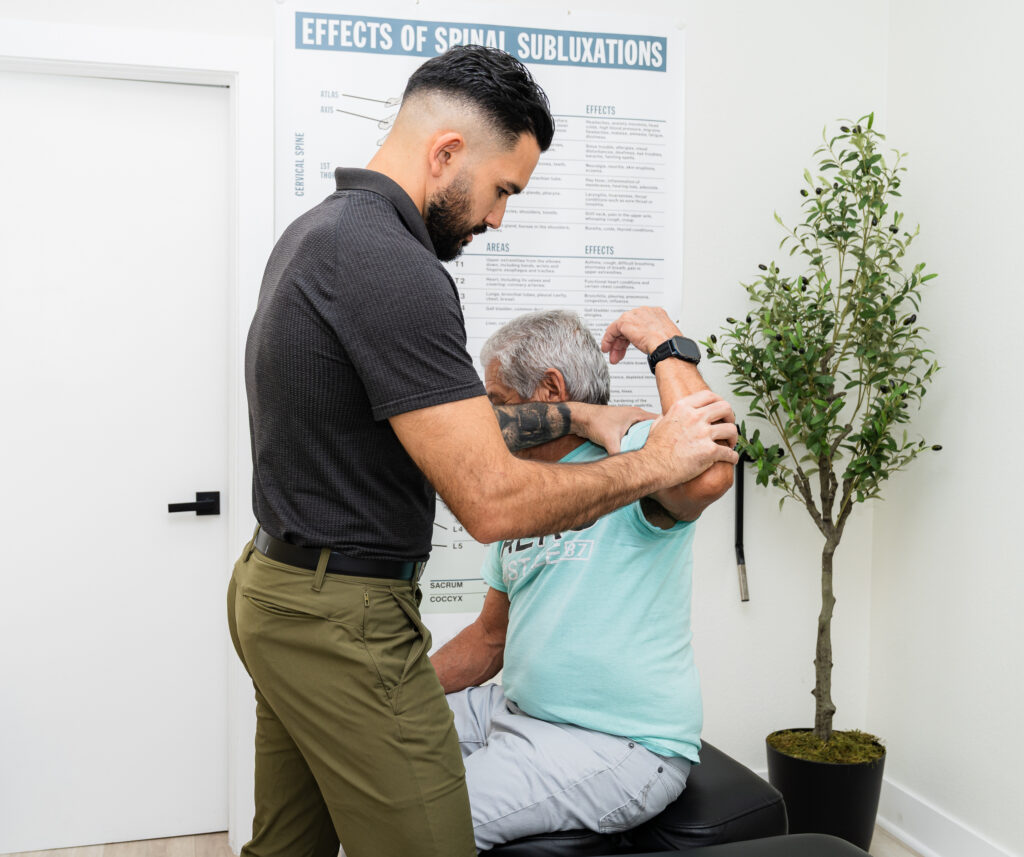

As a local chiropractor, I often hear patients wonder if simple adjustments to their daily routines can alleviate ongoing pain. It's important to understand that pain management goes beyond just medication or therapy. By incorporating consistent habits like movement, mindfulness, and even dietary changes, you might notice a significant shift in how you experience discomfort.
Tailoring these routines to fit your specific needs can help you identify patterns that effectively manage your pain. For instance, integrating gentle exercises into your day can improve mobility and reduce stiffness, while mindfulness practices can help you cope with the mental aspects of pain. Additionally, paying attention to your diet can support overall body function and promote healing.
So, what specific adjustments could truly make a difference in your life? Let's explore how small changes can lead to significant improvements in your well-being. Together, we can find the right strategies that work for you!
Understanding Chronic Pain
Chronic pain isn't merely a physical sensation; it can significantly influence your daily life and emotional well-being. As a local chiropractor, I want to help you understand how this ongoing discomfort can feel like a relentless cycle that drains your energy and motivation.
You may find that engaging in activities you once loved or even completing simple household tasks becomes a challenge. This persistent pain often leads to frustration, anxiety, and feelings of isolation, which is why it's essential to grasp its nature.
Chronic pain can arise from various conditions, such as arthritis, fibromyalgia, or nerve damage, and it manifests differently for each individual. Some experience sharp pain, while others may feel dull or throbbing sensations, and this pain doesn't always reflect the severity of an underlying issue.
Emotional factors like stress or depression can also intensify your pain, creating a complex relationship between your physical and mental health.
As we work together, it's crucial to recognize that chronic pain impacts both your body and mind. Our approach isn't just about alleviating symptoms; it's about understanding your unique experience.
This awareness enables you to communicate effectively with me and allows me to create a personalized treatment plan that addresses your specific needs.
Remember, you aren't alone in this journey. Many individuals experience chronic pain, and seeking support from friends, family, or local support groups can help foster a sense of community.
The Role of Routine
As a local Chiropractor, I want to emphasize how establishing a consistent routine can significantly benefit your pain management journey.
By integrating daily movement patterns and mindfulness practices into your life, you can improve not only your physical health but also your mental well-being. These simple adjustments can help alleviate pain and foster a greater sense of control over your daily activities.
Understanding how to create and maintain these routines is a key part of the natural healing process we promote in chiropractic care.
Let's work together to develop a personalized approach that fits your lifestyle and needs.
Daily Movement Patterns
As a local chiropractor dedicated to enhancing your health and well-being, I want to emphasize the importance of daily movement patterns in managing pain and promoting overall wellness.
Integrating mindful movement into your daily routine can significantly improve your physical health and address discomfort. Here are some essential daily movement patterns to consider:
- Stretching: I encourage you to incorporate gentle stretching into your routine. This helps maintain flexibility and alleviates muscle tension. Pay special attention to areas where you experience tightness or discomfort, as targeted stretches can provide significant relief.
- Walking: Aim to include regular walks throughout your day. Even short walks can greatly benefit your circulation, elevate your mood, and alleviate pain. Walking is a simple yet effective way to keep your body active and engaged.
- Posture Awareness: Being mindful of your posture is crucial during your daily activities, whether you're sitting at a desk or standing. Maintaining good posture can prevent unnecessary strain on your body and reduce pain, which is vital for your long-term health.
- Strength Training: Consider engaging in light strength training exercises to build muscle support around your joints. Strong muscles are essential for minimizing pain and enhancing your overall functionality. I can guide you on safe exercises tailored to your needs.
By incorporating these daily movement patterns into your life, you can take significant steps towards managing pain and improving your overall well-being.
Mindfulness and Relaxation Techniques
As a chiropractor, I want to share how incorporating mindfulness and relaxation techniques into your daily routine can significantly enhance your experience with pain management and stress relief. Many of my patients have found that by focusing on the present moment, they can break free from the cycle of worry and discomfort that often accompanies chronic pain.
Start with simple practices such as deep breathing exercises or progressive muscle relaxation. These techniques can help calm your nervous system, enabling your body to release tension and alter the perception of pain.
I recommend setting aside specific times each day for mindfulness meditation or gentle yoga. Even short sessions can make a noticeable difference, fostering a sense of calm and awareness about your body. As you become more in tune with how you feel, you'll be better equipped to identify stress triggers and respond to them more effectively.
You might also consider incorporating guided imagery or visualization exercises into your routine. Imagine a peaceful place or a cherished memory; this mental shift can help divert your focus away from discomfort.
Additionally, keeping a journal can be a powerful tool—writing down your thoughts and feelings provides an emotional release and promotes clarity of mind.
Remember, consistency is crucial. By making mindfulness and relaxation techniques a regular part of your life, you can empower yourself to handle pain with greater resilience and ease.
Many of my patients have discovered that these practices not only improve their pain management but also enhance their overall well-being, making daily challenges feel more manageable. Together with chiropractic care, these methods can lead to a more holistic approach to your health.
Daily Habits and Pain Relief
As your local chiropractor, I want to emphasize the importance of your daily habits in managing pain effectively.
Integrating regular stretching and mobility exercises into your routine can significantly enhance your overall comfort. Additionally, being mindful of your ergonomics and posture is crucial in preventing further strain on your body.
These simple yet impactful adjustments can greatly contribute to your pain relief journey. By making these changes, you can empower yourself to lead a healthier, more pain-free life.
Let's work together to explore these strategies and find what works best for you!
Stretching and Mobility Exercises
As a local chiropractor, I often emphasize the importance of stretching and mobility exercises in managing pain and promoting overall well-being.
These practices can be transformative for your daily routine, enhancing flexibility, reducing stiffness, and improving blood circulation—all of which play a crucial role in alleviating discomfort.
Here are four effective stretches and mobility exercises that I recommend incorporating into your daily life:
- Cat-Cow Stretch: This stretch, inspired by yoga, is excellent for warming up your spine and enhancing flexibility. By alternating between arching and rounding your back, you can effectively release tension in your back, which is beneficial for spinal health.
- Hip Flexor Stretch: By kneeling on one knee and gently pushing your hips forward, you can target tightness in the hip flexors. This area is often linked to lower back pain, and loosening it can lead to significant relief.
- Shoulder Rolls: This is a simple yet effective exercise. By rolling your shoulders forward and backward, you can help release accumulated tension in your upper body, which can improve mobility and reduce discomfort in the neck and shoulders.
- Seated Forward Bend: While sitting with your legs extended, reach towards your toes. This stretch promotes flexibility in the hamstrings and can alleviate discomfort in the lower back, making it a great addition to your routine.
Incorporating these exercises into your day can support your body's natural healing processes and enhance your overall quality of life.
If you have any questions or need guidance on how to perform these exercises correctly, don't hesitate to reach out—I'm here to help you on your journey to better health!
Ergonomics and Posture Improvement
As a local chiropractor, I want to emphasize the importance of good posture in preventing pain and enhancing your overall health, especially given the sedentary lifestyle many of us lead today. You may not be aware, but the way you sit, stand, and move throughout your day can significantly affect your comfort levels.
Maintaining proper alignment is key—it reduces strain on your muscles and joints, which can help alleviate any ongoing discomfort you may be experiencing.
To begin improving your ergonomics, let's take a look at your workspace. Ensure that your chair provides adequate support for your lower back, and that your feet are resting flat on the floor. Your computer screen should be at eye level to prevent unnecessary neck strain.
It's also crucial to take regular breaks; standing up and stretching every hour can greatly enhance your well-being.
Moreover, be conscious of your posture outside of work as well. Standing tall with your shoulders back and your head aligned over your spine can invigorate you and combat fatigue.
By integrating ergonomic principles into your daily routines, you can experience lasting relief from pain. When you make these small adjustments, you're not only improving your posture; you're making a significant investment in your long-term health.
Mindfulness and Pain Management
As a local chiropractor, I often see how incorporating mindfulness into pain management can significantly improve my patients' overall well-being.
Mindfulness allows you to stay present, which can significantly reduce anxiety and stress—common contributors to heightened pain. By focusing on your breath and bodily sensations, you can create a mental space that makes pain feel more manageable.
Here are four effective ways to integrate mindfulness into your daily routine that can complement your chiropractic care:
- Breathing Exercises: Take a few minutes each day to practice deep, slow breathing. Inhale deeply through your nose, hold it for a moment, and then exhale slowly through your mouth. This simple exercise can help calm both your mind and body, making it easier to cope with discomfort.
- Body Scan Meditation: Find a comfortable position, whether lying down or seated, and progressively focus on each part of your body, starting from your toes and working your way up to your head. Pay attention to any sensations you feel, acknowledging pain without judgment. This practice can help you better understand your body and how it responds to pain.
- Mindful Movement: Engage in gentle movement practices such as yoga or tai chi. These activities not only promote relaxation and reduce tension but also encourage a deeper connection with your body. This can be particularly beneficial for those receiving chiropractic adjustments.
- Gratitude Journaling: At the end of each day, take a moment to write down three things you're grateful for, no matter how small they might seem. This practice can shift your perspective, helping you focus on the positive aspects of your life, which may lessen the perception of pain.
Dietary Changes for Comfort
As a local chiropractor, I want to emphasize how your diet can play a crucial role in managing pain and enhancing your overall well-being. Many people may not realize that what you eat can significantly impact your body's ability to heal and feel comfortable.
By incorporating anti-inflammatory foods into your meals, staying properly hydrated, and ensuring you're getting a balanced intake of nutrients, you can help alleviate your discomfort.
Let's take a closer look at these dietary changes and how they can improve your comfort levels. Anti-inflammatory foods, such as fruits, vegetables, nuts, and fatty fish, are great choices to help reduce inflammation in the body.
Additionally, drinking plenty of water aids in hydration, which is essential for maintaining healthy bodily functions and can also assist in reducing pain.
By focusing on these nutritional aspects, you can complement the chiropractic care you receive, leading to a more holistic approach to your health and comfort.
Anti-inflammatory Foods Benefits
As a chiropractor dedicated to promoting natural healing and overall wellness, I want to share the importance of incorporating anti-inflammatory foods into your diet. These foods can significantly alleviate discomfort and enhance your body's ability to heal itself.
By making some straightforward adjustments to your eating habits, you can support your body's natural processes and reduce inflammation, which is often a source of pain. Here are four potent anti-inflammatory foods I recommend considering for your meals:
- Fatty Fish: Fish such as salmon and mackerel are rich in omega-3 fatty acids, which are known to significantly lower inflammation levels in the body. Including these in your diet can be beneficial for managing pain and promoting joint health.
- Berries: Blueberries and strawberries are packed with antioxidants that help combat oxidative stress, a contributor to inflammation. These vibrant fruits can be a delicious and nutritious addition to your meals, providing both flavor and health benefits.
- Leafy Greens: Vegetables like spinach and kale are loaded with essential vitamins and minerals that aid in fighting inflammation. They not only support your overall health but also help create an environment in your body that promotes healing.
- Nuts: Nuts, particularly walnuts and almonds, are excellent sources of healthy fats and antioxidants. Incorporating them into your diet can help reduce inflammation and provide sustained energy throughout the day.
By being mindful of what you eat and including these anti-inflammatory foods, you can take significant steps towards reducing pain and enhancing your overall well-being.
Your diet plays a crucial role in your health, and as your chiropractor, I'm here to support you on this journey to natural healing.
Hydration and Pain Relief
As a local chiropractor, I want to emphasize the important connection between hydration and pain management in your overall health. Staying properly hydrated is crucial not just for general wellness, but also for effectively managing pain. When you drink enough water, it supports your body's essential functions like nutrient absorption and circulation, both of which can have a direct impact on your pain levels.
Many people don't realize that even mild dehydration can make discomfort worse. I recommend aiming for at least eight 8-ounce glasses of water each day, but this can vary depending on your activity level and the climate you live in. If you find plain water a bit boring, consider herbal teas or infused water as delightful alternatives to help you stay hydrated.
In addition to fluid intake, incorporating hydrating foods into your diet can make a significant difference. Fruits and vegetables, such as cucumbers, watermelon, and oranges, not only enhance your hydration but also provide essential vitamins and minerals that contribute to your overall well-being.
By prioritizing hydration, you may notice a reduction in your pain levels, which can greatly enhance your ability to engage in daily activities.
Balanced Nutrient Intake
As a local chiropractor, I often emphasize the importance of a balanced nutrient intake for managing pain and enhancing overall health. Many people are surprised to learn how significantly the foods we consume can affect inflammation and pain levels.
By focusing on a diet rich in specific nutrients, you can improve your well-being and potentially alleviate discomfort. Here are four key factors to consider when thinking about your nutrition:
- Omega-3 Fatty Acids: Incorporating fatty fish like salmon, flaxseeds, or walnuts into your diet can help reduce inflammation, which is crucial for pain relief.
- Antioxidants: Foods such as berries, dark leafy greens, and nuts are packed with antioxidants that combat oxidative stress—an often-overlooked contributor to pain.
- Fiber: Including whole grains, legumes, and a variety of vegetables in your meals supports digestive health and can also play a role in reducing inflammation.
- Magnesium: Foods like spinach, almonds, and avocados are rich in magnesium, which can help relax muscles and ease tension—something we often address in chiropractic care.
By adjusting your diet to include these essential nutrients, you can take a proactive approach to managing pain and enhancing your health.
Remember, even small dietary changes can lead to significant benefits. Prioritize these foods in your meals, and you may notice improvements in your comfort levels over time.
As your chiropractor, I'm here to support you on your journey to better health through both chiropractic care and nutritional guidance.
Exercise as a Routine Adjustment
As a chiropractor, I want to emphasize how exercise can serve as a valuable component of your pain management strategy. When you integrate physical activity into your daily routine, you're not just enhancing your overall well-being; you're also taking active steps to alleviate the pain you might be experiencing. Regular exercise stimulates the release of endorphins—your body's natural pain relievers—which can uplift your mood and lessen discomfort.
You don't have to dive into strenuous workouts to experience these benefits. Even low-impact activities such as walking, swimming, or practicing yoga can significantly improve your flexibility and strength, ultimately helping to lower pain levels. The key is to discover an exercise that you find enjoyable and to incorporate it into your daily life, which will make it easier to maintain.
I recommend starting with short sessions of physical activity and gradually increasing both the duration and intensity as your body allows. Pay close attention to how your body responds; if something feels off, don't hesitate to modify your approach. Consistency is crucial, so I encourage you to set realistic goals and celebrate every bit of progress, no matter how small.
Moreover, regular exercise can enhance your sleep quality, which is critically important for managing pain. Being physically active can help you fall asleep more quickly and improve your overall sleep depth, allowing your body the necessary time to recuperate.
If you have any concerns or specific needs regarding your exercise routine, I encourage you to reach out to a fitness professional. They can help tailor a program that accommodates your pain levels and physical limitations.
Sleep Hygiene's Impact on Pain
As a local chiropractor, I want to emphasize the profound connection between quality sleep and effective pain management. Your body's ability to cope with discomfort can be significantly influenced by how well you sleep.
If you're not getting sufficient quality rest, you may find that your sensitivity to pain increases, making it more challenging to manage everyday aches and discomfort. Improving your sleep hygiene can be a transformative step toward alleviating pain and enhancing your overall well-being.
Here are four strategies to help you improve your sleep hygiene:
- Establish a Consistent Sleep Schedule: Aim to go to bed and rise at the same time each day, even on weekends. This consistency helps to regulate your body's internal clock, promoting better sleep quality.
- Limit Screen Exposure Before Bed: Try to avoid screens for at least an hour before you sleep. The blue light from devices can disrupt your body's production of melatonin, which is crucial for falling asleep.
- Create a Sleep-Friendly Environment: Transform your bedroom into a peaceful sanctuary for sleep. Keep the room dark, quiet, and cool. Utilizing blackout curtains and white noise machines can significantly enhance your sleep quality.
- Be Mindful of Your Diet: Steer clear of heavy meals, caffeine, and alcohol close to bedtime. These substances can interfere with your sleep cycle and may exacerbate discomfort throughout the night.
By incorporating these strategies into your routine, you can improve your sleep quality and, in turn, better manage your pain.
Social Connections and Support
As a local chiropractor, I want to emphasize that while improving sleep hygiene is crucial in managing pain, we mustn't overlook the significance of social connections and support. Having a robust support system can profoundly influence your experience with pain. When you're surrounded by friends, family, or even community support groups, you're more likely to open up about your struggles and feelings. This sharing can lighten your emotional load and reduce feelings of isolation.
Engaging with others not only enhances your emotional well-being but also encourages you to partake in activities that can serve as distractions from your pain. Whether it's going for a leisurely walk, attending a fun social gathering, or simply enjoying a chat over coffee, these connections can provide a much-needed mental break from your discomfort.
Furthermore, fostering social connections nurtures a sense of belonging, which is vital for your overall mental health. When you feel supported, you're more inclined to tackle your pain management with a positive outlook.
I encourage you to reach out to those in your life. Share what you're experiencing and let them know how they can assist you. Whether you need a listening ear or someone to share a laugh with, these relationships can significantly enhance your coping strategies.
Additionally, consider joining a support group where you can connect with others who are facing similar challenges. Remember, you don't have to deal with your pain in isolation. The connections you build can be a powerful ally in managing your pain and improving your overall quality of life.
Research on Routine Adjustments
As a local chiropractor, I want to share with you how routine adjustments can significantly aid in managing pain and enhancing your overall well-being. Many of my patients are surprised to learn that small, consistent changes in daily habits can lead to remarkable improvements.
Here are some insights based on research that supports the benefits of these routine adjustments:
- Exercise: Incorporating regular physical activity into your day is one of the most effective strategies for reducing pain and improving mobility. Simple activities like walking, stretching, or practicing yoga can strengthen your muscles and improve flexibility, both of which play a crucial role in alleviating discomfort.
- Sleep Hygiene: Establishing a consistent sleep routine and creating a calming sleep environment are essential for quality rest. Good sleep not only helps your body recover but also reduces your sensitivity to pain. As a chiropractor, I often emphasize the importance of sleep for healing and overall health.
- Nutrition: Adopting a balanced diet that includes anti-inflammatory foods is another powerful way to manage pain. Research shows that incorporating plenty of fruits, vegetables, whole grains, and healthy fats into your meals can support your body's natural healing processes. This is something I often discuss with my patients to help them understand the connection between nutrition and pain management.
- Mindfulness Practices: Techniques such as meditation and deep breathing can be incredibly beneficial in managing pain. These practices help lower stress levels and increase your pain tolerance. Regularly engaging in mindfulness can shift your focus away from discomfort and promote a sense of relaxation, which is essential for healing.
As your chiropractor, my goal is to guide you through these routine adjustments, helping you to incorporate them into your life for better pain management and overall health.
Together, we can create a personalized plan that addresses your specific needs and supports your journey toward wellness.
Personalizing Your Pain Management
As a local chiropractor, I want to emphasize the importance of personalizing your pain management to achieve lasting relief and improve your overall quality of life. Everyone's experience with pain is unique, and what alleviates pain for one person may not work for another.
To begin finding the most effective solution for you, it's essential to assess the nature and intensity of your pain. I recommend keeping a pain diary to document triggers, patterns, and your responses to different treatments. This information will empower you to make informed choices about your care.
Collaboration with your healthcare providers, including myself, is crucial. I encourage you to share your observations and discuss your goals during our visits. Together, we can craft a personalized pain management plan that may include chiropractic adjustments, physical therapy, mindfulness techniques, and lifestyle changes that suit your needs.
Don't shy away from exploring complementary therapies like acupuncture or massage, which many of my patients have found beneficial alongside chiropractic care.
It's also important to stay flexible and open to adjustments. Your body evolves over time, and so can your pain. Regularly reviewing your pain management strategies and communicating any changes with me will help ensure we can adapt your approach for continued effectiveness.
Additionally, incorporating self-care practices into your daily routine can make a significant difference. Techniques such as meditation, yoga, or even simple breathing exercises can provide relief and promote relaxation.
Prioritizing sleep, nutrition, and regular physical activity is also vital in managing pain effectively.
As your chiropractor, I'm here to guide you on this journey toward better health and pain management. Together, we can explore natural healing methods to help you regain control of your life.
Conclusion
As a local chiropractor, I want to emphasize the importance of incorporating routine adjustments into your daily life to help manage ongoing pain. By adopting consistent habits such as regular movement, mindfulness practices, and ensuring you get adequate sleep, you can take significant strides toward improving your well-being. It's essential to tailor these routines to meet your specific needs, as this will aid in identifying the triggers of your pain and facilitate your path to relief. With dedication and the right support, you can enhance your quality of life and effectively reduce pain, paving the way for a healthier and happier version of yourself. Remember, chiropractic care is here to guide you on this journey!