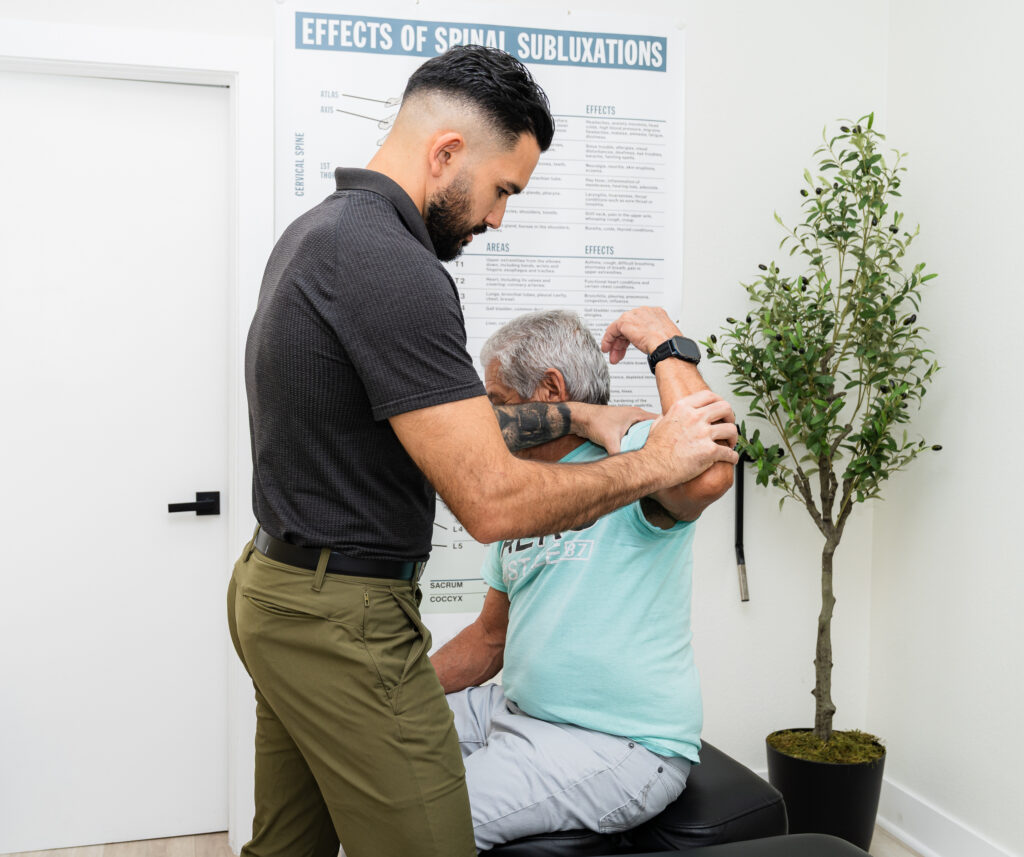

As a local chiropractor, I often see patients who are curious about their flexibility and how it impacts their overall health. If you've ever wondered how flexible you truly are or if your daily routine could benefit from some adjustments, I encourage you to take our quiz. This quiz serves as a valuable tool to assess your current flexibility levels and identify areas for improvement.
By dedicating just a few moments to answer some focused questions, you'll gain personalized insights that can significantly enhance your well-being. These insights can reveal practical tips that are tailored to your unique needs. You might be surprised at how understanding the importance of flexibility can motivate you to make positive changes in your daily activities. Improving your flexibility not only supports your chiropractic care but also promotes natural healing and overall wellness. Let's explore how flexibility can play a vital role in your health journey!
Understanding Flexibility
Flexibility goes beyond just being able to touch your toes; it's a crucial aspect of your overall fitness and well-being, especially in the context of chiropractic care and natural healing. As a chiropractor, I want to help you understand the importance of flexibility in relation to how your muscles and joints function.
Flexibility is defined as the range of motion around a joint, which is influenced by factors such as muscle elasticity, joint structure, and the health of connective tissues. When we talk about flexibility, think of it as your ability to move freely and comfortably, without any tightness or restrictions.
You may have observed that flexibility varies significantly from one individual to another. While genetics certainly play a role, your daily habits are just as important. For instance, if you spend long hours sitting, you might notice that your hip flexors become tight, which can limit your mobility. Conversely, if you incorporate regular stretching or yoga into your routine, you're likely to experience a greater range of motion.
Flexibility can be categorized into two main types: static and dynamic. Static flexibility refers to the ability to hold a stretch without movement, while dynamic flexibility involves moving your joints through their full range during activities. Both types are essential, as they complement each other to enhance your overall physical performance and help maintain spinal health.
To appreciate the importance of flexibility, consider how it affects your daily life. Whether you're reaching for something on a high shelf or bending down to tie your shoes, good flexibility can prevent injuries and make these movements easier.
By prioritizing your flexibility, you're making an investment in better movement quality and your overall physical health. As a chiropractor, I encourage you to explore ways to improve your flexibility. Through targeted exercises and stretches, we can work together to enhance your range of motion, reduce tension, and promote a healthier, more active lifestyle.
Benefits of Improved Flexibility
As a local chiropractor, I want to share with you the incredible benefits of improved flexibility and how it can truly enhance your quality of life. Many people may not realize how essential flexibility is for everyday activities, but once you start incorporating flexibility training into your routine, you'll notice that movements become smoother and less painful. Simple tasks like bending down to tie your shoes, reaching for something on a high shelf, or even sitting comfortably for an extended period become much easier.
One of the most important advantages of improved flexibility is the role it plays in injury prevention. When your muscles and joints are more flexible, they can handle a wider range of movements without strain. This means you're less likely to suffer from sprains or other injuries during workouts or daily activities.
Furthermore, increased flexibility helps alleviate muscle tension and reduces soreness, facilitating a faster and more effective recovery after physical activities.
Flexibility also has a significant impact on your posture. When your muscles are balanced and flexible, they provide better support for your spine. This can lead to reduced back pain and improved overall alignment. As a result, you'll not only feel more comfortable in your body but also more confident in your everyday life.
Additionally, enhanced flexibility can give a boost to your athletic performance. Whether you're running, dancing, or engaging in sports, flexibility is crucial for maximizing your potential. With improved flexibility, you'll experience increased range of motion and agility, empowering you to push your limits further than ever before.
As your chiropractor, I encourage you to consider the benefits of incorporating flexibility training into your lifestyle. It's not just about physical health; it's about enjoying life to the fullest!
The Flexibility Quiz
As a local chiropractor, I often encounter patients curious about their current level of flexibility and how it relates to their overall health. Understanding where you stand in terms of flexibility can be incredibly beneficial in setting realistic goals for your wellness journey and tracking your progress.
That's why I encourage you to consider taking a flexibility quiz.
This quiz is designed to help you assess your flexibility through a series of straightforward, actionable questions. You'll be asked about your ability to perform various stretches and movements. For example, can you touch your toes comfortably? How far can you reach with your arms? These questions will help us gauge your flexibility across different muscle groups, such as your hamstrings, shoulders, and hips.
As you engage with the quiz, it's important to be honest with yourself. Remember, this isn't a test you need to pass or fail; rather, it's a valuable opportunity to gain insights into your body and its capabilities.
The results will highlight areas where you may excel and identify specific muscle groups that could benefit from improvement.
After completing the quiz, you'll receive insights into your flexibility level. You'll discover whether you fall within the average range or if there's room for enhancement.
This information is vital in tailoring your flexibility training and chiropractic care to meet your unique needs, ultimately supporting your journey towards better health and well-being.
Personalized Flexibility Tips
As a chiropractor committed to your overall wellness, I want to help you understand the importance of flexibility and how you can enhance it naturally. First, it's crucial to assess your current flexibility level. This self-assessment can guide you in setting achievable goals. If you notice that areas like your hamstrings or shoulders are particularly tight, it's wise to prioritize those regions for improvement. Remember, flexibility isn't something you achieve overnight; gradual progress is essential.
To foster flexibility, I recommend incorporating a daily routine that features both static and dynamic stretches. Static stretches involve holding a position, which can gradually enhance flexibility, while dynamic stretches include movement that warms up your muscles and prepares them for activity. Aim to dedicate at least 10-15 minutes each day to stretching.
Listening to your body is vital. If you encounter pain while stretching, it's important to ease off and avoid forcing any movements. Flexibility should come through consistent, gentle effort rather than through discomfort. Activities like yoga or Pilates can also be beneficial, as they focus on improving flexibility and core strength, supporting your overall health goals.
Hydration is another key factor in maintaining muscle elasticity. Be sure to drink plenty of water throughout the day to keep your muscles well-hydrated. Additionally, a nutrition-rich diet filled with vitamins and minerals can significantly aid in muscle recovery and enhance your flexibility.
Finally, tracking your progress can be incredibly motivating. Whether you choose to keep a journal or use an app, noting your improvements can help maintain your enthusiasm. Celebrate the small victories along the way—flexibility is a journey, and by establishing these healthy habits, you'll notice significant advancements in your flexibility over time.
Exercises to Enhance Flexibility
As a local chiropractor, I often emphasize the importance of flexibility in maintaining overall health and wellness. Regularly incorporating specific exercises into your routine can significantly enhance your flexibility, which is vital for optimal movement and injury prevention. Stretching plays a crucial role in this, and I'd like to share some effective exercises that can help improve your range of motion.
Begin with dynamic stretches, such as leg swings. Stand next to a wall for support and gently swing one leg forward and backward, gradually increasing the range of motion. This exercise activates your hip flexors and hamstrings, preparing them for more extensive movements.
Following this, try the cat-cow stretch to mobilize your spine. Position yourself on all fours and alternate between arching your back (cat) and dipping your belly (cow). This movement enhances spinal flexibility and helps release tension that may build up over time.
It's also important to include static stretches in your routine. The standing quadriceps stretch is particularly beneficial for your thighs. Simply grab your ankle and pull it toward your glutes while keeping your knees close together. Hold this position for 20-30 seconds on each side.
Another effective option is the seated forward bend. Sit with your legs extended in front of you and reach for your toes; this will help stretch your hamstrings and lower back.
Incorporating yoga into your weekly routine can further enhance your flexibility. Poses such as downward dog and pigeon pose not only improve flexibility but also promote balance and strength, contributing to a well-rounded physical foundation.
Lastly, don't overlook the benefits of foam rolling. While it may not look like a traditional stretch, foam rolling loosens tight muscles and prepares them for deeper stretches, ultimately enhancing your flexibility.
I recommend aiming to practice these exercises at least three times a week. With consistent effort, you'll notice improvements in your flexibility, making everyday movements feel easier and more fluid.
Conclusion
As your local chiropractor, I'm excited to introduce you to our flexibility quiz, which can be your first step towards enhancing your overall well-being. Many of my patients are unaware of how flexibility plays a crucial role in chiropractic care and natural healing. By taking this quiz, you'll receive personalized tips and exercises that can easily fit into your lifestyle, helping you incorporate flexibility training into your daily routine.
Improving your flexibility not only supports your physical performance but also contributes positively to your everyday activities and overall quality of life. Embracing this journey towards greater flexibility can lead to numerous benefits, including reduced pain and improved mobility. So, don't hesitate—let's work together to help you become a more flexible version of yourself and experience the many advantages that come with it!