
As a local chiropractor, I want to emphasize the importance of understanding how therapy techniques can significantly improve your recovery from sports injuries. Many people are unaware that natural healing methods, such as chiropractic care, can not only help alleviate pain but also speed up the healing process. When you incorporate chiropractic adjustments alongside physical therapy, proper nutrition, and mental wellness strategies, you create a powerful foundation for a complete recovery.
So, what specific chiropractic techniques can you start using today to enhance your healing journey? Techniques like spinal adjustments and targeted soft tissue work can realign your body and relieve tension, allowing you to regain mobility and strength more effectively. Additionally, implementing lifestyle changes and a focus on nutrition can support your body's natural healing capabilities. By embracing these holistic approaches, you'll be on the right path to returning to your peak performance sooner than you might expect. Let's work together to explore these options and get you back in the game!
Understanding Sports Injuries
As a local chiropractor, I believe that understanding sports injuries is vital for anyone involved in physical activities, whether you're a seasoned athlete or just starting out. When you challenge your body, the likelihood of injury rises, and being aware of how these injuries occur can empower you to prevent them.
Common injuries include sprains, strains, fractures, and tendonitis, each with specific causes and symptoms. For example, a sprain occurs when a ligament is overstretched or torn, often due to sudden twists or falls. Recognizing these signs early can promote a faster recovery.
It's crucial to consider the factors that lead to injuries. Inadequate conditioning, skipping warm-ups, and using improper techniques can significantly contribute to the risk. Pay attention to your body's signals; knowing when to take a break is essential. Although it may feel commendable to push through pain, this can result in long-term issues that disrupt your athletic journey.
Understanding the anatomy involved in your sport is another aspect that can help identify areas more susceptible to injury. For instance, runners may frequently deal with knee or ankle problems, whereas weightlifters might encounter shoulder or back issues. By being conscious of these vulnerable areas, you can take proactive steps to strengthen them, potentially reducing your risk of injury.
Finally, staying informed about injury prevention strategies is key to maintaining your health. This includes integrating flexibility and strength training into your routine and ensuring you have the right equipment.
As a chiropractor, I advocate for natural healing methods and techniques that can support your body's recovery processes. By grasping the fundamentals of sports injuries and how chiropractic care can play a role, you'll be better prepared to enhance your performance and minimize downtime. Your journey as an athlete—and your overall well-being—benefits from this knowledge.
Importance of Therapy Techniques
As a local chiropractor, I want to emphasize the significance of employing effective therapy techniques in your recovery journey. Injuries can be frustrating setbacks, but with the right approach, you can achieve a swift recovery and return to your peak performance. Ignoring these techniques may prolong your healing process, leaving you sidelined longer than necessary.
By incorporating various chiropractic and therapeutic methods into your regimen, you not only alleviate pain but also enhance your body's natural healing capabilities. Chiropractic care addresses not only the physical aspects of your injury but also any psychological barriers that may emerge during your recovery.
It's common to feel demotivated or anxious when you're unable to engage in your usual activities. Engaging in chiropractic therapy provides you with coping strategies and support, helping to maintain your morale and focus on your healing journey.
Furthermore, our therapy techniques promote better circulation, which is crucial for delivering nutrients to damaged tissues. Improved blood flow reduces inflammation and supports faster healing.
With the right chiropractic care, you'll find that you can regain strength and flexibility, significantly reducing your risk of future injuries. Additionally, chiropractic therapy educates you about your body mechanics and movement patterns.
This knowledge empowers you to make informed decisions regarding your physical activities, minimizing the chances of re-injury when you return to your sport. By taking a proactive approach to your recovery, you're not just bouncing back; you're preparing yourself to perform even better than before.
Physical Therapy Methods
As a local chiropractor, I want to emphasize the significance of understanding physical therapy methods when recovering from a sports injury. My focus is on natural healing approaches that can aid your recovery journey.
We'll delve into manual therapy techniques, which involve hands-on manipulation of the body to alleviate pain and improve mobility. Additionally, we'll incorporate strengthening exercises tailored to your specific needs, helping to rebuild strength and stability.
Various modalities for pain relief, such as heat, cold therapy, and electrical stimulation, will also be utilized to enhance your healing process. Each of these methods is vital in restoring your body to its optimal performance, allowing you to return to the activities you love with confidence.
Manual Therapy Techniques
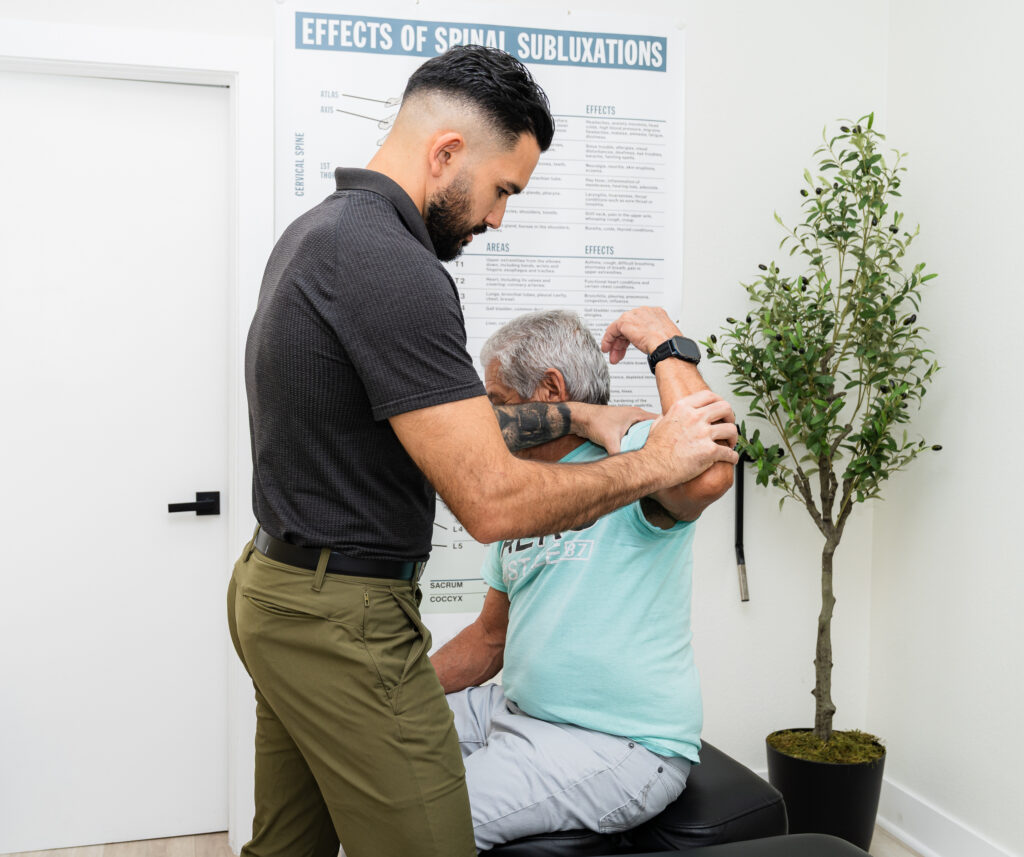
As a local chiropractor, I want to share how manual therapy techniques can significantly support your recovery from sports injuries. These hands-on approaches focus on enhancing your movement and alleviating pain through precise manipulation of your muscles and joints. When you receive manual therapy, you may notice an increase in blood circulation to the injured area, which can accelerate the healing process.
One effective method we often use is deep tissue massage. This technique targets the deeper layers of muscle and connective tissue, helping to relieve tension and boost flexibility.
Another beneficial approach is myofascial release, which works on the fascia surrounding your muscles, easing tightness and enhancing your overall mobility.
Joint mobilization is yet another valuable technique. By gently moving your joints through their natural range of motion, we can help reduce stiffness and improve functionality.
The skilled hands of a trained chiropractor can truly transform your recovery experience, providing personalized care that's tailored to your specific needs.
Integrating these manual therapy techniques into your recovery plan can help you regain strength and mobility more effectively. It's important to collaborate with a qualified professional who understands your injury and can customize the treatment to align with your recovery goals.
With our expertise, we can help you get back to enjoying your favorite sports in no time.
Strengthening Exercises Overview
As a local chiropractor, I want to emphasize the importance of strengthening exercises in your recovery process after a sports injury. While manual therapy techniques are essential for laying a strong foundation, it's the incorporation of these exercises that truly helps you regain strength and function.
Strengthening exercises not only rebuild muscle but also improve stability and enhance your overall performance.
When starting your rehabilitation, it's crucial to focus on low-resistance exercises that specifically target the muscles affected by your injury. Gradually increasing the intensity is key. Tools like bodyweight exercises, resistance bands, and light weights can be very effective in this phase.
Remember, maintaining proper form is vital to avoid the risk of re-injury. I highly recommend collaborating with a physical therapist or a chiropractor to develop a personalized exercise program that aligns with your specific needs and overall fitness level.
Additionally, consider incorporating isometric exercises into your routine. These exercises allow you to engage your muscles without moving the joints, which can help minimize strain while still promoting strength.
As you progress in your recovery, it's beneficial to include functional exercises that mimic the movements you'll encounter in your sport. This way, your recovery won't only restore your strength but also translate to improved performance when you return to your activities.
Modalities for Pain Relief
As a local chiropractor, I want to share how integrating various modalities for pain relief can significantly support your recovery from sports injuries. Many people may not realize the crucial role chiropractic care plays in managing pain and fostering healing.
For instance, treatments like ice therapy can effectively reduce inflammation and numb pain, while heat therapy enhances blood flow and relaxes tight muscles, promoting a more comfortable recovery experience.
One of the tools we use in chiropractic care is electrical stimulation, like TENS (Transcutaneous Electrical Nerve Stimulation). This technique works by interrupting the pain signals sent to your brain, providing relief from discomfort.
Additionally, we utilize ultrasound therapy, which employs sound waves to penetrate deep tissues, aiding in tissue repair and alleviating pain.
Manual therapies, such as chiropractic adjustments, massage, and joint mobilization, are essential for relieving muscle tension and improving your range of motion. These techniques not only help in reducing pain but also make it easier for you to get back to your favorite activities.
Therapeutic taping is another wonderful option we offer, providing support to injured areas while allowing for movement, which can significantly decrease discomfort during your daily activities.
Moreover, education is a powerful tool in your recovery journey. By understanding your injury and learning proper techniques for self-care, you can take an active role in managing your pain.
Benefits of Massage Therapy
As a local chiropractor, I want to share with you the incredible benefits of massage therapy in conjunction with chiropractic care.
Massage therapy is an effective way to relieve pain by increasing blood circulation and easing muscle tension. This approach not only helps to alleviate discomfort but also accelerates your muscle recovery process.
Integrating massage into your rehabilitation routine can significantly enhance your overall healing experience. It complements the adjustments and treatments we provide in our office, ensuring that your body heals naturally and efficiently.
Pain Relief Mechanism
As a local chiropractor, I understand that dealing with sports injuries can be challenging, and finding effective pain relief is crucial for your recovery. One of the most beneficial approaches to consider is therapy, particularly massage therapy. This form of treatment can significantly aid in alleviating pain through several natural mechanisms.
First, massage therapy enhances blood circulation throughout the body. Improved circulation is vital because it ensures that oxygen and essential nutrients reach injured tissues, which is essential for healing. Furthermore, better blood flow helps in flushing out toxins that can cause pain and stiffness, allowing you to feel more comfortable.
Another key benefit of massage therapy is its ability to stimulate the release of endorphins, which are the body's natural painkillers. These endorphins interact with your brain's receptors to diminish your perception of pain. This means that during your recovery, you may experience a greater sense of comfort and relief.
Additionally, massage therapy promotes relaxation, which can significantly lower stress levels and reduce muscle tension. This relaxation response is crucial for your overall well-being and can help facilitate a smoother recovery process.
Moreover, massage therapy plays an important role in breaking down adhesions and scar tissue that can develop after an injury. By addressing these problematic areas, you can alleviate pain and enhance your overall mobility, making it easier to return to your favorite activities.
Incorporating massage therapy into your recovery plan not only assists in managing pain effectively but also supports your journey back to peak performance.
Don't underestimate the powerful benefits of therapeutic touch; it could be the key to feeling better faster and achieving optimal health naturally. If you have any questions about how chiropractic care and massage therapy can work together, feel free to reach out!
Improved Muscle Recovery
As a local chiropractor, I want to share with you one of the most effective methods for enhancing muscle recovery after a sports injury: targeted massage therapy. This technique is an integral part of chiropractic care and can significantly aid your healing process. Not only does massage therapy help alleviate muscle tension, but it also promotes improved blood circulation, which is crucial for delivering essential nutrients to your injured tissues.
Many of my patients report a noticeable reduction in soreness and stiffness after just a few sessions, allowing them to regain mobility more quickly.
Furthermore, massage therapy plays a vital role in flushing out metabolic waste products, such as lactic acid, that accumulate during intense physical activity. By aiding in the removal of these toxins, you can accelerate your healing process. The relaxation that comes with massage therapy is also beneficial for lowering stress levels, which is essential for a holistic recovery.
Regular massage sessions can enhance your range of motion, making it easier for you to return to your favorite activities. As your muscles heal more effectively, you're also reducing the risk of future injuries.
It's important to remember that the benefits of massage extend beyond the physical; they can also uplift your mental well-being, helping you maintain a positive outlook throughout your recovery journey.
I encourage you to consider incorporating massage therapy into your rehabilitation plan. It's a natural and effective way to support your recovery, and your muscles will certainly appreciate the extra care!
Cryotherapy for Recovery
As a local chiropractor, I want to introduce you to an exciting recovery method that has been gaining popularity among athletes and health enthusiasts alike: cryotherapy. This innovative treatment can be an excellent addition to your recovery routine, helping to reduce inflammation and speed up the healing process naturally.
Cryotherapy involves exposing your body to extremely cold temperatures for a short duration, which can significantly aid in managing pain and inflammation. Whether you're recovering from an injury or simply looking to improve your overall performance, cryotherapy could be a transformative experience for you.
During a typical cryotherapy session, you'll either stand in a specialized chamber or use localized devices that focus on specific areas of your body. The cold temperature causes blood vessels to constrict, which decreases blood flow to the affected area and minimizes swelling.
Once you step out of the cold, your blood vessels dilate, encouraging enhanced circulation and delivering vital nutrients to the tissues that need healing. This process not only accelerates recovery but also helps reduce muscle soreness after strenuous workouts.
Many of my patients have reported feeling immediate relief and increased energy levels following their cryotherapy sessions. Additionally, you may experience improvements in sleep quality and a reduction in anxiety, both of which are essential for effective recovery.
By incorporating cryotherapy into your wellness routine, you can take proactive steps to prevent injuries and enhance your performance, whether on the field, in the gym, or in daily activities.
As cryotherapy becomes more widely available, it's easier than ever to find a facility that offers this treatment. If you're serious about optimizing your recovery and exploring natural healing methods, I encourage you to consider trying cryotherapy.
It's a powerful tool that can complement your chiropractic care and support your journey to better health and wellness.
Electrical Stimulation Benefits
As a local chiropractor, I want to share with you an exciting recovery technique that can significantly aid in your healing journey: electrical stimulation. Many people aren't familiar with how this method works, but it offers remarkable benefits for pain relief and recovery.
One of the standout features of electrical stimulation is its ability to effectively reduce pain. By utilizing electrical impulses, it targets specific areas of discomfort, interrupting the pain signals that your body sends to your brain. This provides immediate relief, which can be especially beneficial after an injury.
With less pain, you can start engaging in rehabilitation exercises sooner, paving the way for a quicker recovery.
In addition to pain relief, electrical stimulation plays a crucial role in enhancing blood circulation in the affected areas. Improved blood flow means that essential nutrients and oxygen are delivered to your tissues more efficiently, which accelerates the healing process.
This increased circulation can also help to alleviate swelling and inflammation, further supporting your recovery.
Another advantage of electrical stimulation is its ability to help maintain muscle strength. After sustaining an injury, it's common for muscles to weaken due to disuse. By inducing muscle contractions, this technique can prevent atrophy, ensuring that your muscles stay engaged and ready for rehabilitation exercises.
What's more, electrical stimulation is a non-invasive treatment option, making it suitable for a wide variety of injuries. It can easily be integrated into your overall recovery plan and is often used in conjunction with other therapeutic approaches.
If you're curious about how electrical stimulation can benefit your recovery process, I encourage you to reach out. Together, we can explore how this technique, along with other natural healing methods, can help you on your path to wellness.
Active Release Techniques
As a local chiropractor dedicated to your health and well-being, I want to introduce you to a powerful recovery method that complements traditional chiropractic care: Active Release Techniques (ART).
This hands-on therapy is designed to alleviate pain and restore function by specifically addressing issues related to muscles and soft tissues. If you're dealing with a sports injury or any discomfort, incorporating ART into your recovery plan can truly be transformative.
ART operates by breaking up adhesions and scar tissue that often develop after an injury or due to repetitive strain. During your sessions, I'll apply precise pressure while guiding your body through specific movements.
This process helps to release tight muscles and improves blood circulation, making it an effective way to enhance your overall recovery.
Here are three key benefits of adding Active Release Techniques to your healing journey:
- Enhanced Mobility: One of the standout advantages of ART is its ability to improve your range of motion significantly. By addressing restrictions in the soft tissues, you'll find it much easier to carry out daily tasks and return to the sports and activities you love.
- Pain Reduction: If you're suffering from chronic pain or discomfort, ART focuses on identifying and treating the underlying causes. Many patients experience lasting relief that extends well beyond their therapy sessions, allowing them to feel more comfortable as they heal.
- Faster Recovery: ART plays a crucial role in accelerating your healing process, enabling you to return to your favorite activities sooner. This technique not only alleviates pain but also supports comprehensive healing, ensuring you can get back to your routine quickly and safely.
As your chiropractor, I believe that incorporating Active Release Techniques into your recovery regimen can significantly enhance your healing experience.
With its targeted approach, ART is an invaluable tool on your path to recovery, and I'm here to guide you every step of the way.
Role of Nutrition in Recovery
As a local chiropractor, I want to emphasize the vital role nutrition plays in your recovery from sports injuries. It's not just about spinal alignment and adjustments; nutrition serves as the foundation for healing and overall well-being. When you're dealing with an injury, your body requires an increased intake of essential nutrients to repair tissues and manage inflammation effectively. By focusing on a balanced diet, you can significantly enhance your recovery process and get back to your sport faster.
Start by prioritizing protein in your meals. Protein is crucial for muscle repair and regeneration, so be sure to include sources like lean meats, fish, eggs, dairy, legumes, and nuts in your diet. Variety is key here; different protein sources provide different amino acids, which are all important for your body's healing processes.
Don't forget about healthy fats! Incorporating foods rich in healthy fats, such as avocados, olive oil, and fatty fish, can help reduce inflammation and promote healing. These fats are an essential part of your recovery diet.
Carbohydrates also play a significant role, especially if you're engaging in light activity during your recovery phase. They supply the energy your body needs to heal and function efficiently. Opt for whole grains, fruits, and vegetables, which aren't only rich in carbohydrates but also packed with vitamins and minerals that support your immune system and overall recovery.
Lastly, hydration is crucial. Drinking enough water is essential for maintaining effective bodily functions and supporting nutrient transport throughout your body. If you've experienced significant fluid loss or are participating in rehabilitation exercises, consider electrolyte-rich beverages to help replenish your body.
Mental Strategies for Healing
As a local chiropractor, I want to emphasize the significant role your mental state plays in your recovery from a sports injury. Your mind can be a powerful ally in the healing process, and by incorporating specific mental strategies, you can foster a positive environment that supports your recovery.
Here are three effective techniques to consider:
- Visualization: Imagine yourself fully healed and back to your favorite activities. Spend a few minutes each day visualizing your body restoring itself and performing at its peak. This technique, often used by athletes, can enhance your motivation and boost your confidence in the healing process.
- Mindfulness Meditation: Engaging in mindfulness can help you remain present and alleviate anxiety related to your injury. Dedicate a few moments each day to focus on your breath, allowing yourself to observe your thoughts without judgment. This practice can lead to better emotional well-being and a calm mindset, which is crucial during your recovery journey.
- Positive Affirmations: Counteract any negative thoughts that might surface during your healing process with positive affirmations. Phrases such as "I am getting stronger every day" or "My body has the innate ability to heal" can help reinforce a healing mindset and keep you aligned with your recovery goals.
By integrating these mental strategies with chiropractic care, you can optimize your healing and return to peak performance more effectively.
Conclusion
As a local chiropractor, I want to emphasize how incorporating various therapy techniques into your recovery routine can significantly enhance your journey back to peak performance. It's important to understand that methods such as chiropractic care, physical therapy, massage, and cryotherapy can be incredibly beneficial.
Chiropractic care focuses on aligning your spine and improving your body's overall function, which can aid in reducing pain and promoting healing. Additionally, don't underestimate the importance of nutrition and mental strategies in your recovery process; they play a crucial role in how quickly and effectively your body heals.
By adopting a holistic approach to your recovery, you can not only bounce back faster but also build resilience against potential future injuries. I encourage you to explore these natural healing techniques, and together, we can help you get back to doing what you love with confidence!