
If you’ve ever dealt with a sports injury, you understand the frustration that comes with it. Recovery goes beyond simply waiting for the pain to subside; it involves a thoughtful strategy that prioritizes your overall well-being. As a local chiropractor, I want to share some insights on how you can effectively recover from your injury through natural healing methods.
First and foremost, rest is essential. Your body needs time to heal, and this doesn’t just mean lying in bed. It’s about allowing the affected area to recover while maintaining gentle mobility in surrounding muscles. Additionally, nutrition plays a crucial role in your healing process. A balanced diet rich in anti-inflammatory foods can promote faster recovery.
Moreover, a tailored rehabilitation plan is vital. Chiropractic care focuses on restoring proper alignment and function, which can enhance your body’s natural ability to heal. Through specific adjustments and exercises, we can work together to strengthen the injured area and prevent future issues.
So, if you’re ready to bounce back stronger and safer, let’s explore these natural healing methods together. Your journey to recovery starts with a holistic approach that empowers you to take charge of your health.
Prioritize Rest and Recovery
As a local chiropractor, I want to emphasize the importance of prioritizing rest and recovery when dealing with a sports injury. It’s crucial to allow your body the time it needs to heal properly, so please, don’t rush back into your usual activities.
Listen to what your body is telling you; pushing through the pain can lead to more serious complications down the road.
One of the most important aspects of recovery is getting sufficient sleep. Quality rest plays a pivotal role in the healing process, allowing your body to repair itself effectively.
Alongside sleep, staying hydrated and maintaining a nutritious diet are essential, as they provide the necessary nutrients that support recovery.
While gentle stretching or low-impact activities can be beneficial, it’s crucial to avoid anything that aggravates your injury. As a chiropractor, I recommend considering methods like ice or heat therapy to help reduce inflammation and alleviate pain.
Additionally, don’t overlook the importance of mental health during this journey. Maintaining a positive outlook can significantly impact your recovery.
Remember, taking the time to heal properly now won’t only help you recover but will also prepare you for a stronger return to your sport in the future.
If you have any questions about your recovery process or how chiropractic care can assist you, feel free to reach out to me. Together, we can create a plan tailored to your needs for a successful comeback.
Implement a Structured Rehabilitation Program
As your local chiropractor, I want to emphasize the importance of a structured rehabilitation program for effective recovery.
First, it’s crucial to assess the severity of your injury to understand how we can best support your healing process. Together, we’ll set realistic goals tailored to your specific needs, which will serve as a roadmap for your recovery journey.
Throughout this process, we’ll regularly monitor your progress to ensure you stay on track.
If needed, we can adjust your rehabilitation plan to optimize your healing and help you regain your strength and mobility.
Assess Injury Severity
As a local chiropractor, I want to emphasize the importance of evaluating the severity of your sports injury to ensure an effective recovery.
It’s essential to recognize symptoms such as pain, swelling, or limited mobility. Take note of how your body feels when engaging in activities; sharp or persistent pain could signal a more serious issue.
I encourage you to seek a thorough assessment from a healthcare professional like a chiropractor, who can help you understand whether you’re dealing with a minor strain or something more significant, like a tear or fracture.
Through a detailed evaluation, we can determine the best course of action tailored specifically to your needs. This approach helps prevent you from pushing yourself too hard too soon, which can lead to further complications.
By taking the time to properly assess your injury, we lay a solid foundation for your recovery. Our goal is to guide you through natural healing methods that promote long-term health and wellness, ensuring you return to your activities stronger than before.
Set Realistic Goals
As a local chiropractor, I want to emphasize the importance of setting realistic goals for your recovery from sports injuries. Engaging in chiropractic care can greatly assist in your rehabilitation process, and having achievable targets will help you navigate this journey effectively.
Start by breaking your recovery down into smaller, manageable steps. For instance, focus on regaining your range of motion before progressing to building strength or endurance. Tune into your body’s signals and be willing to adjust your goals as necessary.
Working closely with me, your chiropractor, ensures that your objectives align with your current physical capabilities and healing process.
By setting these realistic goals, you’ll not only maintain your motivation but also help prevent frustration along the way. Remember, recovery isn’t a sprint; it’s a journey towards healing properly so you can return to your sport even stronger.
With a commitment to these goals and the support of chiropractic care, you’ll stay focused and dedicated throughout your rehabilitation experience.
Monitor Progress Regularly
As you embark on your journey toward recovery, understanding the importance of monitoring your progress is essential for your rehabilitation.
Regularly tracking how you’re improving not only serves as a source of motivation but also helps us, as your chiropractic care providers, identify any necessary adjustments to your treatment plan.
Here are four effective methods to help you keep an eye on your progress:
- Set Milestones: We recommend breaking your recovery into smaller, achievable goals. By doing so, you can celebrate each milestone, which reinforces your commitment to the healing process.
- Keep a Journal: Maintaining a daily journal can be incredibly beneficial. Document your exercises, pain levels, and any challenges you encounter. This information allows us to spot patterns and tailor your care more effectively.
- Use Tools: Consider utilizing apps or fitness trackers to monitor your physical activity and overall recovery metrics. These tools can provide valuable insights into your progress and help keep you accountable.
- Consult Professionals: Regular check-ins with your chiropractic team are crucial. These appointments allow us to assess your healing journey, make necessary modifications to your rehabilitation plan, and ensure you’re on the right track toward optimal health.
Focus on Nutrition and Hydration
As a local chiropractor dedicated to your holistic health and recovery, I want to emphasize the vital role that nutrition and hydration play in healing from sports injuries. A well-balanced diet isn’t just about what you eat; it’s about how these nutrients contribute to your body’s healing process. Consuming a variety of lean meats, fish, dairy, fruits, and vegetables provides your body with the essential proteins, vitamins, and minerals needed to repair damaged tissues and bolster your immune system.
Hydration is equally important. Water is crucial for transporting nutrients throughout your body and helps eliminate toxins that can hinder your recovery. Be sure to drink plenty of water daily, and if you’ve experienced fluid loss during training or competition, consider incorporating electrolyte-rich beverages to replenish what you’ve lost.
Additionally, I encourage you to pay attention to your portion sizes and meal timing. Eating smaller, more frequent meals can help maintain stable energy levels and support your recovery efforts.
By prioritizing nutrition and hydration, you’re laying the groundwork for a faster and more effective recovery. This approach will allow you to return to the activities you love more quickly and with greater resilience.
Utilize Physical Therapy Techniques
When it comes to recovering from a sports injury, understanding the benefits of chiropractic care can significantly enhance your rehabilitation experience.
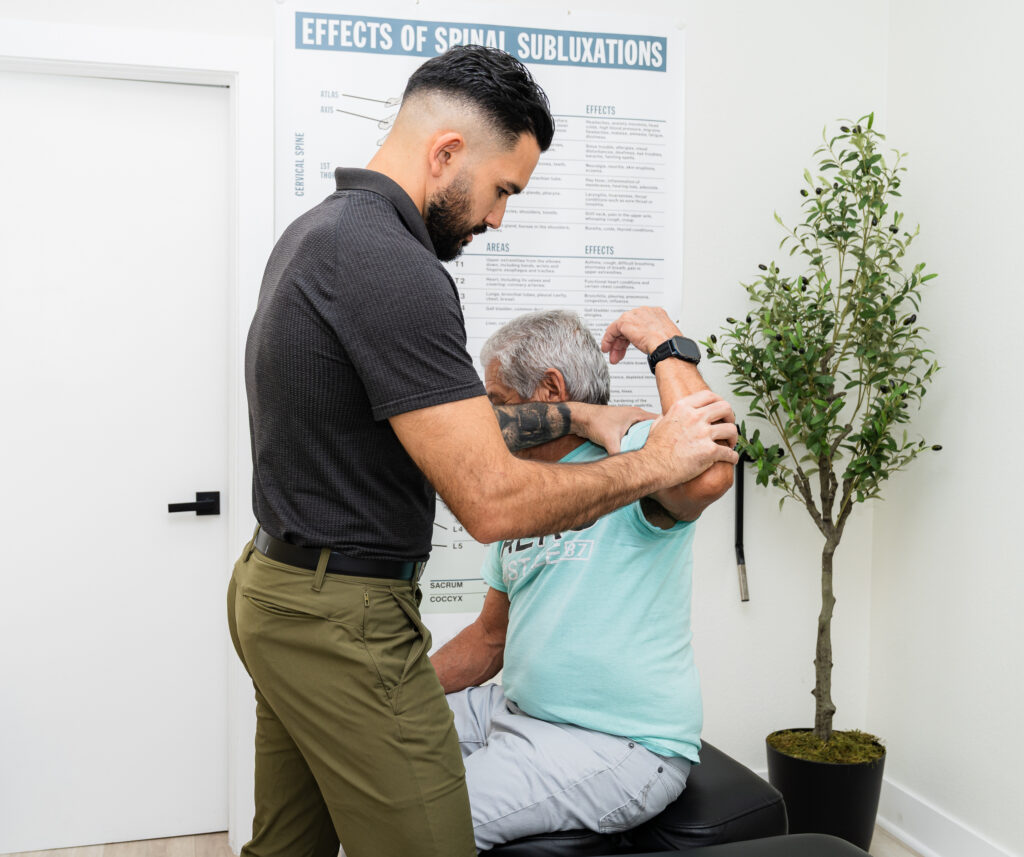
As a chiropractor, I focus on creating personalized treatment plans tailored to your specific needs. Through gentle adjustments and targeted physical therapy techniques, we can help restore your range of motion and improve your strength.
Incorporating exercises that promote flexibility and stability is crucial for healing. These techniques not only aid in recovery but also help prevent future injuries by addressing any underlying musculoskeletal imbalances.
Let’s delve into how chiropractic care and these natural healing methods can accelerate your recovery and get you back to doing what you love—playing the game!
Personalized Treatment Plans
As a local chiropractor dedicated to your recovery from sports injuries, I want to emphasize the importance of personalized treatment plans that incorporate natural healing techniques.
These plans are specifically designed to address your individual needs, ensuring a targeted approach to your healing journey. Here are four essential components to consider when developing your personalized chiropractic care plan:
- Comprehensive Assessment: We begin with a detailed evaluation of your injury and overall physical health. This helps us pinpoint the specific areas that require attention and sets the foundation for your recovery.
- Goal Setting: It’s vital to establish clear and attainable goals for your recovery. These goals won’t only guide our treatment plan but also keep you motivated throughout the healing process.
- Chiropractic Techniques: We’ll utilize a variety of natural healing methods, including spinal adjustments, soft tissue therapy, and rehabilitation exercises. These techniques work together to promote healing, reduce pain, and restore function.
- Ongoing Progress Monitoring: Regular check-ins will allow us to track your improvements and make any necessary adjustments to your treatment plan. This ensures that you’re on the best path to optimal recovery.
Strengthening and Flexibility Exercises
As a local chiropractor, I want to emphasize the importance of incorporating strengthening and flexibility exercises into your recovery plan.
These exercises are crucial for enhancing your healing process and preventing future injuries. By focusing on rebuilding muscle strength and improving your range of motion, you can make it easier to return to your favorite activities and sports.
I recommend starting with low-impact strength training that targets the area affected by your injury. As you begin to heal, you can gradually increase the intensity of these exercises.
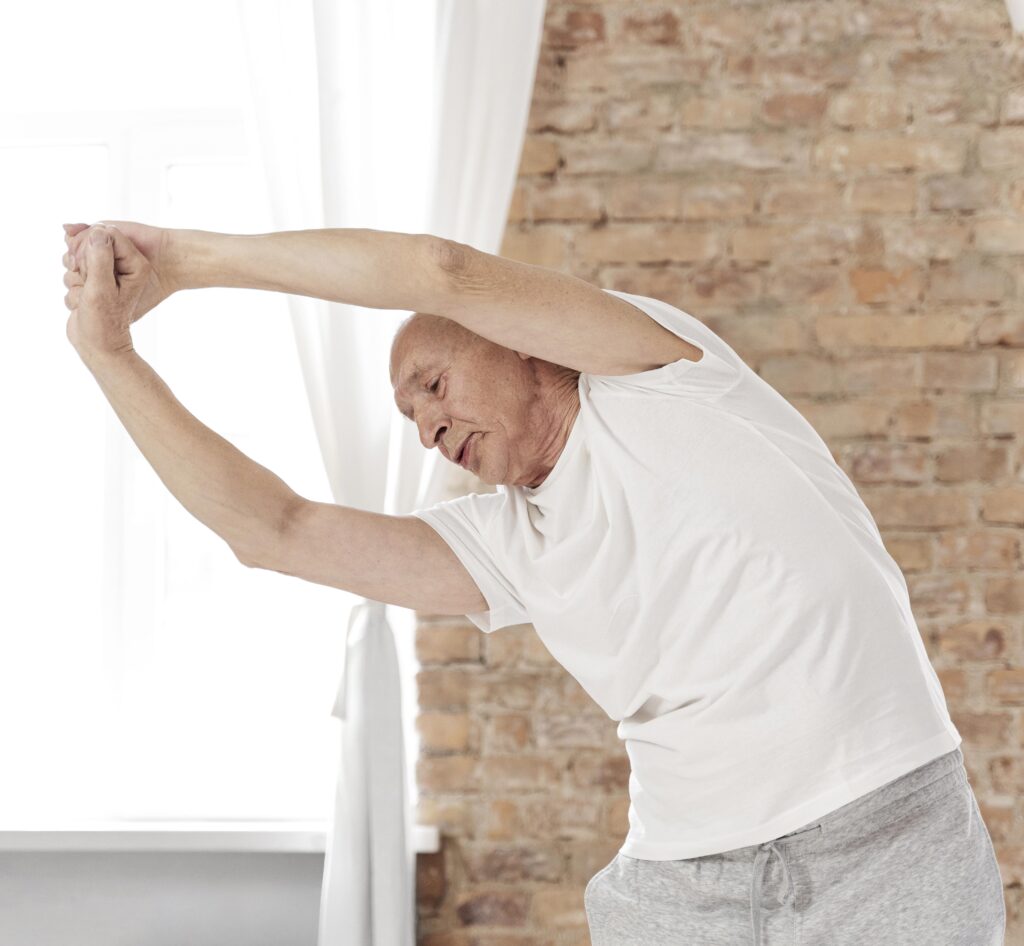
Additionally, incorporating stretching routines will help maintain your flexibility and reduce muscle stiffness, which is essential for overall mobility.
Working with a physical therapist can also be beneficial, as they can provide you with tailored exercises that meet your specific needs.
It’s important to listen to your body throughout this process; if anything feels uncomfortable or painful, don’t hesitate to adjust your routine accordingly.
Ultimately, consistent practice of these exercises not only aids in your recovery but also prepares your body for the demands of your sport.
Incorporate Strength and Flexibility Training
As a local chiropractor, I understand that recovering from a sports injury can be quite a hurdle. However, I want to emphasize the importance of incorporating strength and flexibility training into your rehabilitation plan. This approach can significantly accelerate your healing process while also fortifying your body against future injuries.
Here are some key components I recommend:
- Targeted Strength Exercises: It’s essential to focus on the specific muscle groups that support the injured area. By rebuilding strength in these muscles, you can promote healing and restore function.
- Dynamic Stretching: Integrating movements that enhance flexibility is crucial. Dynamic stretching prepares your body for activity and helps reduce stiffness, making it easier to return to your favorite sports or activities.
- Core Stability Work: A strong core is the foundation of overall body balance. By strengthening your core, you provide better support for your body, which can greatly aid in your injury recovery.
- Progressive Overload: To ensure you continue to make progress, gradually increasing the intensity and resistance of your workouts is key. This method promotes continuous improvement while minimizing the risk of overstraining your injury.
Incorporating these elements into your rehabilitation not only enhances your recovery but also builds resilience, paving the way for a healthier, stronger you.
If you’re unsure where to start or need guidance, don’t hesitate to reach out to my office for personalized advice tailored to your needs.
Manage Pain and Inflammation Effectively
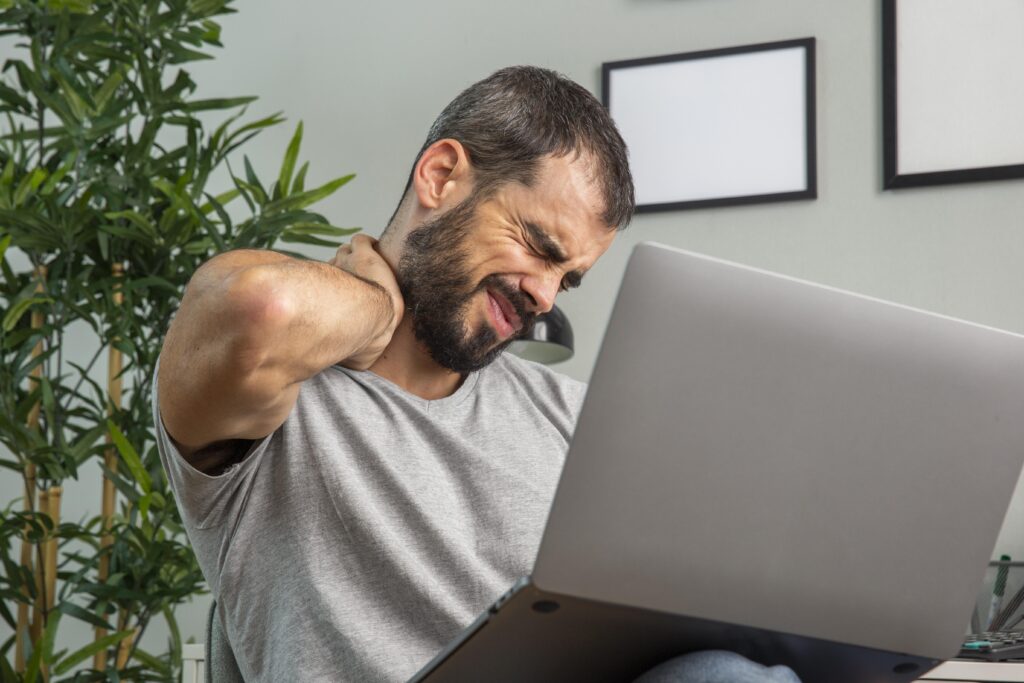
As a local chiropractor dedicated to your health and recovery, I want to emphasize the importance of managing pain and inflammation effectively. These factors can significantly impede your healing journey, so it’s crucial to address them properly.
One of the first steps you can take is to apply ice to the affected area for 15-20 minutes multiple times a day. This simple technique not only helps reduce swelling but also numbs the pain, providing you with some immediate relief.
Additionally, elevating the injured limb can greatly assist in minimizing inflammation. This is a natural way to promote better circulation and reduce pressure in the affected area.
Don’t overlook the role of over-the-counter pain relievers, such as ibuprofen or acetaminophen. These can be useful tools, but it’s vital to adhere to the recommended dosages to ensure your safety.
Compression wraps can also be beneficial. They provide support to the injured area and help control swelling.
As you begin to experience relief, consider incorporating gentle stretching and mobility exercises into your routine. These activities can enhance circulation and reduce stiffness, but always listen to your body. If you notice that your pain intensifies, it’s best to consult with a healthcare professional, like myself, who can offer personalized advice tailored to your specific needs.
Gradually Return to Sports Activities
As a local chiropractor dedicated to your health and recovery, I want to guide you through the important process of gradually returning to your sports activities after managing pain and inflammation.
This step is crucial for your long-term well-being, and I encourage you to approach it with care. Here’s a straightforward guide to help you ease back into your sport:
- Begin with Low-Impact Activities: Start with gentle exercises such as walking, swimming, or cycling. These activities are excellent for rebuilding strength while minimizing stress on your injury.
- Increase Intensity Gradually: Once you feel more comfortable, gradually increase the intensity and duration of your workouts. This gradual progression allows your body to adapt without risking further injury.
- Incorporate Sport-Specific Drills: When you’re ready, introduce drills that replicate the movements of your sport, but keep the intensity low at first. This will help your body reacclimate to the specific demands of your activity.
- Listen to Your Body: It’s essential to stay attuned to how your body feels throughout this process. If you encounter any discomfort or pain, please scale back your activities and consult with me or another healthcare professional.
Conclusion
As a local chiropractor, I want to emphasize that recovering from sports injuries is a journey that requires time and commitment. It’s essential to prioritize rest to allow your body to heal properly. Following a structured rehabilitation program is crucial, and I encourage you to consider incorporating chiropractic care into your recovery. This natural approach can help restore function and alleviate pain.
Nutrition also plays a vital role in your healing process, so make sure to fuel your body with the right nutrients. Don’t overlook the benefits of physical therapy and strength training; these methods can significantly aid in regaining your fitness and stability.
Managing pain effectively is important, and I can guide you on various natural methods to do so. As you begin to ease back into your activities, listen to your body and take it slow. With the right support and care, you’ll find yourself back on the field, not just as you were, but even stronger. Your health is a priority, and together, we can ensure a successful recovery.