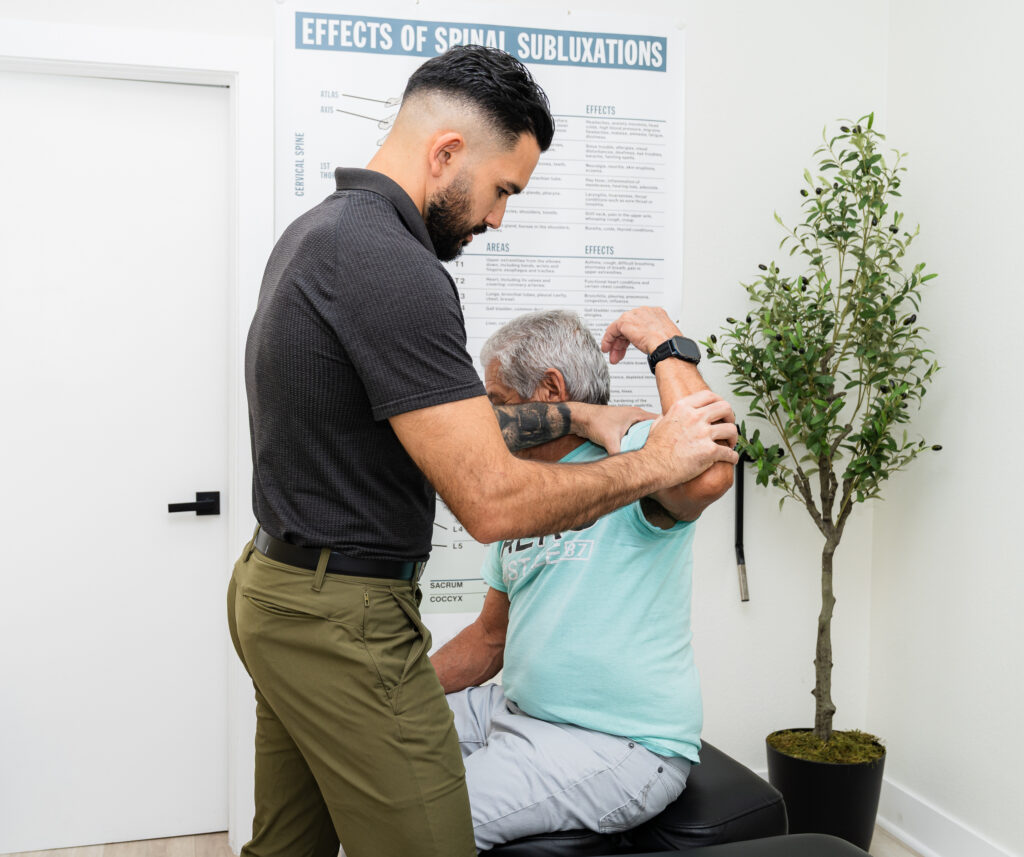

As a local chiropractor, I want to assure you that if you’re experiencing muscle strain or back pain, you’re not alone. Many individuals face discomfort that can hinder their daily activities. The good news is that there are effective strategies that can help alleviate your pain and support your recovery in a natural way.
Through chiropractic care, we can address the root causes of your pain rather than just masking the symptoms. Simple lifestyle adjustments, such as improving your posture and incorporating ergonomic practices, can make a significant difference. Additionally, I recommend specific targeted exercises tailored to your condition, which can help strengthen your back and improve flexibility.
Let’s work together to take control of your pain and enhance your overall well-being. It’s time to explore how chiropractic care can be a valuable part of your journey to recovery.
Rest and Recovery
As a local chiropractor, I want to emphasize the importance of rest and recovery when dealing with muscle strains or back pain. It’s crucial for your body to have the time it needs to heal, so please listen to what it’s telling you. Avoid any strenuous activities that could worsen your discomfort. Instead, find a comfortable position, whether that’s lying down or sitting with good support, to help your body relax.
I recommend incorporating short rest periods throughout your day. This can greatly enhance your healing process. Pay close attention to any signals your body may be giving you—if something hurts, it’s best not to push through that pain. Gentle movements or stretching can be beneficial, provided they don’t exacerbate your discomfort.
Additionally, maintaining a balanced diet rich in nutrients is vital for your recovery. Don’t forget about hydration! Drinking plenty of water is essential for keeping your tissues healthy and aiding in the healing process.
Ice and Heat Therapy
As a local chiropractor, I often see patients struggling with muscle strain or back pain.
One of the most effective methods I recommend for relief is the combination of ice and heat therapy. Ice therapy is fantastic for reducing inflammation and numbing any sharp pain you might be experiencing.
On the other hand, heat therapy works wonders by relaxing tight muscles and enhancing blood circulation to the affected areas.
Let me guide you on how to apply these techniques effectively to maximize your relief.
Remember, understanding how to use these natural healing methods can be a game changer in your journey to recovery.
If you have any questions or need personalized advice, feel free to reach out during your visit!
Benefits of Ice Therapy
As a local chiropractor, I want to share some valuable insights about ice therapy and its remarkable benefits for managing muscle strain and back pain, particularly during the early stages of an injury.
When you apply ice to the affected area, it plays a crucial role in reducing inflammation and swelling, which can significantly speed up your recovery process. The cold temperature works by constricting blood vessels, helping to alleviate pain and numb any sharp sensations you might be experiencing.
Additionally, ice therapy is effective in preventing further tissue damage by regulating the inflammatory response.
For optimal results, I recommend using a cold pack or ice wrapped in a cloth for about 15-20 minutes every hour. It’s important to avoid placing ice directly on your skin to prevent frostbite.
Advantages of Heat Treatment
After you’ve utilized ice therapy to help manage inflammation and pain, let’s discuss the benefits of incorporating heat treatment into your recovery routine.
As a chiropractor, I often emphasize the importance of natural healing methods, and heat therapy can play a crucial role in your recovery. Here are four key advantages to consider:
- Increases Blood Flow: Heat therapy works by dilating blood vessels, which enhances circulation throughout your body. This increased blood flow is vital as it delivers essential nutrients and oxygen to the tissues that are healing.
- Relaxes Muscles: Applying heat can significantly reduce muscle tension. This relaxation not only helps improve flexibility but also alleviates stiffness, making it easier for you to move and engage in daily activities.
- Alleviates Pain: The soothing warmth of heat therapy can effectively disrupt pain signals being sent to your brain. This means that you may experience a reduction in discomfort, allowing you to feel more at ease as you recover.
- Enhances Healing: With better circulation and relaxed muscles, your body can heal more efficiently. This means that by incorporating heat treatment, you may notice an accelerated recovery process, helping you return to your normal routine sooner.
By integrating heat treatment into your healing journey, you can significantly enhance your comfort and mobility.
As your chiropractor, I encourage you to explore these natural methods to support your overall health and well-being.
Application Techniques Explained
As a chiropractor dedicated to helping you understand your body and its healing processes, I want to share some essential techniques for managing muscle strain and back pain effectively through ice and heat therapy.
When using ice therapy, it’s important to wrap ice packs in a cloth before applying them to the affected area. This should be done for about 15-20 minutes every hour. Ice therapy is great for reducing inflammation and numbing pain, but be sure to avoid placing ice directly on your skin to prevent any potential damage.
On the other hand, heat therapy can be incredibly soothing for muscle tension. You can use a warm towel or a heating pad, applying it for 15-30 minutes. Just make sure the heat is warm and not too hot to avoid burns. This treatment can be repeated several times throughout the day.
Always listen to your body while applying these therapies. If you notice any increase in pain, it’s best to pause the treatment.
By mastering these simple techniques, you’ll not only promote healing but also find effective relief from discomfort as you embark on your journey toward better health and wellness.
Gentle Stretching Exercises
As a local chiropractor, I understand that many of you may feel hesitant to move when dealing with muscle strain or back pain. However, I want to assure you that gentle stretching exercises can play a vital role in alleviating discomfort and improving your overall flexibility.
By incorporating these stretches into your daily routine, you can’t only promote healing but also enhance your overall well-being. Here are some gentle stretches I recommend for you to consider:
- Cat-Cow Stretch: Begin on all fours, allowing your body to flow with your breath. Arch your back while inhaling (this is the Cow position), and then round your back while exhaling (the Cat position). This stretch helps mobilize your spine.
- Child’s Pose: Kneel comfortably on the floor, sit back on your heels, and extend your arms forward while lowering your chest towards the ground. This position encourages relaxation and gently stretches your back.
- Seated Forward Bend: Sit with your legs extended in front of you. Reach towards your toes while maintaining a straight back, and hold the position for a few breaths. This stretch can help in lengthening your spine and improving hamstring flexibility.
- Spinal Twist: Sit cross-legged and place one hand on the opposite knee. Gently twist your torso, which can enhance spinal mobility and relieve tension in your back.
As you engage in these stretches, remember to breathe deeply and tune in to your body’s signals.
It’s important to listen to your body and only stretch to a comfortable limit. Incorporating these gentle movements into your routine can support your journey toward natural healing and improved health.
Strengthening Your Core
As a local chiropractor, I want to emphasize the importance of strengthening your core for the health of your back and overall stability. Many people may not realize that a strong core is fundamental to maintaining proper posture and reducing strain on your spine.
By incorporating specific core exercises into your daily routine, you can create a solid foundation for your body.
Let me share some essential movements that can help you develop a stronger core. These exercises not only support your back but also contribute to your overall well-being.
A robust core can lead to improved balance, reduced pain, and a healthier lifestyle. If you’re new to chiropractic care, I encourage you to consider how these core-strengthening practices can complement your journey toward natural healing.
Together, we can work towards a healthier, pain-free you!
Importance of Core Strength
As a local chiropractor, I want to emphasize the crucial role that core strength plays in your overall health and well-being. Many of my patients are surprised to learn that a strong core can significantly contribute to body stability and injury prevention, particularly when it comes to back issues.
Let’s discuss some of the key benefits of developing your core strength, which can enhance your chiropractic care and support your journey to better health:
- Improved Posture: A strong core is fundamental for maintaining proper alignment of your spine. This can alleviate unnecessary pressure on your back, making it easier for you to sit, stand, and move comfortably.
- Enhanced Balance: Core stability is essential for improving your balance, which is especially important as we age. A strong core can help prevent falls and related injuries, allowing you to move with confidence.
- Increased Power: When your core muscles are strong, you can perform physical activities with greater ease and efficiency. This not only enhances your performance in everyday tasks but also supports your overall physical health.
- Pain Reduction: Many patients come to me with back pain, and one of the effective ways to alleviate this discomfort is by strengthening the core. A strong core helps distribute forces evenly throughout your body, reducing strain on your back and promoting healing.
Investing in your core strength is a proactive step towards better health and a reduced risk of injury.
As your chiropractor, I’m here to support you on this journey through personalized care and guidance. Let’s work together to build a stronger foundation for your health!
Effective Core Exercises
As a local chiropractor, I want to emphasize the importance of building a strong core for overall health and wellness. Incorporating effective core exercises into your routine isn’t just about aesthetics; it plays a crucial role in improving your stability and supporting your spine.
One of the best exercises to start with is the plank. This exercise engages multiple muscle groups simultaneously, helping to create a strong foundation for your body. I recommend holding the plank position for 30 seconds to a minute, and as your strength increases, you can gradually extend that time.
Another excellent exercise is the Russian twist. To perform this, sit on the floor, lean back slightly, and rotate your torso from side to side while keeping your core tight. This movement not only strengthens your abdominal muscles but also enhances your balance and coordination.
Bicycle crunches are another effective option that targets your obliques and boosts your endurance. As you perform these, be mindful of your form to avoid any strain on your back.
Lastly, I suggest incorporating bridges into your routine. This exercise is fantastic for strengthening your lower back and glutes, both of which are essential for maintaining proper posture and preventing discomfort.
I recommend performing these exercises two to three times a week. By doing so, you’ll likely notice improved strength and stability, which can help alleviate back pain and reduce the risk of future injuries.
Maintaining Proper Posture
As a local chiropractor, I want to emphasize the importance of building a strong core for your overall health and well-being. Not only does a strong core enhance your workouts, but it also plays a crucial role in maintaining proper posture during your daily activities.
When your core is well-developed, it helps your body align properly, which can significantly reduce strain on your back and muscles. Here are some key tips I recommend to help you maintain good posture:
- Engage Your Core: Make it a habit to keep your abdominal muscles slightly tightened throughout the day. This will provide natural support for your spine.
- Adjust Your Workspace: Ensure that your chair and desk are set at the correct heights. This is essential for keeping your spine aligned while you work or use your computer.
- Use Supportive Footwear: Choose shoes that offer good support and cushioning. This helps maintain your balance and can prevent unnecessary strain on your feet and lower back.
- Take Regular Breaks: Remember to stand up and stretch every hour. This simple practice can relieve tension and help reset your posture.
By incorporating these tips into your daily routine, you can promote better posture and overall spinal health.
If you have any questions or need further guidance, feel free to reach out during your next visit!
Proper Posture Awareness
As a local chiropractor, I want to share with you the importance of maintaining proper posture for your overall health and well-being. Many people may not realize that good posture is crucial for preventing muscle strain and alleviating back pain. When you sit or stand, it’s important that your body is properly aligned to minimize stress on your muscles and spine.
When you’re seated, remember to keep your shoulders relaxed and your back straight. Ensure your feet are flat on the floor and that your knees form a right angle. Choosing a chair that offers support for your lower back can make a significant difference.
While standing, try to distribute your weight evenly across both feet and avoid locking your knees. It’s a good idea to periodically check in with your posture throughout the day, as it’s easy to fall into poor habits.
Additionally, consider strengthening your core muscles; they play a vital role in supporting your spine.
By being mindful of your posture, you not only create a stronger foundation for your body but also help reduce discomfort and enhance your overall well-being. If you have any questions or would like guidance on how to improve your posture, feel free to reach out during your next visit.
Your journey to natural healing starts with awareness!
Over-the-Counter Pain Relief
As a local chiropractor, I often see patients dealing with muscle strain or back pain. While seeking relief, many turn to over-the-counter pain relief options, which can be a quick fix but aren’t always the best long-term solution.
It’s important to understand that these medications can help reduce inflammation and alleviate pain temporarily, but they don’t address the underlying issues that may be contributing to your discomfort. Here are some common options you might encounter:
- Ibuprofen: This nonsteroidal anti-inflammatory drug (NSAID) is effective at reducing inflammation and alleviating pain, but it’s essential to understand it can also have side effects if used long-term.
- Acetaminophen: This is a pain reliever that doesn’t have anti-inflammatory properties, making it suitable for general discomfort, but again, it’s a temporary measure.
- Naproxen: Similar to ibuprofen, naproxen is another NSAID that often provides longer-lasting relief, but like all medications, it should be used with caution.
- Topical analgesics: Creams or patches containing menthol or capsaicin can provide localized pain relief without the need for oral medications, which some patients find beneficial.
While these options can provide temporary relief, I encourage you to consider chiropractic care and natural healing methods.
Chiropractic adjustments can help restore alignment, improve mobility, and promote your body’s natural healing processes. Always follow recommended dosages with over-the-counter medications and consult with a healthcare provider if you have concerns.
Your comfort and well-being are our top priority!
Hydration and Nutrition
As a local chiropractor, I want to emphasize the importance of hydration and proper nutrition in your recovery process from muscle strain and back pain.
Staying well-hydrated by drinking plenty of water and opting for nutrient-rich meals can significantly support your muscles and enhance your overall health.
Additionally, being mindful of meal timing ensures that your body receives the necessary fuel exactly when it needs it most, which is crucial for effective healing.
Importance of Water Intake
As your chiropractor, I want to emphasize the critical role that proper hydration plays in your muscle recovery and overall health, particularly if you’re experiencing muscle strain or back pain. Staying well-hydrated isn’t just about thirst; it’s a vital part of your healing process.
Let’s explore some of the key benefits of drinking enough water:
- Reduces Inflammation: Water is essential in flushing out toxins from your body, which can help decrease swelling and inflammation in areas affected by pain.
- Improves Flexibility: Adequate hydration keeps your muscles and joints well-lubricated, which can significantly enhance your range of motion—important for recovery and daily activities.
- Boosts Energy Levels: When you’re properly hydrated, you’re less likely to feel fatigued. This allows you to participate in gentle exercises that are beneficial to your recovery.
- Supports Nutrient Transport: Water plays a crucial role in delivering essential nutrients to your muscles, helping to facilitate quicker and more effective recovery.
I encourage you to make it a habit to drink enough water throughout the day. This simple practice can greatly support your journey towards better health and recovery.
If you have any questions about hydration or how it relates to your chiropractic care, feel free to ask!
Nutrient-Rich Foods
As your local chiropractor, I want to emphasize the vital connection between hydration, nutrition, and your overall health, particularly when dealing with muscle strain or back pain. A well-balanced diet rich in essential nutrients plays a crucial role in helping your body heal more efficiently.
Incorporating a variety of fruits and vegetables into your meals is key, as they’re loaded with antioxidants that can help reduce inflammation in your body. Lean proteins, such as chicken, fish, and legumes, are critical for muscle repair, while whole grains provide the necessary energy to keep you active and support your recovery.
Don’t overlook the importance of healthy fats, which can be found in foods like avocados and nuts. These fats not only contribute to overall wellness but also play a role in the healing process.
Equally important is staying hydrated, as water helps transport these vital nutrients throughout your body, ensuring that your muscles and tissues receive the support they need to recover.
Timing of Meals
As a local chiropractor, I want to emphasize that while you might be focusing on what you eat, the timing of your meals plays a crucial role in your overall hydration and nutrition, particularly when you’re recovering from issues like muscle strain or back pain.
Here are some helpful tips to optimize your meal timing for better healing and wellness:
- Opt for Smaller, Frequent Meals: Rather than consuming large meals, try to have smaller portions spread throughout the day. This approach can help sustain your energy levels and support your recovery process.
- Hydrate Before Meals: Make it a habit to drink water before you eat. This not only aids digestion but also ensures that your body stays well-hydrated, which is vital for healing.
- Prioritize Post-Workout Nutrition: After exercising, it’s important to refuel your body within 30 minutes with a mix of protein and carbohydrates. This will help accelerate your recovery and repair any muscle strain.
- Avoid Late-Night Eating: Eating too close to bedtime can interfere with your sleep quality, which is essential for healing. Try to finish your meals earlier in the evening to support better rest and recovery.
By paying attention to when you eat, alongside what you eat, you can enhance your recovery and overall health.
If you have any questions or need personalized advice, feel free to reach out during your next visit!
Massage Therapy
When it comes to managing muscle strain and back pain, chiropractic care can be a transformative approach to healing. Our treatments not only focus on relieving tension but also on enhancing your body’s natural ability to heal itself. By addressing misalignments and restrictions in your spine and joints, we can improve blood flow and nerve function, which are crucial for recovery.
As your local chiropractor, I encourage you to explore various therapeutic techniques that can complement your treatment plan. Options like spinal manipulation, soft tissue therapy, and therapeutic exercises are designed to target specific areas of discomfort.
Additionally, I often recommend self-care practices, such as stretching and using foam rollers, to help alleviate tightness and soreness between visits.
Incorporating chiropractic care into your wellness routine can significantly aid in your recovery process and contribute to your overall health. It’s important to communicate openly during our sessions about your pain levels and the areas that are bothering you.
Regular chiropractic adjustments can help reduce your symptoms and play a key role in preventing future injuries. So, I invite you to consider chiropractic care as a vital part of your journey toward better health and well-being!
Mindfulness and Relaxation Techniques
As your local chiropractor, I want to share some valuable insights on how you can enhance your recovery from muscle strain and back pain beyond just chiropractic adjustments.
Incorporating mindfulness and relaxation techniques into your routine can significantly aid in your healing process. These practices not only help reduce stress but also improve your mental well-being, which is essential for physical recovery.
Here are some effective techniques you might consider:
- Deep Breathing: Take a moment to focus on your breath. Inhale deeply through your nose, hold for a moment, and then exhale slowly through your mouth. This simple practice helps calm your nervous system and can ease tension.
- Progressive Muscle Relaxation: This technique involves tensing and then relaxing each muscle group, starting from your toes and working your way up to your head. By doing this, you can become more aware of where you’re holding tension in your body and learn how to release it.
- Meditation: Even just a few minutes of meditation each day can make a difference. Find a quiet spot, sit comfortably, and concentrate on a single thought or mantra. This practice can enhance your sense of well-being and help you manage pain better.
- Gentle Yoga: Engaging in gentle stretches and yoga poses can improve your flexibility and alleviate tension in your back, promoting better alignment and recovery.
By integrating these mindfulness and relaxation techniques into your daily routine, you can create a more holistic healing experience that complements the chiropractic care we provide.
When to Seek Professional Help
As a local chiropractor, I want to help you understand when it’s essential to seek professional assistance for your muscle strain or back pain.
If your discomfort lasts longer than a few days, it’s a strong indication that you should reach out to a healthcare professional. Ignoring pain that intensifies or spreads, especially if it’s accompanied by numbness or tingling in your legs, can lead to more significant issues.
If you find yourself struggling to stand, walk, or carry out your daily activities, it’s important to seek help without delay.
Additionally, symptoms like swelling, bruising, or a reduced range of motion are clear signals that a professional evaluation is needed.
Remember, being proactive about your health is crucial. Early intervention can prevent more serious complications down the road.
Trust your instincts—if something doesn’t feel right, I encourage you to connect with a chiropractor or another healthcare provider.
We’re here to offer personalized guidance and support to help you achieve optimal health and wellness. Your journey to feeling better starts with taking that first step!
Conclusion
As a local chiropractor, I want to share some valuable insights on how you can alleviate muscle strain and back pain naturally. Integrating these tips into your daily routine can significantly improve your comfort and well-being. First and foremost, it’s essential to listen to your body—if you’re feeling discomfort, make rest a priority.
Incorporating gentle stretches and core strengthening exercises can help support your spine and reduce tension. Maintaining good posture throughout your day is also crucial; it can make a world of difference in how your body feels. Additionally, a balanced diet plays a key role in your overall health, providing the nutrients your muscles and joints need to function optimally.
Don’t underestimate the benefits of relaxation techniques, such as deep breathing or meditation, which can help manage pain and reduce stress. If your discomfort persists or worsens, I highly recommend consulting with a professional like myself. We can assess your individual situation and provide tailored care to help you find relief. Take proactive steps for your health today, and let’s work together towards a pain-free future!