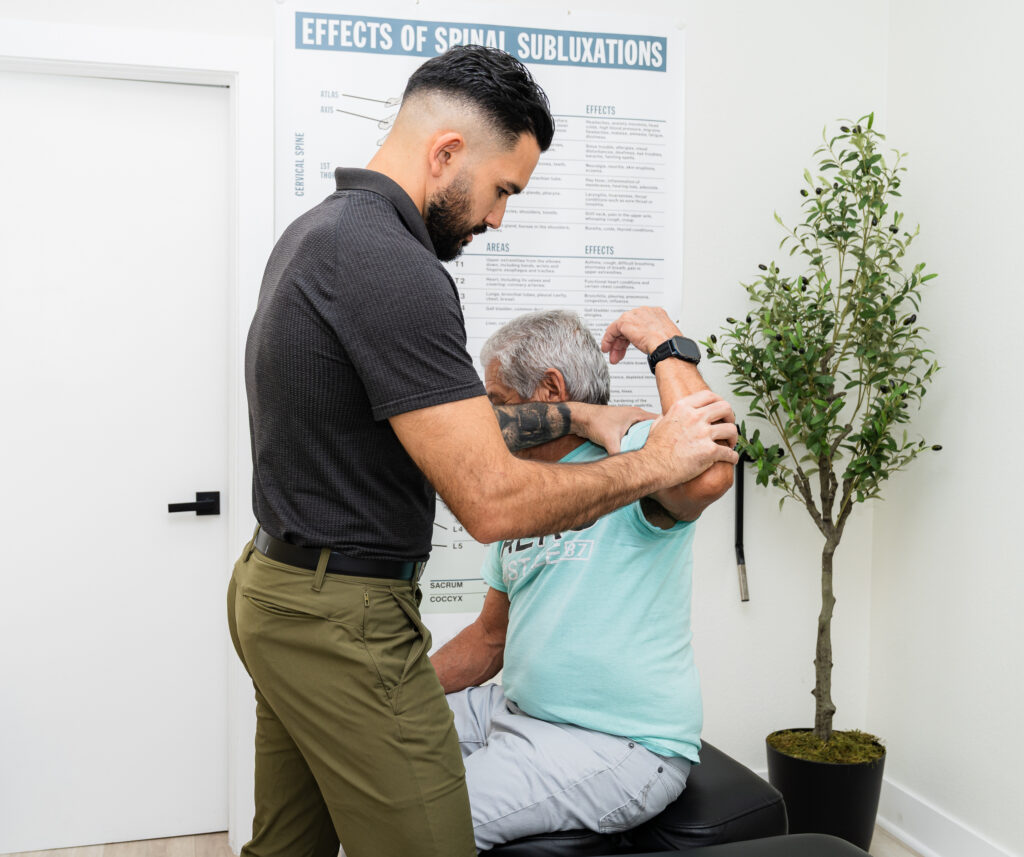

If you’ve ever felt the discomfort of stiffness, you know how it can impact your daily life. Luckily, there are holistic approaches that can help you address this issue from various angles, and chiropractic care is at the forefront of these methods. By focusing on spinal health and overall wellness, chiropractic care not only alleviates stiffness but also promotes optimal body function.
One effective strategy is to incorporate regular chiropractic adjustments into your routine. These adjustments can help restore proper alignment to your spine, which may reduce stiffness and improve mobility. It’s a gentle and natural approach that encourages your body to heal itself without the need for medications or invasive procedures.
In addition to chiropractic care, you can enhance your recovery through mindful movement practices such as yoga or tai chi. These gentle exercises nurture flexibility and strengthen your body while promoting relaxation. By combining these practices with chiropractic care, you can create a powerful routine that supports your spine and overall well-being.
Nutrition also plays a vital role in managing stiffness. Consider incorporating anti-inflammatory foods into your diet, such as leafy greens, fatty fish, and nuts. These foods can help reduce inflammation in your body, further enhancing the benefits of your chiropractic treatments.
Here are some simple tips you can easily incorporate into your daily life to help alleviate stiffness:
- Stay Active: Aim for regular movement throughout your day, whether it’s a brisk walk or gentle stretching. This keeps your joints lubricated and muscles engaged.
- Maintain Good Posture: Being mindful of your posture, especially when sitting for long periods, can greatly impact your spinal health. Invest in ergonomic furniture if possible.
- Stay Hydrated: Drinking plenty of water helps keep your joints lubricated and supports overall health.
- Prioritize Sleep: Adequate rest is essential for your body’s recovery process. Ensure you have a comfortable sleeping environment to promote restorative sleep.
- Schedule Regular Chiropractic Visits: Consistency is key! Regular visits to your chiropractor can help maintain your spinal health and prevent stiffness from returning.
By embracing these holistic strategies and prioritizing chiropractic care, you can pave the way to a healthier, more flexible life. Remember, you don’t have to manage stiffness on your own—there are effective, natural solutions available to you!
Understanding Stiffness Discomfort: Causes and Effects
When you experience stiffness, it’s often your body’s way of signaling that something isn’t quite right. This discomfort can arise from various causes, including overuse, injury, or even simply sitting for too long without a break. If you push your body too hard during workouts or remain inactive for extended periods, your muscles and joints can tighten, leading to that persistent feeling of stiffness.
Other factors, such as dehydration and poor posture, can also contribute to your discomfort. When you don’t drink enough water, your muscles may become less supple, which can increase stiffness. Similarly, poor posture can place unnecessary strain on your muscles and joints, making them feel tight and sore.
The effects of stiffness extend beyond just physical sensations; they can interfere with your daily activities and overall well-being. You might struggle with simple tasks, which can lead to frustration. Fortunately, understanding these causes is the first step to alleviating stiffness and regaining your comfort.
One of the best ways to address stiffness is through chiropractic care. A chiropractor can help identify the underlying issues contributing to your discomfort and work with you to develop a personalized treatment plan. Adjustments and other chiropractic techniques can improve your spinal alignment, enhance mobility, and promote natural healing in your body.
In addition to chiropractic care, here are some simple tips to help reduce stiffness:
- Stay Hydrated: Make sure to drink enough water throughout the day to keep your muscles hydrated and flexible.
- Maintain Good Posture: Be mindful of your posture, especially when sitting for long periods. Consider using ergonomic furniture and take breaks to stretch and move around.
- Incorporate Stretching: Gentle stretching can help loosen tight muscles and improve your range of motion. Aim for a short stretching routine daily.
- Get Regular Exercise: Regular physical activity helps keep your muscles and joints healthy. Find activities you enjoy, whether it’s walking, swimming, or yoga.
- Listen to Your Body: If you feel stiffness, don’t ignore it. Take the time to rest and recover, and consult with a chiropractor for guidance.
The Role of Yoga in Enhancing Flexibility
Yoga is a fantastic practice for enhancing flexibility, which can significantly alleviate stiffness and discomfort in your body. By incorporating a variety of poses and stretches, yoga helps to gradually improve your range of motion and reduce tightness in your muscles. As you move through each posture, you’ll also be encouraged to focus on your breath, fostering a deeper connection between your body and mind.
Regular yoga practice can lead to noticeable improvements in flexibility, especially in key areas like your hips, hamstrings, and shoulders. This increased flexibility not only makes daily activities more comfortable but can also help lower your risk of injuries, which is where chiropractic care can play an important role.
Chiropractic adjustments can complement your yoga practice by ensuring that your spine and joints are properly aligned, further enhancing your mobility and overall well-being. By addressing misalignments, chiropractic care helps to relieve tension in your muscles and improve your body’s functioning, allowing you to fully benefit from your yoga practice.
In addition to yoga, it’s essential to cultivate mindfulness and body awareness. By tuning into your body’s needs, you can better understand how to support your flexibility and overall health. Whether you’re new to yoga or have been practicing for a while, there are many styles to explore, making it accessible for everyone.
To maximize the benefits of your yoga practice and chiropractic care, here are some general tips:
- Stay Consistent: Regular practice is key to seeing improvements in flexibility.
- Listen to Your Body: Pay attention to how your body feels during poses and adjust as needed.
- Incorporate Breathing Techniques: Deep, mindful breathing can enhance your practice and help you relax.
- Stay Hydrated: Proper hydration supports muscle function and recovery.
- Consult with Your Chiropractor: Discuss your yoga practice with your chiropractor to ensure you’re aligning your movements with your spinal health.
Mindfulness and Meditation Techniques for Relief
Incorporating mindfulness and meditation into your daily routine can significantly enhance the benefits you receive from chiropractic care. These practices allow you to connect with your body and become more aware of stiffness and discomfort without judgment.
To get started, set aside just a few minutes each day for mindfulness. Find a quiet space, sit comfortably, and focus on your breath. Pay attention to how your body feels as you inhale and exhale. This awareness will help you identify areas of tension that may benefit from chiropractic adjustments.
For meditation, consider trying guided sessions that emphasize body scans or progressive muscle relaxation. As you move through your body in your mind, consciously release any tightness you encounter. Visualization techniques can also be helpful—imagine warmth and light soothing your stiffness.
Regular practice of these mindfulness and meditation techniques not only helps reduce discomfort but also fosters a sense of calm and resilience, empowering you to manage stiffness and pain more effectively in your daily life.
Remember, chiropractic care is an excellent choice for addressing pain and discomfort naturally. By combining chiropractic adjustments with mindfulness and meditation, you can achieve optimal health and wellness.
Take these simple steps to nurture your body and mind, and you’ll be on your way to a healthier, more balanced life.
Nutritional Strategies to Combat Inflammation
To combat inflammation and stiffness, focusing on your diet can make a significant difference in your overall health and wellness. As a chiropractor, I believe that nutrition plays a crucial role in supporting your body’s natural healing processes. By incorporating anti-inflammatory foods and essential nutrients into your meals, you can enhance recovery and boost your overall well-being.
Let’s explore some nutritional strategies that can empower you on your wellness journey while complementing the benefits of chiropractic care:
- Embrace Whole Foods: Prioritize whole, unprocessed foods in your diet. Fresh fruits and vegetables, whole grains, and lean proteins not only nourish your body but also help reduce inflammation. Foods like leafy greens, berries, and fatty fish are particularly known for their anti-inflammatory properties.
- Healthy Fats are Key: Incorporate healthy fats such as avocados, nuts, seeds, and olive oil. These fats are essential for reducing inflammation and can help support joint health, making them a great addition to your meals.
- Stay Hydrated: Drinking plenty of water is vital for maintaining optimal health. Hydration helps in flushing out toxins and supports your body’s natural functions, which can ease stiffness and discomfort.
- Spice it Up: Certain spices like turmeric and ginger have powerful anti-inflammatory effects. Adding these spices to your dishes can enhance their flavor while providing health benefits.
- Mind Your Portions: Eating balanced portions can prevent overeating and help maintain a healthy weight, which is crucial for reducing stress on your joints and spine.
- Listen to Your Body: Pay attention to how different foods make you feel. Keeping a food diary can help you identify which foods may trigger inflammation or discomfort.
Remember, while nutrition is a key component of your wellness journey, regular chiropractic care is essential for achieving optimal health. Chiropractic adjustments can help improve spinal alignment, reduce pain, and enhance your body’s ability to heal naturally.
Anti-Inflammatory Foods
A vibrant plate filled with colorful fruits and vegetables can work wonders for reducing inflammation in your body, which is essential for maintaining a healthy spine and overall well-being. Foods like berries, spinach, and avocados aren’t only delicious but are also rich in antioxidants and healthy fats that combat inflammation. By incorporating these into your meals, you can support your body’s natural healing processes, complementing the benefits of chiropractic care.
Don’t overlook the benefits of fatty fish like salmon and sardines; they’re loaded with omega-3 fatty acids that help reduce inflammation and promote joint health. Adding spices like turmeric and ginger to your dishes can also provide powerful anti-inflammatory effects, easing stiffness and discomfort.
As you focus on these anti-inflammatory foods, it’s important to avoid processed foods, sugary snacks, and excessive salt, which can trigger inflammation and lead to discomfort. Instead, prioritize whole, nutrient-dense options that fuel your body and support your spine.
By making these delicious and nutritious choices a staple in your diet, you not only alleviate stiffness but also boost your energy levels and improve your mood.
Essential Nutrients for Recovery
While incorporating anti-inflammatory foods into your diet is important, it’s equally vital to understand the essential nutrients that can bolster your recovery process. As a chiropractor, I emphasize the importance of supporting your body’s natural healing abilities, and nutrition plays a significant role in that.
First, ensure you’re getting enough omega-3 fatty acids. These healthy fats, found in fish like salmon and plant sources like walnuts, are known for their ability to reduce inflammation, which is crucial for healing.
Next, consider the benefits of vitamin D. This nutrient is key for supporting your immune function and can be obtained through sunlight exposure or fortified foods. Remember, a strong immune system is your body’s first line of defense in recovery.
Antioxidants, such as vitamins C and E, are also important in protecting your cells from damage. Foods rich in these vitamins—think citrus fruits and nuts—can help maintain your overall health and support recovery.
Don’t overlook magnesium, which plays a significant role in muscle relaxation and reducing stiffness. You can find magnesium in leafy greens and various nuts, making them a great addition to your meals.
Lastly, staying properly hydrated is essential for overall recovery. Water helps transport nutrients and keeps your body functioning optimally.
By incorporating these nutrients into your daily diet, you’re not only supporting your recovery but also enhancing your overall well-being.
And remember, regular chiropractic care complements these nutritional strategies by ensuring your spine is aligned and your nervous system is functioning at its best. Together, they can help you achieve optimal health and a pain-free life.
Alternative Therapies: Acupuncture and Massage
When considering ways to improve your overall well-being and alleviate stiffness, exploring alternative therapies like acupuncture and massage can be helpful.
However, as a local chiropractor, I want to emphasize that chiropractic care is one of the most effective methods for achieving optimal health and pain relief.
Chiropractic care focuses on aligning the spine and ensuring your nervous system functions at its best. By addressing misalignments, or subluxations, in the spine, chiropractic adjustments can help reduce discomfort, improve mobility, and enhance your body’s natural healing ability.
Many patients report significant relief from stiffness and an increased range of motion after receiving chiropractic treatments.
While acupuncture involves inserting thin needles into specific points to stimulate energy flow, and massage therapy manipulates soft tissues to relieve tension, these methods are often complementary to chiropractic care rather than substitutes.
Chiropractic adjustments can provide a solid foundation for your health, allowing other therapies to be more effective when needed.
To complement your chiropractic care, here are some general tips to promote better spinal health and overall wellness:
- Stay Active: Engage in regular physical activity, such as walking, stretching, or low-impact exercises, to keep your muscles strong and your spine flexible.
- Maintain Good Posture: Pay attention to your posture while sitting, standing, and lifting. Proper alignment can help prevent stiffness and discomfort.
- Hydrate: Drink plenty of water to keep your body hydrated and support the health of your spinal discs.
- Practice Stress Management: Incorporate relaxation techniques like deep breathing, yoga, or meditation into your routine to reduce tension in your body.
- Rest Well: Ensure you get enough restorative sleep each night to aid in recovery and maintain your overall health.
By incorporating chiropractic care into your wellness routine and following these simple tips, you can take significant strides towards feeling more comfortable and agile in your daily life.
The Importance of Regular Movement and Stretching
Regular movement and stretching are essential for maintaining flexibility and reducing stiffness in your body. As a chiropractor, I see firsthand how prioritizing daily movement can lead to significant improvements in overall well-being. Incorporating these practices not only enhances your physical health but also supports your spinal alignment and overall function.
Let’s delve into some effective stretching techniques and simple ways to integrate movement into your daily routine. Remember, chiropractic care is a natural and holistic approach to achieving optimal health and can greatly complement your efforts in staying active.
- Gentle Neck Stretches: Start your day with some neck stretches. Tilt your head side to side and forward to back to relieve tension. This can help maintain proper spinal alignment and reduce discomfort.
- Shoulder Rolls: Roll your shoulders forward and backward for a few repetitions. This simple movement can alleviate tightness and improve your range of motion, which is crucial for a healthy spine.
- Spinal Twists: While sitting or standing, gently twist your torso from side to side. This helps maintain spinal flexibility and can also enhance digestion.
- Incorporate Movement Breaks: Set a timer to remind yourself to stand up and move every hour. Stretch, walk around, or do light exercises to keep your body energized and your spine healthy.
- Practice Good Posture: Be mindful of your posture during daily activities. This can significantly impact your spinal health and overall comfort. Consider chiropractic adjustments to help maintain proper alignment.
- Breath Work: Combine deep breathing with your stretches. Inhale deeply as you stretch, and exhale as you relax into the stretch. This helps to reduce stress, which is beneficial for both your mind and body.
By making these small adjustments to your daily routine, you can enhance your flexibility, reduce stiffness, and support your spine’s health.
Benefits of Daily Movement
Incorporating daily movement into your routine can significantly enhance your overall well-being and help alleviate stiffness, especially in your spine. Engaging in regular physical activity not only helps you burn calories but also boosts circulation and increases flexibility—key factors for maintaining a healthy spine. Simple activities like a brisk walk, a short dance session, or even household chores can keep your body moving and reduce muscle tension.
When you move your body, you’re not just improving your physical health; you’re also positively impacting your mood. Movement stimulates the release of endorphins, those feel-good hormones that promote happiness. This is particularly important for your overall wellness and can help you feel more energized throughout the day.
Establishing a daily movement habit is crucial for enhancing not only your energy levels but also your sleep quality. Quality sleep is essential for your body to repair itself and for your spine to stay healthy. By prioritizing daily movement, you’re investing in your long-term health and reducing the risk of chronic conditions that can affect your spine and overall quality of life.
As a chiropractor, I encourage you to look at movement as a vital part of your wellness journey. Remember, it doesn’t have to be a strenuous workout; even light activities can be beneficial. If you’re experiencing pain or discomfort, adding gentle stretches and mobility exercises can be particularly helpful.
Always listen to your body, and consider scheduling regular chiropractic adjustments to support your movement and maintain spinal health. Together, we can work towards a more vibrant, pain-free life. So, get moving every day and make your spine a priority!
Effective Stretching Techniques
While daily movement is essential for overall well-being, effective stretching techniques are vital in enhancing flexibility and alleviating stiffness. As a chiropractor, I want to emphasize that incorporating these techniques into your routine can support spinal health and overall wellness.
Before engaging in any physical activity, consider using dynamic stretches like arm circles and leg swings. These movements prepare your muscles and joints for movement, reducing the risk of injury.
After your activity, it’s beneficial to perform static stretches, such as hamstring and quadriceps stretches. These help lengthen your muscles and release built-up tension, contributing to a healthier spine.
When you stretch, aim to hold each position for at least 15-30 seconds. During this time, focus on deep breathing, which promotes relaxation and helps your body better respond to the stretch. Always listen to your body; if a stretch causes pain, ease back.
In addition to these stretches, practices like yoga and Pilates can be excellent for combining stretching with strength training, further supporting your spinal health. By making these techniques a regular part of your routine, you’ll likely notice improved mobility and a decrease in stiffness over time.
Remember, chiropractic care is an exceptional option for achieving optimal health and pain relief. Regular adjustments can enhance your body’s function, complementing your stretching routine and promoting natural healing.
Make these practices a part of your wellness journey, and you’ll be on your way to a healthier, more flexible life.
Incorporating Movement Into Routine
Movement is vital for your overall health and plays a significant role in reducing stiffness and discomfort. As a chiropractor, I want to emphasize that incorporating regular movement into your daily routine can greatly enhance your flexibility and overall well-being. Simple activities like walking, cycling, or swimming are excellent ways to keep your body active.
Even small changes, like choosing the stairs over the elevator, can contribute positively to your health.
In addition to regular movement, don’t underestimate the power of stretching exercises. These can help loosen tight muscles and improve your range of motion. Aim to include a combination of dynamic stretches before your activities and static stretches afterward to keep your muscles supple.
Always listen to your body; if something doesn’t feel right, it’s important to ease back and not push through the pain.
Consistency is crucial. By prioritizing movement in your life, you’ll not only enhance your mobility and reduce stiffness but also promote your overall wellness.
Remember, chiropractic care is an excellent way to support your journey toward a more active lifestyle. Regular adjustments can help keep your spine aligned and your body functioning optimally, making it easier for you to stay active and enjoy life.
Embrace this proactive approach to health, and feel the positive changes in your body and mind.
Creating a Personalized Holistic Wellness Plan
Creating a personalized holistic wellness plan is essential for enhancing overall well-being, especially when dealing with stiffness. As a chiropractor, I believe that addressing the root cause of discomfort is key to finding lasting relief. Start by evaluating your daily habits, including your diet, exercise routine, sleep patterns, and stress levels. This self-assessment will help you identify areas for improvement and set achievable wellness goals.
A balanced diet is crucial for reducing inflammation and promoting healing. Focus on incorporating plenty of fruits, vegetables, and healthy fats into your meals. These foods can help nourish your body and support joint health.
Movement is also vital for maintaining flexibility and strength. Consider engaging in low-impact activities like yoga or swimming. These exercises not only promote physical health but also align with chiropractic principles by encouraging proper posture and spinal alignment.
In addition to physical activity, practicing mindfulness techniques can help manage stress, which is known to worsen stiffness. Simple practices like meditation or deep breathing exercises can help you relax and promote a sense of calm.
Don’t underestimate the importance of restorative sleep. Quality sleep allows your body to recover and is a key component of overall wellness. Aim for a consistent sleep schedule and create a restful environment to improve your sleep quality.
Lastly, consulting with a chiropractor can provide you with personalized care tailored to your specific needs. Chiropractic adjustments and therapies can effectively relieve pain, improve mobility, and promote natural healing processes within your body.
Conclusion
Incorporating holistic approaches is essential for reducing stiffness discomfort and enhancing your overall well-being. As a chiropractor, I believe that chiropractic care is one of the most effective ways to achieve optimal health. By focusing on spinal alignment and mobility, you can alleviate discomfort and promote natural healing.
To create a powerful toolkit for relief, consider combining chiropractic care with regular movement, anti-inflammatory nutrition, and practices like yoga and mindfulness. Chiropractic adjustments can help restore proper function to your spine, allowing your body to move more freely and reducing tension throughout your muscles.
Here are some general tips to help you on your journey to better health:
- Stay Active: Engage in gentle, regular movement. This could be as simple as daily walks or stretching exercises. Keeping your body active helps maintain flexibility and reduces stiffness.
- Nutrition Matters: Incorporate anti-inflammatory foods into your diet, such as fruits, vegetables, nuts, and fatty fish. These foods can help reduce inflammation and support healing.
- Practice Mindfulness: Techniques such as deep breathing or meditation can help manage stress, which often contributes to muscle tension. Taking a few moments each day to focus on your breath can make a significant difference.
- Yoga for Flexibility: Incorporating yoga into your routine can improve flexibility and strength. Many yoga poses promote spinal health while also relieving tension in tight muscles.
- Tailor Your Wellness Plan: Remember, each person is unique, and your wellness plan should reflect your individual needs. Consult with your chiropractor to develop a personalized approach that works best for you.
By embracing these strategies and prioritizing chiropractic care, you can improve your flexibility, reduce tension, and enjoy a more active, pain-free life. Start your journey towards better health today, and take control of your well-being naturally!