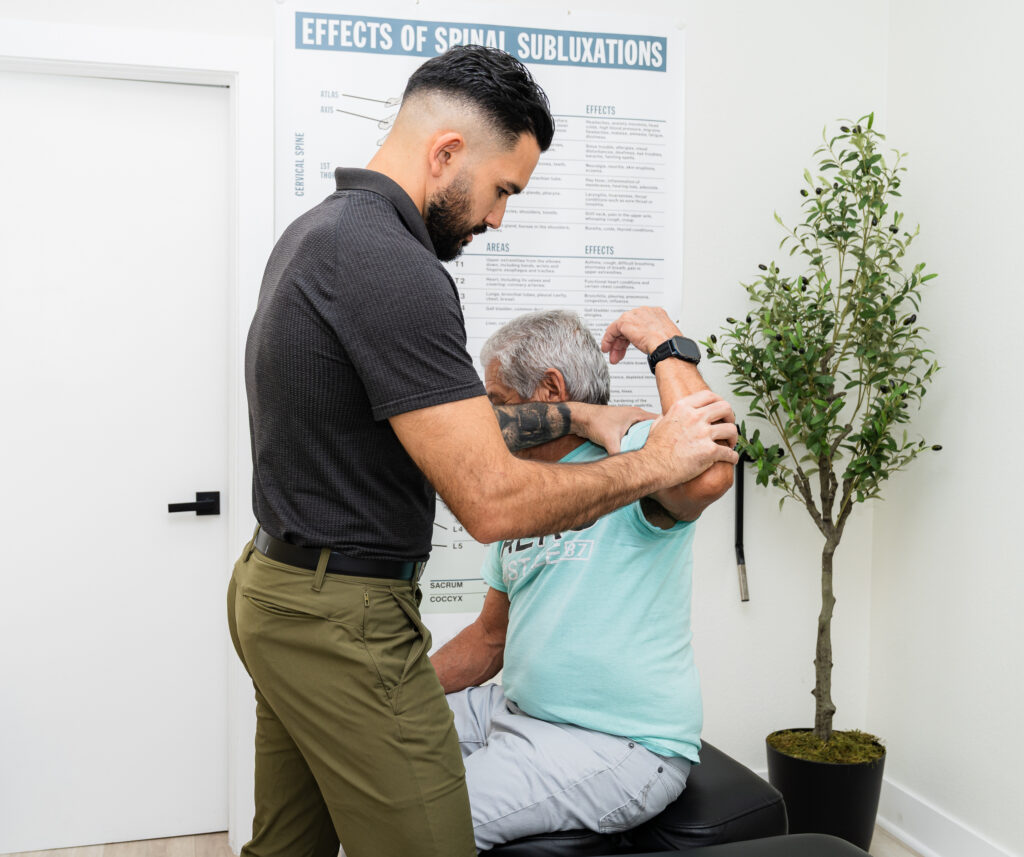

You might not realize how much your posture impacts your daily life. When your alignment is off, it can lead to chronic pain and discomfort, making even the simplest tasks feel daunting. By focusing on your posture, you can alleviate strain on your muscles and joints, paving the way for a healthier body.
As a chiropractor, I want to emphasize how crucial good posture is in managing pain. Key factors that influence your posture include the alignment of your spine, your muscle strength, and even your daily habits. By understanding these elements, you can begin to improve your posture and, in turn, your overall well-being.
Here are some simple tips to help you enhance your posture:
- Be Mindful of Your Alignment: Whether sitting at a desk or standing, keep your shoulders back, your chest open, and your head aligned over your spine.
- Strengthen Your Core: A strong core supports your spine. Incorporate exercises that strengthen your abdominal and back muscles to promote better posture.
- Take Frequent Breaks: If you sit for long periods, make it a habit to stand up, stretch, and move around every 30 minutes. This helps reduce tension and keeps your body limber.
- Use Ergonomic Furniture: Invest in a chair that supports your lower back and a desk that allows you to maintain a neutral position.
- Consider Chiropractic Care: Regular chiropractic adjustments can help correct misalignments in your spine and improve your posture. This natural approach not only addresses pain but also promotes overall health and wellness.
By concentrating on your posture, you can take significant steps toward reducing pain and enhancing your quality of life. Remember, a healthy spine is the foundation for a healthy body, and chiropractic care is here to guide you on that journey.
The Impact of Posture on Musculoskeletal Health
When you think about your daily activities, it’s important to recognize how much your posture impacts your musculoskeletal health. Good posture is essential for keeping your spine aligned naturally, which reduces strain on your muscles and ligaments. When you sit or stand correctly, you distribute your body weight evenly, which helps minimize stress on your joints. This simple adjustment can’t only prevent discomfort but also enhance your overall physical performance.
On the other hand, poor posture can lead to imbalances that result in muscle fatigue and tension. If you often find yourself slouching or leaning forward, some muscles may become overworked while others weaken, creating a cycle of pain and discomfort. By being mindful of your posture throughout the day—whether you’re working at your desk or engaging in physical activities—you can support your musculoskeletal system and promote healing.
As a chiropractor, I encourage you to make small changes to improve your posture and overall well-being. For example, adjusting your chair height to ensure your feet are flat on the floor can have a positive impact.
Additionally, taking frequent movement breaks to stretch and walk around can help alleviate tension. Remember, chiropractic care is a natural and effective way to address pain and enhance your health. By incorporating good posture habits and seeking regular chiropractic adjustments, you can enjoy a healthier, more active lifestyle.
Common Postural Issues and Their Consequences
Many people unknowingly develop common postural issues that can have a significant impact on their health. You might find yourself slouching at your desk or craning your neck to look at your phone—both of which can create imbalances in your body. Rounded shoulders, for instance, can lead to strain in your upper back and neck, causing discomfort over time.
If you spend hours sitting without proper lumbar support, you may experience lower back pain, which can limit your mobility and overall quality of life. Forward head posture is another common issue that can lead to tension headaches and jaw discomfort. Additionally, if you often cross your legs while sitting, you might experience hip misalignment or even sciatica. Recognizing these issues early is crucial; they can snowball into more severe problems if left unaddressed.
Chiropractic care offers a natural and effective way to address these postural concerns. Regular adjustments can help realign your spine and improve your posture, which can lead to significant pain relief and enhanced overall well-being.
Here are some general tips you can incorporate into your daily routine to help improve your posture and reduce discomfort:
- Mind Your Desk Setup: Ensure your computer screen is at eye level, and your chair provides adequate lumbar support. Keep your feet flat on the floor to maintain proper alignment.
- Take Breaks: If you sit for long periods, take short breaks every 30 minutes to stand, stretch, and move around. This helps keep your muscles engaged and reduces stiffness.
- Strengthen Your Core: Engaging in exercises that strengthen your core muscles can support your spine and improve your posture.
- Be Mindful of Your Phone: When using your phone, try to bring it to eye level instead of bending your neck down, which can help prevent forward head posture.
- Cross with Care: If you prefer crossing your legs while sitting, try to alternate which leg you cross to avoid hip misalignment.
How Poor Posture Contributes to Chronic Pain
Poor posture can sneak up on you, leading to chronic pain that disrupts your daily life. When you slouch or hunch over, you’re not just affecting how you look; you’re putting unnecessary stress on your muscles and joints. This can create a cycle where discomfort becomes a constant part of your routine, making it harder to enjoy life to the fullest.
Here are some ways poor posture contributes to chronic pain and how chiropractic care can help:
- Increased muscle tension: Slouching forces your muscles to work harder to keep you upright, leading to fatigue and soreness. Chiropractic adjustments can relieve this tension, helping your muscles relax and function better.
- Misalignment of the spine: Poor posture can lead to spinal misalignment, which may compress nerves and cause pain that radiates to other areas of your body. A chiropractor can realign your spine, alleviating pressure on those nerves and reducing pain.
- Reduced circulation: Sitting or standing poorly can impede blood flow, leading to numbness and tingling. Chiropractic care improves spinal alignment, enhancing circulation and promoting overall wellness.
- Joint strain: Misalignment puts additional pressure on joints, increasing the risk of arthritis and joint pain. Regular chiropractic adjustments can help maintain proper alignment, reducing wear and tear on your joints.
- Impaired breathing: Slouching compresses your lungs, which can decrease oxygen intake and increase stress. By improving your posture through chiropractic care, you can breathe easier and feel more relaxed.
To improve your posture and overall health, consider these simple tips:
- Be mindful of your posture: Regularly check in with your body throughout the day. Sit up straight and keep your shoulders back.
- Take breaks: If you sit for long periods, stand up, stretch, and walk around every 30 minutes to relieve tension.
- Strengthen your core: Engaging in exercises that strengthen your core will support your spine and promote better posture.
- Use ergonomic furniture: Ensure that your workspace is set up to support good posture, with your chair, desk, and computer at the right height.
- Schedule regular chiropractic visits: Consistent adjustments can help maintain your spinal health and prevent pain from returning.
The Role of Ergonomics in Posture Improvement
Understanding ergonomic principles is vital for enhancing your posture and alleviating discomfort. As a local chiropractor, I want to emphasize how important it’s to create a workspace that supports your spine’s natural alignment. By using the right tools and making a few adjustments, you can significantly improve your comfort and productivity.
Start by ensuring your chair supports your lower back, keeping your feet flat on the floor and your knees at a 90-degree angle. Your computer screen should be at eye level to prevent straining your neck. Simple changes like these can help you maintain a healthy posture throughout the day.
Incorporating regular movement into your routine is also essential. Take short breaks to stand, stretch, or walk around. These small actions can relieve tension and promote better posture.
Remember, chiropractic care is a powerful ally in achieving and maintaining optimal health. Regular adjustments can help align your spine, reduce pain, and improve your overall well-being.
Understanding Ergonomic Principles
When you prioritize ergonomics in your daily routines, you’re taking a significant step toward enhancing your posture and alleviating discomfort. Understanding ergonomic principles can help you create a comfortable environment that fosters better alignment and body mechanics, which is essential for overall health and wellness.
Here are some key aspects to consider for a healthier lifestyle, with an emphasis on the benefits of chiropractic care:
- Neutral Position: Aim to keep your joints in a natural position to minimize strain. This is crucial for maintaining spinal health, and regular chiropractic adjustments can help ensure your spine remains aligned.
- Support: Choose chairs and tools that provide proper support for your back and limbs. An ergonomic chair can promote good posture and reduce the risk of discomfort, while chiropractic care can address any misalignments caused by poor seating.
- Workspace Design: Arrange your workspace to minimize reaching and twisting. A well-organized workspace can prevent strain on your body, and visiting a chiropractor can help you understand how to maintain a healthy posture while working.
- Movement: Incorporate regular movement breaks to counteract prolonged sitting. Simple stretches or short walks can invigorate your body, and your chiropractor can guide you on exercises that support spinal health.
- Awareness: Stay mindful of your posture throughout the day. Being aware of your body mechanics can help you make necessary adjustments, and a chiropractor can provide personalized strategies to keep your spine healthy.
By integrating these ergonomic principles into your daily life and considering chiropractic care as a vital component of your health journey, you can achieve lasting relief from pain and promote natural wellness.
Workplace Setup Solutions
Creating an ergonomic workspace is crucial for maintaining good posture and overall spinal health. As a chiropractor, I want to share some simple tips to help you set up a workspace that supports your body and promotes natural healing.
Start with your chair—it should provide good support for your lower back. This support can help prevent slouching and reduce the risk of developing back pain. Your feet should be able to rest flat on the floor; if they don’t, consider using a footrest.
Next, focus on the height of your desk. Ideally, it should allow your elbows to bend comfortably at a 90-degree angle when typing. This alignment can help reduce strain on your shoulders and neck.
Speaking of your monitor, position it at eye level. This way, you can maintain a neutral neck position and avoid unnecessary strain. Keep your monitor about an arm’s length away to further reduce any risk of discomfort.
Don’t overlook the placement of your keyboard and mouse. They should be positioned close enough so you don’t have to reach for them, which can lead to wrist and shoulder issues over time.
Lastly, remember that regular breaks and stretches are essential for keeping your body moving. Taking time to stand up, stretch, and move around can help prevent stiffness and discomfort.
Incorporating these habits into your daily routine not only supports your spine but also enhances your overall productivity.
By making these simple adjustments, you can foster a healthier work environment and support your journey toward optimal health. Chiropractic care is a fantastic way to complement these efforts, helping to relieve pain and promote natural wellness.
Prioritize your spinal health today!
Tools for Posture Support
When it comes to living a healthier life and maintaining good spinal health, the right tools for posture support are essential. As a chiropractor, I often emphasize the importance of aligning your body properly to prevent pain and promote overall wellness.
By investing in ergonomic tools, you can enhance your posture and reduce the risk of discomfort.
Here are some essential tools to consider for better posture:
- Ergonomic chairs: These chairs are designed to support your lower back and encourage proper alignment. They can make a world of difference in how you feel throughout the day.
- Standing desks: Alternating between sitting and standing is beneficial for your spine. Standing desks promote movement and help keep your body engaged, which can alleviate discomfort associated with prolonged sitting.
- Footrests: A simple footrest can help keep your legs in a healthy position, reducing strain on your lower back and enhancing your posture.
- Posture correctors: These tools gently remind you to maintain proper alignment. Using a posture corrector can help reinforce good habits, especially if you find yourself slouching during long hours at a desk.
- Laptop stands: Elevating your laptop to eye level can significantly reduce neck strain. This small adjustment can help you avoid discomfort and support your spinal health.
In addition to these tools, remember that regular chiropractic care is one of the best ways to achieve and maintain optimal health.
It helps to ensure your spine is aligned, which can lead to improved function and reduced pain. Incorporating these posture-support tools into your daily routine, combined with regular visits to your chiropractor, can guide you towards a healthier, pain-free life.
Always prioritize your spinal health, and take steps to create an environment that supports your well-being.
Exercises and Stretches for Better Posture
To enhance your posture, it’s crucial to incorporate effective stretching techniques and strengthen your core muscles. These exercises not only help alleviate discomfort but also promote better alignment throughout your body, which is essential for overall health.
As a chiropractor, I believe that chiropractic care is the best way to achieve optimal health and wellness.
Let’s explore some practical routines that can truly make a difference in how you stand and move. Remember, maintaining good posture isn’t just about looking good; it also plays a vital role in your spinal health and can prevent future pain and discomfort.
Start with simple stretches like neck rolls and shoulder shrugs to release tension in your upper body. Strengthening your core with exercises like planks and bridges can provide the support your spine needs while you go about your day.
Focus on activities that promote balance and flexibility, as they can enhance your overall posture.
Incorporating these practices into your daily routine can lead to significant improvements. Always listen to your body, and if you experience persistent discomfort, consider visiting a chiropractor.
We can provide personalized care and guidance to help you achieve a pain-free, healthy lifestyle naturally. Remember, good posture is a journey, and every small step counts!
Effective Stretching Techniques
Effective stretching techniques are vital for enhancing your posture and alleviating discomfort, and they complement the benefits of chiropractic care beautifully. By integrating these stretches into your daily routine, you can maintain a healthy spinal alignment and relieve tension naturally, supporting your overall wellness.
Here are some stretches you can easily incorporate:
- Chest Opener: Stand tall with your feet shoulder-width apart. Clasp your hands behind your back and gently pull your shoulders down and back. This stretch not only opens your chest but also promotes better posture, which is crucial for a healthy spine.
- Neck Stretch: Whether you’re sitting or standing, tilt your head to one side, holding for about 15 seconds. This simple motion can significantly relieve neck tension, especially if you spend long hours at a desk. Remember, a well-aligned neck is essential for overall spinal health.
- Cat-Cow Stretch: Get on all fours and alternate between arching your back (like a cat) and rounding it (like a cow). This movement helps mobilize your spine, enhancing flexibility and reducing stiffness, which is beneficial for those who may experience discomfort in their back.
- Child’s Pose: Kneel and sit back on your heels, stretching your arms forward. This pose allows you to relax your back and can be particularly soothing after a long day. It’s a great way to take a break and reset your body, especially if you’re feeling tight.
- Hamstring Stretch: Sit with one leg extended in front of you. Lean forward and reach for your toes to loosen tight hamstrings. Stretching these muscles can improve your overall mobility and support your spine’s alignment.
Incorporating these stretches into your daily routine not only enhances your posture but also supports your chiropractic care.
Strengthening Core Muscles
Strengthening your core muscles is vital for maintaining good posture and preventing discomfort in your daily life. A strong core provides support for your spine and helps align your body correctly, which is essential for both your overall health and well-being. Simple exercises like planks, bridges, and bird-dogs can effectively engage your core muscles and start you on the path to a stronger back.
In addition to strengthening exercises, incorporating gentle stretches such as cat-cow and child’s pose can enhance flexibility and help relieve tension. These movements not only promote a healthy spine but also contribute to a more relaxed and balanced body.
As you become more comfortable, consider adding stability ball exercises or Pilates to further challenge your core. Consistency is important—aim for two to three sessions each week.
Remember, a strong core doesn’t just improve your posture; it also reduces the risk of injury, allowing you to live a more active and fulfilling life.
Focusing on proper form during your exercises can maximize the benefits, keeping your back healthy and strong.
As a chiropractor, I encourage you to view strengthening your core as a natural step toward pain management and overall wellness. Chiropractic care complements these efforts beautifully, allowing your body to heal naturally and achieve optimal health without the need for medications or surgeries.
Prioritize your spinal health, and you’ll pave the way for a happier, healthier you!
Mindfulness and Body Awareness for Postural Correction
While many individuals face challenges with poor posture due to their daily habits, embracing mindfulness and body awareness can play a crucial role in correcting these issues. By tuning into your body, you can easily notice when you’re slouching or holding tension, which is essential for maintaining a healthy spine.
Here are some practical strategies to enhance your awareness and support your journey toward better posture:
- Practice deep breathing: This simple technique not only helps you relax but also encourages proper alignment of your spine. When you breathe deeply, your body naturally finds its optimal position.
- Perform body scans: Take a moment to check in with different parts of your body, from your head to your toes. This practice helps you identify areas of tension that may be contributing to poor posture.
- Engage in yoga or tai chi: Both of these practices promote body awareness, improve flexibility, and strengthen the muscles that support your spine. They’re excellent complements to chiropractic care, helping you maintain the benefits of your adjustments.
- Set reminders: Use alarms or sticky notes in your workspace to remind you to check your posture throughout the day. A gentle nudge can help reinforce good habits.
- Reflect on your emotions: Stress and anxiety can lead to poor posture as we tend to tense our muscles when we’re overwhelmed. Recognizing these feelings and taking time to relax can contribute greatly to a healthier posture.
Incorporating these practices into your daily routine can lead to significant improvements in your posture and overall well-being.
The Benefits of Professional Guidance in Posture Training
Engaging in mindful practices can lay the groundwork for improving your posture, but seeking professional guidance from a chiropractor can elevate your training significantly. A qualified chiropractor will assess your unique posture and pinpoint specific areas that need attention. They’ll provide personalized strategies tailored to your body’s needs, ensuring you’re on the right path to better alignment and overall health.
With chiropractic support, you’ll learn effective exercises and techniques that strengthen weak muscles and gently stretch tight ones, promoting better posture and spinal health. Plus, having a chiropractor guide you can help prevent the development of bad habits that may hinder your progress.
Regular check-ins with your chiropractor can also keep you motivated and accountable, making it easier to incorporate posture training into your daily routine. Not only does investing in chiropractic care accelerate your improvement, but it also fosters a deeper understanding of how good posture is linked to your overall well-being.
To enhance your posture on your own, consider simple tips like being mindful of your sitting position, taking breaks to stretch throughout the day, and being aware of your body’s alignment while standing or walking.
Making these small changes can lead to significant improvements in how you feel. Commit to better posture today, and you’ll likely notice positive changes in no time!
Posture and Its Influence on Mental Well-Being
Your posture does more than just impact your physical health; it significantly influences your mental well-being as well. As a chiropractor, I want to emphasize how maintaining good posture can lead to positive changes in your mood and mindset.
Here’s how proper alignment can uplift your mental state and support your journey to optimal health:
- Boosts Confidence: When you stand tall with your shoulders back, it can enhance your self-assurance. This simple adjustment can make a world of difference in how you feel about yourself.
- Reduces Stress: Good posture helps alleviate tension in your body, which can lead to a calmer mind. By keeping your spine aligned, you not only support your physical health but also create a serene mental state.
- Enhances Mood: Proper alignment is linked to increased feelings of happiness and positivity. When your body feels good, your mind often follows suit.
- Improves Focus: Sitting or standing correctly aids in sharpening your concentration and productivity. A well-aligned spine allows your nervous system to function optimally, which is essential for maintaining focus throughout your day.
- Encourages Motivation: Adopting a strong posture can inspire you to approach tasks with enthusiasm. When you feel physically empowered, it translates into a greater desire to take on challenges.
To help you maintain good posture, here are some simple tips:
- Be Mindful: Regularly check in with your posture. Are your shoulders relaxed? Is your back straight? Small adjustments can make a big difference.
- Strengthen Your Core: Engage in exercises that strengthen your core muscles. A strong core supports better posture and overall spinal health.
- Take Breaks: If you sit for long periods, make sure to stand up and stretch every hour. This can help reduce tension and reset your posture.
- Use Ergonomic Furniture: Consider using chairs and desks that promote good posture. An ergonomic setup can significantly reduce strain on your spine.
- Practice Relaxation Techniques: Incorporate stress-reducing activities like deep breathing or yoga, which can help you maintain a relaxed posture.
By focusing on your posture and incorporating chiropractic care into your wellness routine, you can achieve not only pain relief but also enhance your mental well-being naturally.
Long-Term Strategies for Maintaining Good Posture
As a local chiropractor, I want to emphasize the important connection between posture and mental well-being, and how adopting long-term strategies can support both. Maintaining good posture is essential not just for physical health, but also for reducing stress and improving mood.
First and foremost, be aware of your posture throughout the day. Simple reminders can make a big difference. Whether you’re sitting at your desk, standing while cooking, or walking down the street, take a moment to check your alignment. Are your shoulders relaxed? Is your back straight? These small adjustments can help you feel more comfortable and centered.
Incorporating regular stretching and strengthening exercises into your routine is also beneficial. Focus on your core, back, and shoulder muscles, as they play a crucial role in supporting your posture. Activities like yoga or Pilates can be particularly effective in promoting strength and flexibility, which are key components of good posture.
If you spend long hours at a desk, consider investing in ergonomic furniture. A chair and desk that support proper alignment can significantly improve your posture and comfort throughout the day.
Don’t forget the power of mindfulness and relaxation techniques. Stress can lead to tension in your body, which negatively impacts posture. Simple practices like deep breathing or meditation can help alleviate this tension and promote a more relaxed state.
Lastly, if you’re struggling with maintaining good posture or experiencing discomfort, seeking professional guidance can be invaluable. A chiropractor can assess your alignment and develop personalized strategies to improve your posture and overall health. Chiropractic care focuses on natural healing, helping to restore balance and function to your spine and body.
Conclusion
Focusing on your posture is a vital step in managing pain effectively and achieving optimal health. As a chiropractor, I’ve seen firsthand how addressing common postural issues can significantly alleviate discomfort and enhance overall well-being. By making ergonomic adjustments in your daily life and being mindful of how you hold your body, you can reduce strain on your spine and joints, helping to prevent chronic pain.
Here are some simple tips to improve your posture and support your journey to natural healing:
- Sit Smart: When sitting, ensure your feet are flat on the floor, your back is supported, and your shoulders are relaxed. Consider using a chair that promotes good posture.
- Stand Tall: When standing, distribute your weight evenly on both feet. Engage your core muscles to support your spine.
- Stay Active: Incorporate gentle exercises and stretches into your daily routine to strengthen your muscles and improve flexibility. Activities like yoga or simple stretching can do wonders.
- Mind Your Tech: If you spend time on a computer or phone, make sure your screen is at eye level to avoid straining your neck.
- Take Breaks: If you’re sitting for long periods, take regular breaks to stretch and walk around. This helps reduce tension and keeps your body moving.
- Seek Professional Help: A chiropractor can provide personalized guidance on improving your posture and relieving pain naturally. They can also offer spinal adjustments to enhance your body’s function and promote healing.
With consistent effort and a focus on your posture, you’ll likely experience relief from discomfort and enjoy a more active, fulfilling life. Remember, prioritizing your posture is a key factor in your journey toward better health and wellness. Let chiropractic care be your partner in achieving a pain-free, vibrant life!