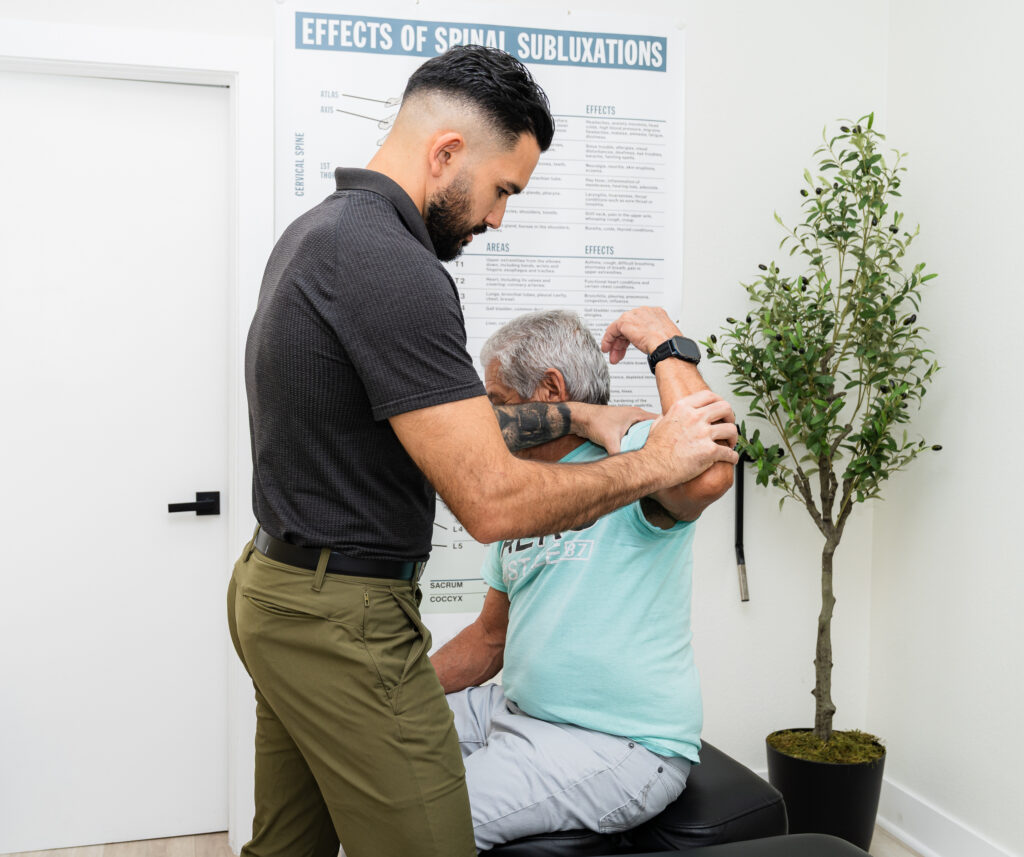

As a chiropractor, I often see patients struggling with back pain, a common issue that can greatly affect your quality of life. However, it’s important to know that you can take proactive steps to alleviate this discomfort. By incorporating essential exercises into your daily routine, you can strengthen your core and enhance your flexibility—two key factors in maintaining a healthy spine.
I encourage you to focus on exercises that engage both your lower and upper back. These movements work in harmony to support your spine and can significantly reduce pain over time. Understanding the relationship between these exercises and your overall back health is crucial.
Let’s delve into some specific techniques that I recommend to help you achieve a pain-free life. By integrating these exercises into your regimen, you can empower yourself to manage and prevent back pain naturally. Remember, a strong and flexible spine is foundational to your overall well-being.
Understanding the Importance of Core Strength
As a local chiropractor, I want to emphasize the critical role that core strength plays in maintaining a healthy back and preventing pain. Many people may not realize that strong core muscles provide essential support for your spine, which is key to maintaining proper posture. This support helps to alleviate strain on your back, making it less susceptible to injuries.
Every movement we make—whether it’s lifting groceries, playing with your kids, or even sitting at your desk—depends on the strength of these core muscles. A strong core stabilizes your body and keeps your back aligned, which is vital for overall health.
To build this important strength, I recommend incorporating exercises such as planks, bridges, and crunches into your routine. These exercises engage multiple muscle groups, ensuring balanced development and functionality.
By making core workouts a regular part of your life, you not only enhance your physical performance but also promote your overall well-being. It’s important to remember that core strength isn’t just about looking good; it directly correlates to a healthier back.
Stretching for Flexibility: Key Moves
As a local chiropractor, I often emphasize the importance of flexibility in maintaining a healthy back. Many people are aware of core strength, but flexibility is equally vital for preventing pain and injury. By incorporating some key stretches into your daily routine, you can enhance your flexibility and alleviate back tension.
Let’s start with the cat-cow stretch. This gentle movement warms up your spine and improves mobility, setting the stage for other stretches. From there, move into a seated forward bend. This stretch is excellent for lengthening your hamstrings and easing tension in your lower back.
Next, consider the standing quadriceps stretch. This stretch is particularly beneficial for relieving tightness in your hip flexors, which can often contribute to lower back discomfort.
Don’t overlook the child’s pose; it gently stretches your spine and promotes relaxation, making it a wonderful addition to your routine. Lastly, the figure-four stretch targets your hips and glutes—areas that, when tight, can lead to discomfort in your back.
For optimal results, hold each stretch for 20-30 seconds, and remember to breathe deeply throughout. I recommend performing these stretches daily, especially after long periods of sitting or physical activity.
Strengthening the Lower Back
As a local chiropractor, I want to emphasize the importance of strengthening your lower back for overall spinal health. Many people may not realize that having a strong lower back not only supports your spine but also plays a crucial role in improving posture and reducing the risk of injuries.
One of the first exercises I recommend to my patients is the bird-dog. This simple movement helps enhance stability and coordination. To perform the bird-dog, get on your hands and knees. Extend one arm forward while simultaneously extending the opposite leg back, then switch sides. This exercise engages multiple muscle groups and promotes balance.
Another excellent exercise is the bridge. Start by lying on your back with your knees bent and feet flat on the floor. Lift your hips towards the ceiling while engaging your glutes and lower back. Hold the position for a few seconds before gently lowering your hips back down. This movement not only strengthens your lower back but also activates your core muscles.
Lastly, I recommend the pelvic tilt, which can be done easily while lying on your back. To perform it, gently flatten your lower back against the floor by pulling your belly button in. This exercise helps to engage your core and supports the alignment of your spine.
Incorporating these exercises into your routine can significantly strengthen your lower back, helping to prevent pain and allowing you to lead a more active and healthy lifestyle.
If you have any questions or need guidance on proper form, please feel free to reach out during your next visit. Your spinal health is our priority!
Strengthening the Upper Back and Shoulders
As a local chiropractor, I want to emphasize the importance of strengthening your upper back and shoulders for overall health and well-being.
These areas play a crucial role in maintaining proper posture and can significantly reduce discomfort and pain. When your upper back and shoulders are strong, they provide essential support to your spine, helping to prevent injuries and promote a balanced body.
Incorporating specific exercises into your routine can greatly enhance the strength of these muscle groups. Not only will this support your spine, but it can also improve your range of motion and overall physical function.
Let’s discuss some effective exercises that can help you build strength in your upper back and shoulders, leading to better posture and a healthier lifestyle.
Importance of Upper Back
As a local chiropractor, I want to emphasize the importance of a strong upper back in maintaining your overall health and well-being. Many people are unaware of how vital this area is for supporting your posture and preventing discomfort in your daily life.
When you focus on strengthening your upper back, you not only support your spine but also help reduce strain on your shoulders and neck. Here are some key benefits of paying attention to your upper back:
- Improved Posture: A strong upper back enables you to maintain a more upright position, which can greatly reduce slouching and its associated issues.
- Reduced Pain: By strengthening the muscles in your upper back, you can alleviate tension and pain that often creeps into your neck and shoulders, leading to a more comfortable life.
- Enhanced Stability: A robust upper back contributes to better stability for your upper body, allowing you to perform everyday activities with greater ease and confidence.
- Increased Mobility: Strengthening your upper back muscles can enhance your range of motion, making various movements feel more fluid and less restricted.
Incorporating upper back exercises into your routine can make a significant difference in how you feel.
As your chiropractor, I’m here to guide you on this journey to better health through natural healing methods. Let’s work together to strengthen your upper back and improve your overall quality of life!
Effective Shoulder Strengthening Exercises
As your local chiropractor, I want to emphasize the importance of strengthening your upper back and shoulders, as these areas work closely together. Incorporating specific exercises into your routine can significantly enhance your overall posture and reduce the risk of pain.
Let’s start with shoulder shrugs. This simple exercise involves lifting your shoulders toward your ears, holding for a moment, and then releasing. This motion helps to relieve tension and improve mobility in the shoulder area.
Next, I recommend bent-over rows with dumbbells. This exercise effectively targets your upper back. To perform it correctly, stand with your feet hip-width apart, hinge at your hips, and pull the weights towards your torso while keeping your elbows close to your body. This movement strengthens the muscles that support your spine and shoulders.
Another great exercise is wall angels. Stand with your back against a wall and slide your arms up and down while ensuring that your arms maintain contact with the wall. This exercise promotes shoulder mobility and helps to correct posture.
Lastly, consider incorporating resistance band pull-aparts into your routine. This exercise is excellent for improving posture by strengthening the muscles between your shoulder blades.
By regularly practicing these exercises, you can increase your shoulder stability and upper back strength, which can help alleviate discomfort and prevent future issues.
The Role of Proper Posture
As a local chiropractor, I want to emphasize that maintaining proper posture is crucial for your overall health, especially in preventing back pain. Many people underestimate the impact of good posture, but it plays a vital role in aligning your spine and reducing unnecessary strain on your muscles and ligaments.
When you sit or stand with correct posture, you’re likely to experience less discomfort and fatigue throughout your day.
Here are some helpful tips to ensure you maintain proper posture:
- Sit up straight: Make sure to keep your back straight and your shoulders back while seated. Your feet should rest flat on the floor to provide a stable base.
- Adjust your workspace: It’s important to position your computer screen at eye level and ensure your chair supports the natural curve of your lower back. This adjustment can make a significant difference in your comfort.
- Take regular breaks: I recommend standing up and stretching every 30 minutes. This practice can help prevent stiffness and improve circulation, which is key in maintaining your spine’s health.
- Be mindful: Throughout the day, take a moment to check in with your posture, especially when you’re deeply focused on a task. It’s easy to slip into poor posture, but being aware can help you stay aligned.
By incorporating these simple practices into your daily routine, you can support your spine’s health and enhance your overall well-being.
If you have any questions or need further guidance, please feel free to reach out.
Exercises to Improve Balance
As a chiropractor dedicated to your overall well-being, I want to emphasize the importance of good posture in creating a stable foundation for your body. However, enhancing your balance is equally crucial in preventing back pain and optimizing your physical performance.
Let me introduce you to some simple exercises that can make a significant difference.
Firstly, consider incorporating single-leg stands into your routine. Stand on one leg for about 30 seconds, then switch to the other. This exercise helps strengthen your core and stabilizer muscles, which are vital for maintaining balance and supporting your spine.
Another effective exercise is heel-to-toe walking. Take a few steps forward, carefully placing the heel of one foot right in front of the toes of the other. This activity not only challenges your balance but also improves your coordination, which is essential for overall movement.
I also recommend using a stability ball. While sitting on the ball, try lifting one foot off the ground and holding it for several seconds. This exercise engages your core muscles while working on your balance, which can be beneficial for spinal alignment and overall posture.
Lastly, consider exploring tai chi. This ancient practice involves slow, controlled movements that significantly enhance balance and flexibility.
By consistently practicing these exercises, you’ll likely notice an improvement in your balance, which can help reduce the risk of back pain and boost your overall strength.
Incorporating Yoga for Back Health
As a chiropractor, I often emphasize the importance of holistic approaches to back health, and incorporating yoga into your daily routine can truly be transformative.
Yoga not only promotes flexibility, strength, and relaxation, but it also complements the chiropractic care I provide by enhancing spinal health and overall well-being. Regular yoga practice can help alleviate tension and improve your posture, which is crucial for maintaining a healthy back.
Here are some key yoga poses I recommend for my patients:
- Cat-Cow Stretch: This gentle flow between two poses warms up the spine and releases tension, making it an excellent way to start your practice.
- Child’s Pose: This is a calming, restorative position that stretches the back and encourages deep relaxation, ideal for unwinding after a long day.
- Downward-Facing Dog: This pose not only strengthens the back and hamstrings but also helps with overall body alignment, supporting the adjustments you receive in my office.
- Bridge Pose: By targeting the lower back and glutes, this pose bolsters spinal support and can enhance the benefits of chiropractic adjustments.
Integrating these poses into your weekly routine may lead to noticeable improvements in your back health and a reduction in pain.
Always pay attention to your body’s signals and feel free to modify the poses to accommodate your flexibility and strength.
Pilates Moves for Core Stability
As a local chiropractor, I often emphasize the importance of strengthening your core to help prevent back pain, and Pilates offers some fantastic exercises that can assist in this endeavor.
One effective move is the Hundred. This exercise activates your deep abdominal muscles, which play a crucial role in supporting your spine. To perform it, lie on your back, lift your legs to a tabletop position, and pump your arms while coordinating your breath.
Another beneficial exercise is the Roll-Up. Begin lying flat on your back and, as you exhale, curl your head and shoulders off the mat, reaching toward your toes. This movement not only engages your core but also improves spinal flexibility, which is vital for overall back health.
Don’t overlook the Plank either. This is a powerhouse exercise for core stability. You can do it on your hands or forearms, ensuring you maintain a straight line from your head to your heels while tightening your core. This position helps to build endurance in the muscles that support your spine.
Lastly, consider adding the Single-Leg Stretch to your routine. While lying on your back, alternate pulling one knee to your chest while extending the other leg. This exercise not only strengthens your core but also enhances your overall stability, which is essential for reducing the risk of back pain.
Incorporating these Pilates exercises into your routine can significantly support your chiropractic care and promote natural healing in your body.
Daily Habits to Support Back Wellness
As your local chiropractor, I want to emphasize the importance of maintaining a healthy back through daily habits.
One of the fundamental practices is adopting proper posture throughout your day. Many of us spend hours at desks or in front of screens, so it’s crucial to set up an ergonomic workspace that supports your spine.
Making small adjustments, like the height of your chair or the position of your computer monitor, can significantly improve how your back feels.
These changes not only promote better posture but also help prevent discomfort and pain in the long run.
Proper Posture Practices
As a local chiropractor, I often see how many individuals underestimate the crucial role proper posture plays in maintaining back health.
It’s essential to understand that by adopting good posture habits, you can significantly alleviate discomfort and promote overall wellness.
Here are four simple yet effective practices that I encourage my patients to incorporate into their daily routines:
- Sit Up Straight: When seated, make sure your back is straight and your shoulders are relaxed. Keep both feet flat on the ground for optimal support.
- Choose Supportive Furniture: Invest in a chair that offers lumbar support. This will help maintain the natural curve of your spine, reducing strain on your back.
- Align Your Screen: If you work on a computer, position your screen at eye level to avoid unnecessary neck strain. This small adjustment can have a big impact on your posture.
- Stay Active: Remember to take regular breaks to stand, stretch, and walk around. This will help prevent stiffness and encourage a healthy alignment of your spine.
By integrating these habits into your daily life, you can enhance your back health and overall well-being.
If you have any questions or need further guidance, feel free to reach out to my office. Your health is our priority!
Ergonomic Workspace Setup
As a local chiropractor, I want to emphasize the importance of creating an ergonomic workspace for your overall health, particularly for your back, especially if you spend long hours at a desk.
Begin by adjusting your chair so that your feet are flat on the floor and your knees are aligned with your hips. This positioning is essential for maintaining proper spinal alignment. I recommend using a lumbar support cushion to help maintain the natural curve of your lower back, which can prevent discomfort and pain over time.
It’s also essential to position your computer monitor at eye level. This will help you avoid unnecessary neck strain, which can lead to tension and discomfort. Your keyboard and mouse should be placed close enough that your elbows remain at about a 90-degree angle, allowing for relaxed shoulders and preventing strain.
I can’t stress enough the importance of incorporating regular breaks into your routine. Stand, stretch, and walk around periodically to promote circulation and give your body a chance to reset.
Additionally, ensure your workspace is well-lit to minimize eye strain, as this can lead to poor posture and further exacerbate back issues.
By making these small adjustments in your workspace, you can enhance your comfort and support your back wellness. Remember, your spine plays a vital role in your overall health, and taking care of it should be a priority.
If you’re experiencing ongoing discomfort, consider scheduling a visit to discuss how chiropractic care can further support your health and well-being.
When to Consult a Professional
As a local chiropractor, I want to help you understand when it’s important to seek professional care for your back pain. While some discomfort may be manageable on your own, there are specific signs that indicate it’s time to reach out for assistance.
Here are some key indicators that suggest you should consult a healthcare professional, like a chiropractor:
- Persistent Pain: If your back pain lingers for more than a few weeks and doesn’t improve with at-home care, it’s a good idea to get it checked out. Chiropractic adjustments can often provide relief and address the underlying issues.
- Severe Discomfort: Sharp, debilitating pain or discomfort that radiates down your legs isn’t something to ignore. This could be a sign of nerve involvement, and chiropractic care can help alleviate this pain through targeted treatments.
- Numbness or Weakness: If you experience any numbness or weakness in your arms or legs, it’s crucial to seek help. These symptoms may indicate nerve compression or other serious conditions that a chiropractor can evaluate and treat effectively.
- Accompanied Symptoms: If your back pain is accompanied by symptoms like unexplained weight loss, fever, or changes in bowel or bladder function, it’s essential to consult a healthcare provider immediately. While chiropractic care can help with many issues, these symptoms may require more urgent medical attention.
Conclusion
As a local chiropractor, I want to emphasize the importance of incorporating essential exercises into your daily routine to prevent back pain and enhance your overall health. By focusing on building core strength, improving flexibility, and maintaining proper posture, you can take proactive steps toward a healthier spine. It’s crucial to pay attention to your body’s signals and modify the exercises as needed. If you find that discomfort persists despite your efforts, please don’t hesitate to reach out for professional guidance. Starting these exercises today can lead you to a stronger, more resilient back, and I’m here to support you on your journey to wellness!