
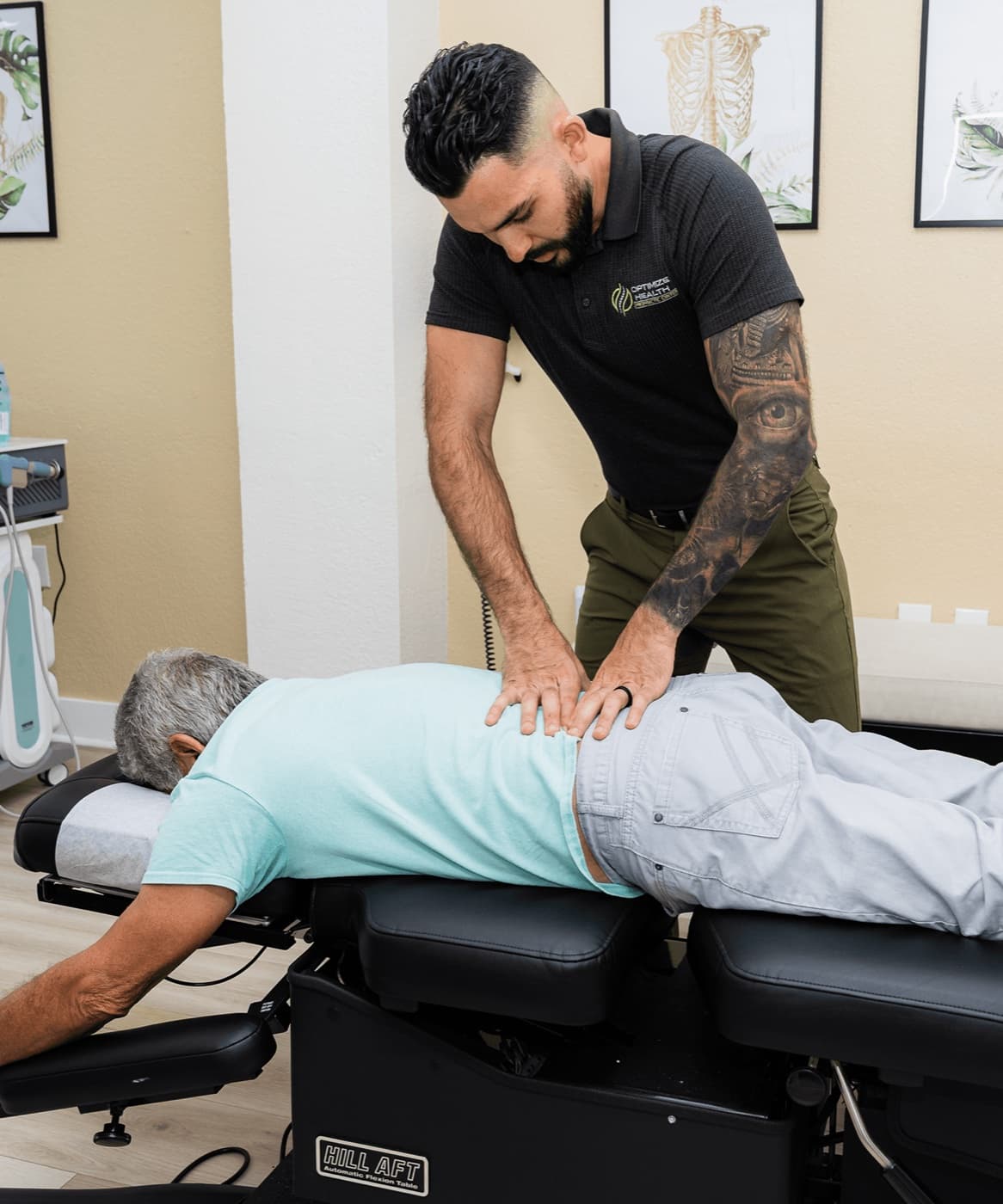
Simple Exercises to Keep Back Pain Away

As a local chiropractor, I understand that back pain can be a frustrating and debilitating issue for many of you. However, I want to share that incorporating simple exercises into your daily routine can be an effective way to find relief. By focusing on stretching and strengthening your core muscles, you can better support your spine and improve your overall posture.

It’s essential to recognize which movements can specifically target your discomfort. Simple exercises can help alleviate tension and promote healing without the need for invasive treatments. So, what specific exercises should you consider for lasting relief and better back health?

I encourage you to explore gentle stretching routines and core-strengthening exercises that can easily fit into your day. These practices not only help with immediate discomfort but also contribute to long-term spinal health. Remember, taking proactive steps towards your well-being is key, and as your chiropractor, I’m here to guide you on this journey to better back health.

Understanding Back Pain and Its Causes

As a local chiropractor, I want to help you understand the common causes of back pain, as this knowledge is crucial for your journey toward healing. Many times, back pain arises from everyday habits, such as maintaining poor posture, straining your muscles, or overexerting yourself.

For instance, if you find yourself sitting for extended periods in an uncomfortable position or lifting heavy items without proper technique, it can lead to discomfort and pain.

Stress plays a significant role too, as it can create tension in your back muscles, exacerbating any existing issues. Additionally, injuries or medical conditions, such as herniated discs or arthritis, may result in chronic pain that can be quite debilitating.

If you lead a sedentary lifestyle, your muscles might weaken over time, making your back more vulnerable to injury. It’s also important to consider lifestyle factors, like obesity, which can place additional strain on your spine and contribute to pain.

By recognizing these potential causes, you can identify what might be triggering your discomfort and take proactive steps to address it. Understanding the roots of your back pain empowers you to make informed decisions about your physical activities and daily habits.

Through chiropractic care and natural healing methods, we can work together to improve your back health and overall well-being. Remember, taking charge of your health is the first step toward a pain-free life!

The Importance of Stretching for Back Health

As a chiropractor, I want to emphasize the vital role that stretching plays in maintaining your back health and preventing discomfort. Many people may not realize that regular stretching can significantly improve your flexibility and range of motion in your spine and the surrounding muscles. This improved flexibility helps reduce stiffness and promotes better posture, ultimately alleviating pressure on your back.

Incorporating stretching into your daily routine can also enhance blood circulation, which is essential for delivering important nutrients to your muscles and joints. I encourage you to focus on stretches that target key areas such as the hamstrings, hip flexors, and lower back, as these regions are often tight and can contribute to discomfort.

Simple movements like the cat-cow stretch, seated forward bend, or child’s pose can truly make a difference in how you feel. It’s important to listen to your body and avoid pushing yourself too far, as overstretching can lead to injury.

By making consistent stretching a priority, you’re not only taking steps to feel better but also building resilience to handle your daily activities without straining your back.

Strengthening Your Core to Support Your Back

As a local chiropractor, I want to emphasize the importance of strengthening your core to support your back effectively. A strong core acts as a stabilizer for your spine, significantly reducing strain on your back muscles and helping to alleviate discomfort.

To get started, I recommend simple exercises such as planks and bridges. These movements engage multiple muscle groups and can be integrated into your routine easily. Begin with short sessions and gradually increase the intensity as you develop strength.

In addition, incorporating exercises like dead bugs and bird-dogs can enhance your coordination and stability. These not only target your abdominal muscles but also promote better balance overall. It’s crucial to maintain proper form during these exercises to prevent injury, so take your time and focus on technique.

You don’t need any fancy equipment; your own body weight can provide sufficient resistance for effective workouts. Consistency is essential, so aim to include core exercises in your weekly routine at least three times.

Over time, you may notice improvements in your posture and a reduction in back pain. By making the effort to strengthen your core, you’re taking proactive steps toward enhancing your back health and overall well-being.

Easy Stretches to Relieve Tension

As a chiropractor dedicated to helping patients understand the benefits of natural healing, I often emphasize the importance of easy stretches to relieve tension in the back and improve overall flexibility.

Once you’ve strengthened your core, it’s time to incorporate these gentle stretches into your routine.

Let’s start with the cat-cow stretch, a wonderful exercise for spinal mobility. Position yourself on your hands and knees. As you inhale, arch your back, lifting your head and tailbone towards the sky, and as you exhale, round your back, tucking your chin to your chest.

Repeat this movement for about a minute; it’s an excellent way to release tension and promote flexibility in your spine.

Next, the seated forward bend is a fantastic stretch for your back and hamstrings. Sit with your legs extended in front of you, and gently reach for your toes.

Hold this position for 20-30 seconds, allowing a gentle stretch to travel along your spine. This is especially beneficial for relieving tightness after a long day.

Another stretch I recommend is the child’s pose. Kneel on the floor and then sit back on your heels. Extend your arms forward on the ground and relax into this pose.

Hold it for a deep breath or two; it’s a calming stretch that helps to ease the tension in your back.

Lastly, don’t overlook the spinal twist. While seated, cross one leg over the opposite knee and gently twist your torso in that direction.

This stretch not only alleviates tension but also promotes spinal health and flexibility.

Incorporating these stretches into your daily routine can significantly ease tension and enhance your overall flexibility, supporting your journey toward better health and wellness.

Strength-Building Exercises for a Stronger Back

As your local chiropractor, I want to emphasize the importance of building a stronger back through core stability workouts and resistance training techniques.

These exercises are crucial not only for strengthening your back muscles but also for enhancing your overall posture and balance. By integrating these workouts into your routine, you can provide vital support to your spine, which can help reduce the risk of future pain and discomfort.

It’s all about creating a foundation of strength that promotes natural healing and well-being.

Let’s work together to incorporate these practices into your lifestyle for a healthier back and improved quality of life.

Core Stability Workouts

As your local chiropractor, I want to emphasize the importance of a strong core for maintaining a healthy back and preventing discomfort. Core stability workouts play a vital role in enhancing your balance, supporting your spine, and reducing the risk of injuries.

Let’s start with the foundational exercise: planks. By holding your body in a straight line for 20-30 seconds, you engage multiple muscle groups that help stabilize your spine.

Once you feel comfortable with planks, I recommend progressing to side planks. These will specifically target your obliques and improve your lateral stability, which is crucial for a well-rounded core.

Another effective exercise is the bird-dog. This move involves extending one arm and the opposite leg while keeping your hips stable. It’s wonderful for strengthening both your back and core at the same time.

Additionally, don’t overlook pelvic tilts; they’re excellent for improving flexibility and engaging those deep core muscles that support your spine.

Aim to perform two to three sets of each exercise, gradually increasing the duration and intensity as you become stronger.

These workouts aren’t just about building strength; they lay a solid foundation for all your physical activities and contribute to overall wellness.

Resistance Training Techniques

As a local chiropractor, I want to share some valuable insights on how you can enhance your back health and resilience through resistance training techniques.

After building a solid foundation with core stability workouts, incorporating resistance exercises can significantly benefit your spine and overall well-being.

I recommend focusing on key movements such as deadlifts, bent-over rows, and lat pull-downs, as these exercises effectively strengthen your back muscles.

It’s essential to start with lighter weights to ensure you maintain proper form, gradually increasing the weight as your strength improves. Aim for two to three sessions a week, allowing your body adequate recovery time in between workouts.

Always remember to engage your core during these exercises. A strong core not only supports your back but also plays a crucial role in preventing injuries.

Additionally, using resistance bands can add versatility to your routine, making it easier to adapt exercises to your individual needs.

Consistency is key in any fitness regimen. Over time, you’ll likely notice increased strength, improved posture, and a reduction in back pain.

Stay committed to your fitness journey, and your back will thank you for it! If you have any questions or need guidance on how to safely incorporate these techniques, don’t hesitate to reach out.

Incorporating Movement Into Your Daily Routine

As a local chiropractor, I often see patients who struggle with back pain, and I want to emphasize that incorporating movement into your daily routine can be a powerful tool for relief. It may seem daunting at first, but starting with small, achievable goals can make a significant difference in your overall well-being.

For instance, consider taking the stairs instead of the elevator or fitting in a walk during your lunch break. Even simple stretches while watching your favorite TV show can contribute to reducing discomfort.

I also recommend exploring options like a standing desk or a balance ball chair. These alternatives can keep your body engaged and help promote better posture throughout the day. It’s beneficial to schedule short movement breaks every hour—stand up, stretch, or practice a few gentle twists. These small adjustments can help prevent stiffness and enhance blood circulation.

When you’re tackling household chores, try to incorporate movements like squats or lunges while picking up items. You might be surprised at how these activities can improve your flexibility and strength over time.

The Role of Proper Posture in Back Pain Prevention

As your local chiropractor, I’m here to help you understand the vital role that proper posture plays in preventing back pain. Many people are unaware that how we sit, stand, and move can significantly impact our spinal health. By maintaining proper alignment, you can reduce unnecessary strain on your muscles and spine, promoting overall wellness.

Here are some easy-to-follow tips to ensure your posture stays in check:

  • When sitting, keep your feet flat on the floor to provide a stable base of support.
  • Make sure your ears, shoulders, and hips are aligned in a straight line to maintain balance.
  • Choose a chair that offers good support for your lower back, which is crucial for maintaining proper posture.
  • When using devices, be mindful to avoid slouching or leaning forward, as this can lead to discomfort over time.
  • Remember to take regular breaks to stretch and realign your body throughout the day; this simple practice can make a big difference in how you feel.

By incorporating these habits into your daily routine, you can help prevent back pain and improve your overall posture.

If you have any questions or need personalized advice, feel free to reach out—I’m here to support your journey to better health!

When to Seek Professional Help for Back Pain

As your local chiropractor, I want to emphasize the importance of paying attention to your back pain.

If your discomfort persists for more than a few weeks, it’s crucial to consider seeking professional help. Alongside your pain, be mindful of any other symptoms such as numbness or weakness.

These could indicate underlying issues that require attention. By recognizing these signs early on, we can work together to develop a tailored treatment plan that promotes natural healing and leads to a quicker recovery.

Persistent Pain Duration

As a local chiropractor, I want to emphasize the importance of addressing back pain that persists for more than a few weeks. If you’re experiencing ongoing discomfort, it’s crucial to seek professional assistance rather than ignore the signs your body is giving you. Delaying treatment can lead to more serious complications down the road.

Here are some key indicators that it’s time to consult with a healthcare professional, like a chiropractor:

  • If over-the-counter pain relievers aren’t providing relief, it’s a signal that your body needs a different approach.
  • When pain starts to interfere with your daily activities or disrupts your sleep, it can significantly impact your quality of life.
  • If you notice any weakness or numbness in your legs, this could indicate a more serious underlying issue that requires immediate attention.
  • Should your pain intensify following a specific injury or incident, it’s essential to understand the cause and seek appropriate care.
  • Experiencing problems with bladder or bowel control is a serious concern and warrants urgent evaluation.

Taking proactive steps toward your health can prevent long-term damage and help you regain your well-being.

Remember, your health is invaluable, and as a chiropractor, I’m here to help you understand your body and guide you on the path to natural healing.

Don’t hesitate to reach out if you have any questions or concerns!

Accompanying Symptoms Evaluation

As a local chiropractor, I want to emphasize the importance of accompanying symptoms when it comes to understanding your back pain. These symptoms can give us crucial clues about what might be going on in your body and whether it’s time to seek professional care.

If you’re experiencing numbness, tingling, or weakness in your legs, it’s vital not to dismiss these signs. They may suggest that your nerves are involved, which could require prompt attention.

Additionally, if you find yourself facing unexplained weight loss, fever, or intense pain that interferes with your daily activities, I strongly encourage you to consult with a healthcare professional.

It’s also important to be aware of any changes in your bowel or bladder control, as these can indicate serious underlying issues. Your health should always come first—if something feels off, it’s wise to take a cautious approach.

Trust your instincts; seeking timely advice can help prevent further complications and pave the way for a quicker return to a pain-free life.

Remember to listen to your body; it has a remarkable way of signaling when something isn’t quite right. As your chiropractor, I’m here to guide you on your journey to natural healing and overall wellness.

Conclusion

As a local chiropractor, I want to emphasize the importance of incorporating simple exercises into your daily routine to prevent back pain. Focusing on stretching and core-strengthening movements can significantly enhance your flexibility, build stability, and promote better posture. Staying active is essential for maintaining a healthy back, and I encourage you to listen to your body. If you experience persistent pain, don’t hesitate to seek professional guidance. By adopting these strategies, you can effectively keep back pain at bay and enjoy a more comfortable, active lifestyle. Remember, natural healing and proactive care are key components of your overall well-being.

Book Your Appointment

Get started on your path to optimal health today!

More Valuable Reading