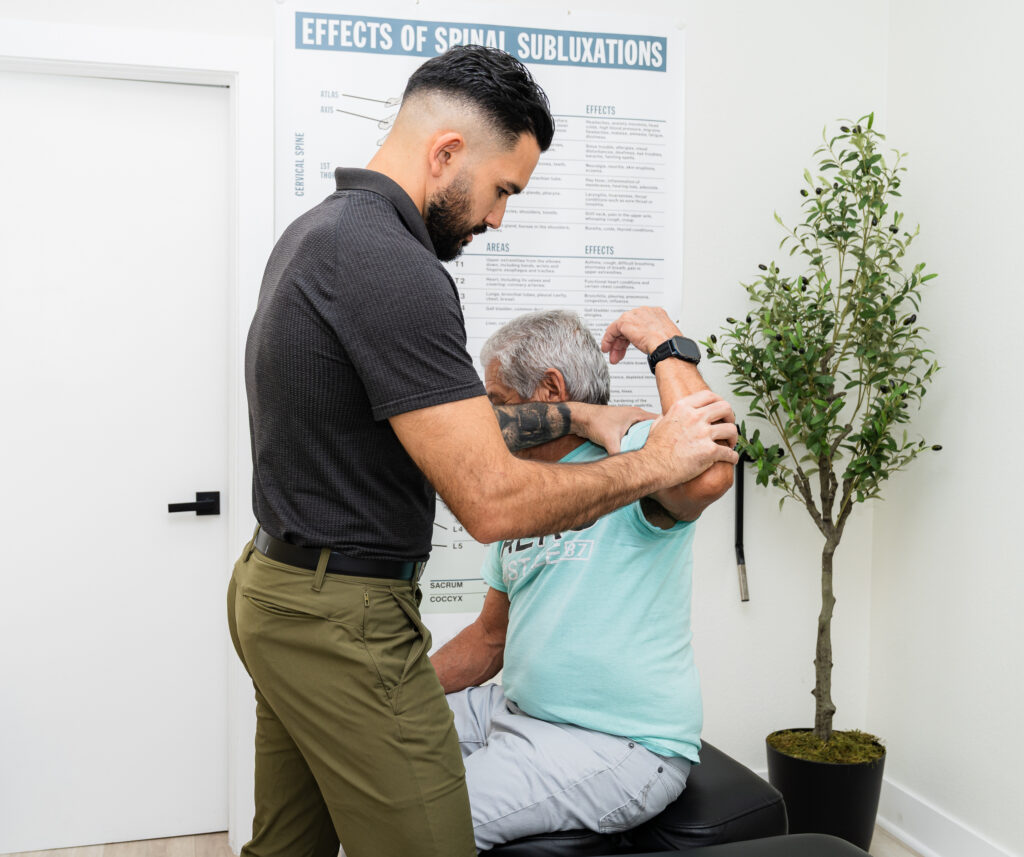

As a local chiropractor dedicated to your well-being, I want to emphasize the crucial role that posture plays in managing and alleviating back pain. Many individuals may not realize that small adjustments in their daily habits can lead to significant improvements in their comfort levels.
Let’s discuss some effective strategies that can help you enhance your posture, ultimately easing that persistent discomfort. It’s essential to pay attention to your workspace setup, as an ergonomic environment can make a world of difference. Additionally, understanding the proper techniques for sitting and standing can greatly reduce strain on your back.
By incorporating these mindful practices into your routine, you can take proactive steps toward better posture and natural healing. Let’s work together to explore how these changes can lead to a healthier, pain-free lifestyle.
Understanding the Importance of Good Posture
As a local chiropractor, I want to emphasize that good posture is more than just a way to appear confident; it plays a crucial role in your overall health. When you maintain proper posture, you ensure that your spine is aligned correctly, which significantly reduces strain on your back and muscles. This alignment is vital in preventing back pain and making everyday activities much more manageable.
Consider how you sit, stand, and move throughout your day. If you find yourself slouching or hunching over, that can lead to unnecessary tension and discomfort in your body. Instead, I encourage you to keep your shoulders back, your chest open, and your head held high.
By regularly practicing good posture, you can’t only alleviate pain but also improve your breathing and circulation, which can, in turn, boost your energy levels.
I recommend incorporating simple posture checks into your routine. Set reminders for yourself to assess and adjust your position while sitting or standing. Additionally, engaging in exercises that strengthen your core can provide excellent support for your spine.
Ergonomic Workspace Setup
As a chiropractor, I want to emphasize the importance of creating an ergonomic workspace to enhance your comfort and productivity. By adjusting your environment, you can significantly reduce strain on your back and improve your overall well-being.
Here are three essential elements to consider:
- Chair Height: It’s crucial to adjust your chair so that your feet rest flat on the floor and your knees form a 90-degree angle. This position supports proper spinal alignment and alleviates pressure on your lower back, which can help prevent discomfort and long-term issues.
- Monitor Position: Your monitor should be positioned at eye level and about an arm’s length away. This setup encourages a neutral neck position, reducing the risk of neck strain and minimizing eye fatigue. Maintaining proper posture while working at a computer is vital for your spinal health.
- Desk Layout: Organize your workspace so that frequently used items are within arm’s reach. This will help you avoid unnecessary twisting and stretching, which can lead to strain and discomfort. A well-organized desk not only boosts efficiency but also contributes to a healthier work environment.
By implementing these ergonomic adjustments, you can create a more comfortable work experience that allows you to focus on what truly matters.
Tips for Sitting Correctly
As a local chiropractor, I want to emphasize the importance of sitting correctly to support your spine and overall health. One of the first steps is to adjust your chair height so that your feet are flat on the floor. This simple adjustment is crucial because it helps maintain the natural curve of your spine, which can significantly reduce strain on your back.
Many people underestimate how their seating position can affect their comfort and posture throughout the day. By ensuring that your feet are properly positioned, you can alleviate unnecessary pressure on your spine and promote better alignment.
Let’s take a closer look at how these adjustments can enhance your well-being and support your journey towards natural healing. Remember, maintaining good posture while sitting is a key component in preventing discomfort and promoting a healthier lifestyle.
Chair Height Adjustment
As a local chiropractor, I want to emphasize the importance of adjusting your chair to the correct height for your overall health and well-being.
Proper chair height is crucial for maintaining good posture and reducing the risk of back pain. When you sit in the right position, your body can support itself more effectively, which helps alleviate strain on your muscles and joints.
Here are some helpful tips to find your ideal chair height:
- Feet Flat on the Floor: It’s vital that your feet rest flat on the ground. This provides a stable base for your body and supports your lower back.
- Knees at Hip Level: Aim to keep your knees at or just below hip level. This alignment is key for maintaining the natural curve of your spine, promoting better posture.
- Elbows at 90 Degrees: When you’re typing or using your mouse, your elbows should create a 90-degree angle. This allows your arms to hang comfortably and reduces tension in your shoulders and neck.
By following these simple guidelines, you can create a more ergonomic workspace that supports your health and enhances your comfort.
Proper Foot Positioning
As a local chiropractor, I want to emphasize the importance of proper foot positioning for maintaining good posture while you sit. It may seem like a small detail, but how you position your feet can greatly impact your overall well-being.
Start by ensuring that your feet are flat on the floor or resting comfortably on a footrest. This simple adjustment helps distribute your weight evenly and provides crucial support for your lower back.
It’s important to avoid crossing your legs, as this can lead to misalignment and unnecessary strain on your body. Instead, aim for your knees to be at a 90-degree angle, positioned directly above your ankles. If your chair is too high for you to achieve this, consider using a footrest to help you find that ideal angle.
Additionally, keeping your feet shoulder-width apart can enhance your stability, which plays a significant role in maintaining good posture.
Standing Posture Techniques
As your local chiropractor, I want to emphasize the importance of good standing posture for your overall back health. Many people overlook the impact that posture can have on their spine and well-being.
By standing correctly, you can evenly distribute your weight and significantly reduce strain on your back. Here are three essential techniques I encourage you to practice to enhance your standing posture:
1. Align Your Ears, Shoulders, and Hips: Imagine a straight line running through your body from your ears to your shoulders and down to your hips. This alignment is crucial.
Try to avoid leaning too far forward or backward, as this can create unnecessary tension in your spine.
2. Engage Your Core: Think of your abdominal muscles as a natural support system for your spine. By gently tightening your core, you can alleviate pressure on your lower back.
This simple technique can greatly enhance your posture and overall spinal health.
3. Distribute Your Weight: It’s important to shift your weight evenly across both feet when you stand. Make sure not to lock your knees; instead, keep them slightly bent.
This flexibility allows for better balance and stability, reducing the risk of discomfort.
By incorporating these techniques into your daily routine, you can cultivate a healthier posture and, in turn, contribute to the longevity of your spine.
If you have any questions or need further guidance, feel free to reach out!
Proper Lifting Techniques
As a local chiropractor dedicated to your well-being, I want to share some valuable tips on lifting heavy objects safely.
It’s crucial to bend your knees when lifting to protect your back from injury. By keeping the load close to your body and maintaining a straight spine, you can significantly reduce the risk of strain.
By incorporating these simple yet effective techniques into your daily routine, you can help prevent back pain and promote a healthier spine.
Bend Your Knees
Lifting heavy objects improperly can lead to significant strains on your back, which is a common issue I see in my practice as a chiropractor.
However, employing the right techniques, such as bending your knees, can greatly alleviate this strain and protect your spine. Allow me to guide you through a safer lifting method that promotes natural healing and keeps your back healthy:
- Approach the object wisely: Stand close to the item you intend to lift. Positioning yourself directly in front of it not only minimizes the distance you need to lift but also enhances your control over the movement.
- Bend your knees properly: Instead of bending at your waist, squat down by bending your knees while keeping your back straight and your chest lifted. This technique engages your leg muscles—powerful tools for lifting—rather than putting unnecessary pressure on your back.
- Lift with your legs: As you begin to rise, push through your heels while keeping the object close to your body. This approach not only helps maintain your balance but also reduces the risk of injury by minimizing strain on your spine.
Remember, using proper lifting techniques is essential for maintaining spinal health and preventing injury.
If you have any questions or need further guidance, feel free to reach out during your next visit!
Keep Load Close
As a local chiropractor, I want to share an essential principle that can greatly enhance your safety and well-being during lifting activities.
It’s crucial to keep the load close to your body. When you lift an object, bringing it near your center of gravity reduces the strain on your back and makes the process much easier.
I recommend holding the item with both hands, keeping it snug against your torso. This not only stabilizes your core but also helps you maintain better balance.
It’s important to avoid reaching out or extending your arms; instead, squat down to grasp the load securely before lifting.
If you find the object too heavy or awkward, don’t hesitate to ask for assistance. Your safety is my priority, and by keeping the load close, you significantly minimize the risk of injury.
This simple yet effective strategy promotes a more efficient lifting technique and contributes to your overall physical health.
Maintain Straight Spine
As a local chiropractor, I want to emphasize the importance of maintaining a straight spine, especially when it comes to lifting tasks. Poor lifting techniques can lead to back pain and injuries, which we want to avoid.
Here are some simple yet effective guidelines to help you keep your spine aligned:
- Bend at the Hips: When preparing to lift something, focus on bending at your hips rather than your back. This technique will help you maintain a straight spine, minimizing the risk of strain.
- Engage Your Core: Activating your abdominal muscles is crucial for providing support to your spine. A strong core acts as a natural brace, stabilizing your body and making lifting safer.
- Use Your Legs: Remember to lift with your legs instead of your back. By pushing through your heels and using your leg muscles, you can handle heavier loads more efficiently while protecting your back.
By following these tips, you can help prevent back pain and promote a healthier spine.
If you have any questions or need further guidance, please feel free to ask!
Stretching and Strengthening Exercises
As your local chiropractor, I want to emphasize the importance of incorporating stretching and strengthening exercises into your routine, especially if you’re experiencing back pain. Many people may feel tempted to forgo their workouts during these times, but engaging in the right exercises can significantly aid in your recovery process. These movements improve flexibility, alleviate tension, and fortify the muscles that support your spine.
I recommend starting with gentle stretches, such as the cat-cow or child’s pose, which can help loosen tight back muscles. Once you start to feel more at ease, consider adding some strengthening exercises like bridges or planks. These movements will enhance your core stability, which is essential for maintaining good posture and overall back health.
Aim to dedicate about 10 to 15 minutes each day to these exercises, focusing on controlled movements. It’s important to listen to your body; if you encounter any pain, please ease off and adjust accordingly.
Consistency is crucial. By integrating these exercises into your daily routine, you can achieve long-term relief and help prevent future discomfort. You may be surprised at how much better you feel!
Daily Habits to Improve Posture
As a local chiropractor, I want to share some valuable insights on how you can improve your posture through simple daily habits. Many people underestimate the impact of their everyday actions on their spinal health.
By making small adjustments to your routine, you can significantly enhance your overall well-being and reduce discomfort. Here are three essential habits to consider:
1. Sit Smart: It’s crucial to choose a chair that offers proper support for your lower back. Make sure your feet are flat on the ground and your knees are level with your hips.
Additionally, position your computer screen at eye level; this simple adjustment can help prevent unnecessary strain on your neck.
2. Stand Tall: When you stand, aim to distribute your weight evenly across both feet. Engage your core muscles and pull your shoulders back.
Maintaining this alignment will support the natural curve of your spine, which is vital for healthy posture.
3. Move Regularly: To combat stiffness and keep your muscles active, make it a habit to take breaks for stretching or walking every hour.
This practice not only helps with circulation but also promotes flexibility and reduces the negative effects of prolonged sitting.
By incorporating these habits into your daily life, you can take proactive steps towards better posture and overall spinal health.
Conclusion
As your local chiropractor, I want to emphasize the importance of good posture in alleviating back pain. By making simple adjustments to your daily routine, you can experience significant relief. It’s essential to create an ergonomic workspace that supports your spine, practice proper sitting and standing techniques, and incorporate stretching and strengthening exercises into your day. These small changes not only improve your posture but also contribute to your overall well-being. By prioritizing these habits, you’ll likely notice a remarkable difference in your back health and comfort. Start implementing these tips today, and let’s work together towards a healthier, pain-free life!