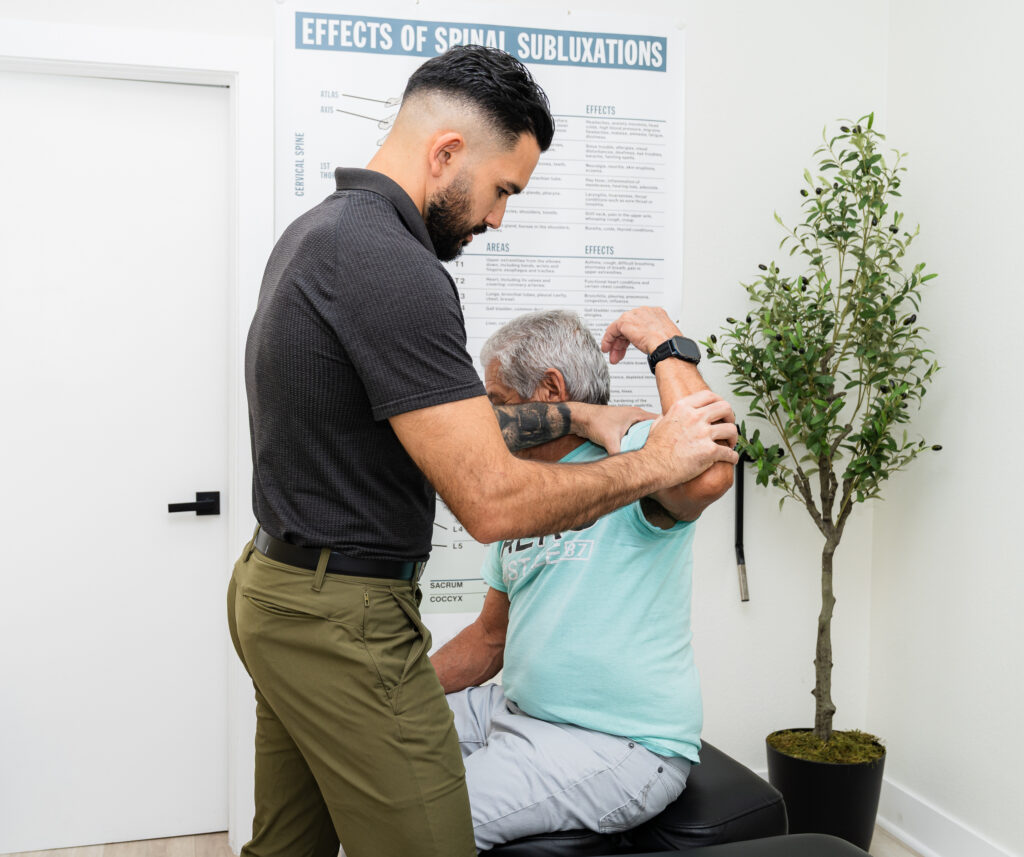

As a local chiropractor, I want to share some insights for anyone grappling with back pain. You’re certainly not alone in this struggle; many individuals experience similar challenges. However, I assure you that finding lasting relief is achievable. It requires more than just quick fixes; embracing a holistic approach is essential.
In our practice, we emphasize the importance of strengthening exercises, maintaining proper posture, and incorporating mindfulness techniques into your daily routine. These elements are vital in supporting your back health and achieving long-term improvements.
So, what specific strategies should you consider? Regular chiropractic adjustments can help align your spine, reduce tension, and promote overall wellness. Additionally, integrating targeted exercises into your routine can strengthen the muscles that support your back. Being mindful of your posture while sitting, standing, or lifting can also make a significant difference.
I invite you to explore these key components with us. Together, we can work towards a comprehensive plan tailored to your needs, helping you achieve relief and enhance your quality of life. Let’s take this journey toward better back health together!
Understanding the Causes of Back Pain
As a local chiropractor, I want to help you understand the causes of back pain and how we can work together to find effective relief. Back pain is a common issue, and it’s important to identify the underlying factors contributing to your discomfort.
One of the most frequent causes of back pain is muscle strain, which can occur from improper lifting techniques or sudden, awkward movements. If your core muscles aren’t strong enough, they may struggle to support your spine adequately, leading to pain.
Structural problems such as herniated discs or spinal stenosis can also result in discomfort. Additionally, overuse injuries can occur, particularly if you’re active in sports or engage in physically demanding work.
Don’t forget that stress and tension can cause your back muscles to tighten, which can exacerbate pain as well.
By recognizing these causes, we can take proactive steps to address them. This might involve modifying certain activities, strengthening your muscles through specific exercises, or exploring chiropractic adjustments to realign your spine and improve your overall function.
My goal is to help you understand these root causes so that together, we can create a personalized plan aimed at achieving the relief you deserve through natural healing methods.
The Importance of Posture
As a local chiropractor, I want to emphasize the crucial role that good posture plays in keeping your back healthy and pain-free. Proper posture helps distribute your body weight evenly, which reduces strain on your muscles and spine. When you sit or stand with good alignment, you significantly decrease your chances of experiencing discomfort or injury.
Take a moment to consider how you position yourself throughout the day—whether you’re working at your desk, driving, or simply walking around. Engaging your core and ensuring that your head, neck, and shoulders are aligned can make a world of difference.
If you find yourself slouching or hunching over, you could be placing unnecessary pressure on your back, leading to pain and discomfort.
It’s important to remember that maintaining good posture goes beyond just looking good; it’s vital for supporting your spine and promoting your overall health. By focusing on your posture, you can contribute to your body’s natural healing process and enhance your well-being.
Let’s work together to incorporate better posture into your daily routine!
Effective Exercises for Strengthening the Back
As a local chiropractor, I want to share with you the importance of strengthening your back to relieve pain and improve your overall health.
It’s essential to incorporate exercises that focus on core stability, flexibility, and strength training. Each of these elements plays a vital role in creating a healthier, more resilient back.
Strengthening your core can provide the support your spine needs, reducing the strain on your back muscles. Flexibility techniques help to increase your range of motion and alleviate tension, while strength training builds the muscles that protect your spine from injury.
By integrating these exercises into your routine, you can’t only relieve existing back pain but also prevent future issues.
If you’re new to chiropractic care, know that our goal is to empower you with the knowledge and tools to achieve a pain-free life.
Let’s work together to explore effective exercises that will enhance your back health and overall well-being.
Core Stability Exercises
As a local chiropractor, I want to emphasize the importance of core stability exercises in maintaining a healthy back and preventing pain. A strong core is crucial because it supports your spine and enhances your overall posture, which is vital for your well-being.
Incorporating exercises such as planks, bridges, and bird-dogs into your routine can significantly improve your core strength. When engaging in these exercises, focus on activating your abdominal muscles and ensuring proper alignment.
It’s best to start with shorter durations and gradually increase as your strength develops. Consistency is essential; I recommend aiming for at least three sessions each week. By strengthening your core, not only can you alleviate existing back pain, but you can also lower the risk of future injuries.
Remember, a stable core acts as a foundation for a healthy, pain-free back. If you’re new to chiropractic care and natural healing, I encourage you to explore these exercises as part of a holistic approach to your health.
Together, we can work towards a stronger, healthier you!
Flexibility and Stretching Techniques
As a local chiropractor, I want to emphasize the importance of incorporating flexibility and stretching techniques into your daily routine to enhance your back strength and overall mobility.
These exercises aren’t just about relieving tension; they also prepare your muscles for everyday activities, reducing the risk of injury and improving your overall well-being.
Here are three effective stretches that I recommend:
- Cat-Cow Stretch: Begin on your hands and knees, a comfortable position that allows you to engage your spine. Gently alternate between arching your back toward the ceiling and dipping it toward the floor, all while synchronizing your breath with each movement. This dynamic stretch is excellent for warming up your spine.
- Child’s Pose: Kneel and gently sit back on your heels, extending your arms forward on the floor. This pose is fantastic for elongating your spine and promoting relaxation in your back muscles, helping to alleviate any built-up tension.
- Seated Forward Bend: Sit with your legs extended in front of you, and reach for your toes while maintaining a straight back. This stretch not only enhances hamstring flexibility but also provides support to your lower back, which can be particularly beneficial for those who spend long hours sitting.
By incorporating these stretches into your routine regularly, you can experience lasting benefits that contribute to your overall health.
Strength Training Recommendations
As a local chiropractor, I want to emphasize that while flexibility and stretching are crucial for maintaining a healthy back, strengthening your muscles plays an equally vital role in preventing pain and enhancing overall stability.
It’s important to incorporate exercises that specifically target your lower back and core muscles. For instance, deadlifts and bent-over rows are excellent choices for building strength in those areas.
I also recommend planks, which are fantastic for improving endurance in both your back and abdominal muscles. Bridges are another great exercise that helps strengthen your glutes and lower back, which are key in supporting your spine.
If you’re looking to intensify your workouts, consider adding resistance bands or weights to your routine. Aim for two to three strength training sessions each week, making sure to allow your muscles adequate time to recover in between.
As you become more comfortable with these exercises, gradually increasing the weight or resistance will help keep your body challenged and progressing.
Always remember that maintaining proper form during these exercises is essential to avoid injury. If you’re unsure about how to perform any of these movements correctly, I highly recommend consulting with a fitness trainer or a chiropractor like myself.
We can provide guidance to ensure you’re exercising safely and effectively, supporting your journey towards a healthier back and overall well-being.
Stretching Techniques for Flexibility
As a local chiropractor, I often see patients who are unfamiliar with the benefits of stretching for enhancing flexibility and alleviating back pain. Incorporating effective stretching techniques into your daily routine can significantly improve your mobility and reduce tension in your back.
Here are three essential stretches I recommend you try:
- Cat-Cow Stretch: Begin on all fours with your hands directly under your shoulders and knees under your hips. As you inhale, arch your back and lift your head and tailbone towards the ceiling (this is the ‘cat’ position). Then, as you exhale, drop your belly towards the floor and raise your head and tailbone (this is the ‘cow’ position). This dynamic stretch helps to mobilize your spine and release tension throughout your back.
- Child’s Pose: Kneel on the floor and sit back on your heels. Reach your arms forward on the ground, allowing your forehead to rest gently on the floor. This position provides a gentle stretch for your lower back and hips while promoting a calming effect on your nervous system.
- Hamstring Stretch: Sit on the floor with one leg extended and the other leg bent so that the sole of your foot is against your inner thigh. Lean forward gently, reaching toward your toes while keeping your back straight. This stretch helps to loosen tight hamstrings, which can often contribute to discomfort in the lower back.
I encourage you to incorporate these stretches into your routine regularly for lasting relief and improved flexibility.
The Role of Ergonomics in Pain Prevention
As a local chiropractor, I often emphasize the importance of effective stretching and a supportive environment for maintaining optimal back health.
Ergonomics is a crucial factor in pain prevention, particularly in your workspace. It’s vital to choose a chair that supports your lower back and promotes good posture. Your feet should rest flat on the floor, with your knees forming a 90-degree angle. If your work involves sitting at a desk, ensure your monitor is positioned at eye level to prevent unnecessary neck strain.
When lifting objects, remember to bend at your knees and keep the load close to your body. This technique helps reduce strain on your back and minimizes the risk of injury.
Additionally, incorporating ergonomic tools like a standing desk or a supportive cushion can significantly improve your body alignment throughout the day. By making these adjustments to your environment, you can greatly lower the risk of back pain and enhance your overall well-being.
Prioritizing ergonomics is a proactive approach to achieving long-term relief and maintaining a healthy spine. If you have any questions or need guidance on how to implement these changes, feel free to reach out to me.
Holistic Approaches: Mindfulness and Meditation
As a local chiropractor, I want to share with you how mindfulness and meditation can be invaluable in managing back pain. These practices not only help in alleviating discomfort but also enhance your overall well-being by reducing stress and increasing your pain tolerance.
Incorporating mindfulness into your daily routine can be surprisingly simple. Start by taking a few moments each day to focus on your breath or to engage in gentle stretching while being present in the moment. This awareness can help you connect with your body, leading to greater insight into your pain triggers.
When it comes to meditation, there are specific methods that can be particularly effective for pain relief. Techniques such as guided imagery or body scan meditations can help you relax and shift your focus away from the pain.
As your chiropractor, I encourage you to explore these practices and find what resonates with you, as they can complement your chiropractic care and support your healing journey.
Benefits of Mindfulness Practice
As a local chiropractor, I want to introduce you to the benefits of incorporating mindfulness into your wellness routine, especially if you’re dealing with back pain.
While mindfulness may not be the first thing that comes to mind when considering solutions for discomfort, it can significantly enhance your overall health and well-being. Here’s how:
1. Stress Reduction: Mindfulness techniques can help you effectively manage stress, which often leads to muscle tension and can worsen back pain.
By learning to relax your mind, you may find relief from these physical symptoms.
2. Improved Focus: Practicing mindfulness sharpens your ability to concentrate.
This heightened awareness allows you to better understand your body’s signals and needs, enabling you to make informed decisions about your care and lifestyle.
3. Enhanced Emotional Resilience: Mindfulness encourages a positive outlook on life, which is particularly beneficial when coping with the emotional challenges of chronic pain.
By cultivating a resilient mindset, you can better navigate the ups and downs of your healing journey.
These advantages not only aid in alleviating pain but also promote a healthier lifestyle overall.
By embracing mindfulness alongside chiropractic care, you’re making a valuable investment in both your mental and physical health.
Let’s work together to enhance your well-being through a holistic approach!
Meditation Techniques for Pain
As a local chiropractor, I understand that dealing with pain can be challenging, and exploring effective meditation techniques can significantly enhance your healing journey.
One valuable practice to consider is mindfulness meditation. This technique involves focusing on your breath and observing your thoughts without judgment, which helps create a sense of detachment from the pain and reduces its emotional toll.
You might also find body scan meditation beneficial. This practice involves systematically relaxing each part of your body while acknowledging any sensations you experience. It can help you connect with your body and foster a sense of calm.
Another powerful technique is visualization. By imagining a peaceful scene or envisioning a healing light surrounding the area of pain, you can create a mental space that promotes relaxation and healing.
Finally, I recommend loving-kindness meditation. This practice encourages you to send compassion to yourself and others, which can shift your emotional response to pain and enhance your overall well-being.
Incorporating these meditation techniques into your routine can complement chiropractic care, providing a holistic approach to pain management and supporting your journey toward improved health.
Integrating Mindfulness Daily
As a local chiropractor, I want to share how integrating mindfulness into your daily routine can significantly enhance your overall well-being and complement the benefits of chiropractic care.
Mindfulness practices can help you stay present, reduce stress, and even alleviate discomfort, particularly in your back. Here are three straightforward ways to weave mindfulness into your everyday life:
- Mindful Breathing: Take a few minutes each day to focus on your breath. Inhale deeply through your nose, hold it for a moment, and then exhale slowly through your mouth. This simple practice helps calm both your mind and body, creating a sense of relaxation that can be beneficial for your spine.
- Body Scan: Set aside a moment to mentally check in with your body. Pay attention to any areas of tension or discomfort, especially in your back, and consciously relax those muscles. This awareness can help you identify stress points that may benefit from chiropractic adjustments.
- Mindful Movement: Try to incorporate mindfulness into your daily activities, such as walking or gentle stretching. Focus on each movement, paying attention to how your body feels. This awareness can promote better posture and movement patterns, which are crucial for maintaining spinal health.
By incorporating these mindfulness practices into your routine, you can greatly enhance your pain management and improve your overall quality of life.
Nutritional Support for Spine Health
As a local chiropractor dedicated to your health, I want to emphasize how your nutrition plays a crucial role in maintaining a healthy spine. Many people may not realize that what we eat can significantly impact spinal health and help prevent discomfort.
Incorporating anti-inflammatory foods into your diet is a great place to start. Think about adding fatty fish, nuts, and leafy greens to your meals; these foods can help reduce inflammation around your spine, which is key for overall health.
Additionally, calcium and vitamin D are vital for strengthening your bones, so be sure to include sources like dairy products, fortified plant-based milks, and don’t forget to get some sunlight exposure.
Magnesium is another important nutrient that supports muscle function and relaxation. You can find magnesium in whole grains, seeds, and legumes, which can help keep your muscles and nerves functioning optimally.
Proper hydration is equally important; drinking enough water is essential for maintaining the health of the discs in your spine, keeping them well-lubricated and functioning properly.
Finally, consider adding antioxidant-rich foods such as berries and citrus fruits to your diet. These foods help combat oxidative stress, which can be beneficial for your spinal health.
The Benefits of Regular Physical Activity
As a local chiropractor, I want to emphasize the significant benefits of regular physical activity for your overall health and well-being.
Engaging in consistent exercise can greatly enhance your flexibility and strength, which are essential for effectively managing back pain. Many of my patients have reported improved mood and increased energy levels, making it much easier to maintain an active lifestyle.
By incorporating a routine of physical activity into your daily life, you can experience not just physical improvements, but also positive changes in your mental health.
Embracing this holistic approach can lead to lasting benefits for both your body and mind, supporting the natural healing processes we focus on in chiropractic care.
Improved Flexibility and Strength
As a local chiropractor, I want to share with you the significant benefits of engaging in physical activity for your overall health, particularly focusing on how it can improve your flexibility and strength—two crucial components in alleviating back pain.
When you become more flexible, your muscles and joints can move more freely, which helps to reduce stiffness and discomfort. Additionally, by strengthening your core and back muscles, you provide essential support for your spine, which plays a key role in preventing injuries.
Let me highlight three important advantages of enhancing your flexibility and strength:
- Reduced Risk of Injury: When your muscles are stronger, they help stabilize your body, which significantly lowers your chances of experiencing strains and sprains during daily activities.
- Better Posture: Improved flexibility and strength contribute to proper body alignment. This not only alleviates pressure on your back but also promotes overall well-being.
- Enhanced Movement: With increased flexibility, you’ll find that everyday movements become easier and more comfortable, making it simpler to engage in the activities you love.
By focusing on these aspects, you can take proactive steps towards better spinal health and overall wellness.
If you have any questions or need guidance on how to get started, feel free to reach out for a consultation!
Enhanced Mood and Energy
As a local chiropractor, I’m here to share how engaging in physical activity can significantly enhance your mood and energy levels, which is essential for overall well-being.
When you exercise regularly, your body releases endorphins, those wonderful natural chemicals that elevate your spirits and help alleviate stress. This means that not only are you strengthening your body, but you’re also fostering a positive mindset and reducing feelings of anxiety.
Moreover, physical activity promotes better blood circulation, which is crucial for delivering oxygen and nutrients to your muscles and brain. This improved circulation can leave you feeling more alert and energized throughout your day.
Even something as simple as a brisk walk or a short workout can effectively combat fatigue and elevate your sense of well-being.
As you start to incorporate regular exercise into your daily routine, you’ll likely observe a noticeable enhancement in your mood and energy levels. This not only supports a healthier lifestyle but contributes to your happiness and quality of life.
Remember, chiropractic care complements your physical activity by ensuring your body functions optimally, helping you to enjoy the benefits of an active lifestyle even more.
Let’s work together towards a healthier, happier you!
Seeking Professional Help: When to Consult a Specialist
Are you wondering when it’s the right time to seek professional help for your back pain? As a local chiropractor, I want to help you understand when it’s crucial to consult a specialist like myself.
Here are three key indicators that suggest you should consider chiropractic care:
- Persistent Pain Over a Few Weeks: If your back pain has been hanging around for more than three weeks without showing any signs of improvement, it’s a clear signal that you should seek professional guidance. Chiropractic adjustments can help identify and address the underlying issues.
- Intense Pain or Discomfort: If you’re experiencing sharp, debilitating pain that’s getting worse, don’t wait to reach out for assistance. Chiropractic care can provide relief by restoring proper alignment and function to your spine.
- Radiating Pain or Numbness: If you notice pain radiating down your legs or numbness in your arms and legs, these symptoms could indicate a more serious concern. Chiropractic assessments can help determine if there’s nerve involvement and guide you toward effective treatment options.
Don’t overlook these important signs.
Seeking chiropractic care sooner rather than later can lead you to effective natural healing solutions and help prevent further complications. Remember, your health is worth it!
Developing a Sustainable Pain Management Plan
As a local chiropractor, I want to emphasize the importance of creating a sustainable pain management plan, especially for those dealing with persistent back pain. It’s crucial to start by evaluating your pain triggers and identifying which activities exacerbate your condition. Understanding these factors is the first step towards effective management.
Incorporating regular exercise into your daily routine is vital. Focus on strength-building and flexibility exercises that are specifically tailored to your individual needs. Activities such as swimming, yoga, and stretching are excellent low-impact options that can significantly alleviate discomfort without putting additional strain on your back.
When it comes to medication, it’s essential to take a balanced approach. I encourage you to consult with your healthcare provider about appropriate over-the-counter options or prescriptions that may help. Additionally, consider complementing your medication with alternative therapies, such as chiropractic care or acupuncture, which can enhance your overall pain relief.
Mindfulness practices, including meditation and deep-breathing exercises, can be incredibly beneficial for coping with pain. These techniques can help you manage stress and promote relaxation, further supporting your healing process.
Lastly, it’s important to keep track of your progress. Regularly evaluate how effective your pain management plan is, and don’t hesitate to make adjustments as needed.
Conclusion
As your local chiropractor, I want to share with you the benefits of a holistic approach to back pain relief, which can lead to lasting improvements not just in your back, but in your overall health. By incorporating strengthening exercises, maintaining good posture, and practicing mindfulness, you can build a solid foundation for managing your pain effectively.
It’s essential to understand the role of ergonomics and nutrition in supporting a healthy spine. Simple adjustments in your workspace and a balanced diet can make a significant difference in your recovery process. Regular physical activity is vital, and if you’re unsure where to start, professional guidance—like chiropractic care—can be incredibly beneficial.
Embracing these strategies can set you on the path to a pain-free life. Remember, it’s not just about alleviating pain in the moment; it’s about fostering long-term wellness. Together, we can work towards a healthier, more vibrant you!