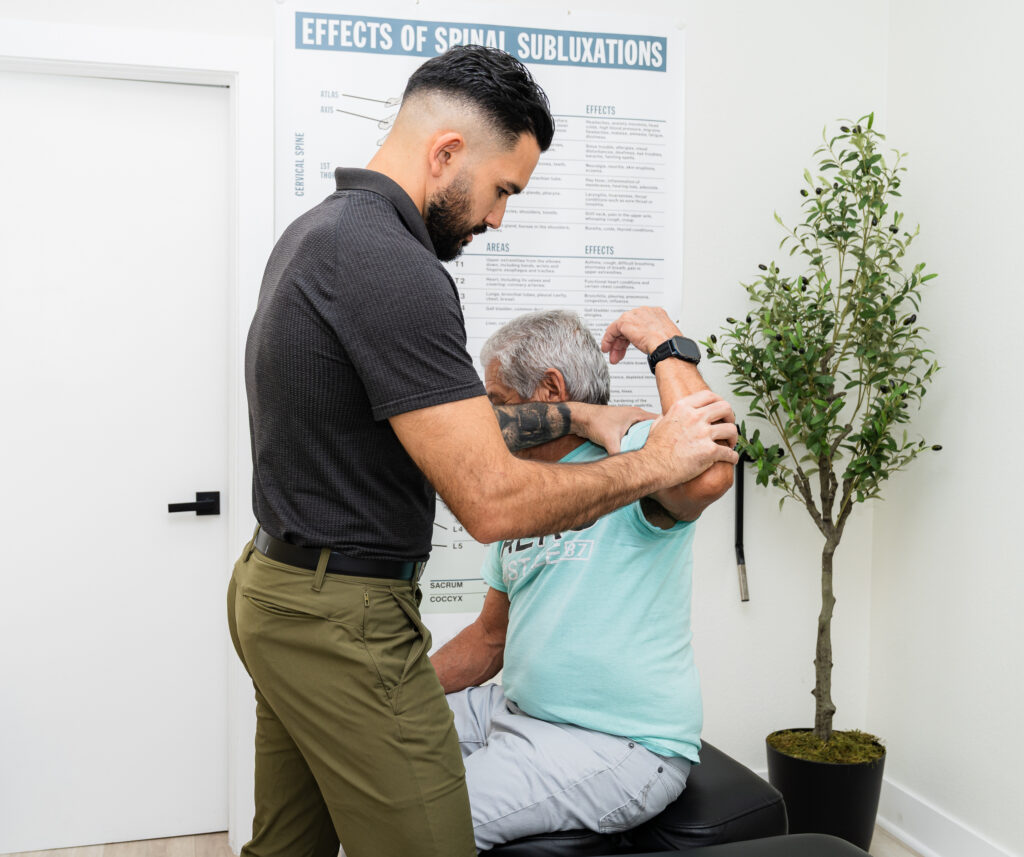

As a local chiropractor, I often see patients seeking effective ways to manage their pain without relying solely on conventional methods. Natural relief techniques can be powerful alternatives that not only alleviate discomfort but also promote overall healing. Approaches such as herbal remedies, acupuncture, and mindfulness practices harness your body’s innate ability to heal itself.
It’s essential to understand how these methods work in conjunction with chiropractic care. For instance, while chiropractic adjustments focus on aligning the spine and improving nervous system function, herbal remedies can support your body’s recovery by reducing inflammation and enhancing overall wellness. Similarly, acupuncture can complement chiropractic treatments by addressing specific pain points and encouraging energy flow.
By exploring these various options, you can make informed decisions about your health and well-being. Together, we can create a comprehensive plan that combines chiropractic care with these natural techniques to help you achieve optimal results. Let’s work together to find the best approach for your journey to wellness.
Herbal Remedies for Pain Relief
As a local chiropractor, I want to share some insights about natural alternatives for pain relief that you may not be familiar with. Herbal remedies can be a powerful addition to your wellness journey. For centuries, various herbs have been utilized to alleviate discomfort and support the body’s healing processes.
For example, turmeric is well-known for its active compound curcumin, which boasts anti-inflammatory properties. This can be particularly beneficial for those experiencing joint pain. Similarly, ginger is another excellent option, often recommended for its ability to reduce muscle soreness and alleviate headaches.
You might also want to explore willow bark, commonly referred to as nature’s aspirin, which can be effective at easing various aches. Additionally, applying peppermint oil topically can provide relief from tension headaches due to its soothing and cooling effects.
Don’t overlook the benefits of chamomile tea, which not only promotes relaxation for your body but also helps calm your mind, potentially aiding in pain management.
However, it’s crucial to discuss any herbal remedies with your healthcare provider, especially if you’re currently taking medications. By incorporating these natural options into your routine, you can take a proactive approach to managing pain and enhancing your overall well-being.
Acupuncture and Acupressure Techniques
As a local chiropractor, I want to share with you some valuable holistic approaches to natural pain relief that you might find beneficial—specifically acupuncture and acupressure.
Acupuncture is a technique where thin needles are inserted into specific points on your body. This process stimulates energy flow, promoting healing and often leading to reduced pain and enhanced overall well-being. Many of my patients have experienced significant improvements after just a few sessions.
If you prefer a non-invasive option, acupressure might be right for you. This technique involves applying finger pressure to certain points on the body, allowing you to target areas of discomfort without the use of needles. I can teach you some simple acupressure techniques that you can use on yourself at home.
Both acupuncture and acupressure can effectively alleviate various types of pain, including headaches, back pain, and joint issues.
By integrating these practices into your wellness routine, you may discover considerable relief from your symptoms. I encourage you to consult with a qualified practitioner for acupuncture, and I’m here to guide you in exploring acupressure techniques that best suit your needs.
Embracing these methods can lead to a more balanced, pain-free life, complementing the chiropractic care you receive.
Mindfulness and Meditation Practices
As a local chiropractor, I want to share how mindfulness and meditation can significantly enhance your journey toward pain relief. These techniques aren’t just about relaxation; they’re powerful tools that can help you cultivate awareness and manage discomfort more effectively.
By focusing on the present moment, you can decrease anxiety and redirect your attention away from pain. I recommend starting with simple breathing exercises. By taking deep breaths—inhaling through your nose and exhaling through your mouth—you can ground yourself and alleviate tension in your body.
You may also find it beneficial to explore guided meditation apps or videos specifically designed for pain management. With regular practice, you’ll build resilience and foster a more positive mindset when it comes to discomfort.
Integrating mindfulness into your daily routine can transform how you respond to pain. Instead of approaching it with fear, you can learn to observe your sensations with curiosity and without judgment. This shift in perception can profoundly impact how you experience pain.
Ultimately, by embracing these practices, you empower yourself to take control of your pain and improve your overall well-being. As your chiropractor, I’m here to support you on this holistic journey toward health and healing.
Physical Therapy and Exercise
As a local chiropractor, I want to emphasize that physical therapy and exercise aren’t just treatments for injuries; they’re crucial for long-term pain management and overall wellness.
Regular physical activity plays a vital role in strengthening your muscles, improving flexibility, and enhancing your body’s natural ability to manage pain.
Working with a skilled chiropractor, you can receive a tailored program that addresses your unique needs, helping to ease discomfort and restore function effectively.
By incorporating a variety of exercises—including stretching, strengthening, and aerobic activities—you can significantly decrease pain levels over time.
Moreover, staying active not only improves your physical condition but also has a positive impact on your mental health.
Engaging in regular exercise releases endorphins, which are natural pain relievers that help elevate your mood.
Embracing chiropractic care along with consistent physical activity can lead to a healthier, more balanced life.
Essential Oils and Aromatherapy
As a local chiropractor, I often encourage my patients to explore the natural benefits of essential oils and aromatherapy for pain relief. Many individuals have found these practices to be effective and soothing complements to their chiropractic care.
Essential oils like lavender, eucalyptus, and peppermint are particularly well-known for their pain-relieving properties.
To incorporate these essential oils into your routine, you might consider diffusing them in your home, inhaling their scents directly, or mixing them with a carrier oil for topical application on sore areas. However, it’s important to do a patch test on your skin first to ensure you don’t have any adverse reactions.
Additionally, I recommend integrating aromatherapy into your daily life with scented candles or bath oils. The calming aromas can significantly reduce stress and tension, which are often key contributors to pain.
By adopting these practices alongside your chiropractic treatment, you can enhance your overall well-being.
Remember, if you’re experiencing persistent pain or have health concerns, it’s always best to consult with a healthcare professional.
With the right approach, essential oils and aromatherapy can serve as a valuable addition to your pain relief toolkit, working harmoniously with the adjustments and care I provide in my practice.
Conclusion
As a local chiropractor, I want to share how incorporating natural pain relief techniques into your routine can significantly enhance your overall well-being. Many people are not familiar with the benefits of chiropractic care and other holistic approaches, but they can be incredibly effective.
Consider herbal remedies like turmeric, which has anti-inflammatory properties, or acupuncture, a practice that stimulates specific points in the body to alleviate pain. Mindfulness techniques can help you manage stress and find relief from chronic pain, while physical therapy can strengthen your muscles and improve your mobility. Additionally, essential oils offer soothing effects that can complement your healing journey.
By tapping into your body’s innate healing abilities, you can manage pain more effectively and improve your quality of life. I encourage you to explore these methods and work with me to discover what natural techniques may be most beneficial for you in achieving lasting relief. Let’s work together to find the right approach that suits your needs!