
As a local chiropractor, I understand that lower back pain can be a frustrating and limiting experience for many of you. If you’ve ever struggled to bend or lift without discomfort, you know just how vital it is to address this issue effectively. The good news is that there are several natural and holistic techniques that can help relieve your pain and enhance your overall quality of life.
In my practice, I emphasize the importance of targeted stretches and core strengthening exercises. These methods not only alleviate discomfort but also play a crucial role in your recovery and long-term health. By integrating these techniques into your routine, you can foster a stronger, more resilient back.
I invite you to explore these strategies further and discover which approaches resonate with you. Together, we can develop a personalized plan that supports your journey to wellness and helps you regain the mobility and comfort you deserve. Remember, you are not alone in this—I’m here to guide you every step of the way.
Understanding Lower Back Pain
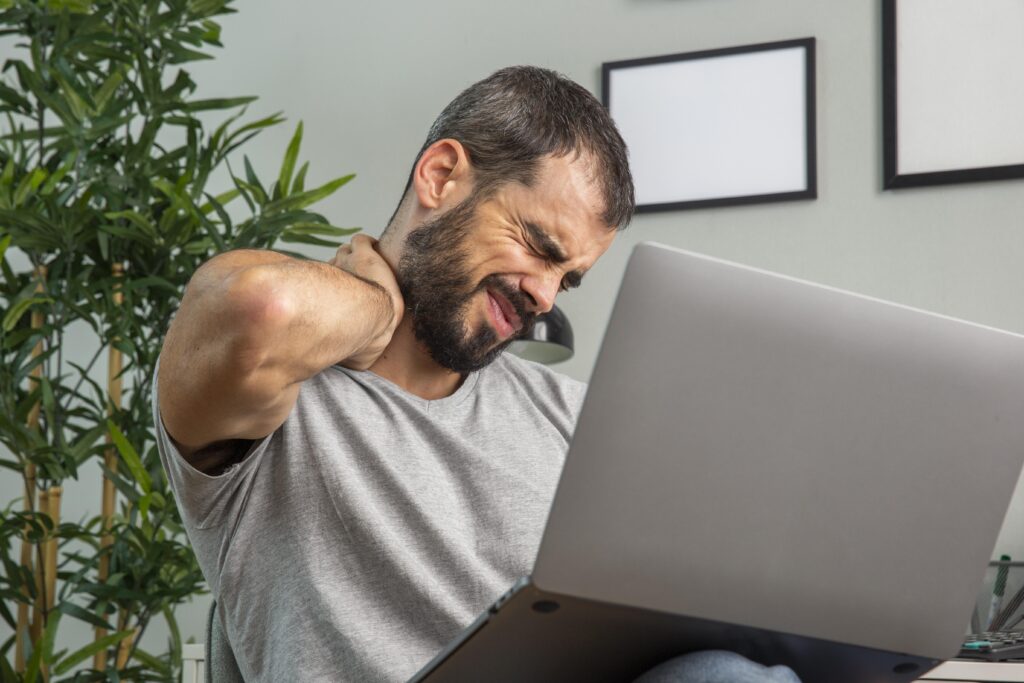
As a local chiropractor, I want to help you understand lower back pain, a common issue that affects millions of people every day. You may find that this discomfort arises from various factors such as poor posture, muscle strain, or even the effects of stress. It can present itself as a dull ache, sharp pain, or stiffness, making everyday tasks feel more challenging.
Recognizing the root causes of your pain is essential for effective management. For example, prolonged sitting, heavy lifting, or sudden movements can trigger discomfort in your lower back. Age is another important factor; as we get older, the likelihood of developing conditions like herniated discs or arthritis tends to increase.
It’s also crucial to distinguish between acute and chronic pain. Acute pain typically lasts less than three months and may resolve with proper care, while chronic pain persists for longer periods, often requiring more comprehensive treatment strategies.
Stretching Exercises for Relief
As a local chiropractor, I want to share the importance of stretching exercises in alleviating lower back pain. Many of my patients come in unsure about how to care for their bodies naturally, and I often emphasize that targeted stretching can be a transformative practice.
It’s crucial to focus on specific techniques that address tight muscles in the back, as they can significantly contribute to discomfort. Understanding how often and how long to hold these stretches is vital for achieving the best results.
I encourage you to incorporate regular stretching into your routine, as it can enhance flexibility and promote healing. Let’s delve into the most effective stretching practices that can help you feel better and support your overall wellness journey.
Key Stretching Techniques
As a local chiropractor, I want to share with you some effective stretching techniques that can significantly aid in alleviating lower back pain and improving your overall mobility.
One of the first stretches I recommend is the cat-cow stretch. This dynamic movement is excellent for enhancing the flexibility of your spine, which can be crucial for maintaining a healthy back.
Next, consider the child’s pose. This gentle stretch allows your lower back to relax and lengthen, providing a soothing release of tension.
Another beneficial stretch you should try is the seated forward bend. Not only does it target your hamstrings, but it also stretches the lower back, helping to alleviate discomfort.
Don’t overlook the supine spinal twist, which is particularly effective for relieving tightness in your lower back.
If you’re looking for an additional stretch, the standing hamstring stretch can also provide relief and support your lower back health.
As you incorporate these stretches into your routine, remember to hold each position for about 15-30 seconds and practice them gently.
It’s essential to listen to your body; if you feel any pain, stop and adjust your approach.
Frequency and Duration
As your local chiropractor, I want to share some important insights on how stretching can play a vital role in alleviating lower back pain. Incorporating key stretching techniques into your routine is just the starting point; understanding the frequency and duration of your practice can greatly enhance your results.
I recommend aiming to stretch your lower back at least three to five times each week. Consistency is crucial in this process, so try to dedicate about 10 to 15 minutes for each stretching session. This timeframe is effective because it allows your muscles to relax and adapt, ultimately leading to improved flexibility and reduced tension.
Additionally, you might find it beneficial to include shorter stretching sessions throughout your day to combat stiffness. Always listen to your body during these stretches. If you experience any pain, it’s important to ease off or modify your approach.
With regular practice, many of my patients notice significant improvements in their comfort and mobility. Embracing this natural form of healing can be a game-changer for your overall well-being.
Strengthening Your Core
As a local chiropractor, I want to emphasize the importance of strengthening your core for overall health and well-being. A strong core is crucial for maintaining stability and significantly reducing the risk of lower back pain.
When your core muscles are well-developed, they provide essential support to your spine, which can help prevent injuries during everyday activities.
Many of my patients are often surprised to learn how much their core strength impacts their overall body mechanics.
Let’s dive into some effective exercises that not only boost your core strength but also enhance your overall stability. By incorporating these exercises into your routine, you can support your spine and promote a healthier, more active lifestyle.
Importance of Core Stability
As a local chiropractor, I want to emphasize the vital role of core stability in maintaining a healthy spine and preventing lower back pain. Your core muscles are more than just those visible abs; they’re essential for providing the necessary support to your spine during everyday activities.
When these muscles are strong and well-coordinated, they work to evenly distribute weight and reduce strain on your lower back. Many people don’t realize that a lack of core stability can lead to poor posture, which over time can result in discomfort and even injury.
By prioritizing core strength, you not only improve your overall balance and stability but also protect your back from unnecessary stress. Think of your core as a natural brace for your spine—it allows you to participate in physical activities with greater confidence and ease.
As part of your journey towards better health, focusing on core stability is a crucial step for long-term back wellness. I encourage you to consider exercises and activities that strengthen your core, as this will greatly contribute to your overall wellbeing and pain prevention.
Effective Core Exercises
As your local chiropractor, I’m here to help you understand the importance of core stability and how effective exercises can greatly improve your back health. One of the foundational exercises I recommend is the plank. This exercise engages your entire core and promotes proper spinal alignment, which is vital for overall well-being.
Another fantastic exercise is the bridge, which not only strengthens your glutes but also supports your lower back. Incorporating side planks is beneficial as well; they specifically target your obliques, helping to ensure balanced muscle development throughout your core.
I also encourage you to try bird-dogs, as they enhance coordination and stability while providing protection for your spine. For optimal results, aim for three sets of 10-15 repetitions for each exercise, and gradually increase the intensity as you become more comfortable.
It’s essential to focus on your breathing and maintain control during each movement, as this will maximize the benefits of your workout.
Improving Posture
As a local chiropractor, I want to emphasize the often-overlooked significance of posture in maintaining a healthy spine and alleviating lower back pain. Proper posture is essential whether you’re sitting, standing, or walking, as it helps distribute your body weight evenly across your spine.
To start improving your posture, focus on keeping your shoulders back and relaxed, ensuring that your ears align with your shoulders. If you’re sitting, it’s vital to have your feet flat on the floor and your knees bent at a right angle. I recommend using a supportive chair that promotes this alignment, as it can make a significant difference.
When you’re standing, be mindful to evenly distribute your weight between both feet while engaging your core muscles for added stability. This practice not only protects your lower back but also enhances your overall posture.
Remember to take regular breaks to stretch and adjust your position throughout the day.
If you find yourself slouching, I encourage you to practice mindfulness. Being aware of your posture allows you to correct it in real-time. By actively working on your posture, you’re taking a proactive step towards relieving existing pain and preventing future discomfort.
As your chiropractor, I’m here to support you on this journey to better posture and overall health.
Ergonomic Adjustments
As a local chiropractor, I want to share how simple ergonomic adjustments can significantly alleviate lower back pain and enhance your overall comfort throughout the day.
It all begins with the setup of your workstation. Make sure your chair is adjusted so that your feet are flat on the floor, and your knees are positioned at or slightly below hip level. A chair that provides proper support for your lower back is essential; if you don’t have one, consider adding a cushion for extra support.
Next, it’s crucial to position your computer screen at eye level. This adjustment helps prevent unnecessary strain on your neck. Keep your keyboard and mouse close enough that your elbows can be comfortably bent at a 90-degree angle.
If you find yourself sitting for long periods, I encourage you to take regular breaks. Stand up, stretch, and move around; these small actions can relieve tension and promote better circulation, which is vital for your spine’s health.
Additionally, I recommend considering a standing desk or an adjustable desk that allows you to alternate between sitting and standing throughout the day. This variation can significantly reduce the strain on your lower back.
By implementing these ergonomic adjustments, you can experience lasting relief from discomfort and improve your productivity.
Heat and Cold Therapy
As a local chiropractor, I want to share some valuable insights about managing lower back pain through heat and cold therapy, which can be incredibly effective in providing relief.
When you experience tightness in your back, applying heat can help relax those muscles and enhance blood circulation. You have several options for heat therapy, such as using a heating pad, a hot water bottle, or even taking a warm bath to soothe discomfort. Just remember to limit heat application to no more than 20 minutes at a time to prevent any risk of burns.
On the flip side, cold therapy is an excellent choice for reducing inflammation and numbing sharp pain. You can use ice packs or cold compresses directly on the affected area for about 15-20 minutes. To protect your skin, I recommend wrapping the ice pack in a towel before applying it.
In fact, alternating between heat and cold can yield great results, as it harnesses the benefits of both therapies. It’s important to listen to your body and see which method provides you with the most relief.
As you explore these natural healing options, know that chiropractic care can also help address the underlying issues contributing to your discomfort. If you have any questions or need guidance, feel free to reach out!
Alternative Therapies
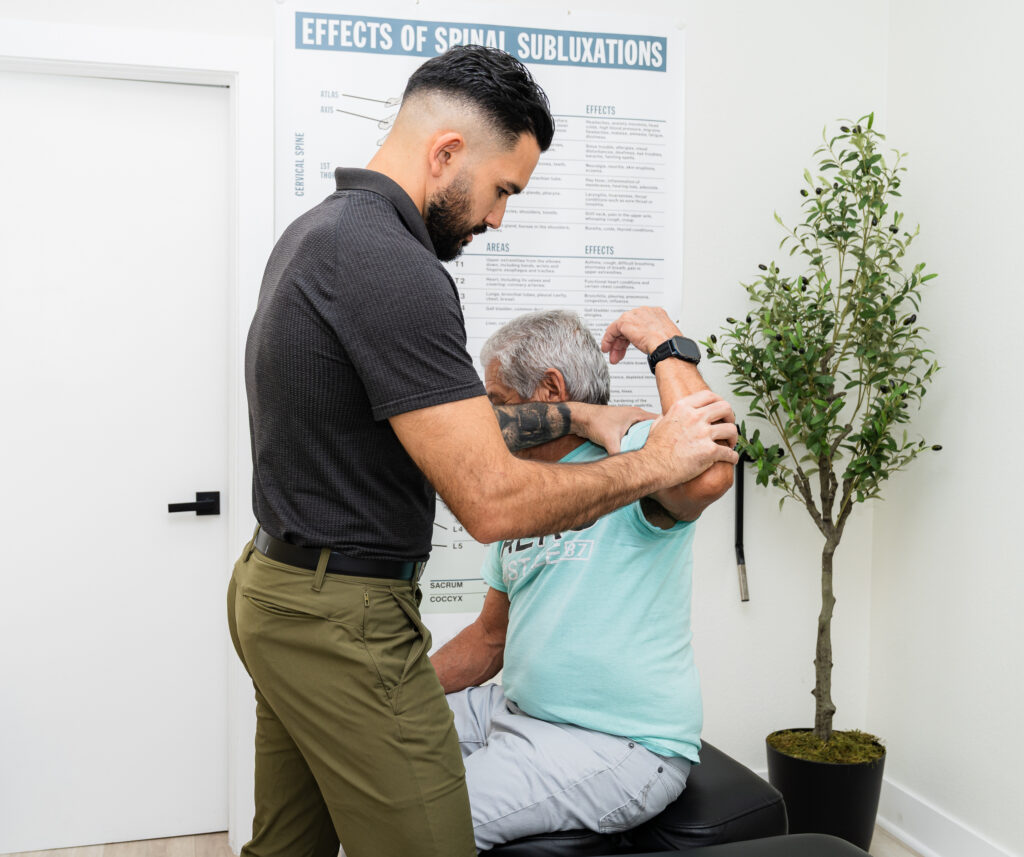
As a local chiropractor, I want to share some effective alternative therapies that can help you manage lower back pain. Many of my patients have found significant relief through chiropractic care, which focuses on spinal alignment. By using safe and controlled adjustments, I can help restore proper alignment to your spine, which often alleviates discomfort and promotes better overall function.
Another beneficial approach is acupuncture. This ancient therapy involves inserting thin needles into specific points on your body, and many individuals report reduced pain and improved well-being after treatment.
Massage therapy is also a fantastic option. It works to relax tight muscles and improve blood circulation, which can significantly reduce pain. Incorporating practices like yoga or tai chi into your routine can further enhance your flexibility and strength through gentle movements and stretching.
Don’t forget about the potential of herbal remedies as well. Natural anti-inflammatories like turmeric and ginger can be effective in managing pain. Additionally, mindfulness and meditation can help you cope with pain by lowering stress levels and enhancing your emotional health.
I encourage you to explore these alternative therapies to find the best solutions for your lower back pain. Together, we can work towards a healthier, pain-free life.
Lifestyle Changes for Prevention
As a local chiropractor, I want to share some valuable insights on how you can prevent lower back pain through simple lifestyle changes. One of the first steps is to maintain a healthy weight. Carrying extra weight puts unnecessary stress on your spine, so adopting a balanced diet and staying active can greatly benefit your overall spine health.
Regular exercise is essential; engaging in activities like walking, swimming, or yoga not only strengthens your core but also enhances flexibility. This combination is crucial for supporting your back and preventing pain.
I also encourage you to be mindful of your posture throughout the day. Whether you’re sitting at a desk or lifting objects, ensuring proper alignment can significantly reduce strain on your back. Incorporating short breaks into your routine—standing up or stretching every hour—can help alleviate pressure and keep your spine healthy.
Lastly, investing in ergonomic furniture can make a world of difference. A supportive chair or mattress is vital for maintaining spinal alignment during work or sleep, which in turn helps to reduce discomfort.
When to Seek Professional Help
As a local chiropractor, I want to emphasize the importance of listening to your body when it comes to lower back pain. While making proactive lifestyle changes can significantly help prevent discomfort, there are times when the pain may persist or even worsen despite your best efforts.
If you find that your pain lasts longer than a few weeks or starts to interfere with your daily activities, it’s a clear signal that it’s time to seek professional assistance.
It’s particularly crucial to reach out to a healthcare provider if you experience pain that radiates down your legs, numbness, or weakness. These symptoms could be indicative of a more serious underlying issue that requires attention.
Additionally, if you sustain severe pain following an injury or notice accompanying symptoms such as unexplained weight loss, fever, or bowel and bladder difficulties, please don’t ignore these warning signs. Addressing them early on can prevent complications that might impede your recovery.
As a chiropractor, I focus on natural healing methods and can provide a thorough assessment to develop a personalized treatment plan that targets the root cause of your discomfort.
Your health is a priority, and I encourage you to reach out for help whenever you feel it’s necessary. Together, we can work towards restoring your well-being and getting you back to doing the things you love.
Conclusion
As a local chiropractor, I want to share some effective techniques that can help you relieve and prevent lower back pain. By integrating stretching and core strengthening exercises into your daily life, you can create a more supportive environment for your spine. It’s also essential to assess your workspace and make ergonomic adjustments to reduce strain on your back.
In addition to these practices, I highly recommend incorporating heat and cold therapy into your routine. Heat can help relax tense muscles, while cold therapy can reduce inflammation and numb sharp pain. You might also consider exploring alternative treatments, such as chiropractic adjustments, which can align your spine and improve your overall function.
Please keep in mind that if your pain persists or worsens, it’s crucial to seek professional help. As your chiropractor, I’m here to provide the care and attention your back deserves, ensuring you can move comfortably and maintain an active lifestyle. Remember, your health is a priority, and there are natural healing methods available to support you.