As a local chiropractor, I understand that lower back pain can be incredibly frustrating and limiting. However, it’s important to know that you don’t have to endure this pain indefinitely. There are numerous effective techniques I encourage my patients to incorporate into their daily routines to help alleviate discomfort and foster healing.
From tailored exercises to various alternative therapies, each method has its own set of benefits. If you’re curious about how these approaches can work for you, let’s discuss the ten best techniques I’ve found to be most effective in managing and treating lower back pain. By exploring these options together, we can find the right solutions to help you regain your quality of life.
Stretching and Flexibility Exercises
As your local chiropractor, I want to emphasize the importance of stretching and flexibility exercises in managing lower back pain and enhancing your overall mobility. Many patients are surprised to learn how these simple movements can significantly improve their well-being.
Incorporating stretching into your daily routine promotes better blood circulation and helps alleviate muscle tension. I recommend starting with gentle stretches such as the cat-cow pose or the child’s pose. These stretches target the muscles around your spine, helping to release tightness and improve flexibility.
Aim to hold each stretch for about 20-30 seconds. This duration allows your muscles to properly lengthen and relax. Remember to focus on your breathing—taking deep, steady breaths can further assist in releasing tension in your body.
It’s also crucial to include stretches for your hips and hamstrings, as tightness in these areas can often lead to discomfort in the lower back.
Consistency is vital; I encourage you to make stretching a daily habit for the best outcomes. Always listen to your body; if you experience any pain during a stretch, it’s important to ease off to avoid injury.
Strengthening Core Muscles
As a chiropractor, I want to emphasize the importance of strengthening your core muscles, especially if you’re experiencing lower back pain. A robust core acts as a supportive foundation for your spine, which can significantly reduce strain in your lower back area.
To effectively build these essential muscles, I recommend incorporating exercises such as planks, bridges, and abdominal crunches into your routine. These exercises engage not only your abdominal muscles but also your back and pelvic muscles, which work together to promote better posture and stability.
You don’t need to commit to lengthy gym sessions; even short, consistent workouts can yield positive results. I suggest starting with two to three sessions each week, gradually increasing the intensity and duration as you notice improvements in your strength and comfort.
It’s critical to focus on maintaining proper form during these exercises to prevent any potential injuries.
Additionally, you can enhance your core engagement by integrating simple practices into your daily life, such as using a stability ball while sitting at your desk.
By prioritizing core strength, you not only support your lower back but also enhance your overall physical performance. Remember, a strong core is a key component of natural healing and can lead to a healthier, more active lifestyle.
If you have any questions or need guidance on how to get started, feel free to reach out!
Heat Therapy
As a local chiropractor, I want to help you understand how to support your lower back and alleviate pain through natural methods. One effective approach is integrating heat therapy into your routine. This simple technique not only enhances blood flow but also relaxes muscles and reduces stiffness, promoting healing.
Here are some practical ways to incorporate heat therapy into your care:
- Heating Pads: Consider using a heating pad on the affected area for about 15-20 minutes. It’s important to ensure the pad is warm—not hot—to prevent any risk of burns.
- Warm Baths: Taking a warm bath can be incredibly soothing. The warm water can help relax your back muscles and provide a sense of overall relaxation.
- Hot Water Bottles: You can fill a hot water bottle with warm water and place it on your lower back while you rest. This can be an easy way to deliver heat therapy.
- Heat Patches: Adhesive heat patches are another great option. They provide continuous warmth for several hours, allowing you to stay mobile while still enjoying the relief.
I encourage you to experiment with these methods and see which ones resonate with you. Embracing heat therapy can be a wonderful way to experience comfort and support your healing journey in conjunction with chiropractic care!
Cold Therapy
As a local chiropractor, I want to share how cold therapy can be a valuable tool in managing lower back pain, particularly during the early stages of an injury or flare-up.
Applying ice or a cold pack to the affected area can significantly reduce inflammation and help numb any sharp pain you may be experiencing. For best results, it’s recommended to use cold therapy within the first 48 hours following an injury.
When using cold therapy, it’s important to wrap your ice or cold pack in a thin cloth to protect your skin from frostbite. Aim to apply it for 15-20 minutes at a time, ensuring you take breaks between sessions. This method can be repeated several times a day for optimal relief.
In addition to reducing swelling, cold therapy also works by slowing down nerve impulses, which can further help alleviate pain.
However, if your discomfort persists or worsens, I encourage you to seek guidance from a healthcare professional. Integrating cold therapy with other treatment options can greatly enhance your recovery journey.
Massage Therapy
As a local chiropractor, I want to share how effective massage therapy can be in managing lower back pain.
It encompasses various techniques that can provide substantial relief, especially when paired with chiropractic care. Understanding the benefits of these techniques and the recommended frequency of sessions can greatly enhance your recovery process.
Let’s delve into how massage therapy can alleviate your discomfort and contribute positively to your overall well-being, alongside the natural healing methods we offer in our practice.
Types of Massage Techniques
As a local chiropractor, I understand that many people may not be familiar with the various massage techniques that can effectively alleviate lower back pain. Each of these methods targets different muscle groups and offers unique benefits.
Here are four popular types of massage techniques that I often recommend to my patients:
- Swedish Massage: This technique utilizes long, flowing strokes designed to relax the entire body while enhancing circulation. It’s perfect for those looking to unwind and relieve overall tension.
- Deep Tissue Massage: This method delves deeper into the layers of muscle, addressing chronic tension and discomfort in the back. It’s beneficial for individuals who’ve specific areas of tightness that require more focused attention.
- Trigger Point Therapy: This approach zeroes in on specific knots or tight areas in your muscles, applying targeted pressure to relieve pain and discomfort. It can be particularly effective if you’re experiencing localized pain in your lower back.
- Shiatsu: Originating from Japan, this unique technique applies finger pressure to specific acupuncture points, promoting energy flow and deep relaxation. It’s a holistic approach that can complement chiropractic care nicely.
I encourage my patients to explore these techniques to find the one that resonates best with their needs.
Incorporating these massage therapies into your routine can be a powerful way to support your overall healing and well-being.
Benefits for Pain Relief
As a local chiropractor, I want to share with you the incredible benefits of massage therapy for pain relief, particularly if you’re dealing with lower back discomfort. This natural healing method involves manipulating soft tissues, which can significantly reduce muscle tension and enhance circulation. As a result, many of my patients find that their pain diminishes and their healing process accelerates.
Regular massage sessions can also improve your flexibility, making everyday movements easier and less painful.
Beyond the physical benefits, massage therapy encourages the release of endorphins—your body’s natural pain relievers—which can boost your mood and lower stress levels. This holistic approach addresses not only the physical aspects of pain but also contributes positively to your mental health.
As you experience decreased pain and tension, you’re likely to notice a remarkable improvement in your overall quality of life.
I encourage you to consider incorporating massage therapy into your wellness routine; it could be a pivotal step in your journey toward effective lower back pain relief.
Frequency and Duration
As a local chiropractor, I want to help you understand how to make the most of massage therapy for relieving lower back pain.
It’s essential to consider both how often you get treated and how long each session lasts. Here’s a guide to optimize your healing journey:
- Frequency: I recommend starting with 1-2 massage sessions each week, particularly during the initial phase of your treatment. This frequency allows for effective relief and adjustment.
- Duration: Each massage session should ideally be between 30 to 60 minutes. This time frame is crucial for effectively targeting and relaxing the tight muscles in your lower back.
- Consistency: To achieve the best results, it’s important to maintain a regular schedule. Consistency in your sessions helps your body adapt and respond more positively to the treatment.
- Listen to Your Body: Pay attention to how you feel after each session. It’s important to adjust the frequency and duration of your treatments based on your pain levels and how your body responds to the therapy.
By following these guidelines, you can enhance the effectiveness of your massage therapy and work towards better lower back health.
Chiropractic Care
As a local chiropractor, I understand that lower back pain can significantly impact your quality of life. That’s why I want to share how chiropractic care offers a natural and holistic approach to finding relief and promoting recovery.
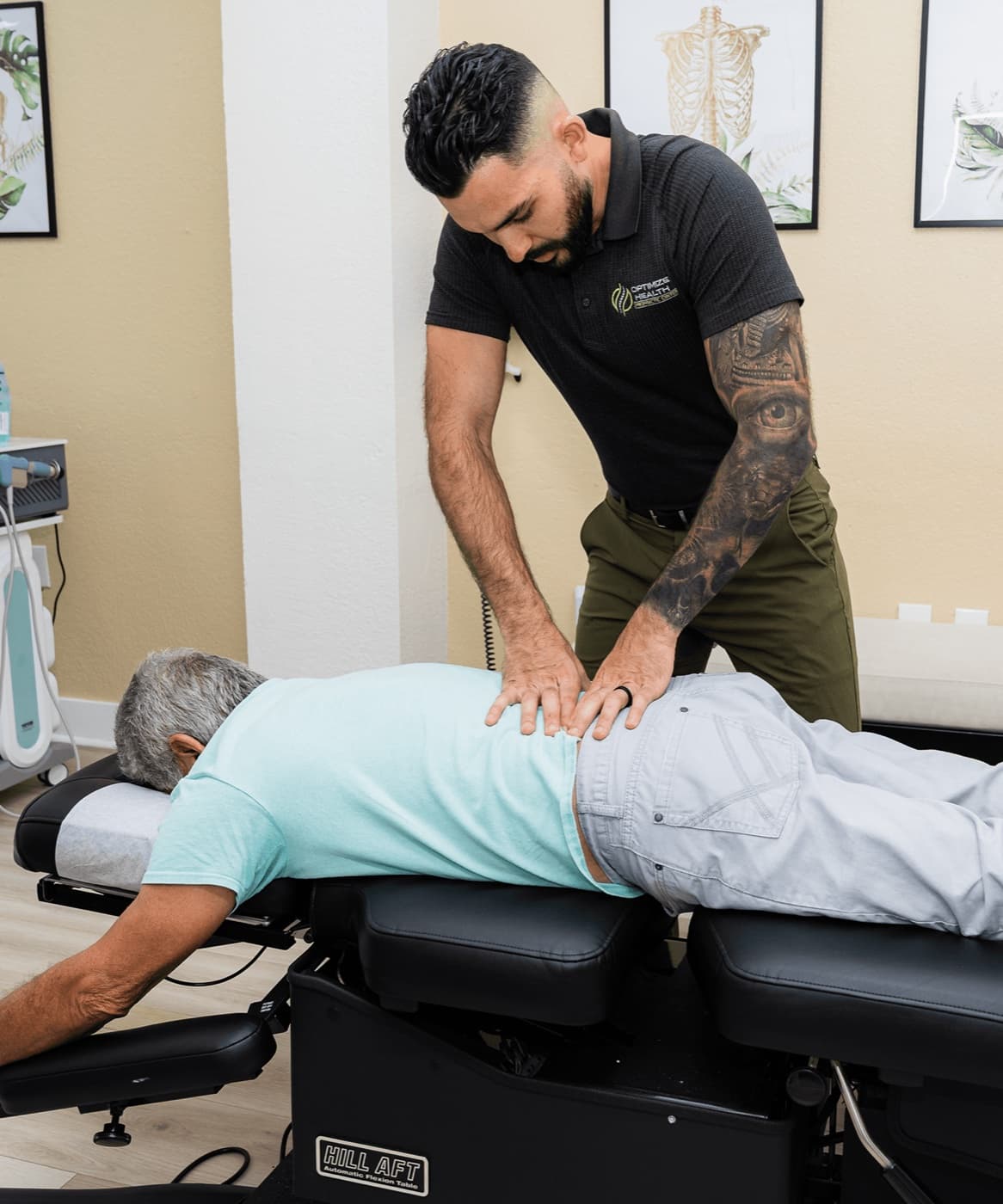
At the core of chiropractic care is the spine and the musculoskeletal system. My goal is to help you achieve proper alignment and optimal function. Through hands-on techniques, including spinal manipulation, I work to alleviate your pain and enhance your mobility.
During your visits to my practice, I’ll conduct a thorough assessment of your condition to identify any misalignments. From there, I’ll develop a personalized treatment plan tailored specifically to your needs. Many patients notice improvements in their pain levels and overall function after just a few sessions.
In addition to adjustments, I often recommend exercises and stretches designed to strengthen your back and prevent future discomfort. I also provide guidance on lifestyle choices and ergonomic practices to help you navigate your daily activities with greater ease.
If you’re looking for a non-invasive solution to your lower back pain, I invite you to consider chiropractic care as a valuable part of your healing journey.
Let’s work together to help you feel better and regain control of your life. I encourage you to schedule an appointment and take that important first step toward recovery.
Acupuncture
As a local chiropractor, I want to introduce you to the benefits of acupuncture as a complementary treatment for lower back pain. This ancient practice focuses on specific points in the body to promote healing and alleviate discomfort.
By stimulating the nervous system, acupuncture encourages the release of natural pain-relieving chemicals, which can enhance your overall treatment plan. Here are some key benefits you may experience from incorporating acupuncture:
- Pain Relief: Acupuncture can help to reduce inflammation and relieve pain in your lower back.
- Improved Mobility: Regular sessions can increase your range of motion and flexibility, allowing you to move more freely.
- Stress Reduction: This practice promotes relaxation, which can help you cope better with any pain you may be experiencing.
- Holistic Approach: Acupuncture not only targets your symptoms but also addresses the underlying issues contributing to your discomfort.
If you’re interested in exploring acupuncture as part of your journey towards relief from lower back pain, I encourage you to consult with a qualified practitioner.
They can create a personalized treatment plan that aligns with your specific needs, providing you with valuable support on your path to healing.
Yoga and Mindfulness
As a local chiropractor, I want to share how yoga and mindfulness can serve as valuable tools in managing lower back pain. Many of my patients have found that by incorporating specific yoga poses and breathing techniques into their daily routine, they can enhance flexibility, strengthen their core muscles, and significantly reduce stress levels.
These practices not only complement chiropractic care but also promote overall well-being. Mindfulness helps in cultivating awareness of your body, which can lead to better posture and alignment—key factors in alleviating discomfort.
Benefits of Yoga
As a local chiropractor, I want to share how incorporating yoga and mindfulness into your daily routine can significantly alleviate lower back pain. Here’s why yoga can be a valuable addition to your healing process:
- Improves Flexibility: Engaging in regular yoga practice helps stretch and strengthen your muscles, which can greatly reduce tension in the lower back. This increased flexibility can support your chiropractic adjustments and enhance your overall mobility.
- Enhances Core Strength: Many yoga poses focus on strengthening the core muscles. A strong core provides better support for your spine, which is essential for maintaining proper alignment and reducing back pain.
- Promotes Better Posture: Yoga encourages greater body awareness, leading to improved posture. Good posture is key to minimizing strain on your back and can complement the adjustments we make during your chiropractic care.
- Reduces Stress: The mindfulness aspect of yoga is effective in lowering stress levels. Since stress can contribute to muscle tension and pain, practicing mindfulness through yoga can provide a holistic approach to your recovery.
Mindfulness Techniques Explained
As a local chiropractor, I want to share how incorporating mindfulness techniques into your daily routine can significantly enhance your overall well-being, especially when it comes to managing pain and improving your body’s function.
By focusing on the present moment, you can cultivate a deeper connection with your body and breath, which is essential for holistic healing.
I recommend starting with simple breathing exercises. Take a deep breath in through your nose, hold it for a moment, and then exhale slowly through your mouth. This practice not only calms your mind but also helps to reduce stress, which can play a significant role in alleviating back pain and other discomforts.
During your chiropractic sessions or any physical activity, take the time to notice how each movement feels in your body. Pay attention to areas of tension and consciously work on relaxing them.
A helpful technique is performing body scans, where you mentally check in with each part of your body. This promotes awareness and relaxation, which can enhance the benefits of your chiropractic care.
By integrating these mindfulness techniques into your routine, you won’t just improve your chiropractic experience; you’ll also develop a more mindful approach to your daily life, leading to better overall health and well-being.
Posture Correction Techniques
As a local chiropractor, I often see how poor posture can significantly contribute to lower back pain. That’s why implementing posture correction techniques is essential for both relief and prevention.
By focusing on your alignment and body mechanics, you can alleviate discomfort and promote better spinal health. Here are some effective techniques I encourage my patients to adopt:
- Sit up straight: It’s important to keep your back straight and shoulders relaxed. I recommend using a chair that provides adequate support for your lower back to help maintain proper posture throughout the day.
- Adjust your workstation: Ensure that your computer screen is at eye level to avoid straining your neck, and choose a chair that supports your lower back. Proper ergonomics can make a significant difference in how you feel.
- Practice standing tall: When you stand, aim to have your feet shoulder-width apart, evenly distribute your weight, and engage your core. This helps create stability and promotes a healthy posture that reduces the risk of discomfort.
- Incorporate stretching: Regularly stretching your hip flexors and hamstrings is crucial for maintaining flexibility and reducing tension in your lower back. I often advise my patients to include stretching routines in their daily habits to support their spinal health.
By integrating these techniques into your daily routine, you can take proactive steps toward improving your posture and enhancing your overall well-being.
Over-the-Counter Pain Relief Options
As a local chiropractor, I understand that many of you may be seeking relief from lower back pain. While I often encourage lifestyle changes and physical therapy, I want to share some over-the-counter (OTC) pain relief options that can provide you with immediate comfort.
Nonsteroidal anti-inflammatory drugs (NSAIDs), such as ibuprofen and naproxen, are commonly used to reduce inflammation and alleviate pain. These medications can be easily found at your local pharmacy and are known for their rapid action.
Another effective option is acetaminophen, which helps to relieve pain, although it doesn’t specifically target inflammation. If you prefer a more localized approach, consider topical treatments like creams and gels that contain menthol or capsaicin. These can be applied directly to the painful area for targeted relief.
It’s important to follow the recommended dosages on these medications and to consult with a healthcare professional if your pain persists or worsens. I also advise caution with long-term use, as it can lead to unwanted side effects.
Incorporating OTC medications with other beneficial therapies, such as applying heat or engaging in gentle stretching exercises, can significantly enhance your overall relief.
This holistic approach to managing lower back pain often yields better results and promotes a healthier lifestyle. Remember, your journey to wellness may benefit from a combination of chiropractic care and these natural healing methods.
Conclusion
As your local chiropractor, I want to share some effective techniques for managing lower back pain that can significantly enhance your overall well-being. Integrating these methods into your daily routine can lead to remarkable improvements.
First, let’s talk about stretching and strengthening your core. These are essential components in alleviating lower back discomfort. Additionally, therapies such as heat and cold applications, along with massage, can provide much-needed relief and promote healing.
It’s also crucial to address posture correction; maintaining proper alignment can prevent further issues. Incorporating mindfulness practices, like yoga, can help you become more attuned to your body and reduce stress, which often contributes to tension in the lower back.
With a commitment to these strategies, you can pave the way to a more active and pain-free life. Remember, consistency is vital for achieving lasting results. I’m here to support you on this journey to better health and wellness through natural healing practices.