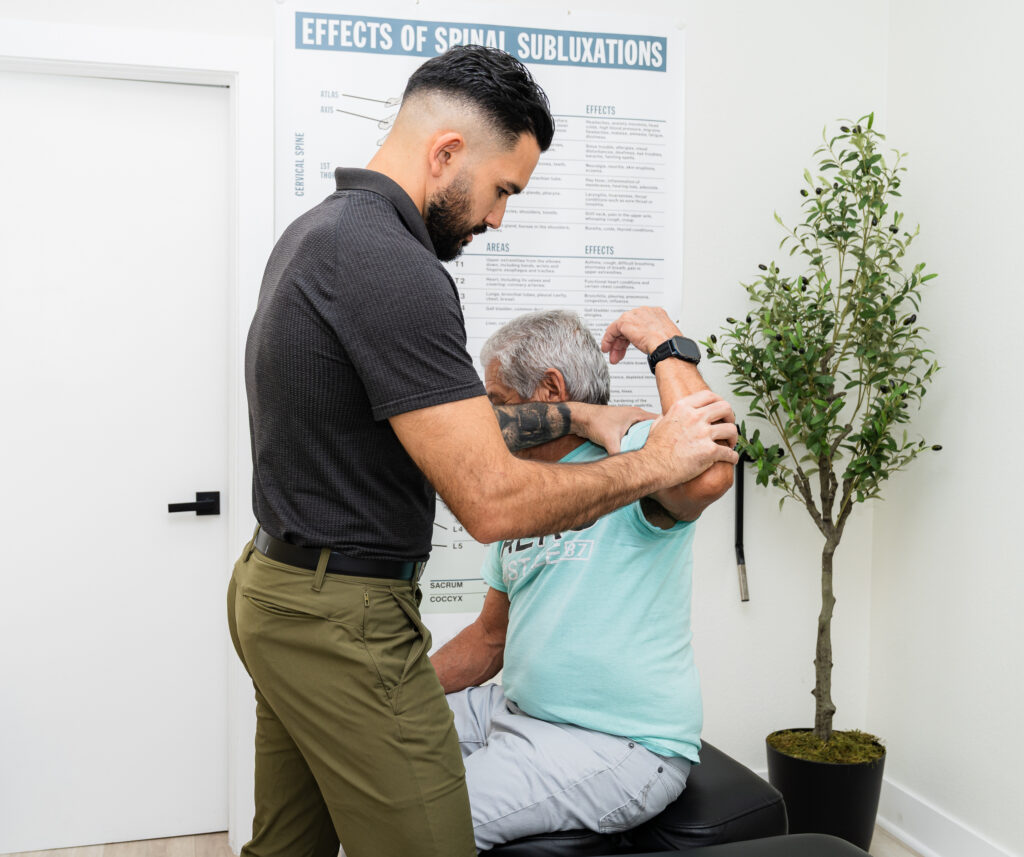

As a local chiropractor, I want to address a common issue many of my patients face: back pain stemming from poor posture. You’re certainly not alone in this struggle; countless individuals endure discomfort from everyday habits that put unnecessary strain on their spine. The good news is that there are effective, natural solutions that can offer up to 85% relief from this pain.
By implementing simple ergonomic adjustments in your workspace and daily routines, alongside specific exercises that target your posture, you can begin to alleviate your discomfort. But what do these solutions look like, and how can you seamlessly incorporate them into your life?
Let’s dive into some practical options that could significantly improve your situation and help you regain comfort and mobility. I’m here to guide you through this journey toward better posture and a pain-free life.
Understanding Posture-Related Back Pain
As a local chiropractor, I want to help you understand how your posture influences your back health. Many people are unaware of the significant impact that slouching or prolonged sitting can have on their spine.
When you maintain poor posture, it can create muscle imbalances and tension, leading to persistent discomfort. Your spine is designed to be aligned properly, allowing for even weight distribution.
However, when you lean forward or hunch over, you inadvertently place excess pressure on certain areas of your back, resulting in pain and stiffness. You may have experienced this after hours of sitting, noticing that your back feels achy or tight.
If these signs are ignored, they can escalate into chronic pain, which is why it’s crucial to address them early. Simple changes, like engaging your core and maintaining an upright posture, can significantly alleviate discomfort.
Chiropractic care focuses on natural healing and can help restore proper alignment, allowing your body to function optimally. Let’s work together to improve your posture and enhance your overall well-being!
Ergonomic Adjustments for Your Workspace
As a local chiropractor, I want to emphasize the importance of making ergonomic adjustments in your workspace to help prevent back pain and promote overall well-being.
It might be surprising, but your daily work environment plays a significant role in your spinal health.
Start by ensuring your chair is at the correct height so that your feet are flat on the floor, which supports your lower back.
Your monitor should be positioned at eye level to avoid straining your neck, and it’s crucial that your keyboard and mouse are easily accessible to prevent awkward reaching.
These simple yet effective changes can significantly enhance your comfort and encourage better posture during your workday.
Remember, taking care of your body in your workspace is a vital step towards maintaining a healthy spine and preventing discomfort.
If you have any questions or need further guidance, feel free to reach out—I’m here to help you on your journey to better health!
Chair Height Adjustment
As a chiropractor dedicated to your well-being, I want to emphasize the importance of chair height adjustment for enhancing your comfort and overall productivity at work.
A properly adjusted chair can significantly alleviate strain on your back and neck, which is crucial for maintaining good posture and spinal health.
Here are some key tips to help you find the right chair height:
- Ensure that your feet are resting flat on the floor to promote stability and circulation.
- Your knees should ideally be at or slightly below hip level to prevent unnecessary pressure on your joints.
- Check that your thighs are parallel to the ground; this alignment helps in distributing your weight evenly.
- When typing, keep your elbows bent at a 90-degree angle to reduce tension in your shoulders and arms.
- Lastly, adjust your chair to provide adequate support for your lower back, which is essential for maintaining the natural curve of your spine.
Monitor Positioning Techniques
As a chiropractor dedicated to promoting overall health and wellness, I want to emphasize the importance of proper monitor positioning to help you reduce eye strain and maintain good posture while working.
It’s crucial to start by positioning your monitor at eye level. This way, you can avoid unnecessary tilting of your head, which can lead to discomfort and strain. Your line of sight should fall about one to two inches below the top of the screen—this helps keep your neck in a more neutral position.
Additionally, keep your monitor approximately an arm’s length away. This distance helps prevent eye strain and allows you to focus comfortably on your tasks. Tilt the screen slightly back, around 10 to 20 degrees, to minimize glare, which can contribute to eye fatigue.
If you work with multiple monitors, try to position them close together. This reduces the need for excessive neck rotation, which can lead to musculoskeletal issues over time.
Don’t forget to adjust the brightness and contrast of your screens to fit your environment, as this can enhance your comfort levels.
Lastly, it’s vital to remember to take regular breaks to rest your eyes and stretch your body. These simple adjustments can significantly improve your comfort and productivity while supporting your overall well-being.
Your posture and eye health are interconnected, and taking these steps can help you maintain a balanced, healthy lifestyle.
Keyboard and Mouse Placement
As a chiropractor, I often see patients who suffer from discomfort and strain due to improper keyboard and mouse placement. Many people overlook this critical aspect of their workspace, but making a few simple adjustments can significantly enhance your comfort and prevent injuries during long hours of work.
Here are some essential tips for creating an ergonomic workspace that supports your well-being:
- Elbow Height: Position your keyboard at elbow height to ensure that your arms remain relaxed while typing. This alignment helps prevent tension in your shoulders and neck.
- Wrist Position: Keep your wrists straight and avoid resting them on the desk while typing. Maintaining a neutral wrist position is crucial for preventing repetitive strain injuries.
- Mouse Proximity: Place your mouse close to your keyboard to reduce excessive reaching. This small change can help alleviate strain on your shoulder and arm.
- Wrist Support: Consider using a mouse pad with wrist support. This can provide cushioning and help maintain proper wrist alignment, reducing the risk of discomfort.
- Chair Height: Adjust your chair height so that your feet rest flat on the floor. Proper foot placement supports your posture and can help ease pressure on your lower back.
By incorporating these ergonomic practices into your daily routine, you can promote better spinal health and overall comfort.
If you have any questions or need personalized advice, feel free to reach out during your next visit!
Targeted Exercises to Strengthen Your Back
As a local chiropractor, I want to emphasize the importance of strengthening your back for reducing pain and enhancing your overall mobility. Incorporating targeted exercises into your daily routine can greatly support your spine and alleviate discomfort.
One excellent exercise to start with is the Superman. To perform it, lie face down on the floor, extend your arms in front of you, and stretch your legs out behind you. Then, lift both your arms and legs off the ground simultaneously. Hold this position for a few seconds, then gently lower back down. Aim to repeat this for ten repetitions.
Next, the plank is a fantastic way to build core stability. Position yourself face down and balance on your forearms and toes, ensuring your body remains straight from head to heels. Hold this position for 20-30 seconds, gradually increasing the duration as your strength improves.
Another great exercise is the bird-dog. While on all fours, extend one arm forward and the opposite leg backward, maintaining balance throughout. Alternate sides and aim for ten repetitions. This exercise not only strengthens your back but also improves coordination.
Finally, I highly recommend incorporating bridges into your routine. To do this, lie on your back with your knees bent and feet flat on the ground. Lift your hips towards the ceiling, creating a straight line from your shoulders to your knees, and hold for a moment before lowering back down. This exercise can significantly enhance your back strength and overall comfort.
Mindfulness Techniques for Pain Management
As a local chiropractor, I understand that many of you may not be familiar with chiropractic care and its benefits for managing pain, particularly in the back.
While physical exercises play a crucial role in maintaining back health, integrating mindfulness techniques can significantly enhance your overall pain management strategy. By focusing on the present moment, you can effectively reduce stress and improve your overall sense of well-being.
Here are some mindfulness techniques that I encourage my patients to consider:
- Deep Breathing: Start by inhaling slowly through your nose, holding for a brief moment, and then exhaling through your mouth. This simple practice helps to calm both your mind and body, making it easier to cope with discomfort.
- Body Scan: Take a moment to focus on each part of your body, beginning with your toes and moving up to your head. Pay attention to any sensations you feel, and do so without judgment. This practice can help you become more aware of areas of tension or pain.
- Meditation: I recommend setting aside a few minutes each day for meditation. This practice fosters awareness and acceptance of your pain, making it easier to manage.
- Mindful Walking: When you walk, try to pay close attention to each step you take and feel the ground beneath your feet. This mindful approach promotes relaxation and helps ground you in the present moment.
- Visualization: Imagine a peaceful setting or visualize your pain gradually melting away. This mental imagery can help shift your focus and reduce feelings of discomfort.
Incorporating these mindfulness techniques into your routine can make a significant difference in your pain management journey.
As your chiropractor, I’m here to support you in exploring these natural healing methods alongside your chiropractic care. Together, we can work towards achieving a healthier, pain-free life.
Lifestyle Changes to Support Better Posture
As a local chiropractor dedicated to your well-being, I want to share some valuable lifestyle changes that can greatly enhance your posture and overall health.
First and foremost, it’s crucial to evaluate your sitting habits. Utilize ergonomic furniture to ensure that your feet are flat on the ground, which helps maintain proper spinal alignment. If you find yourself at a desk for extended periods, remember to take regular breaks to stand, stretch, and walk around.
Strengthening your core muscles is also vital. Exercises like planks and bridges can significantly bolster your core, providing essential support for your spine and promoting better posture.
Additionally, consider your sleeping arrangements. A supportive mattress and pillow that properly align your neck and spine can make a world of difference in your posture.
Throughout your day, remain mindful of your posture whether you’re standing or walking. Small adjustments can lead to substantial improvements in how you feel.
I also encourage you to explore activities such as yoga or Pilates. These practices not only enhance flexibility but also increase your body awareness, which is critical for maintaining a healthy posture.
When to Seek Professional Help
As a local chiropractor, I often get asked when it’s time to seek professional help for back pain. It’s crucial to pay attention to your body’s signals. If your discomfort persists or even worsens, I encourage you to reach out for guidance.
Here are some key indicators that suggest it may be time to consult with a healthcare professional like myself:
- If your pain has lasted more than a few weeks without improvement.
- If you’re experiencing sharp, shooting pain that travels down your legs.
- If you find it challenging to stand up straight or bend comfortably.
- If you notice numbness or weakness in your legs, which can indicate nerve involvement.
- If your pain is interfering with your daily activities or affecting your sleep quality.
Ignoring these signs can lead to bigger problems down the road. Early intervention is vital—it can help prevent chronic pain and significantly enhance your quality of life.
As a chiropractor, I can provide a personalized treatment plan that focuses on natural healing methods, helping you regain your mobility and comfort.
Don’t wait too long—taking proactive steps now can pave the way for a healthier, more active future. Your well-being is worth it!
Conclusion
As a local chiropractor dedicated to helping you find relief from posture-related back pain, I want to share some effective strategies that can make a significant difference in your daily comfort. First and foremost, consider making ergonomic adjustments in your workspace to promote better posture. Simple changes, like adjusting your chair height or the position of your computer screen, can greatly reduce strain on your back.
In addition to these adjustments, incorporating targeted exercises to strengthen your back muscles is crucial. These exercises can help support your spine and improve your overall posture, reducing discomfort in the long run. Integrating mindfulness techniques into your daily routine can also be beneficial. Being aware of your posture throughout the day is key; it’s easy to forget when you’re busy, but small reminders can go a long way.
Lifestyle changes that support better alignment are also vital. This might include being mindful of how you sit, stand, and even sleep. If you find that your pain persists despite these efforts, seeking professional help is an important step. As a chiropractor, I can provide personalized assessments and treatment options to help you on your journey to recovery.
Take charge of your well-being today, and together we can work towards a more comfortable and pain-free life!