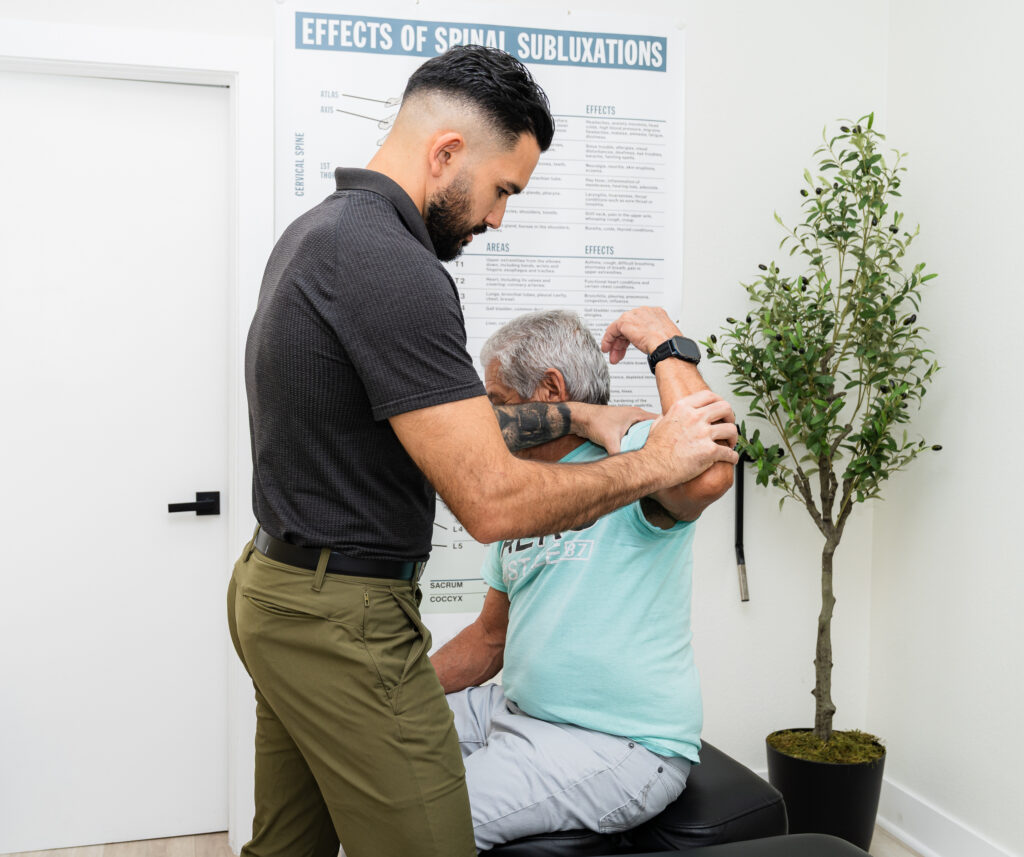

If you’ve ever suffered from back pain due to poor posture, I want you to know that you’re not alone. Many individuals experience discomfort stemming from their daily habits—how they sit, stand, or even move can significantly impact their well-being. As a chiropractor, I see this frequently in my practice, and I’m here to help you understand how to find relief naturally.
There are practical strategies we can implement together to alleviate your pain. By making some simple adjustments in your daily routine and incorporating specific exercises, you can enhance your posture and, in turn, reduce your discomfort. The journey toward better posture and pain relief begins with understanding what areas to focus on. Let’s delve into some effective solutions that can help you regain your comfort and overall health.
Understanding the Impact of Poor Posture
As a chiropractor, I want to emphasize that poor posture goes beyond just how you look; it can have serious implications for your overall health and well-being. When you sit or stand with improper alignment, you’re placing excessive strain on your spine, which can lead to discomfort and pain. This strain can make even the simplest activities feel daunting.
Your spine is designed to maintain a certain alignment for optimal support, and slouching or leaning can disrupt this crucial balance. Over time, you may begin to notice tightness in your shoulders, neck, or lower back, which can limit your movement and flexibility.
Moreover, it’s important to understand that poor posture can also affect your breathing and digestion. When your chest is compressed, it restricts your lung capacity, which reduces the flow of oxygen and can leave you feeling more fatigued than usual. You might even find yourself experiencing tension headaches due to muscle strain from poor posture.
By recognizing these effects, you can see how vital it’s to prioritize good posture in your daily life.
At our practice, we focus on helping you achieve and maintain proper alignment. This not only helps to alleviate back pain but also promotes overall health and vitality.
Making small adjustments to your posture can lead to significant improvements in how you feel on a daily basis. Together, we can work towards better posture and a healthier you!
Simple Adjustments for Your Workspace
As a local chiropractor, I want to help you understand how simple adjustments in your workspace can alleviate back pain and enhance your overall well-being.
It all starts with evaluating the height of your desk, choosing the right chair, and positioning your monitor correctly. Even minor tweaks can lead to significant improvements in your comfort levels.
Let’s take a closer look at how these adjustments can positively impact your posture. A well-aligned workspace promotes better spinal health and can reduce the strain on your back.
By incorporating these changes, you not only create a more ergonomic environment but also support your body’s natural ability to heal and function optimally.
Desk Height Optimization
As a local chiropractor, I want to share with you how adjusting your desk height can significantly alleviate posture-related back pain. A workspace that’s properly aligned encourages better body mechanics and supports your overall health.
Let’s start with your elbows; they should be positioned at a 90-degree angle when your hands are resting on the keyboard. It’s crucial that your wrists remain straight and don’t bend upwards while typing.
Your monitor should be at eye level, allowing your neck to stay in a neutral position without strain.
If you find that your feet don’t reach the ground, consider using a footrest. This can help maintain proper posture and support your spine.
Remember, it’s also important to take regular breaks to stretch and adjust your position as needed throughout the day.
By optimizing your desk height, you create a more comfortable and supportive work environment. This not only minimizes strain on your back but also enhances your productivity.
Embracing these adjustments can lead to a healthier lifestyle and reduce the risk of chronic pain. If you have any questions or need further guidance, feel free to reach out!
Ergonomic Chair Selection
As a chiropractor, I often emphasize the importance of a well-designed workspace for your overall health and well-being. While optimizing your desk height is crucial, selecting the right ergonomic chair is equally vital in maintaining proper posture and alleviating back pain.
When choosing a chair, look for features such as adjustable height, lumbar support, and armrests. These elements allow you to customize the chair to fit your body’s unique needs.
When seated, ensure that your feet are flat on the floor and your knees are positioned at a 90-degree angle. The backrest should provide adequate support for your lower back, promoting a natural spinal curve.
Additionally, consider a chair made from breathable materials to enhance your comfort, especially during extended periods of sitting.
I encourage you to try out various chair models to find the one that feels best for you. Investing in a quality ergonomic chair can significantly improve your comfort levels and productivity, while also supporting your spine health.
Monitor Positioning Tips
As a local chiropractor, I want to share some essential tips on proper monitor positioning that can significantly enhance your comfort and productivity while you work. It’s important to prioritize your spinal health and overall well-being, especially if you spend long hours in front of a screen.
Start by positioning your monitor at eye level. This simple adjustment can prevent unnecessary strain on your neck. Ideally, the top of the screen should be at or just below your eye height, allowing you to gaze slightly downward at the monitor. This alignment helps maintain a healthy posture and reduces the risk of discomfort.
Keep your monitor about an arm’s length away. This distance not only minimizes eye strain but also encourages you to sit up straight, supporting your spine. Additionally, angle the screen slightly backward, around 10 to 20 degrees. This small tweak can enhance visibility and reduce the need for awkward head movements that can lead to discomfort.
Don’t forget to adjust the brightness and contrast of your monitor for optimal clarity, as this can also play a role in reducing eye strain.
If you use multiple monitors, position them close together and ensure they’re at the same height. This will help avoid unnecessary twisting or bending, which can contribute to back pain.
By making these simple adjustments, you can support better posture and overall spinal health, helping to prevent discomfort and promote a more productive work environment.
Stretching and Strengthening Exercises
As a local chiropractor, I want to share some valuable insights on how to alleviate posture-related back pain through natural healing methods, specifically stretching and strengthening exercises. These practices can play a crucial role in your recovery and overall well-being.
To begin, consider incorporating gentle stretches such as the cat-cow or child’s pose into your daily routine. These exercises are designed to relieve tension in your back and enhance flexibility. By regularly performing these movements, you can help lengthen tight muscles, which in turn promotes better posture.
In addition to stretching, it’s essential to focus on strengthening exercises that target your core, back, and shoulders. Incorporating movements like planks, bridges, and seated rows can help build the stability necessary to support your spine.
I recommend aiming for a balanced routine that includes both stretching and strength training at least three times a week.
Always pay attention to how your body responds to these exercises. If you experience any discomfort, it’s important to make adjustments or consult with a healthcare professional.
Consistency is vital; making these exercises a regular part of your routine can lead to significant improvements in pain reduction and posture correction. As you progress, you may find yourself moving more freely and comfortably in your daily activities.
Ergonomic Tools and Support
As your local chiropractor, I understand that many of you may not be familiar with chiropractic care and the principles of natural healing, especially when it comes to addressing posture-related back pain.
One of the most effective ways to alleviate this discomfort is by utilizing the right ergonomic tools and support in your daily life.
I encourage you to consider investing in essential ergonomic equipment, such as adjustable desks and chairs that promote proper alignment. These tools can help create a workspace that supports your natural posture, reducing strain on your back and neck.
Additionally, supportive seating options are crucial in maintaining comfort and stability while you work or relax.
Making these adjustments can significantly enhance your overall well-being and help you feel better throughout your day.
Remember, taking care of your body is essential, and incorporating these ergonomic solutions can be a vital step towards a healthier, pain-free life.
If you have any questions or need guidance on which tools are best for you, feel free to reach out during your next visit!
Essential Ergonomic Equipment
As a local chiropractor, I want to emphasize the importance of investing in essential ergonomic equipment to enhance your comfort and productivity, especially if you find yourself spending long hours at a desk.
One of the first steps you can take is to choose an ergonomic chair that provides adequate support for your lower back and promotes proper posture. A well-designed chair allows your feet to rest flat on the ground, with your knees positioned at or below hip level, which is crucial for spinal health.
In addition to a supportive chair, consider using a keyboard and mouse that are specifically designed with ergonomics in mind. These tools can significantly reduce strain on your wrists, which is a common issue I see in my practice. Incorporating a wrist rest can further alleviate discomfort.
Furthermore, it’s essential to position your monitor at eye level by using a monitor stand. This adjustment can help prevent neck strain, which often results from looking down at a screen for extended periods.
Don’t overlook the benefits of a footrest, either; it can improve your overall alignment and contribute to better posture.
By integrating these ergonomic tools into your workspace, you can make a significant difference in your daily comfort and overall health.
As a chiropractor, I encourage you to take these steps to support your well-being and prevent the musculoskeletal issues that can arise from poor ergonomics.
Adjustable Workstation Solutions
As a local chiropractor, I often emphasize the importance of a comfortable and ergonomically sound workspace for maintaining your overall health and well-being.
It’s not just about having a good chair; adjustable workstation solutions can significantly impact your posture and reduce strain on your body. For instance, height-adjustable desks allow you to alternate between sitting and standing throughout the day, which can promote better spinal alignment and alleviate back pain.
Additionally, consider incorporating monitor arms into your setup. These devices enable you to position your screen at eye level, which helps prevent neck strain and eye discomfort.
A keyboard tray is another valuable tool; it helps keep your wrists in a neutral position, minimizing tension and the risk of repetitive strain injuries.
Moreover, maintaining a tidy workspace with effective cable management can reduce distractions, allowing you to focus better on your tasks.
By tailoring your workstation to your specific needs, you’re not only enhancing your comfort but also boosting your productivity. Investing in these adjustable solutions is a step towards creating a workspace that truly supports your health and well-being.
Supportive Seating Options
As a local chiropractor, I often see patients who underestimate the importance of choosing the right chair for those long hours spent at a desk.
It’s crucial to select supportive seating options to maintain good posture and prevent back pain, which are common complaints I encounter in my practice.
An ergonomic chair is specifically designed to support the natural curve of your spine, encouraging a healthier sitting position.
When looking for a chair, pay attention to features like adjustable seat height, lumbar support, and armrests that can be tailored to fit your unique body shape.
Additionally, a chair made with breathable materials can help you stay comfortable throughout the day.
If your chair is too high, don’t overlook the value of a footrest.
It can help keep your feet flat on the ground and reduce strain on your back.
Investing in a quality chair isn’t just about comfort; it can significantly enhance your productivity and overall well-being.
Mindfulness and Posture Awareness
As a local chiropractor, I want to share how developing mindfulness about your posture can play a crucial role in alleviating back pain.
It’s important to make a habit of regularly checking in with your body throughout your day. Pay attention to how you’re sitting, standing, or moving. Are your shoulders rounded forward? Is your back curving in an uncomfortable way? When you notice yourself in a less-than-ideal position, take a moment to gently correct your posture to a more aligned stance.
Incorporating simple mindfulness techniques can significantly enhance your posture awareness. Consider setting reminders on your phone or placing sticky notes in your workspace to prompt you to check in with your body.
Every hour, take a brief moment to stretch and realign yourself. Engaging in breathing exercises can also benefit your awareness; focus on your breath while picturing yourself in a proper posture.
Remember, maintaining good posture is essential for your overall health, and making these small adjustments can lead to significant improvements in your well-being.
If you have any questions about how chiropractic care can further support your posture and help with pain relief, don’t hesitate to ask!
When to Seek Professional Help
When should you consider seeking professional help for your back pain? As a local chiropractor, I want to emphasize that if your discomfort lingers for more than a few weeks despite trying self-care measures, it’s time to consult a healthcare provider like myself.
It’s important to be aware of any additional symptoms that may arise, such as numbness, tingling, or weakness in your legs. These could signal underlying nerve issues that need attention.
If you notice that your pain intensifies with movement or is affecting your daily activities, please don’t hesitate to reach out for guidance. Chiropractic care can offer relief and help you regain your mobility.
Moreover, if you’ve experienced a significant trauma—such as a fall or accident—it’s crucial to get evaluated as soon as possible. Ignoring severe pain or any changes in bowel or bladder function can lead to serious complications that we can help address.
Ultimately, trust your instincts. If something feels off, seeking professional help is always a wise choice. Early intervention through chiropractic care can often prevent further complications and promote a faster recovery.
Your health and well-being are paramount, and I’m here to help you on your healing journey.
Conclusion
As a local chiropractor, I want to share some valuable insights on how you can alleviate posture-related back pain through natural methods. One of the first steps is to make simple adjustments to your workspace. Pay attention to your posture while sitting or standing; being mindful of your alignment can significantly reduce discomfort.
Incorporating stretching and strengthening exercises into your daily routine is also crucial. These exercises help to support your spine and improve flexibility, which can lead to long-lasting relief. I recommend considering ergonomic tools that provide additional support while you work or engage in daily activities.
It’s essential to stay aware of your posture throughout the day, as consistent mindfulness can contribute to your overall well-being. If your pain continues or worsens, I encourage you to seek professional assistance. Chiropractic care focuses on natural healing, helping to restore balance and function to your body.
By taking these proactive steps, you can lead a healthier, more comfortable life. Remember, you deserve to feel great, and I’m here to help you on this journey to better health!