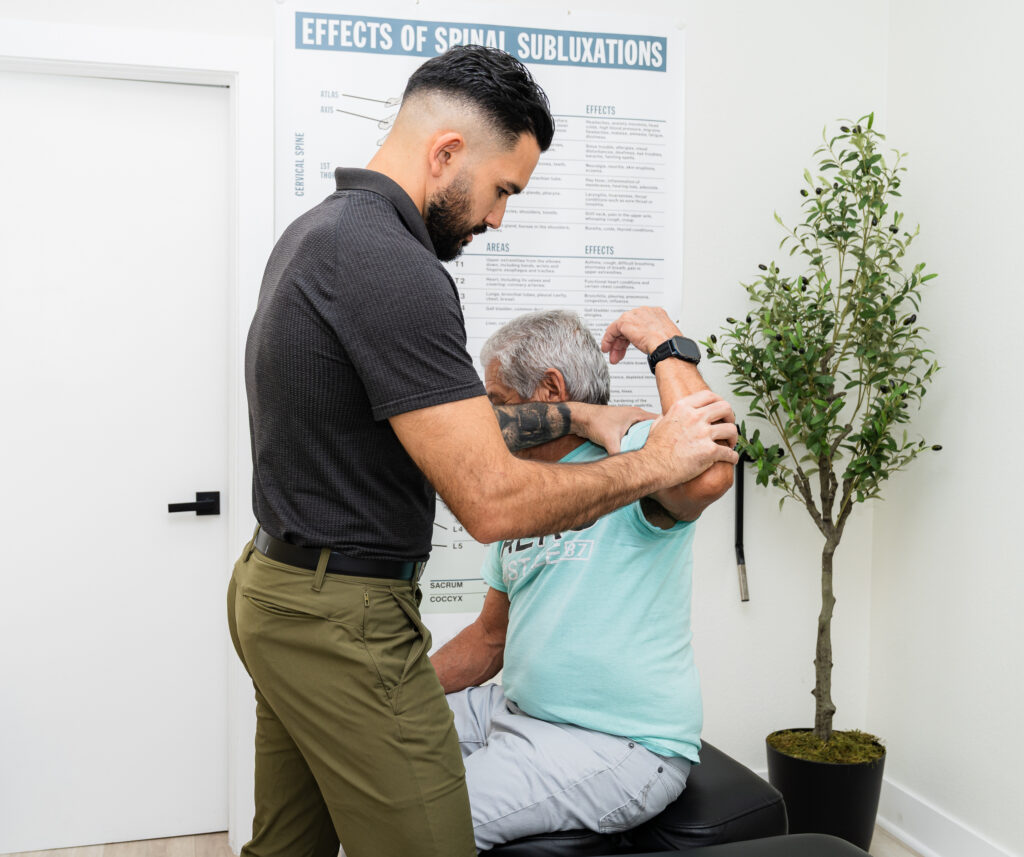

As a local chiropractor, I want to emphasize how crucial your posture is to your overall health. Many people may not realize that poor alignment can lead to chronic pain, fatigue, and even digestive problems. These issues can significantly affect your daily life and your long-term well-being.
The good news is that by making simple adjustments to how you sit, stand, and move, you can experience remarkable improvements in your health. Incorporating small changes into your daily routine can lead to surprising benefits, but it's essential to understand what these changes are and how they can positively impact your body.
So, what's the first step you should take towards better posture? Start paying attention to your body alignment throughout the day. Whether at your desk, in your car, or while engaging in physical activities, being mindful of your posture can set you on the right path. Let's work together to explore these adjustments and enhance your well-being through better posture!
Understanding Posture
As a chiropractor, I want to emphasize the vital role posture plays in your overall health. It influences everything from spinal alignment to your ability to breathe properly. Understanding the importance of good posture is essential for maintaining a strong and healthy body.
When we talk about good posture, we're referring to the ideal position where your bones, muscles, and joints can work in harmony. Proper alignment minimizes strain on your muscles and ligaments, allowing them to perform effectively.
Now, it's important to realize that posture goes beyond simply standing tall. It encompasses the alignment of your head, shoulders, spine, hips, knees, and ankles. When these areas are aligned correctly, gravity can distribute your body weight evenly. This proper balance not only reduces fatigue and discomfort but also helps you feel more energized throughout your day.
To practice good posture, it's essential to be aware of how you position your body during various activities. Whether you're seated at your desk, walking, or exercising, making a conscious effort to adjust your posture can lead to significant long-term benefits.
For instance, when sitting, ensure that your feet are flat on the ground, your back is straight, and your shoulders are relaxed. While standing, distribute your weight evenly between both feet and avoid locking your knees.
Health Risks of Poor Posture
As a local chiropractor dedicated to your health and well-being, I want to emphasize the importance of maintaining proper posture. Many people may not realize the serious consequences that come from neglecting their posture. When you slouch or hunch over, you're placing unnecessary strain on your spine and muscles. This misalignment can lead to chronic back and neck pain, making daily activities uncomfortable and, in some cases, debilitating.
Over time, if left unaddressed, these aches can escalate into more severe conditions such as herniated discs or degenerative joint disease.
But the effects of poor posture extend beyond just your back. It can also have a significant impact on your respiratory system. Slouching compresses your lungs and diaphragm, making it difficult to take deep breaths. This limitation reduces oxygen flow to your body, which can lead to decreased energy levels and feelings of fatigue throughout your day.
Additionally, many people are surprised to learn that posture can affect digestion as well. Sitting or standing with improper alignment can compress your abdominal organs, leading to digestive issues like acid reflux or constipation. The way you hold yourself directly impacts how your internal systems function.
Your mental health can be influenced by your posture too. Research indicates that poor posture can contribute to feelings of anxiety and depression. When you're hunched over, you may feel less confident and more stressed, creating a negative feedback loop that can be challenging to break.
For those of you who spend long hours at a desk, it's important to be aware that poor posture can also lead to repetitive strain injuries. Conditions like carpal tunnel syndrome can arise from unnoticed tension in your arms and wrists due to improper alignment.
By ignoring your posture, you're not only risking physical discomfort but also jeopardizing your overall well-being.
As a chiropractor, I encourage you to take proactive steps to improve your posture. By doing so, you can mitigate these risks and enhance your overall health. Remember, proper alignment isn't just about looking good; it's about feeling good and functioning at your best.
Let's work together to ensure that your body is in the best possible alignment for optimal health!
Benefits of Good Posture
As a chiropractor, I want to emphasize that good posture is much more than just standing tall; it plays a crucial role in your overall health and well-being. When you maintain good posture, you're not only supporting your spine, but you're also alleviating strain on your muscles and ligaments. This proper alignment can significantly help in preventing discomfort in your back, neck, and shoulders, allowing you to feel more at ease throughout your daily activities.
Many people may not realize that good posture can also enhance your confidence. Standing or sitting upright sends a signal of self-assurance, which can positively affect how others perceive you. This perception can improve your interactions and relationships, both personally and professionally, helping you feel more competent and approachable.
Additionally, good posture is vital for optimal breathing. When your body is aligned correctly, your lungs can expand fully, which increases oxygen intake. This boost in airflow can elevate your energy levels and improve your concentration, enabling you to stay focused and productive throughout the day.
Good posture also plays a significant role in digestion. By sitting or standing correctly, you allow your internal organs to function effectively, which can help minimize digestive issues. You may find that you experience less bloating and discomfort after meals, leading to a more pleasant experience.
Finally, maintaining good posture can have a positive impact on your mood. Research indicates that body language is closely linked to your emotional well-being. By adopting an upright posture, you can uplift your mood, alleviate stress and anxiety, and enhance your resilience in challenging situations.
Incorporating good posture into your daily routine isn't just about looking good; it's a simple yet powerful way to improve both your physical and mental health. As your chiropractor, I'm here to guide you on this journey to better posture and overall wellness.
Exercises for Better Posture
As your local chiropractor, I want to emphasize the importance of posture for your overall health.
Improving your posture requires a dedicated focus on strengthening your core muscles while also stretching those that are tight. By incorporating these targeted exercises into your routine, you can provide essential support to your spine and alleviate tension throughout your body.
Let's delve into some effective moves that can help you achieve better posture and enhance your well-being.
Strengthening Core Muscles
As a local chiropractor, I want to emphasize the importance of strengthening your core muscles for achieving and maintaining better posture. Many people think of core strength as just having defined abs, but it actually involves all the muscles surrounding your torso that provide essential support for your spine.
By focusing on these core muscles, you can create a solid foundation for proper alignment, which can significantly reduce strain on your back.
Let's start with a great exercise called the plank. To perform this, position yourself on your elbows and toes, ensuring your body forms a straight line from head to heels. Aim to hold this position for 20-30 seconds, and as you build strength, gradually increase the duration.
Another effective exercise to consider is the bridge. Lie on your back with your knees bent and feet flat on the floor. From this position, lift your hips toward the ceiling, engaging your glutes at the top. Try to complete 10-15 repetitions.
I also recommend incorporating dead bugs into your routine. For this exercise, lie on your back with your arms extended toward the ceiling and your knees bent at a 90-degree angle. Lower your right arm and left leg toward the floor while keeping your back flat against the ground. Return to the starting position and then switch sides.
Integrating these exercises into your daily routine can greatly enhance your core strength, which in turn will support better posture and overall health.
If you have any questions or need guidance on how to incorporate these exercises safely, please feel free to reach out. Your journey towards better health and wellness starts with a strong foundation!
Stretching Tight Muscles
As a chiropractor, I often see how tight muscles can impact your body and posture. When these muscles are overly tight, they can pull your body out of alignment, making it harder to maintain good posture. Stretching is an essential part of rebalancing your body and improving your overall alignment.
Let's start with the chest and shoulders, which can become tight due to our daily activities. A simple yet effective stretch is to stand tall and clasp your hands behind your back. Gently pull your shoulders down and back, allowing your chest to open up. Hold this position for 15-30 seconds. This stretch not only feels good but helps counteract the effects of slouching.
Next, we need to address the hip flexors. These muscles can become tight from too much sitting, which is common in our modern lifestyles. To stretch them, kneel on one knee with the other foot in front, creating a 90-degree angle. Gently push your hips forward while keeping your back straight. Hold this stretch for 15-30 seconds before switching sides. This will help relieve tension in the hips and improve your mobility.
And let's not forget about the hamstrings! Sitting for long periods can also lead to tight hamstrings. To stretch them, sit on the floor with one leg extended and the other leg bent. Reach toward your toes on the extended leg while keeping your back straight. Hold this stretch for 15-30 seconds, then switch legs. This will help lengthen those muscles and improve flexibility.
Incorporating these stretches into your daily routine can significantly alleviate tightness and enhance your posture over time. I recommend aiming to stretch daily or at least several times a week.
As you do this, you may notice a greater sense of relaxation and improved alignment, making it easier for you to maintain that confident, upright posture that contributes to your overall well-being.
Ergonomic Workstation Setup
As a chiropractor dedicated to promoting better posture and overall health, I want to share some essential tips for creating an ergonomic workstation. It's crucial for your well-being, especially if you spend long hours at a desk.
First, let's talk about your chair. It should provide proper support for your lower back. Make sure your feet rest flat on the floor, or use a footrest if necessary. Your knees should be at a 90-degree angle; this position helps reduce strain on your spine and encourages correct alignment, which is fundamental for your health.
Next, let's focus on your desk and monitor setup. Your monitor should be positioned about an arm's length away from you, with the top of the screen at or slightly below eye level. This positioning is vital as it helps prevent neck strain when you look straight ahead.
If you're using a laptop, I recommend investing in a separate keyboard and mouse. This will help keep your wrists in a neutral position, promoting comfort and reducing the risk of repetitive strain injuries.
Additionally, pay attention to the placement of your keyboard and mouse. They should be at a height that allows your elbows to stay close to your body, forming that important 90-degree angle. Keeping your wrists straight while typing is essential, and using a wrist rest can help alleviate any pressure that might build up over time.
Lastly, consider incorporating adjustable features into your workstation. If you have the option, using a sit-stand desk can be a game-changer. Alternating between sitting and standing throughout the day not only helps promote better posture but also enhances circulation and energy levels, which are vital for maintaining your overall health.
Daily Habits for Improvement
As a local chiropractor, I want to emphasize that creating an ergonomic workstation is just the beginning of your journey toward better posture and overall health. To truly make a positive impact, it's essential to incorporate daily habits that support good posture throughout your day.
First and foremost, be mindful of your body mechanics. When you're sitting, ensure your back is straight, shoulders are relaxed, and your feet are flat on the floor or on a footrest. This simple awareness can go a long way in preventing discomfort and promoting spinal health.
It's also vital to take regular breaks. I recommend setting a timer for every 30 to 60 minutes to remind yourself to stand up, stretch, or take a short walk. These mini-breaks can help relieve tension in your neck, shoulders, and back, which often builds up from long periods of sitting. By incorporating these pauses into your routine, you help reset your posture and keep your muscles engaged.
When standing, distribute your weight evenly between both feet, and avoid locking your knees. Engaging your core muscles is crucial for supporting your spine and maintaining good posture.
To further strengthen your posture, consider incorporating exercises such as planks, wall angels, or yoga into your routine. These activities won't only enhance your body awareness but also build the muscles necessary for sustaining good posture.
Finally, pay careful attention to how you carry items. When lifting or holding bags, always use both hands and keep the load close to your body. This practice can help prevent strain and injury.
By implementing these daily habits, you can gradually improve your posture and experience the numerous health benefits that come with it.
Long-Term Maintenance Strategies
As your local chiropractor, I want to emphasize the importance of maintaining good posture for your overall health and well-being. To achieve this in the long run, it's essential to adopt consistent strategies that can work alongside chiropractic care.
I recommend incorporating a daily stretching routine into your life; this can significantly improve your flexibility and help alleviate tension in your muscles.
Additionally, setting up an ergonomic workspace is crucial. Ensure that your chair and desk are aligned to support your body properly while you work. This small adjustment can prevent strain and discomfort over time.
Lastly, practicing mindfulness about your posture throughout the day is key. By staying aware of how you hold your body, you can reinforce good habits that contribute to your spinal health.
Daily Stretching Routine
As a local chiropractor, I want to emphasize the importance of incorporating a daily stretching routine into your life to enhance your long-term posture and overall health. Stretching isn't just about increasing flexibility; it plays a vital role in alleviating muscle tension, which is often a contributor to poor posture.
I recommend starting with just 10 to 15 minutes each day to focus on stretching your major muscle groups, especially those that tend to tighten from prolonged sitting or standing. Pay particular attention to your neck, shoulders, back, and hips.
For example, gentle neck rolls can relieve tension, while shoulder stretches can help open your chest and improve your upper body posture. A standing forward bend is excellent for stretching your spine and hamstrings, and don't forget about hip flexor stretches, which can counteract the negative effects of sitting for extended periods.
It's essential to listen to your body during these stretches. You should feel a mild tension, but if you experience any pain, it's important to stop.
Consistency is crucial—making stretching a daily habit will allow you to reap the full benefits. You might find it helpful to set reminders on your phone or weave stretching into your morning or evening routines.
Over time, a daily stretching routine won't only improve your posture but will also enhance your overall well-being. This, in turn, makes daily activities easier and more comfortable.
I encourage you to start today and experience the positive changes for yourself!
Ergonomic Workspace Setup
As a local chiropractor, I want to emphasize the importance of a daily stretching routine as a foundational step towards achieving a healthier posture.
However, it's equally crucial to ensure that your workspace is ergonomically set up. Without the right environment, your efforts to improve your posture can easily be compromised, especially during long hours spent at your desk.
To truly support your spine and overall well-being, let's focus on creating a workspace that encourages proper alignment and comfort. Here are three key elements to consider:
- Chair Height: Adjusting your chair is vital. Your feet should rest flat on the floor, with your knees at hip level. This positioning helps stabilize your lower back and reduces unnecessary strain, allowing your spine to maintain its natural curves.
- Monitor Position: The placement of your monitor plays a significant role in your posture. It should be at eye level and about an arm's length away. This setup helps prevent neck strain and encourages you to sit upright, rather than leaning forward, which can lead to discomfort over time.
- Keyboard and Mouse Placement: It's important to keep your keyboard and mouse within easy reach. This way, you can maintain relaxed shoulders and bend your elbows at approximately 90 degrees. Proper placement minimizes wrist strain and promotes better alignment of your arms, reducing the risk of repetitive strain injuries.
By paying attention to these ergonomic details, you can create a workspace that not only supports your posture but also enhances your overall health.
Mindfulness and Awareness
As your local chiropractor, I want to emphasize the importance of practicing mindfulness and awareness for maintaining good posture over time. By being present and attentive to your body, you can easily recognize when you're slouching or holding tension, which are common issues that can lead to discomfort and misalignment.
I encourage you to incorporate short mindfulness breaks into your daily routine. Consider setting a timer to remind yourself to pause, take a deep breath, and evaluate your posture. This simple act can help you realign your body and create a sense of balance.
As you develop your awareness, pay attention to how your body feels in various positions—whether you're standing, sitting, or walking. Are your shoulders relaxed? Is your spine aligned? Noticing these details empowers you to make necessary adjustments before any discomfort arises.
To further enhance your body awareness, I recommend mindfulness techniques such as body scans or meditation focused on posture. These practices not only heighten your awareness but also help reduce stress, which is often a contributing factor to poor posture.
Additionally, consider engaging in activities that promote mindfulness, such as yoga or tai chi. These exercises help improve your awareness of movement and alignment, while also strengthening your core muscles, which support proper posture.
Ultimately, the more you practice mindfulness, the more natural it will become to maintain good posture. This will allow you to carry yourself with ease throughout your daily life, reducing the need for chiropractic adjustments and supporting your overall well-being.
Conclusion
As a local chiropractor, I want to share how incorporating better posture into your daily routine can significantly enhance your health and well-being. Many individuals may not realize the risks associated with poor posture, but understanding these dangers is the first step toward a healthier lifestyle.
At my practice, I emphasize the importance of proper alignment and the numerous benefits it brings. Regular exercises, setting up an ergonomic workstation, and cultivating mindful habits are all vital components of your journey toward improved posture.
It's essential to remember that consistency is key. By making these adjustments a regular part of your life, you can experience remarkable changes in your energy levels, mood, and overall health. Embrace this opportunity for growth, and I assure you, you'll feel the positive impact it has on your life. If you have questions or need guidance on how to incorporate these changes, I'm here to help you every step of the way.