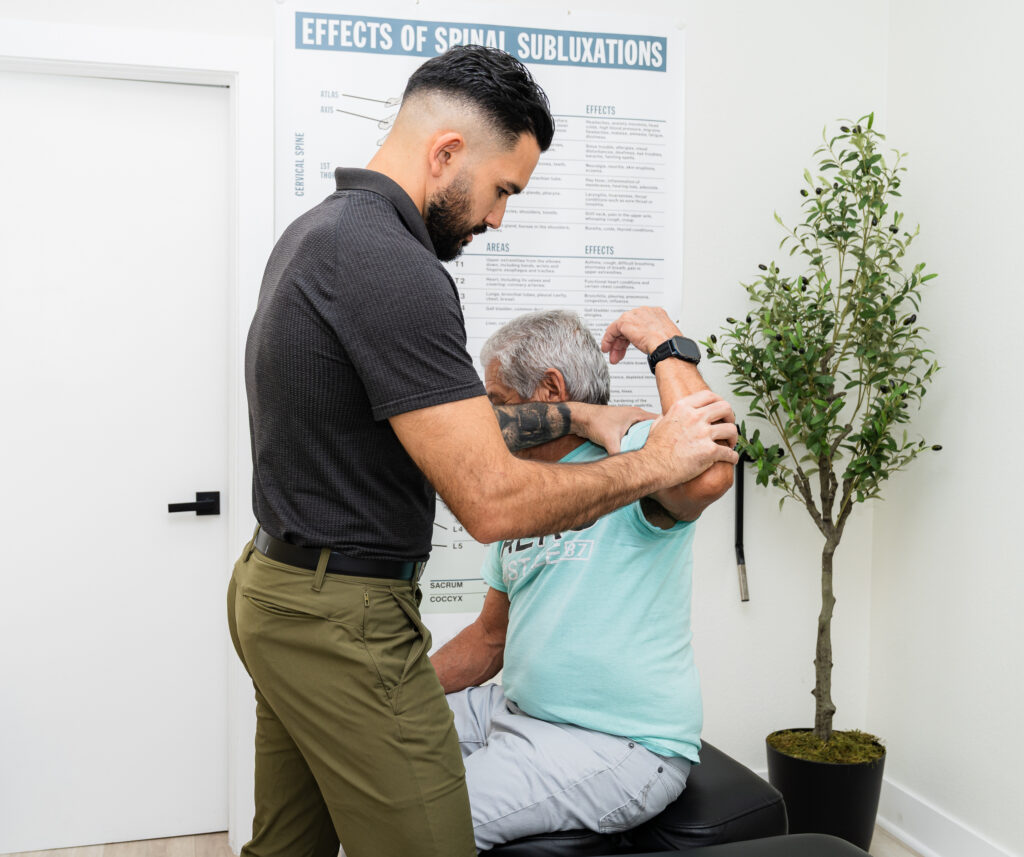

As a local chiropractor, I often see patients who are eager to improve their posture naturally. You might be surprised to learn just how simple adjustments can lead to significant improvements. One of the key areas to focus on is strengthening your core; a strong core supports your spine and helps you maintain a healthy posture.
Additionally, it's important to evaluate your workspace. Ensuring that your desk and chair are ergonomically designed can alleviate strain on your back and neck. Incorporating regular movement throughout your day is another essential strategy; even short breaks to stretch or walk can make a big difference.
Mindful breathing techniques are also vital. They help you become more aware of your body and can encourage better posture habits. Consistent posture checks throughout the day can reinforce these habits, allowing you to develop a more natural alignment over time.
So, what specific techniques can you start implementing today? Let's delve deeper into these tips together. By making these adjustments, you may notice not only an improvement in how you sit or stand, but also a positive shift in how you feel overall. Remember, your journey to better posture and overall wellness can begin with small, manageable changes.
Strengthen Core Muscles
As a local chiropractor, I want to emphasize the importance of strengthening your core muscles for better posture and overall stability. A strong core is essential for supporting your spine and keeping your body aligned, which helps you stand tall and move efficiently. When core muscles are weak, it's common to see individuals slumping or leaning, leading to discomfort and potential long-term issues.
To get started, I recommend incorporating exercises such as planks, bridges, and sit-ups into your routine. These exercises effectively target various core muscles, including your abdominals, obliques, and lower back. Ideally, aim for three sessions a week, allowing your muscles to recover in between workouts. As you become more comfortable with these exercises, consider gradually increasing the intensity or duration to continue challenging yourself.
Additionally, don't overlook the benefits of functional movements. Activities like yoga or Pilates can significantly enhance your core strength while also promoting flexibility and balance. These practices encourage you to engage your core during every movement, reinforcing the essential connection between strength and good posture.
It's also crucial to be mindful of your posture throughout your daily activities. Whether you're sitting at a desk or waiting in line, pay attention to how you hold your body. Engaging your core while maintaining an upright position can substantially improve your posture and alleviate strain on your back.
Lastly, consistency is key in your journey to strengthen your core. As you build this strength, you'll likely notice improvements not only in your posture but also in your overall physical performance, supporting a healthier lifestyle.
Strengthening your core is a vital step towards better posture and stability, and I'm here to help guide you on this path to natural healing and wellness.
Practice Mindful Breathing
As a chiropractor, I often emphasize the importance of mindful breathing in promoting better posture and overall body awareness. This simple yet powerful practice can significantly enhance your well-being by helping you relax and tune into how your body feels.
When you take a moment to focus on your breath, you can release built-up tension and become more aware of your posture. This awareness is crucial for maintaining good alignment, as it allows you to notice when you're slouching or holding your body in an uncomfortable position, which can lead to discomfort and pain.
To practice mindful breathing, I encourage you to find a quiet space where you can either sit or stand comfortably. Begin by taking a deep breath in through your nose, filling your lungs completely. Hold that breath for a moment, and then exhale gently through your mouth. While you breathe, pay close attention to how your body feels. Identify any areas of tension, and consciously relax those muscles.
Establishing a rhythm in your breathing can be beneficial. Try inhaling for a count of four, holding for another count of four, and then exhaling for a count of four. This technique not only soothes your mind but also encourages your body to align itself naturally. Over time, you may notice that you feel more centered and balanced, which can lead to improved posture.
I recommend incorporating mindful breathing into your daily routine. Whether it's during a short break at work or as part of your morning or evening ritual, this practice can cultivate a greater sense of body awareness.
Adjust Your Workspace
As a local chiropractor, I understand the importance of maintaining good posture, especially for those who spend long hours at a desk. Adjusting your workspace is a crucial step in supporting your spinal health and overall comfort. Simple modifications can have a significant impact on your posture and well-being.
First and foremost, it's vital that your chair provides adequate support for your lower back. Investing in an ergonomic chair can be beneficial, as it promotes a natural curve in your spine. If an ergonomic chair isn't an option for you, consider using a lumbar roll or cushion to enhance lower back support.
Next, pay attention to your computer monitor's height. Positioning your monitor at eye level is essential to prevent straining your neck and eyes. For those using a laptop, consider a stand or an external keyboard and mouse to elevate the screen to a more ergonomic height. Your feet should rest flat on the floor or on a footrest, with your knees comfortably bent at a 90-degree angle.
It's also important to adjust the height of your desk. If your desk is too high or low, it can lead to slouching or leaning forward, putting extra strain on your back. When typing, ensure that your elbows form right angles, and your wrists remain in a neutral position to avoid discomfort.
Lastly, keep commonly used items within easy reach to minimize unnecessary stretching or twisting. A tidy desk not only creates a more organized work environment but also encourages better posture.
By making these adjustments to your workspace, you can foster a healthier posture throughout your workday. Remember, these small changes today can lead to significant improvements in your comfort and well-being in the long run.
As your chiropractor, I encourage you to prioritize these adjustments for a healthier spine and a better quality of life.
Incorporate Stretching Routines
As a local chiropractor, I'm passionate about helping you understand the importance of incorporating stretching routines into your daily life to enhance your posture and alleviate tension. Many of us spend long hours sitting, which can lead to stiffness and poor alignment. By dedicating just a few minutes each day to stretching, you can significantly improve your posture and overall well-being.
Let's start with some simple stretches that target key muscle groups. It's important to focus on areas that typically hold tension, such as your neck, shoulders, back, and hips. For example, neck rolls can help relieve tightness, shoulder shrugs can release built-up tension, and chest openers can counteract the tendency to slouch. You might also find value in standing stretches, like a forward bend, which can elongate your spine and hamstrings.
I recommend aiming to stretch every couple of hours, especially if you find yourself working at a desk for extended periods. Setting reminders on your phone or placing sticky notes around your workspace can serve as helpful prompts. When you stand up to stretch, take a moment to breathe deeply. This not only nourishes your muscles but also refreshes your mind, leading to increased productivity.
Consider integrating a short stretching routine into your schedule, whether it's before or after work, or even during your breaks. Practices like yoga or Pilates can be particularly beneficial, as they emphasize flexibility and core strength—two essential elements for maintaining good posture.
Remember, consistency is key. The more regularly you stretch, the more you'll notice improvements in your posture and a reduction in discomfort.
As your chiropractor, I encourage you to make stretching a priority in your daily routine. By doing so, you'll not only support your body's natural alignment but also promote a healthier, more active lifestyle. Together, we can work towards achieving your wellness goals and helping your posture flourish!
Stay Active Throughout the Day
As a local chiropractor, I want to emphasize the importance of staying active throughout your day to maintain good posture and prevent stiffness. Regular movement is crucial for keeping your muscles strong and flexible, which directly supports your spine and promotes overall alignment.
To start, I recommend setting reminders to stand up and stretch every hour. Even dedicating just five minutes to a quick walk or some light stretching can significantly relieve tension and encourage proper posture. If you find yourself working at a desk for long periods, consider investing in a standing desk or a balance ball chair. These options can help promote active sitting, allowing you to stay more engaged with your body.
Incorporating physical activity into your daily chores can also make a big difference. Opt for the stairs instead of the elevator or park a bit farther from your destination to increase your step count. This not only keeps you moving but also reinforces your body's natural alignment.
I also encourage you to explore activities like yoga or Pilates, which focus on core strength and flexibility. These practices can greatly enhance your posture over time and are fantastic for overall well-being.
During your downtime, don't forget to do small exercises like neck rolls or shoulder shrugs to release any built-up tension.
Conclusion
As a local chiropractor, I want to share some valuable insights on how you can enhance your posture naturally, which can significantly improve your confidence and overall well-being. Here are five essential tips to consider:
- Strengthen Your Core: A strong core is fundamental to good posture. Engaging in exercises that target your abdominal and back muscles can provide the support your spine needs to maintain proper alignment.
- Practice Mindful Breathing: Breathing deeply and consciously can help release tension in your body. By focusing on your breath, you can promote relaxation and improve your posture, allowing your spine to settle into its natural curves.
- Adjust Your Workspace: If you spend long hours at a desk, it's crucial to create an ergonomic workspace. Ensure your chair, monitor, and keyboard are positioned to support your posture, reducing strain on your back and neck.
- Incorporate Stretching Routines: Regular stretching can relieve tightness and enhance flexibility, making it easier to maintain good posture. Simple stretches throughout the day can counteract the effects of prolonged sitting or standing.
- Stay Active: Engaging in regular physical activity is vital for maintaining a healthy posture. Activities like walking, yoga, or pilates can promote strength and flexibility, contributing to better alignment.
Remember, small adjustments in your daily habits can lead to significant improvements in your posture. Take a moment to assess how you're sitting or standing, and make the necessary changes to support your body's natural alignment. Your spine will thank you for it! If you have any questions or need further guidance, feel free to reach out—I'm here to help you on your journey to better health.