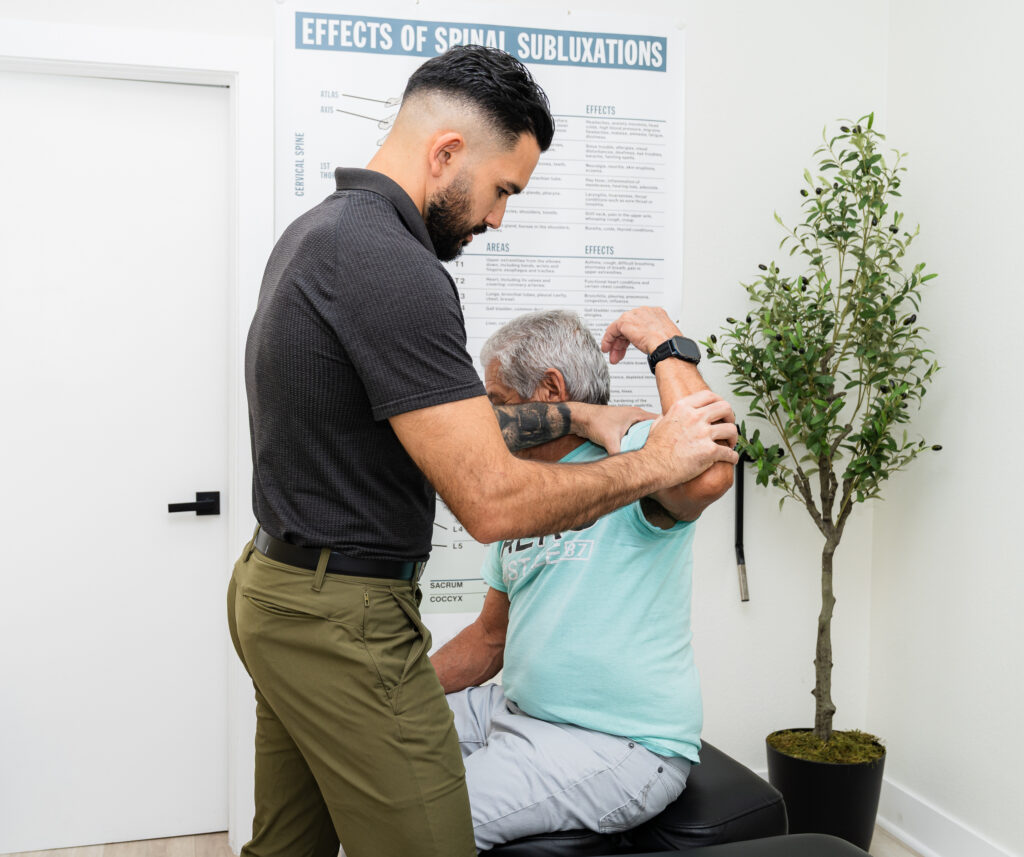

As a local chiropractor, I've seen how anxiety can unexpectedly disrupt daily life, making even simple tasks feel daunting. Understanding your triggers is essential, and I believe we can work together to create a more peaceful environment for you. While practices like deep breathing and maintaining a consistent routine can be beneficial, there's so much more we can explore. Chiropractic care focuses on aligning the body and promoting overall wellness, which can significantly alleviate anxiety and improve your mental clarity. By incorporating spinal adjustments and holistic strategies into your routine, you could unlock deeper levels of calm that enhance your well-being. Let's take the next steps together on your journey toward lasting peace and health.
Understanding Anxiety Triggers
As a chiropractor, I want to help you understand the connection between anxiety and your overall well-being. When you become aware of your anxiety triggers, you can take proactive steps to manage your feelings and promote a healthier state of mind. Identifying these triggers is crucial in regaining control over both your mental and physical health.
Anxiety can stem from a variety of sources, such as certain environments, particular thoughts, or even interactions with specific individuals. I encourage you to reflect on your own experiences. When do you notice heightened feelings of anxiety? Is it during social events, while at work, or when facing tight deadlines?
Keeping a journal can be a valuable tool in this process. Track your experiences by noting the context, your thoughts, and how you felt in those moments. Over time, you may start to see patterns that reveal the specific triggers that lead to your anxiety. Understanding these patterns gives you the power to anticipate situations that might increase your anxiety levels.
Once you identify your triggers, we can work together to develop strategies to cope with them. For example, if you find crowded places overwhelming, we can discuss techniques such as arriving early to avoid the rush or incorporating deep breathing exercises to calm your nervous system.
It's also important to challenge any negative thoughts that may arise in connection with your triggers. Often, our minds can exaggerate how serious a situation is. By confronting these thoughts and reframing them with more balanced perspectives, you can reduce their impact on your anxiety.
In chiropractic care, we recognize the mind-body connection and how physical health can influence emotional well-being. By addressing your physical health through natural healing techniques, we can work towards alleviating some of the tension that often accompanies anxiety, leading to a more balanced and fulfilling life.
Practicing Mindfulness Techniques
As your local chiropractor, I want to help you understand that managing anxiety is an important aspect of your overall well-being, and there are natural techniques that can complement your chiropractic care. One key approach is mindfulness, which involves focusing on the present moment without judgment. This practice can create a beneficial space between your thoughts and emotions, helping to alleviate anxiety.
A technique I often recommend is grounding. When you feel overwhelmed, take a moment to reconnect with your surroundings. Identify five things you can see, four you can touch, three you can hear, two you can smell, and one you can taste. This simple exercise helps ground you in the here and now, reducing feelings of anxiety and stress.
Another effective practice is the body scan. Find a quiet spot, close your eyes, and mentally scan your body from head to toe. Pay attention to any areas of tension or discomfort, and consciously relax those muscles. This technique not only aids in relieving mental stress but also aligns with the physical benefits of chiropractic care by promoting body awareness and relaxation.
I also encourage you to incorporate mindful observation into your daily routine. Select an object, such as a flower or a piece of fruit, and examine it closely. Notice its colors, textures, and shapes. This focused observation sharpens your ability to stay present and can help ease racing thoughts, which often accompany anxiety.
Lastly, consider starting a mindfulness journal. By writing down your thoughts and feelings without judgment, you can articulate and confront your emotions, making them feel more manageable. This practice aligns with the holistic approach of chiropractic care, where we aim to address not just physical alignment but also emotional well-being.
Incorporating Deep Breathing
As a local chiropractor, I want to share with you a valuable technique that can greatly enhance your well-being and help manage anxiety: deep breathing. Many of my patients come to me seeking relief from stress and tension, and I'm often reminded of how powerful something as simple as focusing on your breath can be.
When stress starts to build, taking a moment to engage in deep breathing can lead to a significant shift in your mental and physical state. Deep breathing isn't only easy to do, but it also sends a message to your body to relax, which can help alleviate tension and anxiety.
To incorporate this practice into your daily routine, I recommend finding a quiet space where you can be undisturbed. Get comfortable, whether sitting or lying down, and close your eyes. Inhale deeply through your nose for a count of four, allowing your belly to expand as your lungs fill with air. Hold that breath for another count of four, and then exhale slowly through your mouth for a count of four. Repeat this process several times, paying attention to the rhythm of your breath.
Throughout your day, especially when you feel overwhelmed, I encourage you to practice deep breathing. Whether you're at work, at home, or even in a public place, dedicating a few minutes to focused breathing can help ground you and restore your calm. You might find it helpful to set reminders for yourself, particularly during stressful situations.
What's wonderful about deep breathing is that it's accessible to everyone; no special equipment or training is needed—just a commitment to take a moment for yourself.
With regular practice, many of my patients have reported a noticeable reduction in anxiety levels and an increased sense of calm in their daily lives. Integrating this simple technique alongside chiropractic care can further enhance your overall health and well-being.
Establishing a Healthy Routine
As a chiropractor dedicated to your overall well-being, I want to emphasize the importance of establishing a healthy routine to effectively manage anxiety.
One of the best ways to start your day is through mindfulness practices, which can help center your thoughts and reduce stress. Additionally, maintaining a consistent sleep schedule is crucial for both your physical and mental health.
Remember, balanced nutrition choices play a significant role in how your body and mind function.
Morning Mindfulness Practices
As a chiropractor, I understand the importance of starting your day with mindful practices that not only promote overall well-being but also support your body's natural healing processes. Incorporating these routines can set a positive tone for your day while helping to alleviate anxiety and tension throughout your morning.
Begin with some deep breathing exercises. Inhale deeply through your nose, hold for a few seconds, and then exhale slowly through your mouth. This simple practice calms your nervous system, helps to reduce stress, and centers your thoughts, which is essential for maintaining good spinal health.
Consider adding a short meditation session to your morning. Find a quiet space, close your eyes, and focus on your breath. If your mind starts to wander, gently bring your attention back to your breathing. Just five minutes of meditation can significantly improve your mental clarity and promote a sense of peace, which is beneficial for both your mind and body.
Gentle stretching or yoga can also be incredibly helpful. These practices not only wake up your body but also release built-up tension in your muscles and joints. Pay attention to how your body feels, and move at your own pace. This mindfulness in movement can enhance your flexibility and support your chiropractic treatment.
Lastly, take a moment to set an intention for your day. It could be something simple like "I will approach today with gratitude" or "I will be mindful of my posture." Writing it down or saying it out loud reinforces your commitment to both your mental and physical health.
Consistent Sleep Schedule
As a local chiropractor, I want to emphasize the importance of a consistent sleep schedule for your overall health and well-being. Establishing a regular routine of going to bed and waking up at the same time each day helps regulate your body's internal clock, which is crucial not only for good sleep but also for your physical and mental health.
When your sleep patterns are consistent, you're likely to experience better sleep quality, improved mood, and reduced anxiety levels.
To create a healthy sleep routine, I recommend setting a fixed bedtime and wake-up time, even on weekends. This consistency sends a clear signal to your body about when it's time to wind down and when it's time to wake up.
Incorporating a calming pre-sleep ritual, such as gentle stretching or reading, can also help prepare your mind and body for rest.
It's important to limit your exposure to screens at least one hour before bedtime. The blue light emitted by devices can disrupt melatonin production, making it more difficult to fall asleep.
Additionally, ensure your sleep environment is conducive to rest—keep the room dark, quiet, and comfortably cool. If you find it challenging to fall asleep, consider trying relaxation techniques like deep breathing exercises or visualization to help ease your mind.
As your chiropractor, I believe that prioritizing a consistent sleep schedule is an essential part of a holistic approach to health. By taking these steps, you can support your body's natural healing processes and enhance your overall well-being.
Balanced Nutrition Choices
As a local Chiropractor, I want to emphasize the importance of balanced nutrition choices in supporting not just your physical health, but also your mental well-being. When you pay attention to what you eat, you're not simply nourishing your body; you're also positively impacting your mood and managing anxiety levels.
Including a diverse range of fruits, vegetables, whole grains, and lean proteins can enhance your energy stability and uplift your overall mindset. It's crucial to steer clear of processed foods, excessive sugar, and caffeine. While these may offer a quick pick-me-up, they often lead to energy crashes that can exacerbate feelings of anxiety.
Instead, focus on creating balanced meals that incorporate healthy fats—such as avocados and nuts—which are beneficial for your brain health. Hydration is another key component to consider. Adequate water intake is essential for both your body and mind.
Dehydration can sometimes mimic anxiety symptoms, so being attentive to your fluid consumption can help reduce stress and promote clarity. Finally, I recommend planning your meals in advance. This proactive approach not only helps you make healthier choices but also alleviates the stress associated with last-minute food decisions.
Exploring Physical Activity
As a local chiropractor, I'd like to emphasize the vital connection between physical activity and mental health. Engaging in regular exercise is a natural way to reduce anxiety and enhance your overall well-being. When you move your body, it releases endorphins—those wonderful hormones that elevate your mood and promote relaxation. You don't have to undertake strenuous workouts like running marathons or lifting heavy weights; even simple activities like a brisk walk or a gentle yoga session can offer significant mental health benefits.
Integrating physical activity into your daily routine can be an effective strategy for managing stress and anxiety. Start by setting achievable goals that align with your lifestyle. Whether it's dancing in your living room, biking around your neighborhood, or practicing tai chi, find a physical activity that you genuinely enjoy. This enjoyment will encourage you to stay committed to your routine.
Aim for at least 30 minutes of moderate exercise most days of the week. Feel free to break this down into shorter, more manageable sessions if that suits you better. Consistency is essential, so strive to create a routine that fits your preferences and schedule.
And remember to listen to your body; if you ever feel fatigued or overwhelmed, it's perfectly fine to take a break or choose a gentler form of exercise.
Engaging in physical activity not only helps alleviate anxiety but also contributes to your overall health and wellness. It's important to remember that this journey is about progress, not perfection. Celebrate every achievement, no matter how small, and enjoy the path towards a calmer, more balanced life through movement.
As your chiropractor, I'm here to support you in integrating these practices into your life for optimal health.
Limiting Screen Time
As a chiropractor, I often emphasize the importance of holistic wellness, which includes managing your screen time. Limiting your exposure to screens can significantly alleviate anxiety and stress, particularly because the blue light emitted by devices can disrupt your sleep and negatively affect your mood.
Taking a break from social media not only serves as a refreshing detox but also allows you to reconnect with the world around you and foster real-life relationships, which are vital for your overall health.
By setting healthy boundaries around your device usage, you can cultivate a more balanced lifestyle. This, in turn, supports your spine and nervous system, promoting optimal function and well-being.
Consider incorporating these practices into your daily routine for a more peaceful and fulfilling life, free from the distractions of excessive screen time. Your body and mind will thank you for it!
Impact of Blue Light
As a local chiropractor, I want to share some important insights about the impact of blue light on your overall well-being. Many people may not realize that excessive exposure to blue light, especially from screens, can significantly contribute to anxiety and sleep disturbances.
When you're frequently using devices like smartphones, tablets, and computers, it can disrupt your natural sleep-wake cycle. For instance, if you're engaging with your screen late into the night, your brain receives signals that it's still daytime, making it much harder for you to unwind and prepare for restful sleep.
To help mitigate these effects, I encourage you to be mindful of your screen time, particularly in the hours leading up to bedtime. A good practice is to turn off all devices at least an hour before you intend to sleep. Instead, consider replacing that screen time with relaxing activities like reading a book, practicing meditation, or engaging in other calming pursuits that don't involve screens.
Additionally, taking breaks throughout the day can help reduce your overall exposure to blue light. One effective technique is the 20-20-20 rule: every 20 minutes, look at something 20 feet away for 20 seconds. This simple action can alleviate eye strain and promote a sense of relaxation.
Social Media Detox
As your local chiropractor, I often see the impact of screen time on both physical and mental well-being. Excessive social media use can lead to increased anxiety and stress, which can manifest in tension in your spine and muscles. By taking control of your screen time, you can help alleviate some of that pressure and promote a healthier lifestyle.
I recommend starting by setting specific limits on how much time you spend on social media each day. Consider using apps that track your usage or setting daily reminders to help keep you accountable.
Designate certain hours—like during meals or before bedtime—when you won't check your accounts. This creates a necessary break from the digital world and allows your body and mind to relax.
Additionally, it's important to evaluate the content you consume. Unfollow accounts that trigger negative feelings or comparisons, and instead curate your feed to include positive, uplifting content. Surrounding yourself with inspiration rather than negativity can have a profound effect on your mental health.
Remember, it's perfectly okay to take breaks from social media altogether. Even a weekend or a week away from these platforms can do wonders for your mental clarity and overall well-being.
Establishing Healthy Boundaries
As a local chiropractor, I want to emphasize the importance of setting healthy boundaries around screen time for your overall well-being—both mental and physical. Many of us find ourselves glued to our screens, whether it's scrolling through social media or binge-watching our favorite shows, and this can have a negative impact on our health.
I encourage you to start by establishing specific limits on your daily screen time. Utilize apps or features on your devices that help you monitor and reduce usage. This isn't just about limiting distractions; it's about creating space for your body and mind to thrive.
Consider implementing screen-free zones in your home, such as the dining room or bedroom. This practice promotes more face-to-face interactions with family and friends and can significantly improve your sleep quality—both of which are crucial for optimal health.
In addition, try to schedule regular breaks from screens, especially during meals and before bedtime. These breaks allow your mind to relax and can reduce stress, which is beneficial for your spinal health and overall wellness.
I also encourage you to explore alternative activities that don't involve screens. Engaging in reading, exercising, or spending time outdoors can greatly enhance your quality of life while also reducing the strain that prolonged screen time can place on your body.
Embracing Nature and Outdoors
In today's fast-paced world, stepping outside and connecting with nature can serve as a powerful remedy for anxiety. As your local chiropractor, I want to highlight the importance of holistic approaches to well-being. Immersing yourself in the great outdoors not only provides a mental break from the overwhelming pace of daily life but also supports your physical health by promoting relaxation and reducing tension.
Consider taking a walk in a nearby park or hiking along forest trails. As you engage in these activities, pay attention to your surroundings—the warmth of the sun on your skin, the refreshing scent of pine trees, or the soothing sound of a nearby stream. This mindful engagement with nature not only calms the mind but also encourages proper posture and movement, which are essential for spinal health.
If a hike feels like too much, simply sitting in your backyard or on a balcony can be incredibly beneficial. Bring along a book, listen to your favorite music, or practice deep breathing while observing the world around you.
Take note of the birds, the movement of the wind, and the clouds drifting by. These moments of stillness and observation can significantly improve your mindset and help alleviate anxiety, which in turn can promote better alignment and function in your body.
Incorporating nature into your routine is a natural way to complement chiropractic care and enhance your overall well-being. Remember, your mental and physical health are interconnected, and embracing the outdoors can be a vital part of your healing journey.
Connecting With Supportive Communities
Finding solace in nature can offer tremendous benefits for overall well-being, but as a chiropractor, I want to emphasize the importance of community in managing not just physical health but also mental wellness, including anxiety. Connecting with supportive communities can provide you with a sense of belonging and understanding that may be hard to find elsewhere.
When you share your experiences with others facing similar challenges, it normalizes your feelings and reinforces the idea that you aren't alone in your journey.
I encourage you to consider joining local support groups, either in person or online, particularly those focused on health and wellness. These spaces are designed for individuals like yourself, providing a platform to share thoughts and feelings without judgment.
You'll discover that many others are eager to listen and share their own stories, creating bonds that foster healing and reassurance.
Engaging in group activities, whether it's a yoga class, a fitness group, or community volunteering, can also help you connect with others while promoting physical health.
These experiences not only serve as a distraction from anxious thoughts but also allow you to build meaningful friendships. Look for community centers or organizations that align with your interests; they often offer various opportunities to meet new people and support your overall health.
Don't overlook the power of social media either. Online communities can be incredibly supportive, providing a platform to share resources, advice, and encouragement related to natural healing and chiropractic care.
Just remember to engage mindfully and seek out positive interactions that align with your wellness journey.
Ultimately, surrounding yourself with understanding and empathetic individuals can act as a powerful buffer against anxiety.
As you navigate your path toward calm, I encourage you to reach out, build connections, and let the warmth of community uplift you, complementing your chiropractic care and natural healing practices.
Together, we can work towards achieving a balanced and healthy life.
Seeking Professional Guidance
When navigating through anxiety, exploring chiropractic care can be a valuable addition to your journey toward mental wellness. Chiropractors, like myself, focus on the connection between the body and mind, and we believe that physical health can significantly influence mental health. By addressing any misalignments in your spine, we can help reduce physical tension and stress, which may contribute to your feelings of anxiety.
Finding the right chiropractor is essential. Start by looking into their qualifications and their approach to care. Some practitioners may incorporate techniques that align with your preferences, such as gentle spinal adjustments, massage therapy, or holistic wellness strategies. Don't hesitate to reach out for an initial consultation; this is a great way to gauge their style and see if you feel comfortable with them.
During your visits, it's important to communicate openly about your experiences and how they relate to your anxiety. This information allows us to tailor our approach to best suit your needs. I may suggest a combination of physical adjustments, exercises, and lifestyle recommendations that can help you feel more grounded and balanced.
Remember, healing is a process, and it's perfectly normal to feel vulnerable as you explore these changes. Additionally, consider integrating other natural healing modalities into your routine, such as nutrition or mindfulness practices. While chiropractors don't prescribe medication, we can work alongside other healthcare providers, ensuring a holistic approach to your well-being.
Ultimately, seeking help from a chiropractor is a proactive step toward managing your anxiety. By prioritizing both your physical and mental health, you can cultivate a more relaxed and balanced version of yourself.
Conclusion
As a local chiropractor, I want to share how small, mindful adjustments in your daily routine can help you access a sense of calm and reduce anxiety. Incorporating practices like deep breathing can significantly enhance your overall well-being. Establishing a healthy routine is essential, and I encourage you to include regular physical activity, particularly outdoors, as this can greatly benefit both your body and mind.
It's also important to be mindful of your screen time. Reducing this can help you connect with supportive communities and foster relationships that promote emotional health. Remember, seeking professional guidance, such as chiropractic care, can be a valuable step towards achieving a more balanced life. Embrace these holistic practices, and you'll find it easier to navigate life's challenges with clarity and ease.