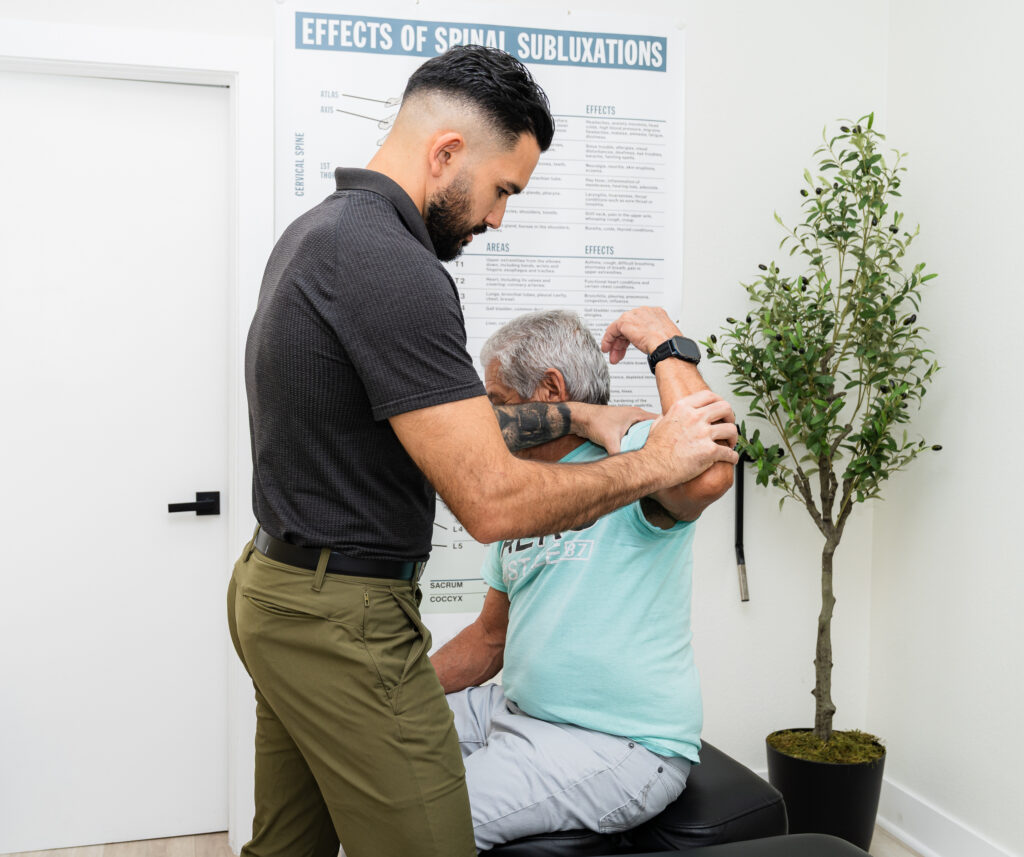

As a local chiropractor, I want to emphasize the crucial role that joint flexibility plays in your overall health and well-being. Many people don't realize how vital it is until they begin to experience stiffness or limitations in their movement. By integrating simple yet effective strategies into your daily routine—such as targeted stretching, strength training, and mindful practices—you can significantly improve your mobility. These approaches not only enhance your physical activities but also foster long-term joint health. If you're curious about specific techniques and lifestyle adjustments that can truly make a difference in your life, I'm here to guide you on your journey to better joint health through natural healing methods.
Understanding Joint Flexibility
As a local chiropractor, I want to help you understand the importance of joint flexibility and how it impacts your overall mobility and physical performance.
Joint flexibility refers to the range of motion your joints can achieve, and when your joints are flexible, you can move more freely and efficiently in your daily life. This means tasks like bending, reaching, or twisting become easier, allowing you to enjoy a more active lifestyle.
Multiple factors can influence your joint flexibility, such as age, genetics, and your level of physical activity. As we age, it's common for joints to become stiffer, limiting your range of motion. A sedentary lifestyle can worsen this stiffness, making it crucial to stay active. Incorporating regular stretching exercises into your routine can help maintain your joint flexibility and keep your joints feeling supple.
The type of activities you engage in also plays a significant role in your joint mobility. Activities that emphasize flexibility, such as yoga or Pilates, can greatly enhance your range of motion and overall body awareness.
Even simple dynamic stretches can prepare your joints for movement, helping to reduce the risk of injury.
It's important to understand that flexibility training isn't just for athletes—it's beneficial for everyone. Whether you're a fitness enthusiast or simply looking to maintain a healthy lifestyle, improving your joint flexibility can enhance your overall physical performance.
Importance of Warm-Up Exercises
As a local chiropractor dedicated to promoting natural healing and wellness, I can't stress enough the importance of warm-up exercises in preparing your body for physical activity and preventing injuries. When you warm up, you gradually elevate your heart rate and increase blood flow to your muscles, ensuring that your body is well-equipped to handle the demands of exercise. Neglecting this crucial step can lead to muscle strains, joint injuries, and diminished overall performance.
Here's why incorporating warm-up exercises into your routine is essential for your health:
- Enhances Circulation: Warm-ups are vital for boosting blood flow, which delivers essential oxygen and nutrients to your muscles, thus enhancing their functionality.
- Improves Flexibility: Engaging in dynamic movements during your warm-up loosens your joints and muscles, preparing them for more intense activity, which is especially important for maintaining joint health.
- Boosts Performance: A well-executed warm-up can significantly enhance your overall performance by increasing your range of motion and coordination, allowing for a more effective workout.
- Reduces Injury Risk: By taking the time to warm up, you greatly decrease the likelihood of injuries, enabling you to enjoy your exercise routine without setbacks and promoting long-term wellness.
- Mental Focus: Warm-ups also serve as a mental transition into your workout, helping you concentrate and set a positive tone for your exercise session.
Incorporating warm-up exercises into your routine doesn't have to be a lengthy process. Just 5 to 10 minutes of light cardio and dynamic movements can create a significant impact on your physical health.
Whether you're preparing for a workout at the gym or going for a jog, prioritizing your warm-up is crucial. Your body will reward you with improved performance, increased flexibility, and a lower risk of injury, aligning perfectly with the principles of chiropractic care and natural healing.
Stretching Techniques for Flexibility
As a local chiropractor, I want to share how essential effective stretching techniques are for improving your flexibility and overall well-being.
To start off, it's important to warm up your muscles and joints with dynamic stretches. These movements mimic the activities you'll engage in, such as leg swings or arm circles. They increase blood flow and prepare your body for more intense stretching, which is key to maintaining flexibility.
Once you feel warmed up, it's time to transition to static stretching. Holding each stretch for about 15 to 30 seconds is beneficial, especially for major muscle groups like your hamstrings, quadriceps, and shoulders. Remember to breathe deeply during these stretches; it aids in muscle relaxation and enhances the effectiveness of the stretch. For example, try sitting down and reaching for your toes to effectively stretch your hamstrings.
Another technique I recommend is PNF (Proprioceptive Neuromuscular Facilitation) stretching. This method involves either a partner or an object to provide resistance while you contract a muscle, then relax and stretch it further. It can significantly improve your range of motion and flexibility, which is crucial for preventing injuries.
Additionally, it's important to incorporate stretches that specifically target your joints. Simple movements like wrist and ankle rolls can help maintain flexibility in these areas and reduce stiffness, which is often overlooked yet vital for overall joint health.
Consistency is key in your stretching routine. Aim to stretch at least three times a week, ideally after your workouts when your muscles are warm. Always listen to your body; if a stretch feels too intense, it's okay to ease off.
With time and dedication, you'll notice an improvement in your flexibility, leading to smoother movements and a lower risk of injury. Incorporating these stretching techniques into your routine can greatly enhance your physical health and support the natural healing process.
If you have any questions or would like personalized guidance, don't hesitate to reach out during your next visit!
Strength Training for Joint Support
As your local chiropractor, I want to emphasize the vital role that strength training plays in supporting your joints and improving your overall flexibility.
Many people may not realize that by incorporating specific exercises into your routine, you can effectively strengthen the muscles surrounding your joints. This added strength provides better stability and significantly reduces the risk of injury.
It's crucial to approach strength training with the right frequency and progression to achieve the best results. By doing so, you not only enhance your joint health but also promote a natural healing process that aligns with the principles of chiropractic care.
Benefits of Strength Training
As a local chiropractor, I often see patients who are unaware of the profound benefits that strength training can offer, especially when it comes to supporting your joints. By integrating strength training into your wellness routine, you can build muscle strength around your joints, which provides vital stability and protection. This, in turn, helps to minimize the risk of injuries and enhances your overall movement.
Let's explore some key benefits that strength training can bring to your health:
- Increased Muscle Mass: Building muscle is essential for providing better support to your joints. Stronger muscles help to absorb shock and reduce the wear and tear that can lead to joint pain over time.
- Improved Balance: Engaging in strength training improves your balance and coordination. This is particularly important for preventing falls and joint injuries, especially as we age.
- Enhanced Flexibility: It may surprise you, but stronger muscles can actually lead to improved flexibility. This means that you can achieve a wider range of motion, which is beneficial for your daily activities.
- Reduced Pain: Strengthening the muscles around your joints can alleviate pain related to conditions like arthritis or previous injuries. By supporting these areas, you can experience a significant reduction in discomfort.
- Boosted Confidence: As you progress in your strength training, you'll likely notice an increase in your confidence. This newfound strength encourages you to remain active and involved in your daily life, promoting overall wellness.
Incorporating strength training into your routine not only strengthens your body but also supports your overall health in a natural and effective way.
If you're interested in learning more about how this can complement your chiropractic care and enhance your healing journey, I'd be happy to discuss it with you!
Targeted Exercises for Joints
As a local chiropractor, I want to emphasize the importance of enhancing joint support through targeted exercises. Incorporating these exercises into your routine can significantly benefit your overall joint health.
Strength training is particularly effective as it focuses on specific muscle groups that support and stabilize your joints, helping to protect them during movement.
For instance, if you're looking to strengthen the muscles around your knees, exercises like squats and lunges are fantastic options. These movements engage your quadriceps, hamstrings, and glutes, providing essential support for your knee joints.
Likewise, for shoulder health, I recommend incorporating resistance band exercises, such as external rotations, which are great for strengthening the rotator cuff. Having strong shoulder muscles helps maintain stability and prevent injuries.
Let's not overlook the hips! Exercises like hip bridges and side leg raises specifically target the glute muscles, improving hip stability, which is crucial for overall mobility.
Additionally, plank variations are excellent for building core strength, which plays a vital role in supporting your entire body, including your joints.
It's also important to focus on flexibility. I encourage you to combine your strength training with regular stretching exercises. This combination ensures that your muscles and joints can move freely without restrictions, promoting better overall health.
By consistently practicing these targeted exercises, you can create a solid foundation for joint health and enhance your movement efficiency.
As your chiropractor, I'm here to guide you on your journey to natural healing and wellness.
Frequency and Progression Tips
As a chiropractor, I want to emphasize the importance of supporting your joints through strength training. Establishing a consistent frequency and a thoughtful progression plan is key to maintaining joint health. I recommend aiming for two to three strength training sessions each week. This allows your body the necessary time to recover between workouts, which is crucial for overall wellbeing.
As you begin to progress in your strength training, it's essential to increase the intensity and volume gradually. This approach helps prevent injuries. Pay attention to your body; if you experience pain (which is different from typical muscle soreness), it's a signal to reassess your routine.
Here are some helpful tips for establishing frequency and progression in your workouts:
- Create a Workout Schedule: Designate specific days and times for your strength training sessions. This not only builds a habit but also provides structure to your routine.
- Increase Gradually: When you feel ready to add weight or resistance, do so in small increments—about 5% at a time. This helps your body adapt without overwhelming it.
- Incorporate Variety: Mixing different exercises into your routine targets various muscle groups and prevents monotony, keeping you engaged.
- Monitor Your Progress: Keeping a journal of your workouts can be incredibly beneficial. Record the weights you lift, the number of repetitions, and how you feel during and after each session.
- Be Adaptable: Life can be unpredictable, and if you miss a workout, don't let it discourage you. Simply get back on track as soon as you can.
Nutritional Choices for Joint Health
As a local chiropractor, I want to emphasize the importance of nourishing your joints to maintain flexibility and overall mobility. The right nutritional choices can greatly impact how your joints feel and function, complementing the care you receive in our office.
To start, I recommend incorporating foods rich in omega-3 fatty acids, such as salmon, walnuts, and flaxseeds, into your diet. These healthy fats are known to help reduce inflammation, which is key for promoting joint health and alleviating discomfort.
Don't overlook the power of antioxidants in your diet. Fruits and vegetables, especially berries, cherries, spinach, and kale, are loaded with vitamins C and E. These nutrients combat oxidative stress and help protect your joints from damage. Aiming to fill your plate with a variety of colorful produce will maximize your nutrient intake and support your overall wellness.
Protein is another essential component of joint health. Including lean meats, poultry, fish, beans, and legumes in your meals provides the building blocks necessary for repairing and maintaining your body's tissues. If you're following a vegetarian or vegan diet, consider quinoa and tofu for complete protein sources that can help support your joints.
Additionally, I encourage you to include foods high in vitamin D and calcium, such as dairy products, fortified plant-based milks, and leafy greens. These nutrients are vital for bone health, which in turn is crucial for optimal joint function.
Lastly, don't underestimate the benefits of spices like turmeric and ginger. These natural anti-inflammatories can enhance your meals while also providing support for your joints.
Hydration and Joint Function
As a local Chiropractor, I want to emphasize how crucial staying hydrated is for your joint health.
Many people may not realize that when you're dehydrated, it can negatively impact your joints, causing stiffness and discomfort.
Proper hydration plays a vital role in enhancing your joint function and flexibility.
Let's delve into how ensuring you drink enough water can support your overall joint health and contribute to a more comfortable, active lifestyle.
Importance of Staying Hydrated
As a local chiropractor, I want to emphasize the crucial role that hydration plays in maintaining the health of your joints. Many people may not realize that staying well-hydrated is key to ensuring your joints function optimally. When you're adequately hydrated, your joints benefit from the lubrication provided by synovial fluid, which significantly reduces friction during movement.
This lubrication not only promotes smoother motion but also helps prevent discomfort and stiffness. Here are some important reasons to keep hydration at the forefront of your health routine:
- Cushions your joints: Water serves as a natural shock absorber, protecting your joints from damage that can occur over time.
- Enhances flexibility: Adequate hydration supports the elasticity of your connective tissues, which is essential for maintaining a healthy range of motion.
- Promotes nutrient transport: Staying hydrated assists in delivering vital nutrients to your joints, helping to keep them in top condition.
- Reduces inflammation: Proper hydration can help reduce inflammation, a common cause of joint pain that many people experience.
- Supports overall health: Good hydration isn't just about your joints; it also plays a role in your body's overall function, including muscle strength and endurance.
As you think about your health, remember that hydration is a simple yet powerful way to support your joints and enhance your overall well-being.
If you have any questions or concerns about how hydration can fit into your chiropractic care, don't hesitate to ask!
Effects of Dehydration on Joints
As your local chiropractor, I want to take a moment to discuss a crucial aspect of your overall health that often goes overlooked: hydration and its effects on your joints. Many people may not realize that dehydration can greatly influence joint function, leading to discomfort and reduced mobility.
When your body doesn't have enough fluids, the synovial fluid, which is essential for lubricating your joints, becomes less effective. This means that during movement, your joints may experience increased friction, resulting in stiffness and pain. You may find that your joints feel achy, particularly after periods of inactivity or after an intense workout.
Additionally, dehydration can negatively impact the cartilage that cushions your joints. Without proper hydration, this cartilage loses its resilience, which can heighten the risk of injuries and conditions such as osteoarthritis. When your joints aren't adequately hydrated, they lose their ability to absorb shock effectively, making every step or movement feel more jarring and uncomfortable.
To support your joint health, it's vital to stay hydrated throughout the day. Drinking enough water helps maintain that crucial synovial fluid, which is key for smooth movement and flexibility. If you're participating in physical activities, ensure that you replenish any fluids lost to avoid dehydration.
By making hydration a priority, you won't only promote better joint health but also enhance your overall well-being.
Lifestyle Changes to Enhance Mobility
As a local chiropractor dedicated to your well-being, I want to share some simple lifestyle changes that can significantly enhance your mobility and joint flexibility. You don't have to completely change your routine; even small adjustments can lead to remarkable improvements in how you feel. Here are some effective strategies you can start implementing today:
- Stay Active: Regular physical activity is crucial for maintaining healthy joints. I recommend aiming for at least 30 minutes of moderate exercise most days. This can include activities that promote flexibility, such as stretching or yoga, which can complement your chiropractic care.
- Maintain a Healthy Weight: Carrying excess weight can put undue stress on your joints, especially those in the lower body. A balanced diet that includes plenty of fruits, vegetables, lean proteins, and whole grains can help you achieve and maintain a healthy weight. This is essential for reducing joint strain and enhancing mobility.
- Stay Hydrated: Proper hydration is vital for joint health, as water plays a key role in lubricating your joints. I encourage you to drink enough fluids throughout the day—aiming for at least eight 8-ounce glasses of water—to support your overall joint function.
- Prioritize Sleep: Quality sleep is essential for recovery, healing, and maintaining joint health. Aim for 7-9 hours of restful sleep each night. This won't only help your body recover from daily activities but also enhance the effectiveness of your chiropractic adjustments.
- Listen to Your Body: It's important to be aware of how your body feels during various activities. If you experience pain or discomfort, don't ignore it. Modify your movements, take breaks, and communicate with me during your visits about any concerns. Together, we can ensure that your mobility is optimized.
By integrating these small yet impactful changes into your lifestyle, you can take significant steps towards better mobility and overall joint health.
If you have any questions or would like to learn more about how chiropractic care can support your journey, feel free to reach out during your next appointment!
Mindfulness and Movement Practices
How can mindfulness enhance your movement practices? As a chiropractor, I often see the benefits of integrating mindfulness into your routine. By doing so, you can deepen your connection with your body, improve your awareness, and ultimately boost your flexibility. When you focus on the present moment, you become more attuned to the sensations and movements in your joints. This awareness allows you to pinpoint areas of tension or discomfort, which is crucial for maintaining your body's health.
Incorporating mindfulness doesn't require a complete overhaul of your existing routine. Simple practices such as deep breathing, meditation, or even mindful walking can significantly enhance your movement sessions. Before you engage in any exercise, take a few moments to center yourself. Close your eyes, take deep breaths, and visualize your body moving freely and easily. This mental preparation sets a positive tone for your practice and can enhance the effectiveness of your movements.
As you engage in physical activity, pay close attention to how each joint feels. Are there areas of tightness or restriction? Recognizing these sensations allows you to make necessary adjustments, whether that's altering your technique or knowing when to take a break. This awareness is essential in my practice, as it helps prevent injuries and promotes better overall alignment.
Moreover, embracing mindfulness can significantly transform your mindset. Instead of pushing through discomfort, you'll learn to truly listen to your body and respect its limits. This approach not only aids in improving flexibility but also fosters a more enjoyable and sustainable movement practice.
Natural Supplements for Joint Care
As a local chiropractor, I want to emphasize that while regular movement and mindfulness are vital for maintaining healthy joints, adding natural supplements to your routine can significantly enhance your joint care and flexibility.
These supplements provide essential nutrients that support joint function and help reduce inflammation, which can be crucial for your overall well-being. Here's a brief overview of some of the most beneficial natural options you might want to consider:
- Glucosamine: Often sourced from shellfish, glucosamine plays a key role in maintaining cartilage health and may help alleviate joint pain.
- Chondroitin: Commonly used alongside glucosamine, chondroitin can enhance joint mobility and is thought to slow down the breakdown of cartilage.
- Turmeric: This vibrant spice contains curcumin, known for its potent anti-inflammatory properties that can relieve pain and stiffness in the joints.
- Omega-3 Fatty Acids: Found in fish oil, these beneficial fats can help reduce joint stiffness and inflammation, promoting smoother movement.
- Boswellia Serrata: Also referred to as Indian frankincense, this herb may assist in decreasing inflammation and supporting overall joint health.
Before you start any new supplement regimen, I highly recommend consulting with a healthcare professional, such as myself.
Together, we can assess your individual needs and ensure that any supplements you take won't interact with your current medications.
Conclusion
As a local chiropractor, I want to share some effective strategies that can significantly enhance your joint flexibility and overall movement. It's essential to integrate both dynamic and static stretching into your daily routine, as these practices can greatly support your joints. Additionally, incorporating strength training and mindful exercises can further enhance your mobility.
It's also crucial to pay attention to your diet and hydration. Nourishing your body with a balanced diet and staying well-hydrated are key components in maintaining healthy joints. By embracing these natural approaches, you can feel more agile and resilient, ready to engage in the activities you love.
Remember, caring for your joints is an investment in your overall well-being, and your body will thank you for it! If you have any questions or need guidance on how to implement these strategies, feel free to reach out for support.