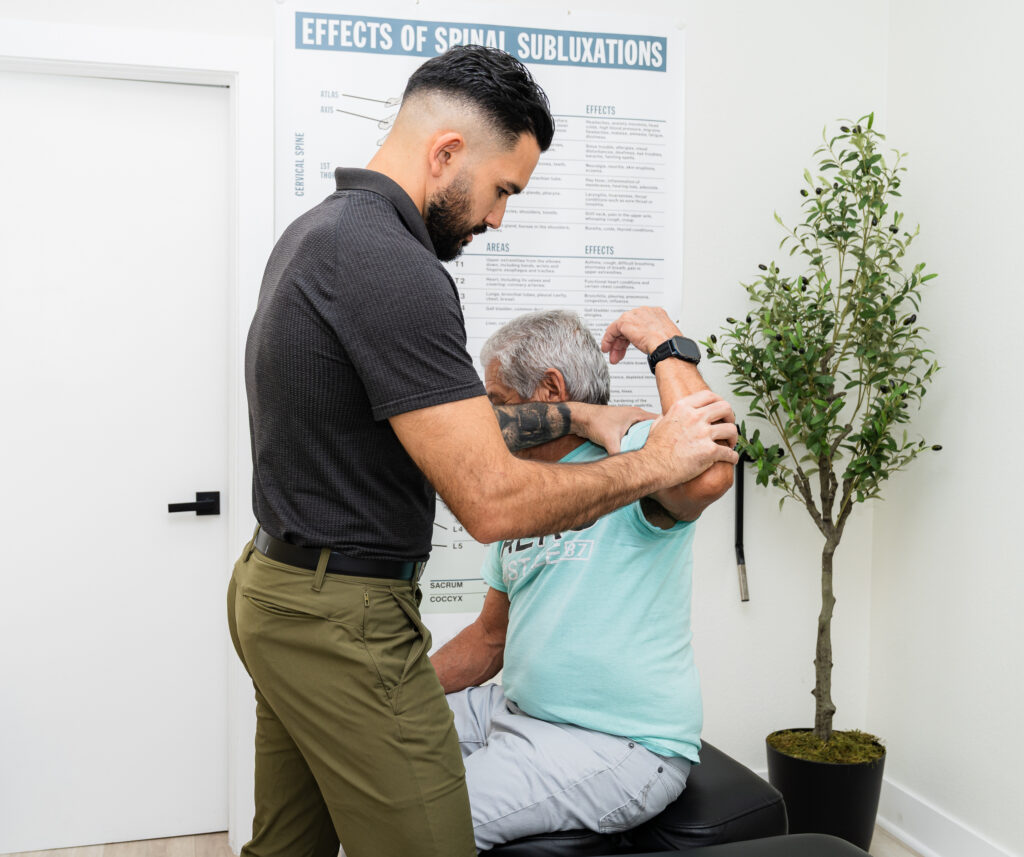

As a local chiropractor, I want to share with you how enhancing your joint flexibility and natural movement is not just about one single practice; it's a holistic approach to your overall health. By integrating various stretching techniques, strength training, and mindful practices into your routine, you can significantly improve your mobility. You may be surprised to learn that simple lifestyle changes can lead to remarkable benefits for your body.
Consider incorporating practices like yoga, which focuses on flexibility and balance, or resistance exercises that strengthen your muscles and support your joints. Additionally, don't underestimate the power of a well-balanced diet in promoting joint health. Each of these elements plays a vital role in your journey towards better flexibility and movement.
So, what specific strategies can you start implementing today to see improvements in your flexibility and movement? Let's discuss ways to create a personalized plan that suits your needs and lifestyle. Together, we can work towards enhancing your mobility and supporting your overall well-being.
Importance of Joint Flexibility
As a local chiropractor, I want to emphasize the importance of joint flexibility in maintaining a healthy and active lifestyle. When your joints are flexible, everyday tasks become much easier—whether it's bending down to tie your shoes or reaching for something on a high shelf.
Flexibility enables a full range of motion, which not only helps prevent injuries but also enhances your overall performance in physical activities. If you experience stiffness or tightness in your joints, you may struggle with simple movements, leading to frustration and discomfort.
Good joint flexibility is also crucial for maintaining proper posture and alignment. When your joints can move freely, your body aligns itself naturally, reducing the risk of chronic pain and conditions such as arthritis.
Many of my patients report feeling more energized and less fatigued when their bodies can move more efficiently.
Moreover, flexibility plays a pivotal role in athletic performance. Whether you enjoy running, cycling, or participating in team sports, having flexible joints allows for quicker and more agile movements. This can often be the difference between winning and losing in competitive situations.
Additionally, improved flexibility can enhance your recovery after workouts, minimizing soreness and stiffness.
Incorporating activities that promote joint flexibility into your daily routine can significantly benefit your overall health. As your chiropractor, I encourage you to focus on maintaining flexible joints—not just to avoid discomfort, but to enhance your quality of life and maximize your potential in all you do.
Together, we can develop a tailored plan that includes exercises and stretches to improve your joint flexibility and support your wellness journey.
Stretching Techniques for Flexibility
As a local chiropractor, I want to help you understand the importance of flexibility and how various stretching techniques can play a vital role in your overall health. Improving your flexibility is essential for maintaining a healthy body and preventing injuries.
Dynamic stretching is a great way to warm up your muscles before physical activity. It involves moving parts of your body through their full range of motion, which can increase blood flow and prepare your muscles for exercise.
On the other hand, static stretching is beneficial for cooling down after your workout. This method focuses on holding stretches for a duration, helping to relax your muscles and improve flexibility over time.
Another effective technique is PNF (Proprioceptive Neuromuscular Facilitation) stretching, which engages both your muscles and the nervous system for deeper muscle engagement. This method often requires a partner or therapist to assist, but it can lead to significant improvements in flexibility.
Each of these stretching methods has its unique benefits, and incorporating them into your routine can greatly enhance your overall flexibility and well-being.
As you explore these techniques, remember that proper form and consistency are key to reaping the benefits. If you have any questions or need guidance, don't hesitate to reach out for support. Your journey to improved flexibility starts here!
Dynamic Stretching Benefits
As a local chiropractor, I want to share the incredible benefits of dynamic stretching, especially if you're new to the world of chiropractic care and natural healing. Incorporating dynamic stretches into your routine can significantly enhance your flexibility and overall movement quality.
These movements are essential in preparing your muscles and joints for activity, which can lead to improved performance in your daily activities and sports. Unlike static stretching, which involves holding a position, dynamic stretching keeps your body in motion. This approach increases blood flow and elevates your heart rate, effectively warming up your body before any physical activity.
When you engage in dynamic stretching, you not only improve your range of motion—which is crucial for optimal performance—but also activate the specific muscles you'll be using, which can help reduce the risk of injury. Moreover, dynamic stretching can enhance your coordination and balance, allowing for more fluid and efficient movements.
As a result, a regular routine of dynamic stretching can lead to better overall athletic performance. You may notice improvements in your speed, power, and agility, which are vital for any physical endeavor, whether you're preparing for a run, a game, or just a regular workout.
I encourage you to embrace dynamic stretching as part of your warm-up routine. By doing so, you'll not only improve your flexibility and movement quality but also promote a healthier, more active lifestyle.
Static Stretching Methods
As a chiropractor, I want to emphasize the importance of static stretching as a beneficial practice for enhancing your flexibility and promoting relaxation in your muscles. This technique involves holding a stretch for a specific duration, usually between 15 to 60 seconds, which allows your muscles to lengthen and relax effectively. Incorporating static stretching into your routine after workouts or during dedicated flexibility sessions can significantly support your overall well-being.
When performing static stretches, it's vital to target major muscle groups such as your hamstrings, quadriceps, shoulders, and back. For example, to stretch your hamstrings, you can sit on the floor with your legs extended in front of you and gently reach for your toes. It's important to feel a gentle pull in the muscles without pushing to the point of pain.
Remember to breathe deeply and maintain your stretch, as this helps your muscles gradually release tension. I encourage you to listen to your body while stretching. If you experience any discomfort, ease off the stretch slightly.
Consistency is crucial—aim to incorporate static stretching into your routine several times a week. Over time, you'll likely notice increased flexibility and improved overall movement, making everyday activities easier and more enjoyable. Embracing these natural techniques can be a powerful part of your journey toward better health and wellness.
PNF Stretching Techniques
As a chiropractor dedicated to promoting natural healing and overall wellness, I'd like to introduce you to a powerful technique that can significantly improve your flexibility and range of motion: proprioceptive neuromuscular facilitation (PNF) stretching.
This method isn't only effective but can also be easily integrated into your routine, whether you're working with a partner or practicing solo.
Here's a simple breakdown of how PNF stretching works:
- Stretch: Start by gently stretching a specific muscle group to its maximum comfortable limit. Hold that position for about 10 seconds. This initial stretch prepares your muscles for the next steps.
- Contract: Next, engage that same muscle group by contracting it against some form of resistance—this can be a partner who provides gentle resistance, or even a static object that you can push against. Hold this contraction for 6-10 seconds. This phase helps to activate your muscles and improve their responsiveness.
- Relax: After the contraction, take a moment to relax the muscle. This brief pause is essential for allowing your body to reset and prepare for the next stretch.
- Stretch Again: Now, deepen the stretch of that same muscle group for an additional 15-30 seconds. You'll likely find that you can stretch further than before, thanks to the previous contraction.
Incorporating PNF stretching into your routine can't only enhance your flexibility but also support your overall wellness journey.
As your chiropractor, I'm here to guide you on effective techniques like this that can complement your chiropractic care and help you achieve your health goals naturally.
Nutritional Support for Joint Health
As a local chiropractor, I want to emphasize the importance of maintaining joint health through proper nutrition.
It's essential to focus on key nutrients that support your joints and overall well-being. By incorporating anti-inflammatory foods into your diet, you can significantly enhance your joint health and reduce discomfort.
Let's dive into the essential nutrients your body requires and the best food choices that can help support your joints naturally.
Understanding these aspects is crucial for anyone looking to improve their health and prevent future issues.
Essential Nutrients for Joints
As a local chiropractor, I want to emphasize the importance of incorporating essential nutrients into your diet for optimal joint health. Many people aren't aware that what we eat can significantly impact our joint function, cartilage health, and overall mobility.
By focusing on specific vitamins and minerals, you can enhance your joint flexibility and alleviate discomfort. Here are four key nutrients you should prioritize for better joint health:
- Omega-3 Fatty Acids: These healthy fats, found in fish like salmon and plant sources such as flaxseeds, are known to help reduce joint stiffness and improve mobility. Including these in your diet can be a natural way to support your joints.
- Vitamin D: This vital vitamin is essential for calcium absorption, which is crucial for maintaining strong bones. You can obtain vitamin D from sunlight exposure or by consuming fortified foods. Adequate levels of vitamin D can help keep your bones and joints healthy.
- Calcium: As a cornerstone of bone health, calcium supports the structure of your joints. Dairy products, leafy greens, and fortified alternatives are excellent sources of this essential mineral. Ensuring you have enough calcium in your diet can help protect your joints.
- Collagen: This protein is vital for maintaining the integrity of cartilage, the tissue that cushions your joints. You can find collagen in bone broth or as a dietary supplement. Incorporating collagen can help improve joint function and reduce discomfort.
By making a conscious effort to include these nutrients in your daily meals, you can make a significant difference in how your joints feel.
Anti-Inflammatory Food Choices
As your local chiropractor, I want to share some valuable insights on how incorporating anti-inflammatory foods into your diet can significantly improve your joint health and flexibility. Many patients don't realize that inflammation is often a key contributor to joint pain and stiffness, which is where dietary choices can make a big difference.
To start, consider adding fatty fish like salmon, mackerel, and sardines to your meals. These fish are rich in omega-3 fatty acids, which are known for their powerful anti-inflammatory properties. Including these in your diet can help manage and reduce inflammation in your body.
Don't overlook the benefits of colorful fruits and vegetables! Berries, oranges, and leafy greens aren't only delicious but also packed with antioxidants that can protect your joints from oxidative stress and further inflammation.
Similarly, using olive oil in your cooking is a smart choice; it contains oleocanthal, a compound that mimics the effects of ibuprofen.
Spices can be your allies in reducing inflammation as well. Turmeric, particularly its active ingredient curcumin, is renowned for its strong anti-inflammatory effects. Plus, garlic not only enhances the flavor of your dishes but also offers health benefits, including reducing inflammation.
Nuts like walnuts and almonds are excellent snacks that provide healthy fats, which are essential for maintaining overall joint health.
Additionally, consider replacing refined grains with whole grains such as quinoa and brown rice. These alternatives are richer in nutrients and fiber, making them a better choice for your overall well-being.
By integrating these anti-inflammatory food choices into your diet, you can complement the chiropractic care you receive and support your body's natural healing processes.
Role of Hydration
As a local chiropractor, I want to emphasize the crucial role that hydration plays in maintaining not just your overall health, but specifically your joint flexibility and movement efficiency. Many people may not realize how important it's to keep your body well-hydrated for optimal joint function.
Here's why proper hydration is essential for your joints and how it can benefit you:
- Support for Synovial Fluid: Staying hydrated is key to producing synovial fluid, which acts as a natural lubricant for your joints. This fluid cushions your joints, helping them move smoothly without friction. Think of it as the oil that keeps the engine running smoothly!
- Nutrient Delivery: Water is vital in transporting essential nutrients to your joints and cartilage. When you're well-hydrated, your body can efficiently deliver the nutrients necessary to maintain joint health, which is vital for flexibility and resilience.
- Reduction of Inflammation: Proper hydration can help decrease inflammation in your joints. When you're dehydrated, your body may experience heightened inflammation, which can lead to discomfort and stiffness. Staying hydrated is a simple yet effective way to combat these issues.
- Muscle Function and Stability: Hydration is also important for muscle function, which supports joint stability. Well-hydrated muscles contract and relax more effectively, improving your overall movement and reducing the risk of injury.
To enjoy these benefits, make it a point to drink enough water throughout the day. Pay attention to your body's signals and adjust your water intake based on your activity levels and the environment.
By prioritizing hydration, you're not only enhancing your joint flexibility but also ensuring smoother and more comfortable movement.
As your chiropractor, I encourage you to incorporate proper hydration into your daily routine for better joint health and overall wellness. Remember, small changes can lead to significant improvements in how you feel and function!
Mindfulness and Movement Practices
As a local chiropractor, I want to share some insights on how maintaining joint flexibility and movement can significantly benefit your overall health. It's not just about staying hydrated; it's also about how you connect with your body through mindfulness and movement practices.
When you engage in mindful movement, you can tune into your body's signals, which promotes awareness and can enhance your flexibility. Practicing mindfulness creates a mental space where you can focus on how each joint feels during movement, allowing you to identify areas of tension or stiffness that might need attention.
I recommend incorporating practices like yoga or tai chi into your routine. These activities emphasize slow, deliberate movements paired with deep, conscious breathing. As you flow through each pose or sequence, take a moment to pay attention to how your joints articulate. This awareness enables you to adjust your movements, reducing the risk of injury and increasing your range of motion.
Another beneficial technique is body scanning. This involves mentally checking in with each part of your body, starting from your toes and moving up to the crown of your head. As you do this, notice any tightness or discomfort in your joints, and breathe into those areas. This practice not only improves flexibility but also fosters a deeper connection between your mind and body, which is vital for healing.
Lastly, I encourage you not to underestimate the power of simple stretching routines done mindfully. Instead of rushing through your stretches, take your time. Focus on each stretch, listen to your body, and breathe deeply.
Strengthening Muscles Around Joints
As a local chiropractor, I want to share some essential insights about keeping your joints healthy and functioning optimally. One of the most effective ways to achieve this is by strengthening the muscles surrounding your joints. When these muscles are strong, they provide critical support and stability, helping to absorb impacts during movement.
By focusing on building strength in these areas, you can significantly reduce the risk of injury and enhance your overall mobility. Here are four practical approaches to strengthen the muscles around your joints:
- Resistance Training: I recommend incorporating exercises such as squats, lunges, and leg presses into your routine. These movements specifically target your knee and hip joints. Utilizing weights or resistance bands can effectively challenge your muscles and promote growth.
- Core Strengthening: A strong core is crucial for stabilizing your entire body, including your joints. Exercises like planks, bridges, and various abdominal workouts will bolster your core strength, providing vital support to your back and hips.
- Balance Exercises: Engaging in activities like single-leg stands or tai chi can greatly improve your balance and coordination. These exercises not only strengthen the muscles around your ankles and knees but also play a key role in fall prevention.
- Flexibility Training: While it's important to focus on strength, flexibility shouldn't be overlooked. Incorporate yoga or dedicated stretching routines into your regimen to maintain the elasticity of your muscles and ligaments, which promotes better joint function.
Lifestyle Changes for Better Mobility
As your local chiropractor, I want to share some insights on how simple lifestyle changes can significantly enhance your mobility. While many people focus primarily on strengthening their muscles and improving flexibility through traditional exercise, there are other vital adjustments that can make a big difference in your overall movement.
One of the most impactful changes you can implement is to incorporate more movement into your daily life. Instead of remaining seated for long periods, aim to stand up, stretch, or take a short walk every hour. This small modification helps keep your joints lubricated and boosts blood circulation, which is essential for maintaining healthy mobility.
Your diet also plays a crucial role in how well your joints function. A diet rich in anti-inflammatory foods—like colorful fruits, vegetables, healthy fats, and whole grains—can significantly reduce joint stiffness and promote better mobility.
And remember, staying well-hydrated is critical; proper hydration supports joint health and overall bodily functions.
Another important aspect to consider is your sleep quality. Ensuring you get 7-9 hours of restorative sleep each night can greatly aid your body in recovery and rejuvenation. Developing a consistent sleep schedule not only combats fatigue but also enhances your physical performance during the day.
I also recommend incorporating low-impact activities such as swimming, yoga, or tai chi into your weekly routine. These exercises are gentle on the joints while promoting flexibility, which is vital for maintaining mobility as we age.
Lastly, pay close attention to your posture throughout the day. Good posture helps distribute your body weight evenly, reducing unnecessary stress on your joints and improving your overall alignment.
Conclusion
As a local chiropractor, I want to share some valuable strategies that can significantly improve your joint flexibility and overall movement. By integrating simple practices into your daily routine, you can enhance your mobility and support your joint health naturally.
Start by incorporating regular stretching exercises; this will help to lengthen your muscles and improve your range of motion. Strength training is equally important, as it builds the muscles around your joints, providing them with better support. Additionally, I encourage you to engage in mindful practices such as yoga or meditation, which can enhance your body awareness and promote relaxation.
Don't forget the importance of hydration! Drinking plenty of water helps to keep your joints lubricated. Nourishing your body with the right foods—like those rich in omega-3 fatty acids and antioxidants—can also play a crucial role in maintaining joint health.
As you begin to adopt these lifestyle changes, you'll likely notice a positive improvement in how you feel and move. This newfound flexibility and strength will empower you to enjoy life to the fullest. Remember, chiropractic care can also help guide you on this journey, providing personalized advice and support tailored to your needs.