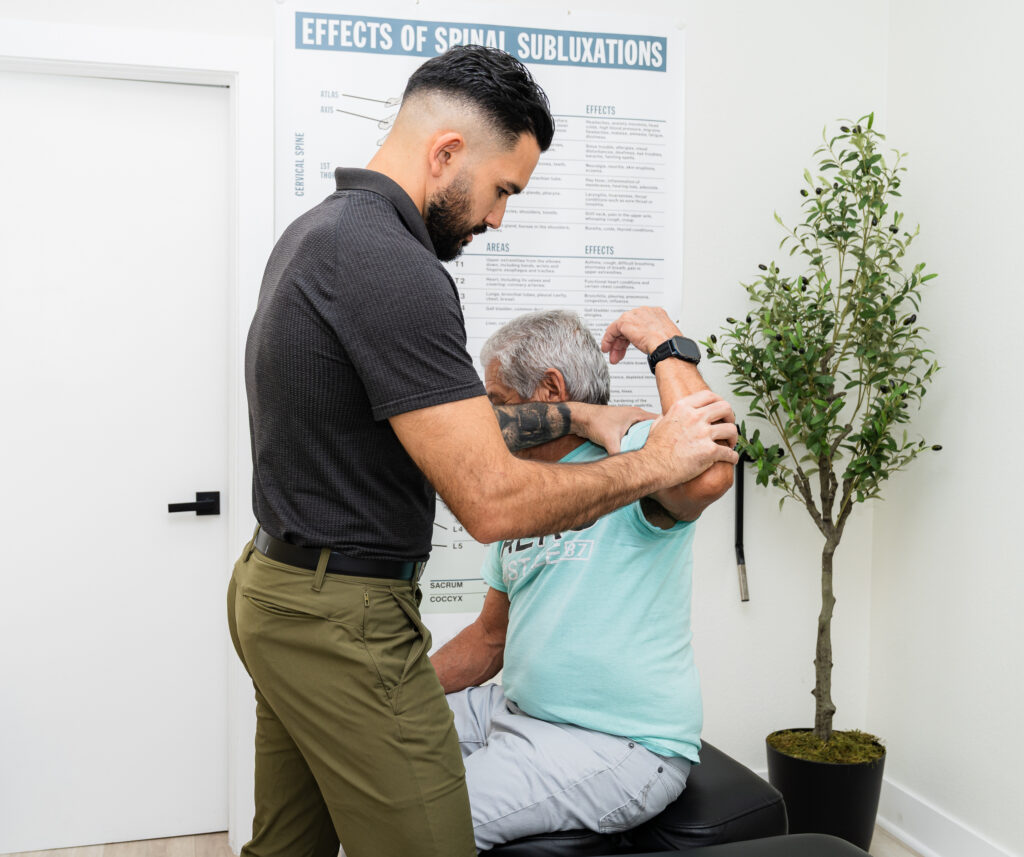

As a local chiropractor, I want to help you understand how effective care solutions can significantly enhance your flexibility. It's essential to recognize that tailored therapies, such as chiropractic adjustments, can greatly improve your range of motion. Many people are unaware of the benefits these treatments offer, but incorporating them into your routine can lead to remarkable changes in your body's flexibility.
In addition to chiropractic care, daily practices like yoga can complement your treatment and further enhance your flexibility. By integrating these strategies, you can create a holistic approach to your well-being. So, what specific steps can you take to ensure you're on the right path to becoming more agile? I encourage you to explore these options together, as they may unlock a more flexible and healthier version of yourself.
Understanding Flexibility
As a local chiropractor, I want to share with you the importance of flexibility in your overall health and wellness. Flexibility goes beyond just the ability to touch your toes; it's an essential component of your fitness and daily functioning. Understanding flexibility means recognizing how it influences your body and the activities you engage in each day. It pertains to the range of motion in your joints and muscles, which can differ greatly among individuals. Factors such as genetics, age, and lifestyle choices significantly affect your flexibility levels.
When you think about flexibility, consider how it plays a role in your everyday movements. Whether you're bending down to tie your shoes or reaching for something on a high shelf, having good flexibility allows you to perform these tasks smoothly and without discomfort. More importantly, improved flexibility can help prevent injuries by allowing your muscles and joints to work together efficiently.
Flexibility involves more than just stretching; it encompasses your muscles, tendons, and ligaments. These elements must cooperate effectively to achieve optimal flexibility. If you're not incorporating flexibility exercises into your routine, you may notice a decline in your range of motion over time, which can limit your physical activities and impede your fitness goals.
To enhance your understanding of flexibility, I encourage you to assess your current abilities. Try some basic stretches and pay attention to how your body responds. This self-awareness will help you identify areas that may need improvement.
Keep in mind that flexibility isn't a one-size-fits-all concept; it's crucial to tailor your approach to suit your individual body and lifestyle. At our chiropractic practice, we can guide you in developing a personalized flexibility plan that aligns with your health goals.
Benefits of Increased Flexibility
As a local chiropractor, I want to share with you the remarkable benefits that increasing your flexibility can bring to your overall well-being. One of the first things you'll notice with enhanced flexibility is an improved range of motion. This means that simple everyday tasks, like bending down to tie your shoes or reaching for items on a high shelf, become much easier and more comfortable.
Moreover, flexibility plays a crucial role in injury prevention. When your muscles and joints can move freely, the risk of strains and sprains significantly decreases. This is especially important for maintaining an active lifestyle and ensuring your body can handle the physical demands you place on it.
In my practice, I've seen how greater flexibility can positively impact posture as well. When your muscles are balanced and flexible, your body naturally aligns better, alleviating stress on your spine. This can lead to reduced discomfort in your back and neck, helping you feel more at ease and confident in your movements. You might even notice an improvement in your overall physical performance as a result.
There's also a psychological benefit to increased flexibility that I want to highlight. Many of my patients report that greater flexibility leads to less tension in their bodies, which can create a calmer mind. This reduction in physical stress can enhance your mental well-being and improve your focus throughout the day.
Lastly, if you're involved in sports or physical activities, increased flexibility can significantly boost your athletic performance. Flexible muscles are capable of generating more power and efficiency, allowing you to excel in activities like running, dancing, or any sport you enjoy.
At our chiropractic office, we prioritize natural healing methods to help you achieve these benefits. By incorporating flexibility training into your routine, alongside chiropractic care, you can foster a healthier, more balanced body.
Effective Stretching Techniques
As a local chiropractor, I want to share some effective stretching techniques that can greatly enhance your flexibility and overall well-being. It's important to incorporate a variety of stretching methods into your routine to achieve the best results.
Begin with dynamic stretches, which are ideal for warming up before engaging in any physical activity. These stretches involve movement and help increase blood flow to your muscles, preparing your body for action. Simple exercises like arm circles, leg swings, and torso twists can effectively get your muscles ready for more intensive work.
After warming up, transition into static stretching, where you hold a specific position to lengthen your muscles. Focus on major muscle groups, such as your hamstrings, quadriceps, and shoulders. Aim to hold each stretch for 15 to 30 seconds. It's crucial to feel a gentle pull without pushing into pain.
Remember to breathe deeply during these stretches; it not only helps you relax but also enhances the effectiveness of the stretch.
Another beneficial technique is PNF (Proprioceptive Neuromuscular Facilitation) stretching. This involves contracting and then relaxing your muscles while stretching. You can do this with a partner or by using a towel for assistance.
For instance, when stretching your hamstrings, hold the stretch, contract your hamstrings for a few seconds, then relax and deepen the stretch for better results.
Lastly, consider incorporating practices such as yoga or Pilates into your routine. Both offer a wonderful blend of stretching and strength-building, promoting flexibility while also enhancing balance and core stability.
Strength Training for Flexibility
When many people think of strength training, they may not immediately recognize its profound impact on flexibility, but as a chiropractor, I can assure you that it's a crucial aspect of overall wellness. Engaging in strength training not only helps build muscle but also significantly enhances flexibility, which can make daily activities more manageable and reduce the likelihood of injuries.
Here are four key ways strength training can improve your flexibility:
- Increased Muscle Length: Strength training exercises are designed to elongate your muscles, leading to improved flexibility. By utilizing a full range of motion in your lifts, you effectively stretch your muscles while simultaneously strengthening them.
- Joint Stability: Strong muscles play a vital role in supporting your joints, leading to enhanced stability and mobility. This added strength around your joints can result in a greater range of motion, which is essential for maintaining flexibility and preventing discomfort.
- Balanced Muscle Development: A well-rounded strength training program helps develop all muscle groups evenly, which can alleviate tightness in specific areas. When your muscles are balanced and equally strong, it promotes optimal movement patterns, thus enhancing your flexibility.
- Enhanced Blood Flow: One of the benefits of strength training is improved blood circulation to your muscles. This increased blood flow helps reduce stiffness and promotes faster recovery. As your muscles become more elastic, it becomes easier to stretch and move freely.
Incorporating strength training into your fitness routine isn't solely about building muscle; it's a fundamental element of achieving better flexibility.
Yoga and Its Impact
As a local chiropractor, I want to share the profound benefits of yoga and how it can complement chiropractic care to enhance your flexibility and overall well-being. Yoga is more than just a series of postures; it's a holistic practice that focuses on both your physical and mental health. By incorporating various stretches and poses into your routine, you'll notice significant improvements in your muscle and joint flexibility over time.
When you integrate yoga into your wellness journey, you're not only improving your physical flexibility but also fostering mental clarity and relaxation. This synergy can lead to a more balanced life, helping you manage the stresses that often accompany our daily routines.
Regular yoga practice can enhance your range of motion, which is crucial for maintaining spinal health. Poses such as Downward Dog and Warrior stretches effectively lengthen and strengthen the muscles, allowing for greater pliability and reducing the risk of injury. Additionally, learning to breathe deeply during your sessions is vital. This practice not only aids in releasing built-up tension but also promotes relaxation, which can significantly alleviate stress and improve the flow of movement in your body.
Furthermore, yoga cultivates mindfulness—an essential component of chiropractic care. By tuning into your body and recognizing its limitations, you'll develop a heightened awareness of how to safely push your boundaries. As you progress, you may find yourself achieving poses that once seemed out of reach, which can boost your confidence and motivate you to continue your journey toward improved health.
The advantages of yoga extend beyond flexibility. It can enhance your posture, alleviate muscle tension, and increase your overall body awareness.
Whether you're just starting out or are more experienced, incorporating yoga into your routine can be transformative for your flexibility and overall health. Embrace this practice, and you may witness remarkable changes in both your body and mind, complementing the benefits of chiropractic care for a more holistic approach to your well-being.
The Role of Nutrition
As your local chiropractor, I want to emphasize how crucial nutrition is for enhancing your flexibility and overall mobility. Many people overlook the connection between what they eat and how their bodies move.
To support your flexibility, it's important to focus on vital nutrients, maintain proper hydration, and incorporate anti-inflammatory foods into your diet. These dietary choices not only promote better performance during physical activities but also aid in recovery after adjustments and treatments.
Essential Nutrients for Flexibility
As a local chiropractor dedicated to helping you achieve optimal health and flexibility, I want to share how a balanced diet rich in essential nutrients can play a significant role in enhancing your flexibility and overall joint health.
Many of my patients are surprised to learn how nutrition impacts their physical well-being, so let's break down some key nutrients that you can easily incorporate into your meals:
- Omega-3 Fatty Acids: These beneficial fats, found in foods like fish, flaxseeds, and walnuts, are known for their anti-inflammatory properties. They can help reduce joint pain and stiffness by supporting proper lubrication of your joints, which is vital for maintaining a full range of motion.
- Vitamin C: Often recognized for its immune-boosting effects, vitamin C also plays a crucial role in collagen production. Collagen is essential for keeping your joints and connective tissues flexible and resilient. You can find this powerful antioxidant in citrus fruits, berries, and an array of leafy greens.
- Magnesium: This important mineral, abundant in nuts, seeds, and whole grains, is key for muscle function and helps prevent cramps. Adequate magnesium levels can lead to smoother and more comfortable movement, which is essential for your flexibility.
- Protein: Don't forget about protein! Sources like lean meats, legumes, and dairy are rich in amino acids that aid in muscle repair and growth. As we age, maintaining muscle mass becomes increasingly important for flexibility, and proper protein intake can support this process.
Incorporating these nutrients into your diet can complement chiropractic care, helping you achieve and maintain better flexibility and overall health.
If you have any questions about how nutrition can benefit your chiropractic journey, feel free to ask during your next visit!
Hydration's Impact on Mobility
As a chiropractor, I want to emphasize the crucial role hydration plays in maintaining your mobility and flexibility. Many people may not realize how significantly it affects physical performance. When you stay well-hydrated, your muscles and joints operate more effectively, allowing for smoother and more flexible movement.
Water is essential for lubricating your joints, which helps reduce friction and prevent stiffness that can limit your range of motion. If you're not drinking enough water, it can hinder your body's ability to transport nutrients to your muscles, leading to fatigue and diminished strength.
Dehydration can also trigger muscle cramps, making it even more challenging to maintain flexibility during your workouts or daily activities. To support your body and keep it functioning at its best, I recommend drinking water consistently throughout the day.
In addition to plain water, consider adding hydrating foods to your diet. Fruits and vegetables are excellent sources of hydration and can significantly boost your fluid intake.
Keep in mind that your hydration needs can vary based on your level of activity and environmental conditions, so it's important to listen to your body. By prioritizing hydration, you may experience noticeable improvements in your mobility and flexibility, enabling you to lead a more active and fulfilling life.
Anti-Inflammatory Food Choices
As your local chiropractor, I want to emphasize the important connection between nutrition and your overall health, particularly when it comes to reducing inflammation and enhancing your mobility.
The right food choices can significantly support your body's healing process, allowing you to recover and move with greater ease. Here are four anti-inflammatory foods that I recommend incorporating into your diet:
- Fatty Fish: Fish such as salmon and mackerel are excellent sources of omega-3 fatty acids. These healthy fats have been shown to lower inflammation and improve joint health, which is crucial for maintaining your flexibility and overall well-being.
- Berries: Small but mighty, berries like blueberries, strawberries, and raspberries are loaded with antioxidants. These compounds help combat oxidative stress in your body, which can contribute to inflammation. Incorporating these into your meals can be a delicious way to support your health.
- Leafy Greens: Vegetables such as spinach, kale, and Swiss chard are rich in vitamins, minerals, and antioxidants. Their anti-inflammatory properties can help reduce inflammation in your body, supporting your chiropractic care and overall health goals.
- Nuts and Seeds: Almonds, walnuts, and flaxseeds are great sources of healthy fats and antioxidants. These nutrients play a vital role in protecting your cells from inflammatory damage, supporting your body's recovery and promoting better movement.
By integrating these anti-inflammatory foods into your diet, you can enhance the benefits of your chiropractic care and contribute to your overall health and recovery.
Professional Therapies Available
As a local chiropractor, I want to take a moment to educate you about the various professional therapies available to enhance your flexibility, as well as how chiropractic care can play a significant role in this process.
One of the first therapies that come to mind is physical therapy. In this setting, a skilled therapist evaluates your current flexibility and develops a customized program just for you. They guide you through specific exercises aimed at improving your range of motion by targeting particular muscle groups.
Massage therapy is another excellent option to consider. Techniques like deep tissue or sports massage can effectively alleviate tension in tight muscles, which is essential for improving flexibility. Regular sessions not only aid in muscle recovery but also help prevent injuries, making it easier to participate in activities that demand flexibility.
Now, let's talk about chiropractic care. As a chiropractor, I focus on optimizing your overall body alignment through spinal adjustments and other techniques. Improved alignment can have a direct positive impact on your flexibility.
In addition to adjustments, I often provide tailored exercises and stretches that complement our work together, further enhancing your mobility.
If you're interested in a holistic approach, you might also explore yoga and Pilates classes led by certified instructors. These practices emphasize flexibility and core strength through controlled movements and breathing techniques, allowing you to gradually enhance your flexibility while also improving balance and stability.
Lastly, acupuncture is a valuable therapy that can aid in flexibility as well. This ancient practice targets specific points in the body to relieve pain and tension, which can otherwise limit your range of motion.
Incorporating these therapies into your routine can lead to significant improvements in your flexibility and overall well-being. I encourage you to explore these options and see how chiropractic care can be a vital part of your journey toward better health.
Daily Habits to Enhance Flexibility
As a local chiropractor, I want to share some simple daily habits that can significantly improve your flexibility and overall mobility. By making a few small adjustments to your routine, you can experience remarkable improvements in how your body moves.
Here are four effective habits to consider incorporating into your daily life:
- Start Your Day with Stretching: Each morning, take a few minutes to engage in a quick stretching routine. Focus on your major muscle groups, holding each stretch for about 20-30 seconds. This practice not only prepares your body for the day ahead but also promotes better flexibility throughout your daily activities.
- Take Regular Movement Breaks: If you find yourself sitting for extended periods, it's essential to take breaks to move. Set a timer to remind yourself to stand up and stretch every hour. Simple actions like reaching for the ceiling or gently twisting your torso can help keep your muscles flexible and reduce tension.
- Explore Yoga or Pilates: Consider adding a yoga or Pilates session to your weekly routine. Both of these practices are designed to enhance flexibility while also improving balance and core strength. They can be excellent complements to chiropractic care, promoting overall wellness.
- Prioritize Hydration: Staying hydrated is crucial for muscle health. Drinking enough water helps maintain the suppleness of your muscles and can prevent stiffness. Aim to drink at least eight glasses of water a day, adjusting based on your activity level and individual needs.
By integrating these habits into your daily life, you can enhance your flexibility and support your body's natural healing processes.
If you have any questions or want to explore how chiropractic care can further assist you in your wellness journey, feel free to reach out!
Common Mistakes to Avoid
As a local chiropractor dedicated to helping you understand your body and its needs, I want to highlight some common mistakes people often make when working on their flexibility.
It's vital to prioritize proper warm-ups before engaging in any stretching routine; skipping this step can lead to strains and injuries.
Additionally, be cautious of overstretching without proper guidance—this can cause more harm than good.
Always listen to your body; ignoring its signals can lead to setbacks in your flexibility journey.
Neglecting Warm-Up Routines
As a local chiropractor, I want to emphasize the importance of a proper warm-up routine for enhancing flexibility and preventing injuries. Many people overlook this crucial step, which can lead to tight muscles and an increased risk of strains.
Here are four common mistakes to avoid when warming up:
- Jumping Straight In: It's tempting to dive right into intense stretches or workouts, but doing so can be detrimental. Instead, begin with light movements to gradually increase your heart rate. This prepares your body for more strenuous activity.
- Neglecting All Muscle Groups: It's vital to warm up all relevant muscle groups, not just the ones you plan to use. A comprehensive warm-up ensures you maintain overall flexibility and reduces the risk of muscle imbalances, which we often see in our practice.
- Rushing the Process: Many people underestimate the time needed for a proper warm-up. Take at least 5-10 minutes to adequately prepare your muscles. Rushing through this process can leave your body unprepared and vulnerable to injury.
- Ignoring Dynamic Movements: While static stretches can be beneficial, incorporating dynamic movements into your routine is essential. Exercises like leg swings or arm circles engage your muscles and joints more effectively, readying your body for the activities ahead.
By understanding and implementing these warm-up techniques, you can better support your body's natural healing processes and enjoy a more effective workout experience.
Overstretching Without Guidance
As a local chiropractor, I often see individuals eager to improve their flexibility. However, it's important to understand that overstretching without proper guidance can lead to serious injuries. Flexibility training isn't simply about pushing your limits. Many people mistakenly believe that holding stretches for longer or going deeper will yield quicker results, but this approach can actually be counterproductive.
One common mistake I observe is the attempt to perform advanced stretches without first establishing a solid foundation. Skipping basic stretches and jumping into more complex poses can strain your muscles or even tear ligaments. Instead, I encourage you to focus on gradually increasing your range of motion. Begin with simpler stretches and work your way up at a comfortable pace.
Another area to be cautious about is the frequency of your stretching sessions. Your muscles need time to recover, so it's essential to allow adequate rest between sessions. Overdoing it can lead to fatigue, making you more vulnerable to injury.
Moreover, I highly recommend seeking guidance from a trained professional, like a chiropractor. We can provide personalized advice tailored to your specific needs and help you understand your body's limitations.
Ignoring Body Signals
As a local chiropractor, I want to emphasize the importance of paying attention to your body signals, especially on your journey towards improved flexibility. Your body is always communicating with you, and when we ignore these signals, we risk injury and stall our progress.
It's crucial to listen to what your body is telling you rather than pushing through discomfort. Here are four common signals that should never be overlooked:
- Sharp Pain: If you experience a sudden, sharp pain, it's essential to stop immediately. This is your body's way of alerting you that something isn't right. Continuing to push through can lead to serious injuries that could set back your flexibility goals.
- Muscle Tightness: If you notice consistent tightness in your muscles, it could be a sign that your body needs rest or a modification in your routine. Overworking tight muscles can lead to strains and hinder your natural healing process.
- Fatigue: Feeling unusually tired is a clear indication that your body is signaling for a break. Ignoring fatigue can't only decrease your flexibility but also increase the likelihood of injuries. Remember, rest is a crucial component of recovery.
- Joint Discomfort: If you experience soreness or discomfort in your joints while stretching, it's time to reassess your form or ease off the intensity. Ignoring these joint signals can lead to long-term issues that may require chiropractic intervention.
By tuning into these signals, you can better support your flexibility journey and promote natural healing.
If you have questions about your body's signals or need guidance on maintaining your flexibility, don't hesitate to reach out to your local chiropractor. We're here to help you listen and respond to your body's needs!
Tracking Your Progress
As a chiropractor dedicated to your holistic well-being, I want to emphasize the importance of tracking your progress when it comes to enhancing your flexibility. Keeping a record of your flexibility exercises isn't just beneficial—it's essential for understanding your body and its needs. By monitoring your journey, you can clearly see how far you've come and identify areas that may need more attention.
I recommend starting by setting specific flexibility goals that resonate with you. Whether it's achieving a particular stretch or mastering a specific yoga pose, write these goals down and revisit them regularly to maintain your motivation. This practice can help you stay engaged in your healing process.
Consider using a journal or a digital app to log your flexibility workouts. Note the stretches you perform, how long you hold each position, and how you feel afterward. Keeping track of your experiences allows you to recognize patterns in your body's response and adjust your routine to better suit your needs. For instance, if you discover that certain stretches consistently yield better results, you may want to focus more on those.
Additionally, capturing photos or videos of your progress can be incredibly beneficial. Visual documentation not only serves as evidence of your hard work but also allows you to notice improvements that may go unnoticed in your daily routine. Regularly comparing your current performance to past benchmarks can provide tangible evidence of your growth.
It's also crucial to pay attention to your body's response to your flexibility training. Are you feeling less tense and more agile? Take a moment to jot down any sensations or changes you experience. This insight can deepen your understanding of what works for you and reinforce your commitment to your flexibility journey.
As your chiropractor, I encourage you to embrace this process. Tracking your progress won't only help you achieve your flexibility goals but will also enhance your overall health and well-being.
Conclusion
As a local chiropractor, I want to share how incorporating effective care solutions into your routine can significantly enhance your flexibility. It's essential to understand that achieving optimal flexibility involves a harmonious blend of professional therapies, daily habits, and specific exercises.
In our practice, we emphasize the importance of chiropractic adjustments, which can help align your spine and enhance your overall mobility. Alongside these adjustments, developing daily habits that promote stretching and movement is crucial. Targeted exercises can also play a vital role in increasing your flexibility.
Stay committed to your health goals and track your progress; this will help you see the improvements over time. Always listen to your body and communicate with your chiropractor about any discomfort or concerns.
With a consistent effort and a holistic approach to your care, you can enjoy a more agile and healthier lifestyle. So, take the first step today, and let's work together to watch your flexibility flourish!