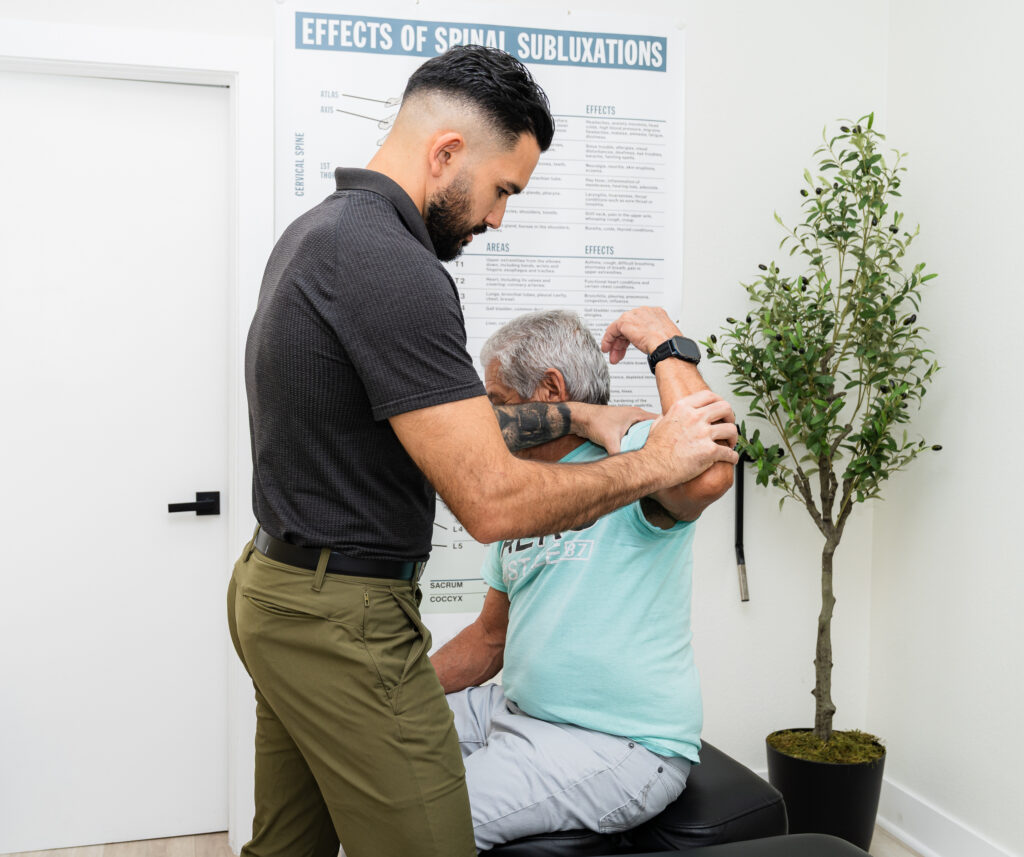

As a local chiropractor, I want to share with you how simple adjustments in your daily routine can significantly alleviate back pain. Many people are unaware that small changes, like optimizing your workspace with ergonomic furniture or practicing effective posture correction techniques, can lead to substantial relief from discomfort. It's not just about the physical environment; incorporating regular stretching exercises and making mindful lifestyle modifications can also play a crucial role in your recovery and overall well-being.
You might be wondering what specific strategies can help you tackle your back pain effectively. In our practice, we often emphasize the importance of maintaining proper alignment and balance in your body. This can be achieved through chiropractic adjustments and by adopting healthier habits in your daily life. Simple actions, such as being mindful of your posture while sitting or standing, can make a world of difference.
Remember, addressing back pain is not just about quick fixes; it's about fostering a holistic approach to your health. If you're ready to explore how these strategies can work for you, I encourage you to schedule a consultation. Together, we can create a personalized plan to help you achieve lasting relief and improved quality of life.
Ergonomic Workspace Adjustments
As a local chiropractor, I want to emphasize the importance of setting up your workspace in an ergonomic manner to help alleviate back pain and enhance your overall comfort.
When you adjust your workspace correctly, it can significantly reduce strain on your body, which is essential for maintaining your health.
Begin by focusing on your chair. It's crucial to select a chair that allows your feet to rest flat on the floor, with your knees positioned slightly lower than your hips.
Look for a chair with lumbar support; this feature helps maintain the natural curve of your lower back and prevents discomfort, especially during prolonged sitting.
Next, let's talk about your desk and computer monitor. Ensure that your monitor is positioned at eye level to keep your neck in a neutral position while you work.
If you're using a laptop, I recommend investing in a stand or docking station to raise the screen to eye level. This adjustment helps you avoid leaning forward, which can lead to significant discomfort and strain.
Your keyboard and mouse should also be placed conveniently, allowing your elbows to remain at about a 90-degree angle.
This setup reduces shoulder strain and makes it easier for you to access your tools. Additionally, consider using a wrist rest to support a neutral wrist position during typing, which can prevent repetitive strain injuries.
Finally, let's not overlook the importance of lighting. Proper lighting in your workspace is vital to reduce eye strain and promote good posture.
Ensure that your area is well-lit, whether through natural light or by using adjustable desk lamps.
By following these ergonomic principles, you can create a healthier workspace that supports your body and minimizes discomfort.
If you have further questions about how to maintain your spine health or if you're experiencing persistent pain, don't hesitate to reach out for a chiropractic consultation.
Your well-being is our priority!
Stretching and Strengthening Exercises
As a chiropractor, I want to emphasize the importance of creating an ergonomic workspace to support your back health. However, to truly enhance your comfort and mobility, it's essential to incorporate stretching and strengthening exercises into your daily routine. These exercises not only help alleviate existing pain but also play a crucial role in preventing future discomfort.
Let's begin with some simple stretches that focus on your back, hips, and legs. For example, the cat-cow stretch is excellent for improving spinal flexibility, while the seated forward bend can help release tension in your lower back. I recommend holding each stretch for 15-30 seconds and repeating them several times, all while concentrating on your breath to promote relaxation.
In addition to stretching, it's vital to strengthen your core muscles, as they provide essential support for your back. Exercises such as planks, bridges, and bird-dogs can significantly enhance your stability and help protect your spine. Aim to include a balanced routine of both stretching and strengthening exercises at least three times a week.
Consistency is key! Set reminders to take breaks during your workday. Stand up, stretch, or do a quick set of exercises. Even short bursts of movement can lead to significant improvements in how you feel.
Lastly, always listen to your body. If any exercise causes discomfort or pain, stop immediately and reassess your technique. It might be beneficial to consult with a fitness professional or physical therapist to ensure that you're performing the exercises correctly and safely.
Posture Correction Techniques
As a local chiropractor, I can't emphasize enough the importance of good posture in preventing and alleviating back pain. Proper posture helps maintain the natural alignment of your spine, which is crucial for your overall health. To start improving your posture, it's essential to be mindful of how you sit, stand, and move throughout your daily activities.
When you're sitting, ensure that your feet are flat on the floor and your knees are at hip level. It's also important to keep your back firmly against the chair. If needed, consider using a lumbar support cushion to help maintain the natural curve of your lower back. This is a simple adjustment that can make a big difference in your comfort.
Standing tall is just as important. Make sure to distribute your weight evenly on both feet and avoid locking your knees, as this can lead to discomfort over time. Engage your core muscles to support your spine and keep your shoulders relaxed and pulled back. A key point to remember is to align your head over your shoulders. Many people tend to lean forward, especially when using their phones or computers, which can strain your neck and back.
As you walk, practice taking even strides and keep your head up. This not only improves your posture but also helps you stay aware of your surroundings. If you spend long hours at a desk, it's vital to take regular breaks to stretch and adjust your posture. This practice can greatly reduce the risk of pain and discomfort.
If you find it challenging to maintain proper alignment, consider using a posture corrector or brace. These devices can offer support and serve as a helpful reminder to keep your posture in check throughout the day.
Moreover, incorporating activities like yoga or Pilates into your routine can enhance your awareness of body alignment and strengthen the muscles that support good posture.
With consistent effort and attention to these techniques, you'll likely notice a significant improvement in your posture, leading to reduced back pain over time. Remember, your spine is the foundation of your body, and taking care of it is key to your overall well-being.
If you have any questions or need personalized advice, don't hesitate to reach out during your next visit!
Lifestyle Modifications
As a local chiropractor, I want to share how making simple lifestyle modifications can significantly aid in your journey toward back pain relief.
Let's start by examining your daily habits. If you find yourself sitting for extended periods, consider setting reminders to stand up and stretch every hour. These small movements can help prevent stiffness and boost circulation, which is vital for spinal health.
Physical activity is another crucial aspect to focus on. Regular exercise is beneficial as it strengthens your core, which provides essential support to your spine. Engage in low-impact activities such as walking, swimming, or yoga.
These exercises can alleviate tension and enhance flexibility without placing excessive strain on your back. Additionally, incorporating strength training into your routine can help build the muscles that support your spine, further promoting a healthy back.
Your sleep environment also plays a significant role in how your back feels upon waking. A supportive mattress and pillow can make a world of difference. It's worth experimenting with various sleeping positions to discover what works best for you.
For example, if you sleep on your side, placing a pillow between your knees can help maintain proper spinal alignment.
Nutrition is another key factor in managing pain and promoting healing. A balanced diet rich in anti-inflammatory foods can make a positive impact. Aim to include plenty of fruits, vegetables, whole grains, and lean proteins in your meals.
Staying hydrated is crucial as well; dehydration can lead to muscle cramps and discomfort, which can exacerbate back pain.
Lastly, managing stress is essential for overall well-being. Practices such as mindfulness, meditation, or deep breathing exercises can help reduce stress levels, which often contribute to increased pain.
By incorporating these lifestyle changes into your routine, you lay a solid foundation for better back health. Remember, chiropractic care can complement these modifications, enhancing your recovery and promoting a healthier spine.
I'm here to support you on this journey!
Alternative Therapies and Treatments
As your local chiropractor, I want to share some insights into alternative therapies and treatments that can complement traditional chiropractic care in managing back pain. Many patients are unfamiliar with these options, but they can be incredibly beneficial for your healing journey.
One method to consider is acupuncture. This technique involves the insertion of thin needles into specific points on your body, which can help relieve pain and improve overall function. I've seen many individuals experience significant reductions in back pain after just a few sessions, making it a compelling option to explore alongside chiropractic adjustments.
Massage therapy is another effective treatment that I often recommend. It works to relieve muscle tension, enhance circulation, and promote relaxation. If you're struggling with chronic back pain, regular massages can be a great addition to your care plan, helping to ease discomfort and improve your quality of life.
Physical therapy is also a valuable resource. A skilled physical therapist can create a personalized exercise program designed to strengthen your back muscles and improve your flexibility. This tailored approach is essential for managing pain more effectively and reducing the likelihood of future injuries.
Additionally, practices like yoga and Pilates can greatly benefit your back health. They focus on improving core strength and flexibility, which are crucial for providing better support to your spine. Incorporating these practices into your routine can help alleviate pain and enhance your overall mobility.
Lastly, consider exploring herbal supplements and natural remedies such as turmeric or ginger, which are known for their anti-inflammatory properties. However, it's always important to consult with a healthcare professional before starting any new supplement to ensure it's safe for you.
Conclusion
As a local chiropractor dedicated to your health, I want to share some effective adjustments that can truly make a difference in alleviating your back pain. It's essential to understand that optimizing your workspace ergonomically is a crucial first step. This means arranging your desk, chair, and computer at the right heights to support your spine effectively.
In addition to an ergonomic setup, incorporating regular stretching and strengthening exercises into your routine can significantly improve your back health. These exercises help to support your spine and enhance your overall well-being, making it easier to move without discomfort.
Maintaining good posture is another vital aspect of back pain management. Simple awareness of how you sit, stand, and move can prevent strain on your back and promote better spinal health.
Moreover, I encourage you to consider lifestyle modifications and explore alternative therapies. Options such as chiropractic adjustments, massage therapy, and acupuncture can complement your pain management strategy and enhance your healing process.
By taking these steps, you can lead a healthier, more comfortable life, allowing you to enjoy your daily activities without being hindered by back pain. Remember, your journey to wellness is a partnership, and I'm here to guide you every step of the way.